🇹🇷 Country guide
Türkiye Travel Guide
A many-layered route from Bosphorus ferries to ancient coasts, from stone towns to high plateaus.
Gateway
Istanbul · IST
Capital
Ankara
Best time
Varies by region · April–June · September–October
Budget
Moderate
Don't miss
Sunset, simit and tea on the Kadıköy ferry
How to plan a route through Turkey
Plan Turkey not as a single beach holiday or an Istanbul–Cappadocia checklist, but as separate geographies. Istanbul opens up a two-continent metropolis; the Aegean and the Mediterranean a balance of peninsulas, ancient cities and sea; Central Anatolia Seljuk, Republican and rock-cut settlements; the Black Sea weather-driven nature; and the south-east Neolithic archaeology, stone towns and many-layered cuisines.
Although Bodrum, Fethiye and Marmaris are administratively within Muğla province, they are separate search and travel intentions. That's why the Muğla guide focuses on the Akyaka–Gökova–Datça axis. Cappadocia is a region, not a city, and is planned around the bases of Göreme, Uçhisar, Ürgüp and Avanos. Kaş and Alanya are also independent coastal stops, hours away from central Antalya.
Tips that make travelling within Turkey easier
City cards don't replace one another
İstanbulkart, İzmirim Kart, Antalyakart and other municipal cards are separate systems. QR, contactless bank card and transfer conditions vary from city to city; check the local transport authority's current information.
MüzeKart and MuseumPass are separate products
Turkish citizens use the MüzeKart and foreign visitors the MuseumPass. Valid institutions, night museum openings and special sections such as the Topkapı Harem, Göreme's Dark Church and the Terrace Houses at Ephesus should be checked separately.
A province name can hide the distance
Central Antalya–Kaş–Alanya or central Muğla–Bodrum–Datça may be in the same province, but they are hours apart by road. Read the map not by administrative borders but by real driving time, bends, traffic and the last dolmuş.
Use the YHT backbone
The YHT high-speed train is strong on the Istanbul–Eskişehir–Ankara–Konya line. On coastal and eastern routes, flights and buses may be more dominant. In most cities the station, the bus terminal and the airport are in different places from the centre.
Card and cash work together
Cards are common in city hotels and restaurants; cash may be needed for the dolmuş, markets, small shops and rural stops. Clarify the menu, price per kilo, cover charge and what boat trips or activities include before you order.
The climate is regional
Antalya's heat, Black Sea fog, Cappadocia's wind and summer in the east and south-east don't fit a single packing rule. Keep weather backups for balloon, ferry, highland and boat days.
The Greek islands mean an international departure
The Bodrum–Kos, Kaş–Kastellorizo and Marmaris–Rhodes ferries are not domestic routes. Confirm passport, Greece/Schengen entry conditions, port tax and sailing status through official channels.
9–11 days
A first trip to Turkey
Four to five nights in Istanbul, three to four in Cappadocia, two to three in central Antalya. Link the two long hops by plane and keep a weather backup for the balloon.
10–14 days
The Aegean coast and ancient cities
Head down from Izmir–Ephesus to Bodrum, then on to Akyaka/Datça, Marmaris and Fethiye. Choose three bases instead of a one-night stop in every resort.
8–10 days
Lycia and the western Mediterranean
Ölüdeniz/Kayaköy in Fethiye, Kekova/diving in Kaş, Kaleiçi/ancient cities in Antalya. The coast road is scenic but slow.
7–9 days
Gastronomy and archaeology in the south-east
Move on from Zeugma and Antep cuisine to Göbekli Tepe, then to Dara–Midyat–Mardin. Spread meals and the heat of open-air sites across the days.
6–8 days
Central Anatolia by YHT
Combine compact cities, the capital's museums and Seljuk heritage by train; allow three more days to add Cappadocia by road.
Practical information for Türkiye
Entry requirements
Check Türkiye's entry rules for your passport before travelling: many nationalities can enter visa-free or with an e-Visa from the official evisa.gov.tr site, while others need a visa from a Turkish mission. Carry your passport on flights and intercity journeys, and confirm your status with the Presidency of Migration Management and Turkish diplomatic missions.
Money and payments
Although cards are widely accepted in cities, you may need cash at markets, on dolmuşes, at small shops and at rural stops. Transport cards change from city to city; don't assume the İstanbulkart will work in Antalya or İzmir. The MüzeKart for Turkish citizens and the MuseumPass for foreign visitors have separate conditions.
Languages
In tourist centres, getting by in English becomes easier; on rural routes and at small businesses, saving the address and phone number in Turkish is more practical. Religious holidays, Friday prayers, Sundays and seasonal operations can affect opening hours.
Phones, internet and apps
Mobile coverage reaches most routes in Türkiye but can drop out in mountains, canyons, coves and highland pastures; visitors can compare a local prepaid SIM, a data eSIM and their own operator's roaming package. The municipal transport app or official website, TCDD Taşımacılık and your airline's app are practical tools. Download tickets, your hotel address and an offline map in advance; don't mistake a screenshot of a timetable on social media for the current schedule.
Budget
On a budget plan, a guesthouse/hostel, tradesmen's restaurants, municipal transport and selected museums; on a mid-range budget, a central hotel, regular restaurants and one paid activity; and on a comfortable plan, boutique/resort accommodation, private transfers and long dinners. As lira prices change quickly over religious holidays and summer weekends, add up accommodation, transport, meals and activities separately using current quotes rather than relying on a fixed daily figure.
Cities and regions to visit in Turkey
The cities to visit in Turkey range from Istanbul's historic neighbourhoods to the Aegean and Mediterranean coasts, from the valleys of Cappadocia to the food routes of the south-east. Izmir, Muğla, Bodrum and Fethiye are strong starting points for a sea-focused trip; Mardin, Gaziantep and Şanlıurfa for culture and cuisine; Trabzon for nature; and Ankara and Bursa for urban history. Because distances are long, pairing neighbouring regions on the same journey is the most comfortable plan.
Original guides are live for all 19 cities
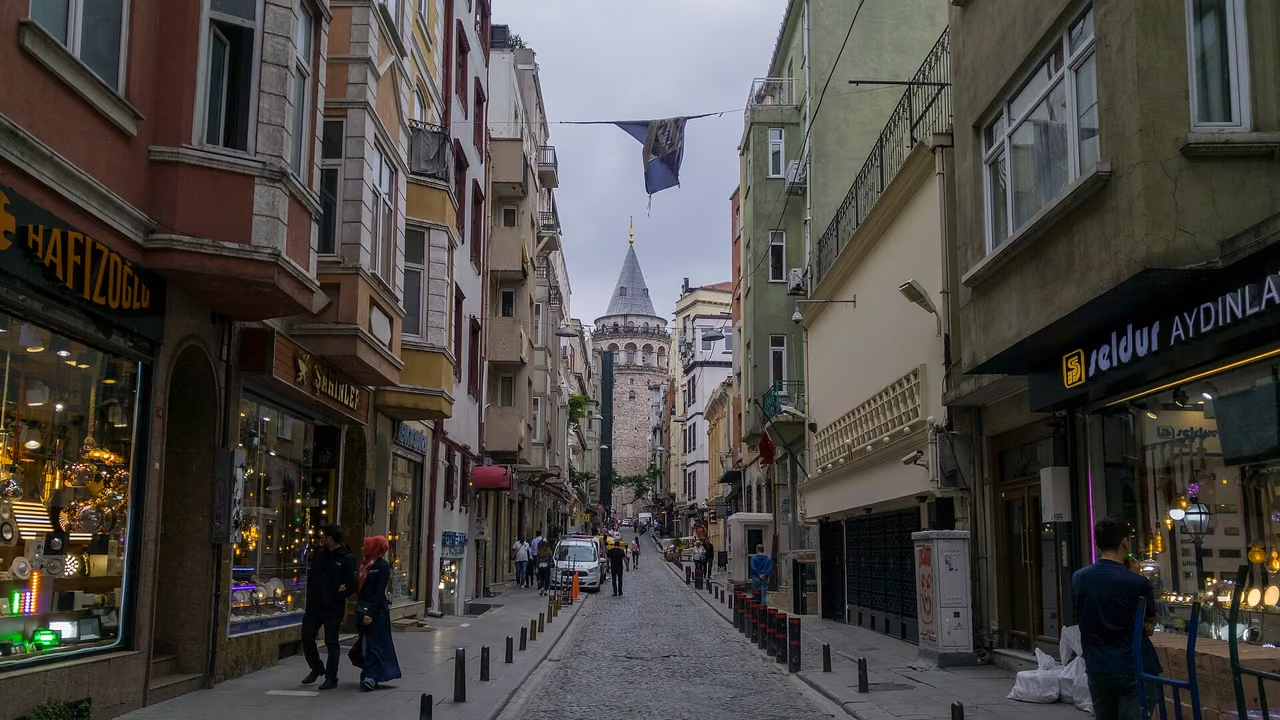 Guide live
Istanbul
Bosphorus ferries, the historic peninsula, neighbourhood eateries and a culture spread across two continents.
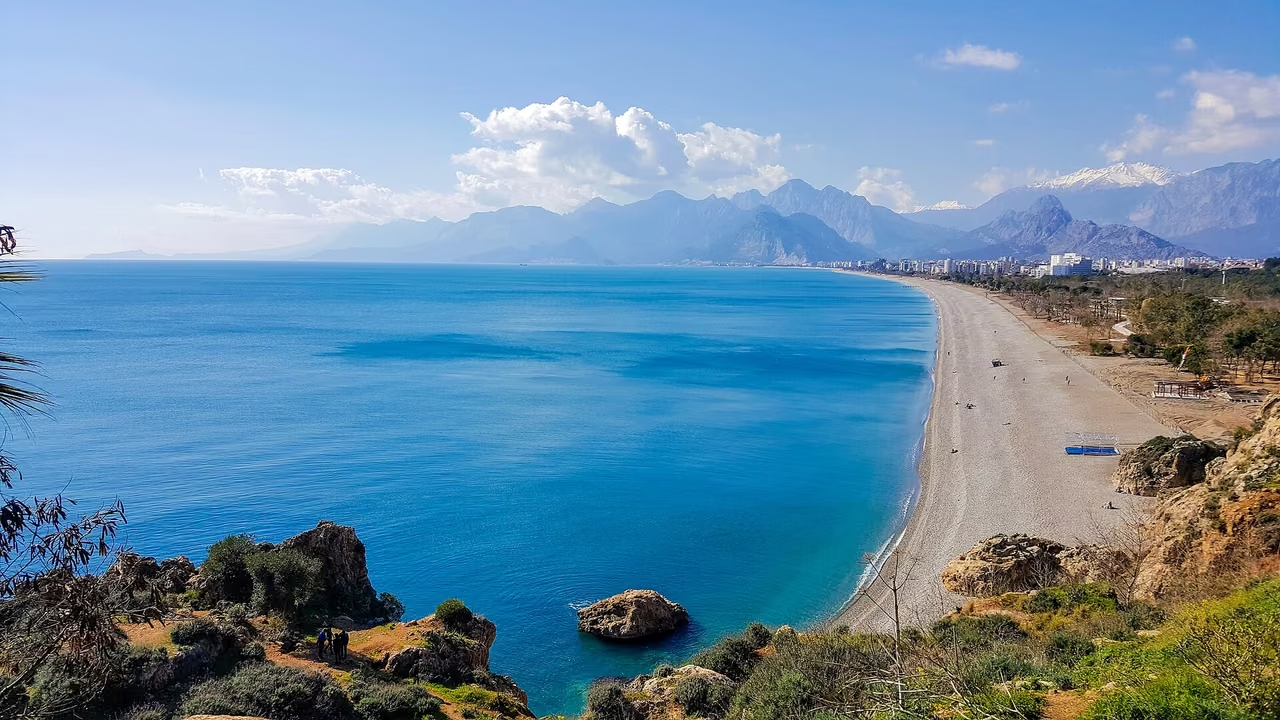 Guide live
Antalya
Kaleiçi, Konyaaltı, waterfalls and a city-and-beach holiday along the Perge–Aspendos axis.
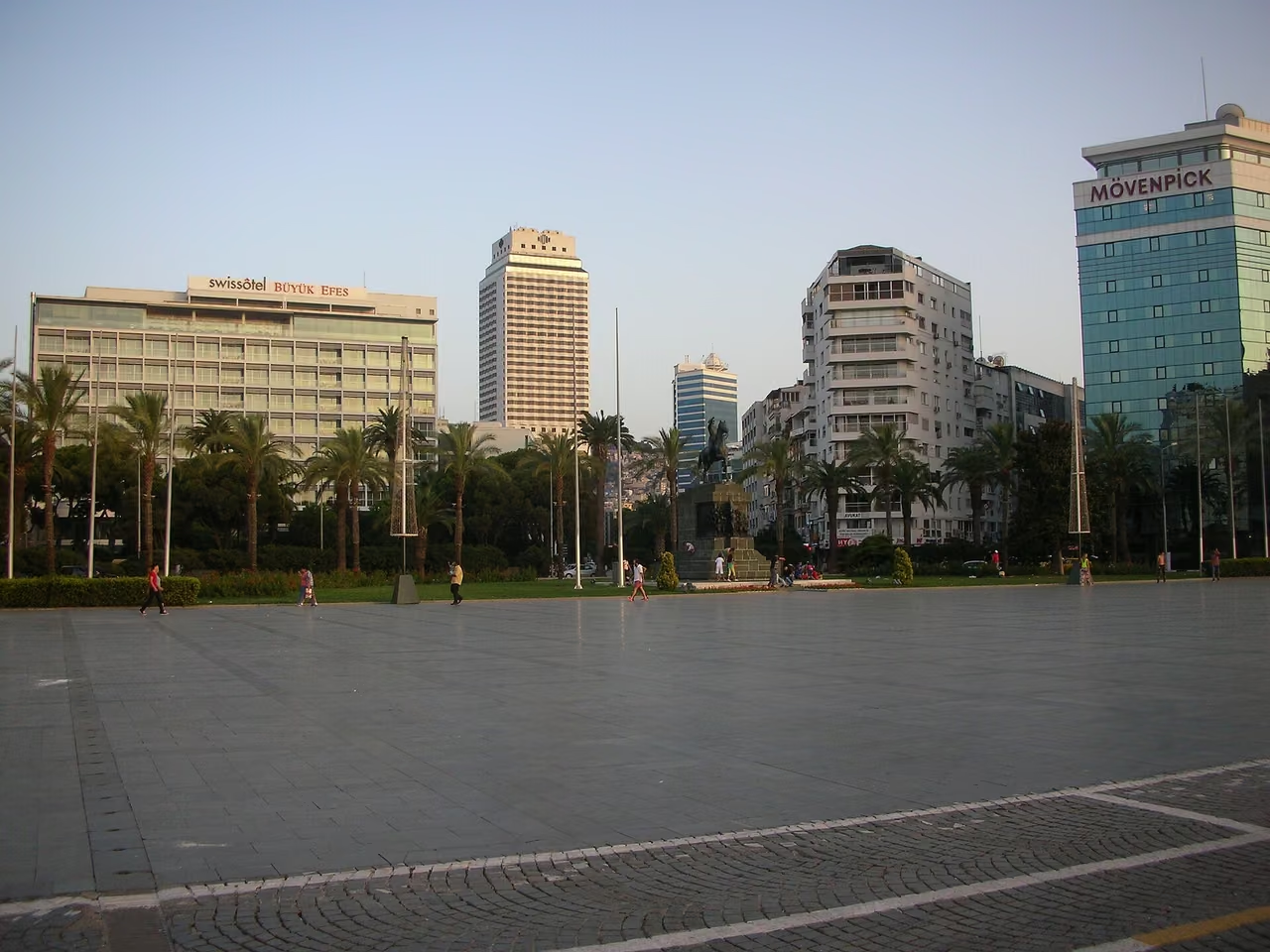 Guide live
Izmir
Evenings on the Kordon, the traders of Kemeraltı and a relaxed base for Ephesus, Urla and Çeşme.
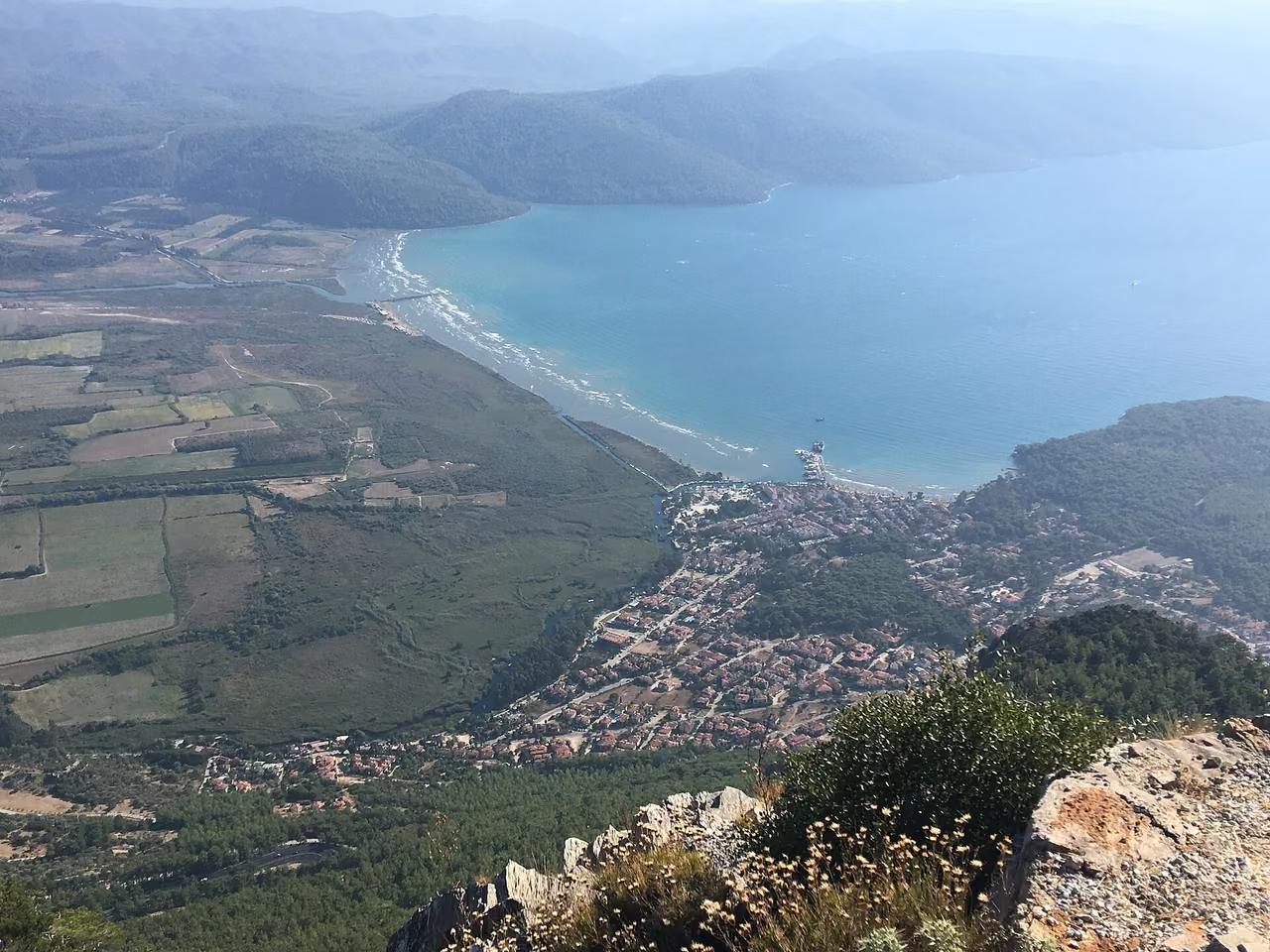 Guide live
Muğla
The banks of the Azmak in Akyaka, the Datça peninsula and the slow-travel route of the Gulf of Gökova.
 Guide live
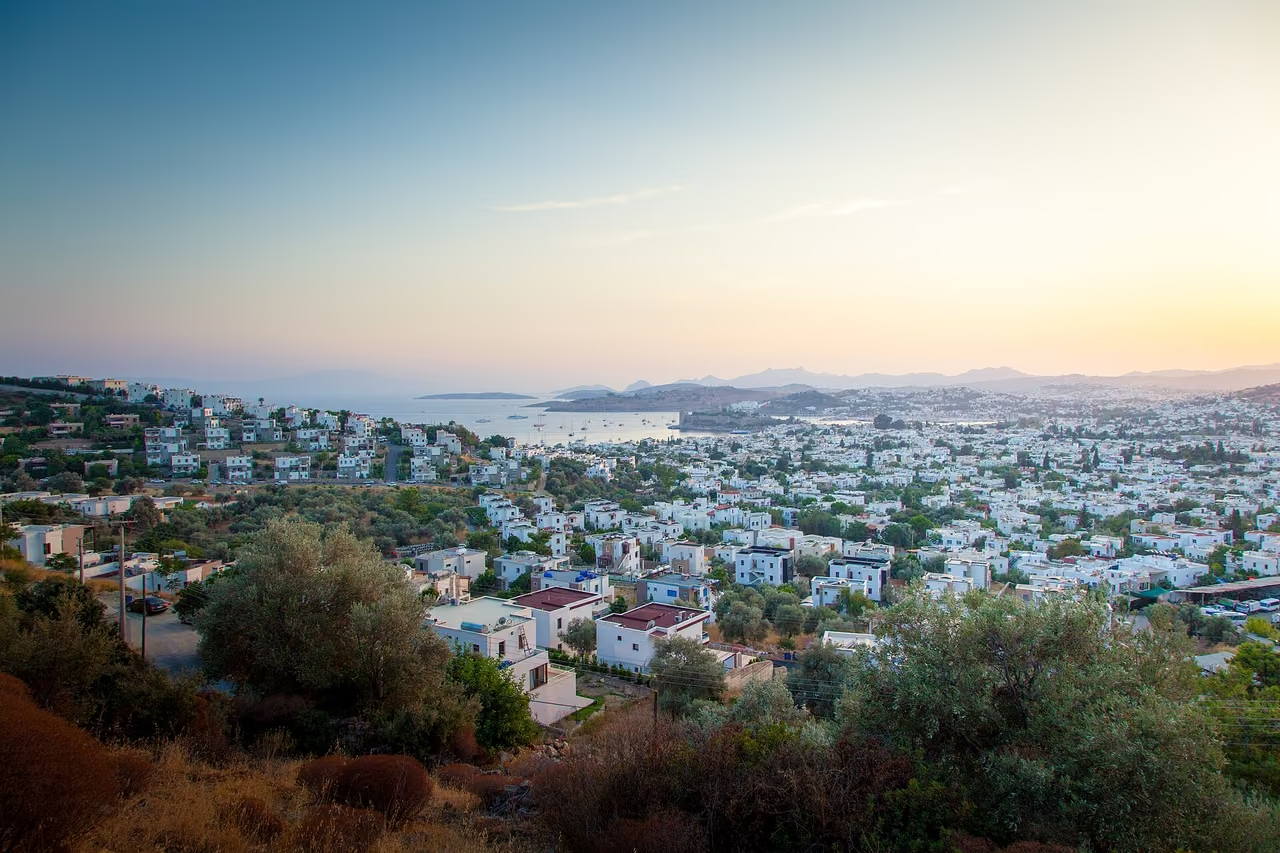
Bodrum
The energetic Aegean classic of castle, marina, peninsula coves and meyhane tables.
 Guide live
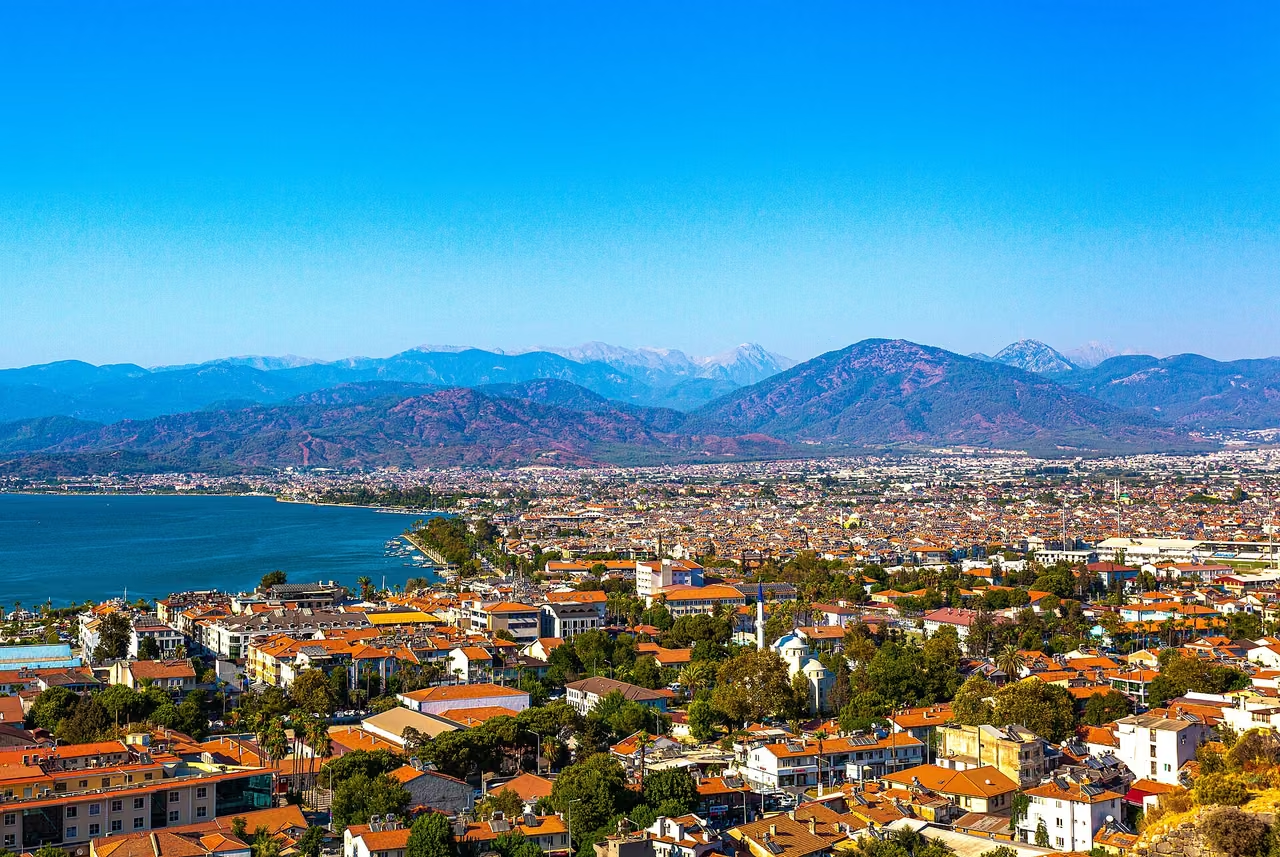
Fethiye
An active coastal holiday between Ölüdeniz, the Lycian Way, Kayaköy and boat-trip coves.
 Guide live
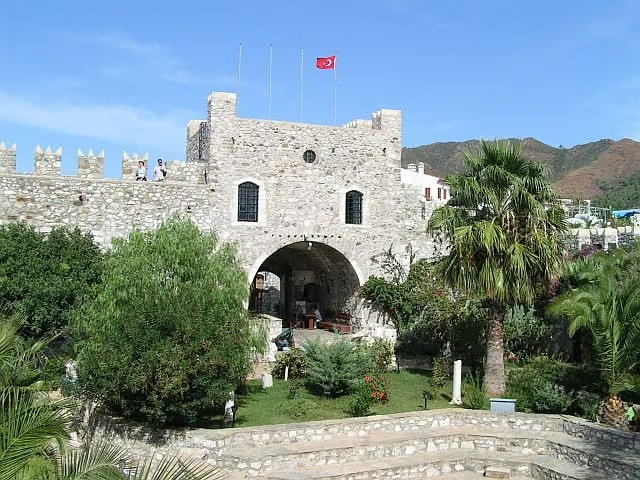
Marmaris
A lively harbour for pine-fringed coves, İçmeler, Bozburun and sea voyages.
 Guide live
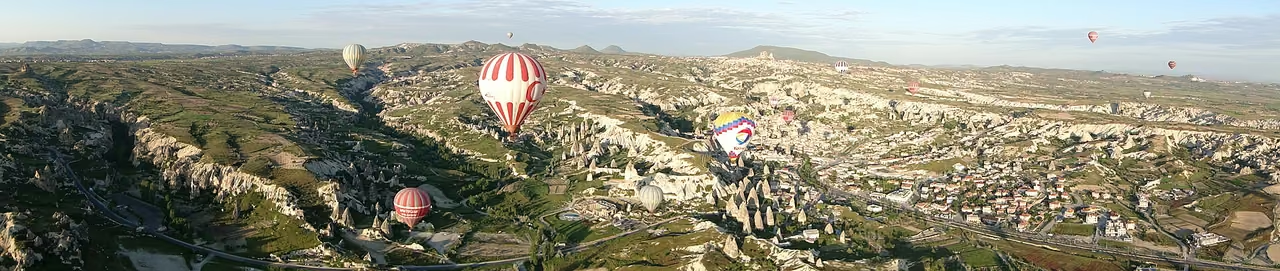
Cappadocia
Valleys, rock-cut churches, underground cities and the silhouettes of balloons at sunrise.
 Guide live
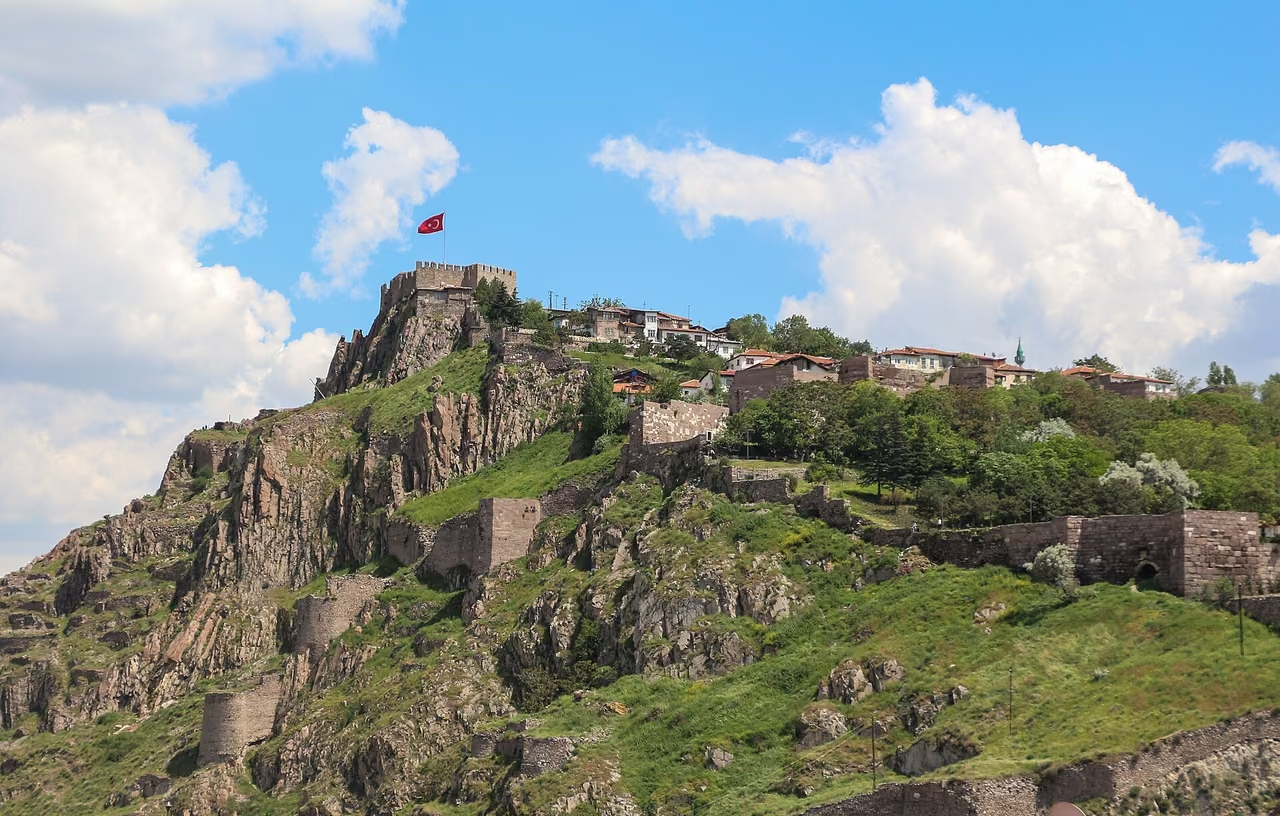
Ankara
Anıtkabir, the Museum of Anatolian Civilisations and the calm cultural route of the Republic's capital.
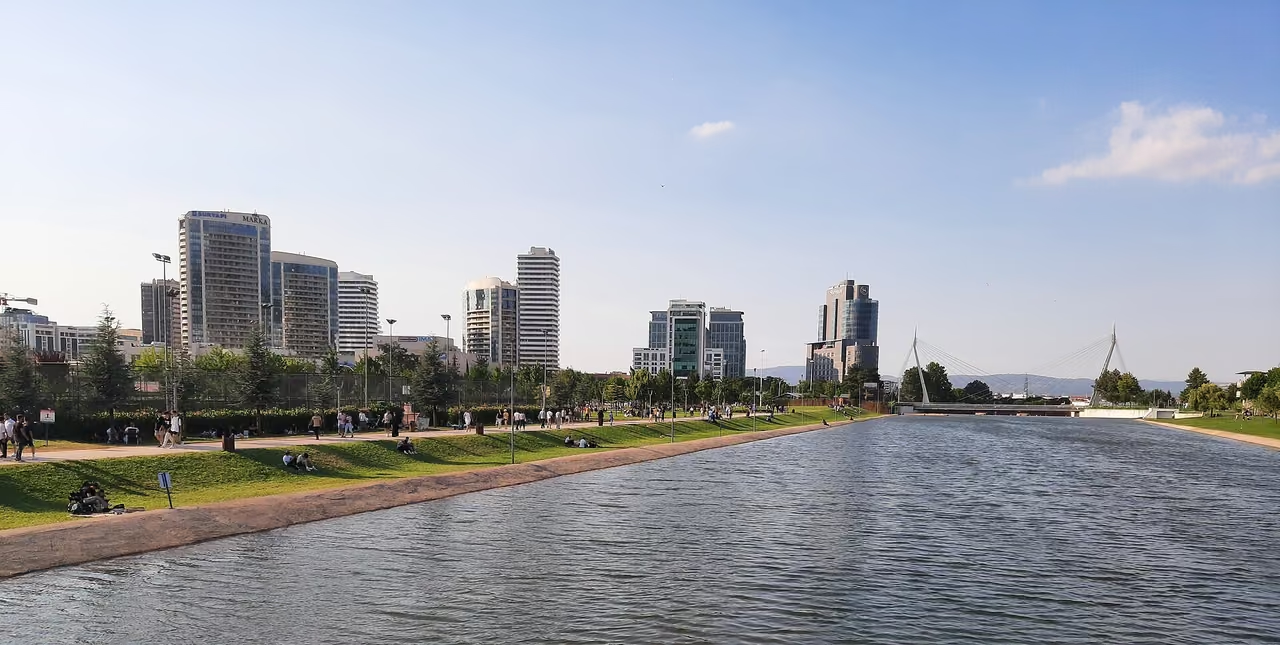 Guide live
Bursa
Early Ottoman complexes, caravanserais, candied chestnuts and Uludağ's four-season routes.
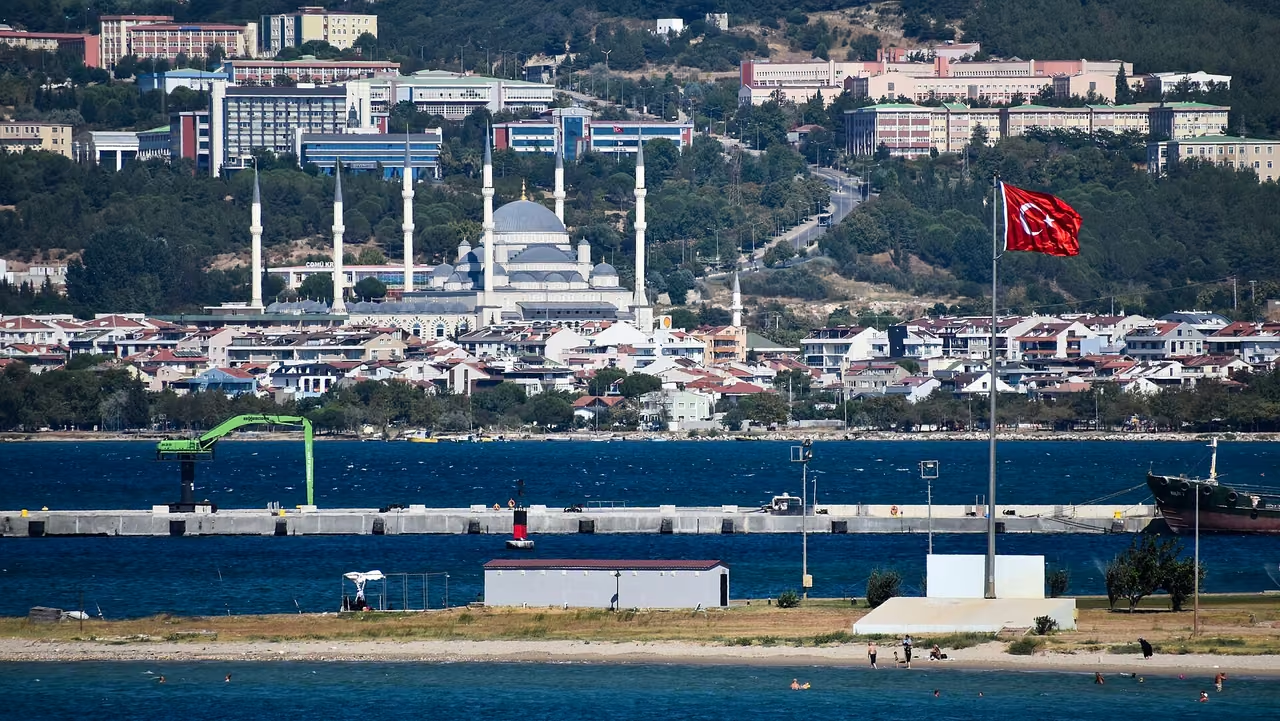 Guide live
Çanakkale
History and island life around Troy, Gallipoli, Bozcaada and the Dardanelles.
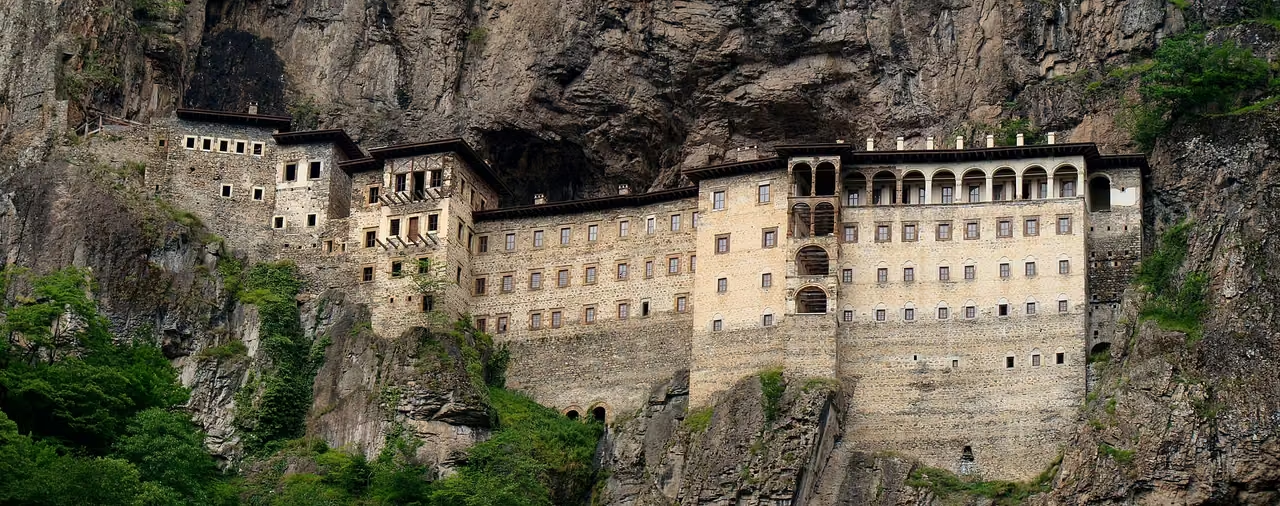 Guide live
Trabzon
A historic port city that opens onto Sümela, Uzungöl and the plateaus of the eastern Black Sea.
 Guide live
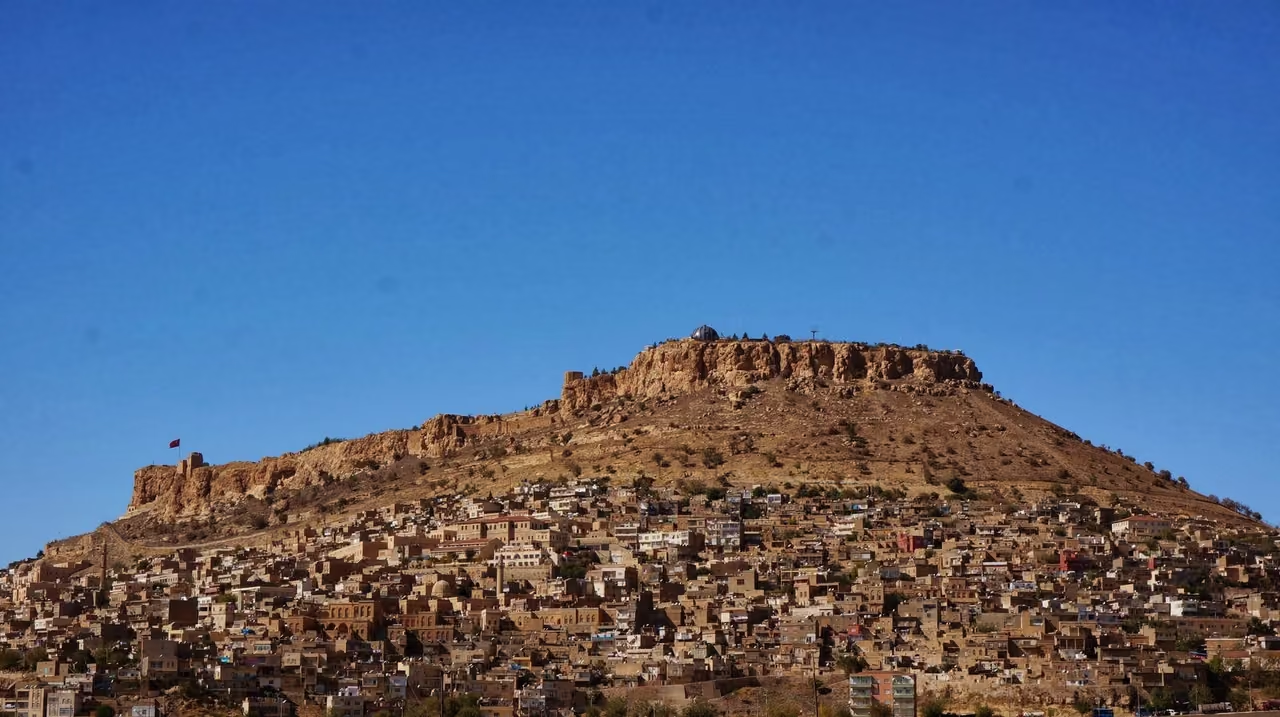
Mardin
A slow old town of stone terraces and Syriac heritage, looking out over the Mesopotamian plain.
 Guide live
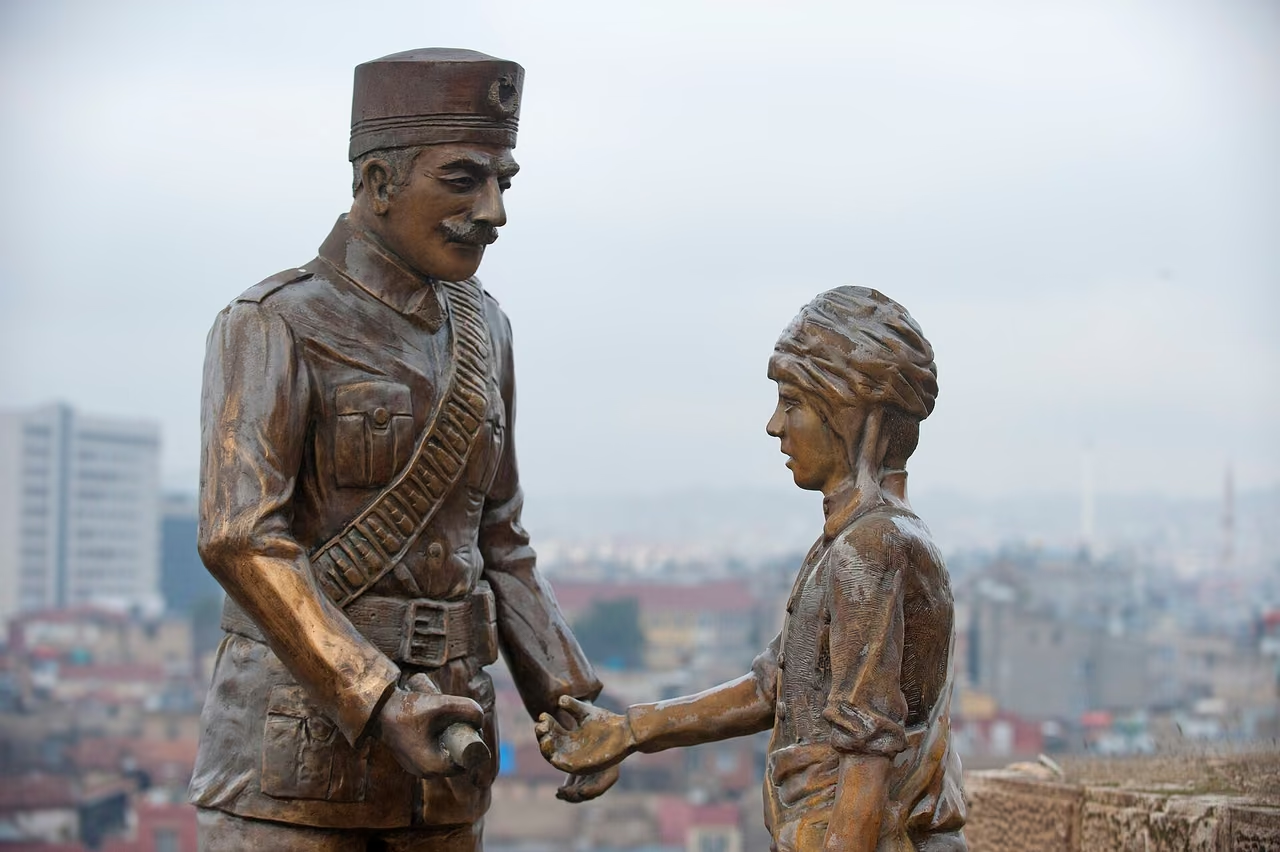
Gaziantep
Zeugma mosaics, coppersmiths and a powerful food city that deserves a trip planned around eating.
 Guide live
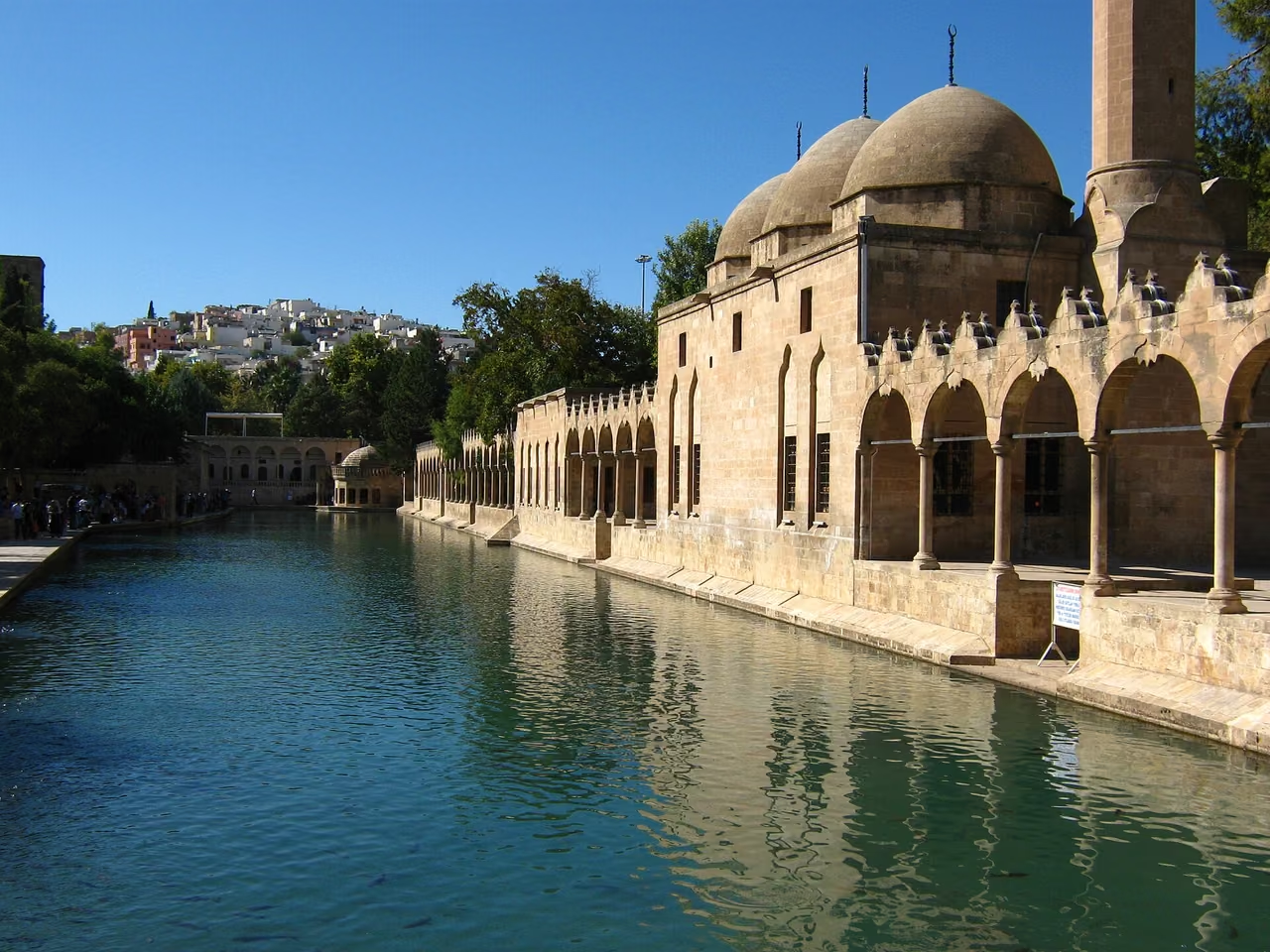
Şanlıurfa
A living memory of Göbekli Tepe, Balıklıgöl, bazaars and the sıra gecesi tradition.
 Guide live
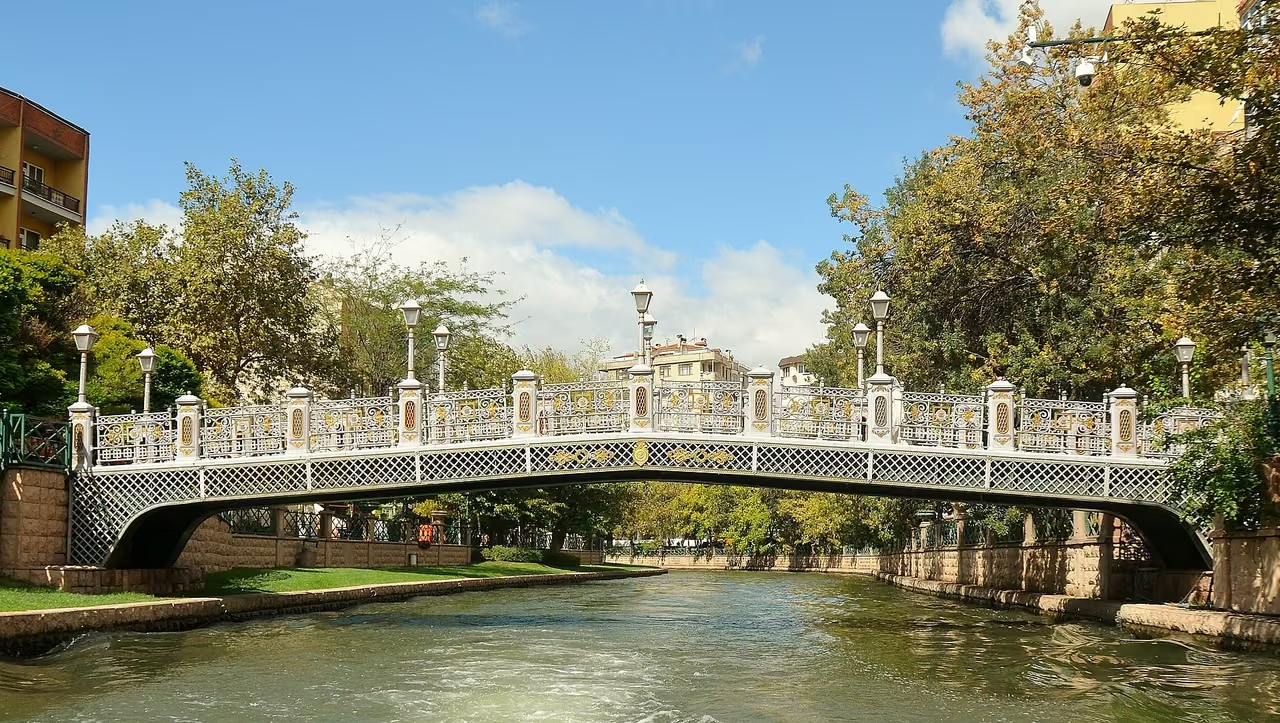
Eskişehir
A walkable city break of the Porsuk riverside, Odunpazarı houses and contemporary museums.
 Guide live
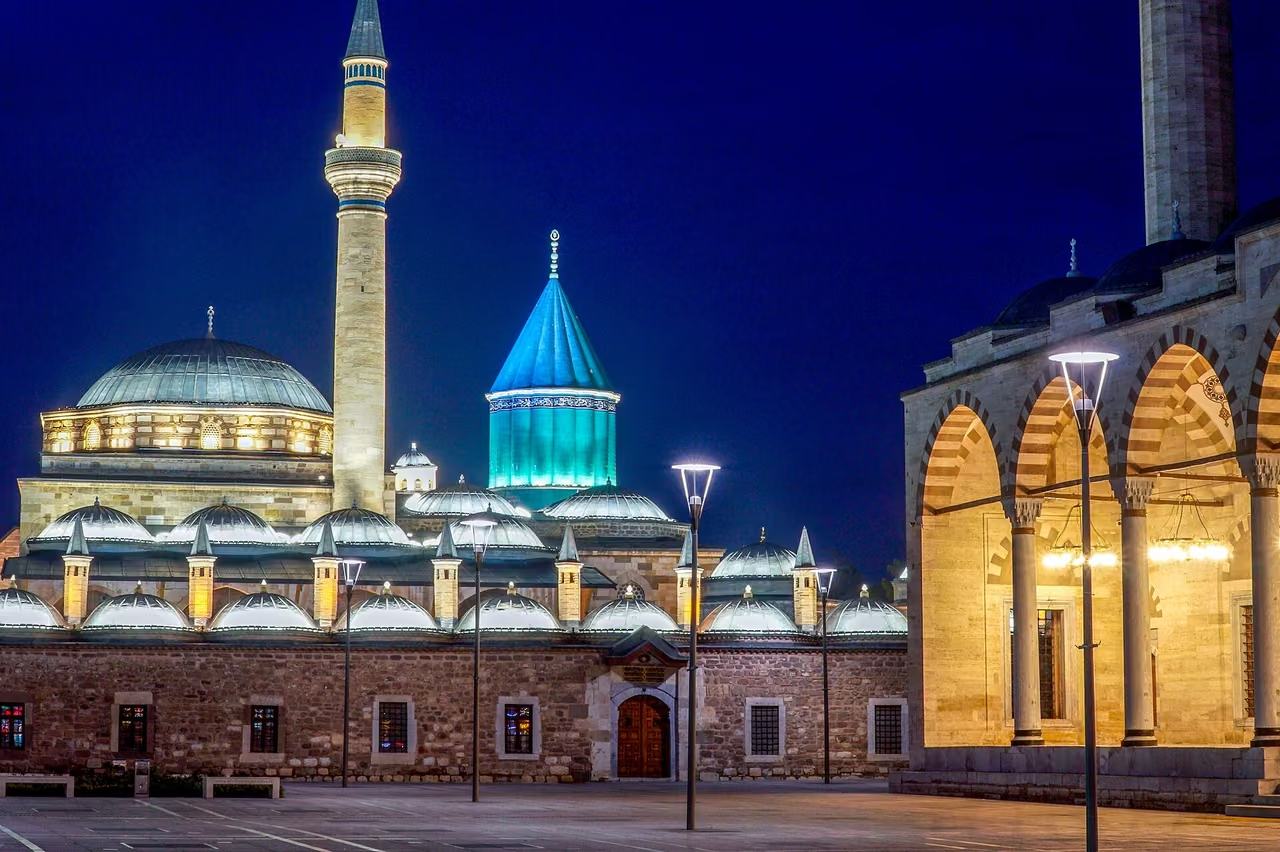
Konya
Central Anatolian history stretching from Rumi's legacy and Seljuk buildings to Çatalhöyük.
 Guide live
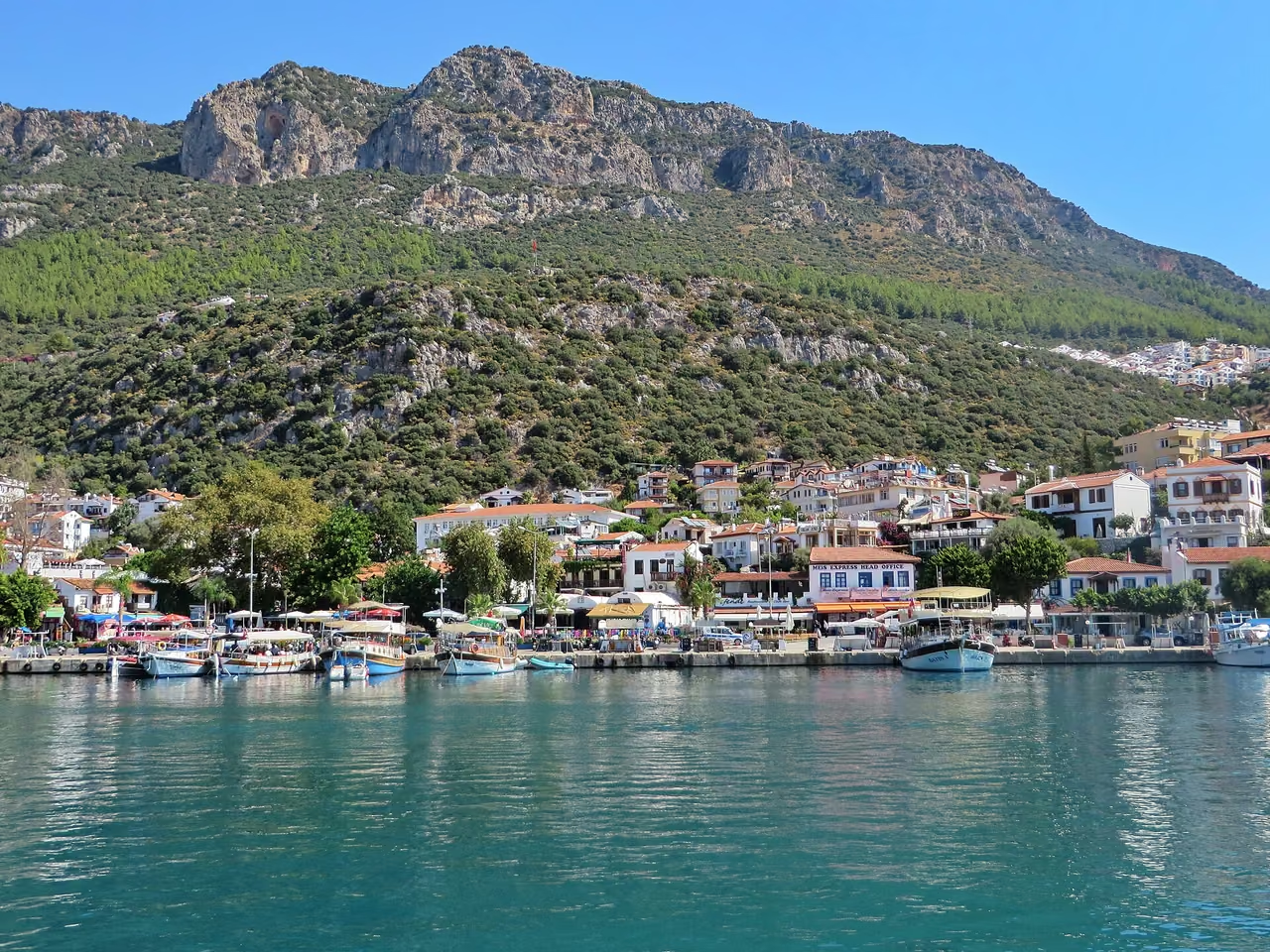
Kaş
A small-scale Mediterranean of Antiphellos, clear coves, diving and Kekova boat trips.
 Guide live
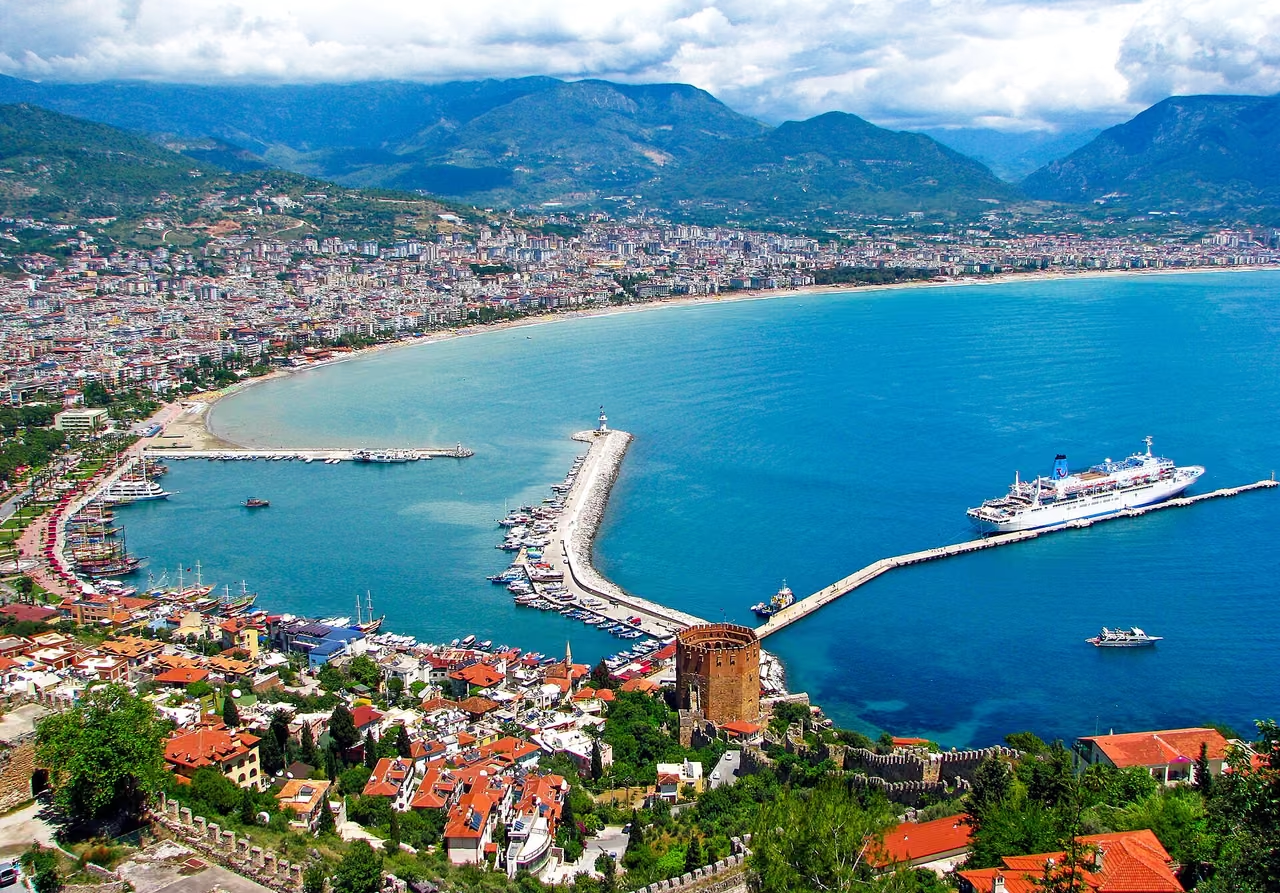
Alanya
A long beach season around the peninsula castle, Cleopatra Beach and the Dim river.
Image credits
- Bjørn Christian Tørrissen · source · CC BY-SA 3.0
- Mostafameraji · source · CC BY-SA 3.0
- Esginmurat · source · CC BY-SA 4.0
- Michael ksk · source · CC BY-SA 3.0
- Iemizrak · source · CC BY-SA 4.0
- The 3B's · source · CC BY 2.0
- Alexander Annenkov from Moscow, Russia · source · CC BY 2.0
- Adam Jones from Kelowna, BC, Canada · source · CC BY-SA 2.0
- Bernard Gagnon · source · CC BY-SA 3.0
- Metuboy · source · CC BY-SA 4.0
- Bjørn Christian Tørrissen · source · CC BY-SA 3.0
- Ben Bender · source · CC BY-SA 3.0
- Dosseman · source · CC BY-SA 4.0
- Anadolu · source · CC BY-SA 3.0
- CeeGee · source · CC BY-SA 4.0
- Emad Nemati · source · CC BY-SA 4.0
- Ozgurmulazimoglu · source · CC BY-SA 3.0