🇪🇸 Country guide
Spain Travel Guide
Architecture, contemporary art, regional cuisines and the very different rhythms of two archipelagos.
Gateway
Madrid · MAD
Capital
Madrid
Best time
April–June · September–October
Budget
Moderate
Don't miss
Moving from the beach at San Sebastián to the pintxos streets at sunset
How to plan a route through Spain
Don't plan Spain as just the Barcelona–Madrid pair. Catalonia opens up modernisme and Mediterranean city life; Madrid great art collections; Andalusia the layers of Islamic, Jewish and Christian heritage; the Basque coast the Atlantic and pintxos culture; the Balearic Islands coves and historic towns; and the Canary Islands volcanic nature and microclimates that shift all year.
High-speed rail is strong on the mainland backbone: the eastern Barcelona–Valencia–Madrid line and the southern Madrid–Córdoba–Seville/Málaga line are logical flows. San Sebastián and Bilbao are well connected by bus. Don't squeeze Mallorca, Ibiza, Tenerife and Gran Canaria into a short mainland programme; each is a separate island leg with a flight or ferry and at least three to five days.
What to know before travelling to Spain
Schengen visa and EES
Depending on your passport, a short tourist visit to Spain is visa-free or needs a Schengen visa. Since 10 April 2026, EES has electronically recorded external border crossings. ETIAS does not replace a visa; confirm your passport type and personal status with Spain's diplomatic missions.
Compare train tickets early
Besides Renfe, there may be other operators on the same high-speed lines. Read the ticket's change, luggage, station and train conditions. Check you have the right station, such as Madrid Atocha or Chamartín, Barcelona Sants or Seville Santa Justa.
Regional languages are visible
Spanish works throughout the country; Catalan/Valencian, Basque and other regional languages are used on signs and in place names. Saving both spellings of a city's name makes stops and navigation easier.
Build meal times into your route
Lunch and dinner are later than many visitors are used to. Some dishes, such as paella, are prepared mainly at lunchtime; in small towns the kitchen may close after lunch. Confirm serving times at popular restaurants in advance.
Cards are widespread; euro cash is a good backup
Cards work in most places; carry cash for small markets and rural businesses. If a terminal offers conversion to your home currency, read the rate and fee; in most cases paying in the local currency is more transparent.
Island and mainland climates are not the same
Seville's summer, Basque rain, the Balearic season and the Canary microclimate can't be planned with a single weather forecast. Check the mountain, coastal and city layers separately for the same day.
7–9 days
A first trip to Spain
Four nights in Barcelona, three in Madrid; add Toledo from Madrid as a day trip or for one night. Link the two main cities by high-speed train.
8–10 days
Classic Andalusia
Three nights in Seville, one to two in Córdoba, two to three in Granada, two in Málaga. Buy Alhambra and Alcázar tickets through official channels once the route is fixed.
8–10 days
Mediterranean cities
Head south by train from architecture-packed Barcelona to bike-and-paella Valencia, then to castle-and-beach Alicante.
5–7 days
The Basque gastronomy line
Allow two to three nights for Bilbao and three for San Sebastián; choose just one coastal day from Getxo, Getaria or Hondarribia.
5–7 days
The island route
Don't put these four islands into a single week. Choose a separate five-to-seven-day route for the Mallorca–Ibiza pair or for one of Tenerife and Gran Canaria.
Practical information for Spain
Entry requirements
Spain is in the Schengen Area: depending on your passport, you can make short visits visa-free (up to 90 days in any 180) or need a Schengen visa, so check your nationality's rules with Spain's consular services. Since 10 April 2026, the EES has kept an electronic entry–exit record at external border crossings. ETIAS is not a permit that replaces a Schengen visa.
Money and payments
Card use is widespread; carrying some euros is handy for small bars, markets and rural stops. If a card terminal offers to charge you in your home currency, declining the dynamic currency conversion and choosing euros is usually more transparent. If service isn't included in the bill, you can round up a little for good service; there's no fixed percentage obligation.
Languages
Spanish works throughout the country; in Catalonia, the Basque Country, Valencia and the Balearic Islands, the local language is visible in public life. Knowing both spellings of place names makes reading stations and signs easier.
Phones, internet and apps
A non-EU mobile line isn't automatically covered by EU roaming tariffs. For a short trip, compare an operator package or a data eSIM; for a longer trip, a local prepaid SIM. Use the local transport authority's official app within cities, the Renfe/operator app between cities and AEMET for weather; check Google Maps times against the latest official timetable.
Budget
On a budget plan, a bed/room outside the centre, menú del día, public transport and one paid visit a day; on a mid-range budget, a central double room, one good restaurant and two paid visits; and on a comfortable plan, an upmarket central hotel, taxis and a tasting menu. As accommodation can change faster than all other daily spending during trade fair, match and summer weeks, update any fixed euro figure with the real price on your booking date.
Cities and islands to visit in Spain
Thanks to the country's regional identities, the cities to visit in Spain offer an experience that changes at every stop. Madrid stands out for its art museums, Barcelona for Gaudí's architecture, Seville and Granada for Andalusian heritage and Valencia for Mediterranean living. Bilbao and San Sebastián represent Basque culture; Mallorca, Ibiza, Tenerife and Gran Canaria the island routes. On a first trip, choosing two or three cities linked by train lets you discover the country more slowly and meaningfully.
Original guides are live for all 16 cities
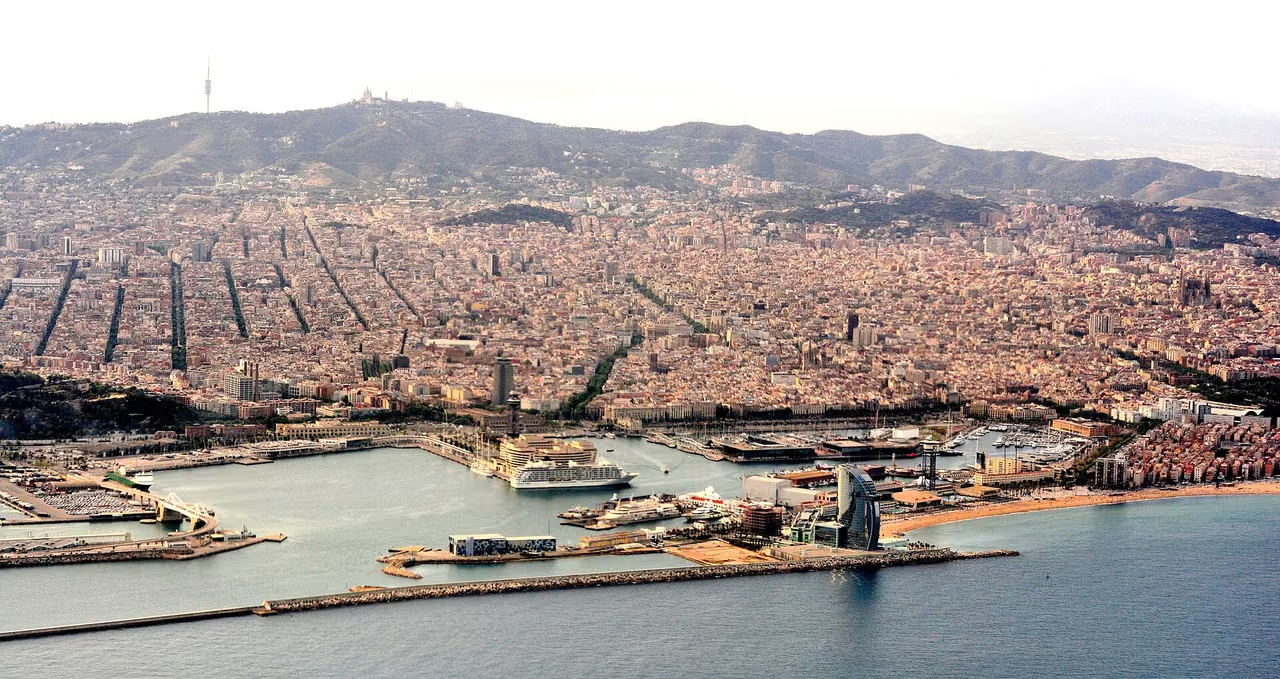 Guide live
Barcelona
Gaudí buildings, the Mediterranean coast and Catalan city life that changes from district to district.
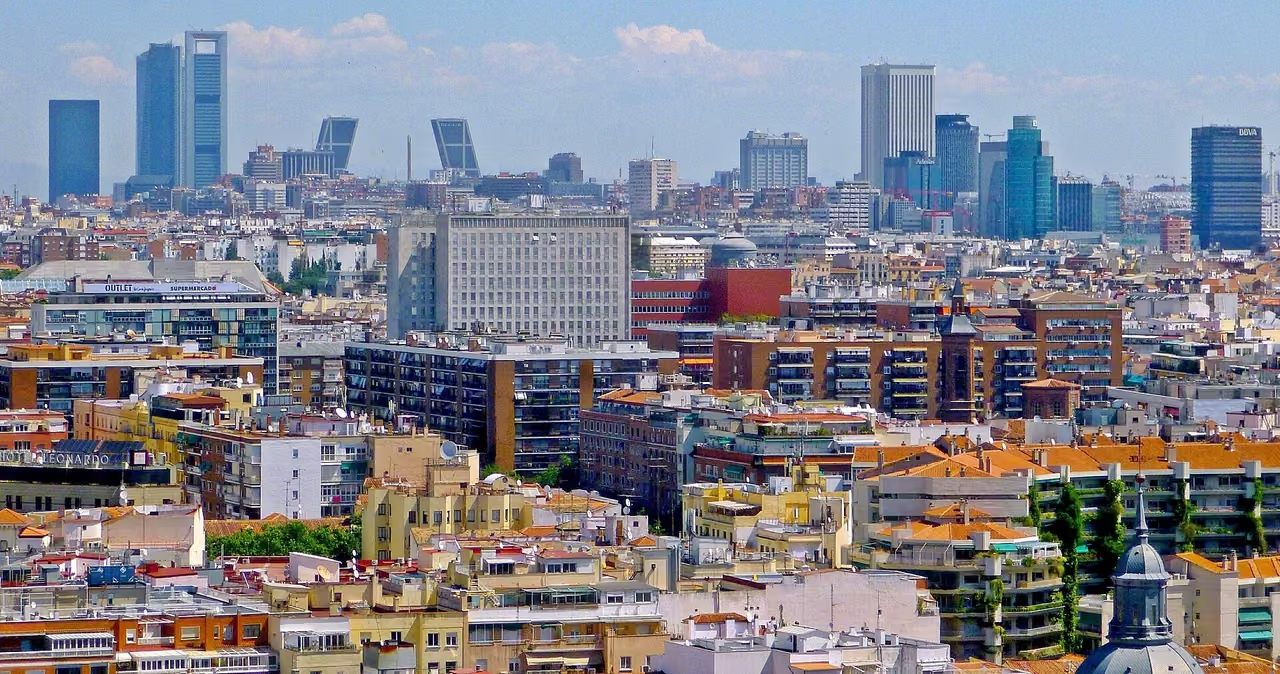 Guide live
Madrid
The Prado triangle, grand plazas, late-starting evenings and a strong football culture.
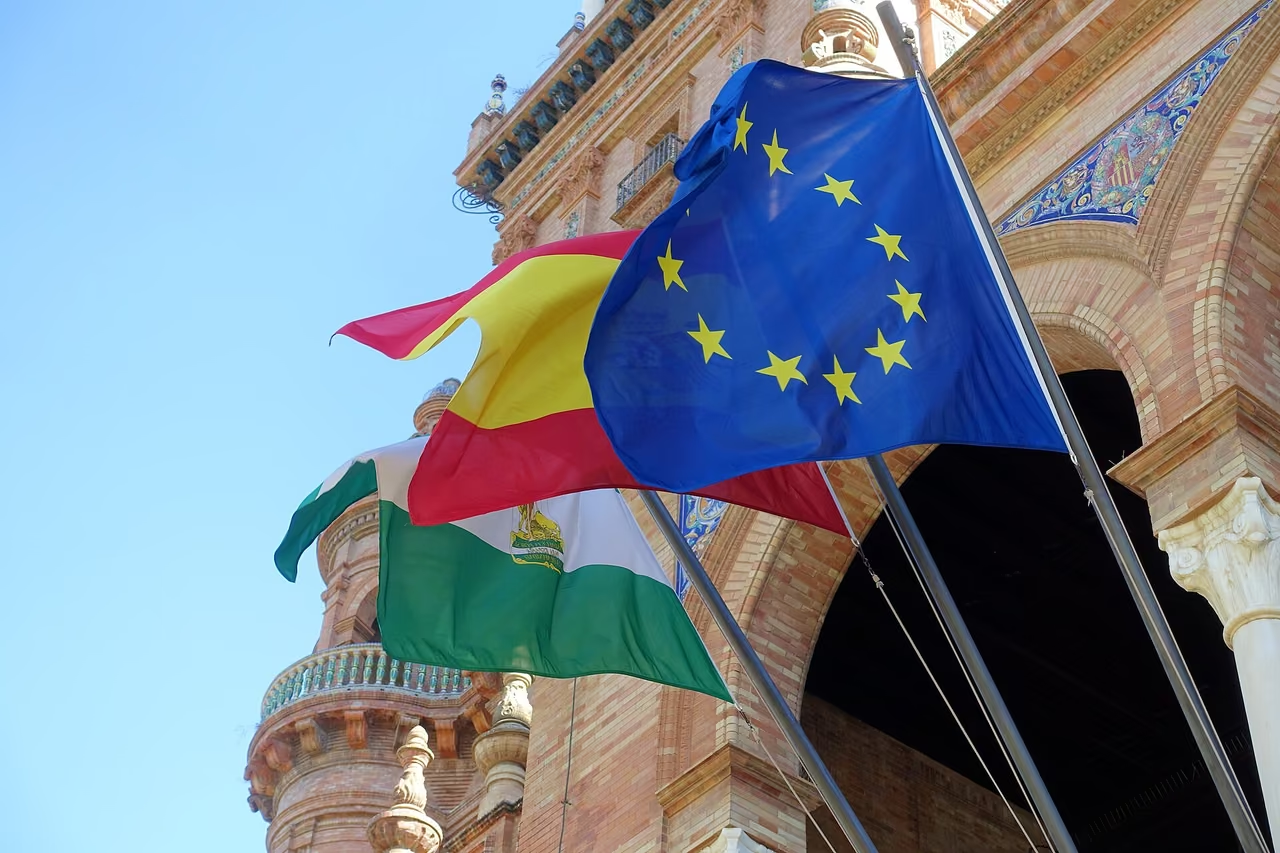 Guide live
Seville
Alcázar courtyards, Triana ceramics, flamenco and squares lined with orange trees.
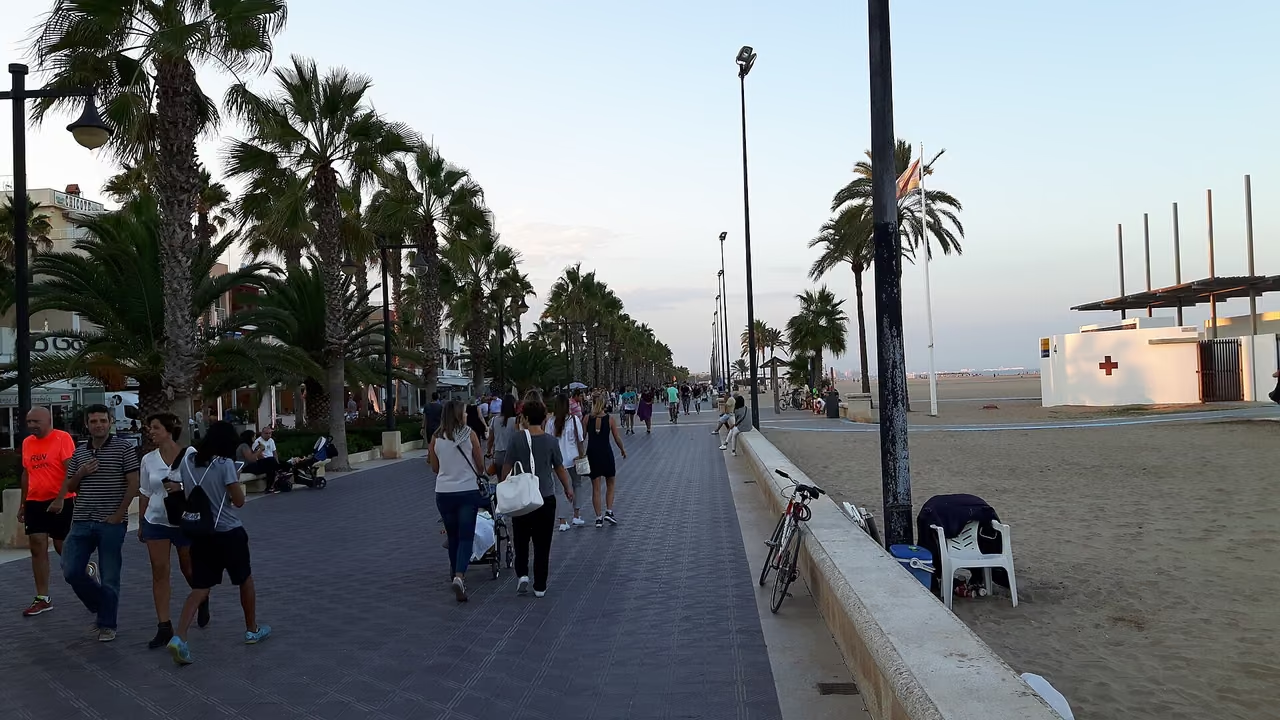 Guide live
Valencia
Historic markets, the Turia gardens, contemporary architecture and the home of paella.
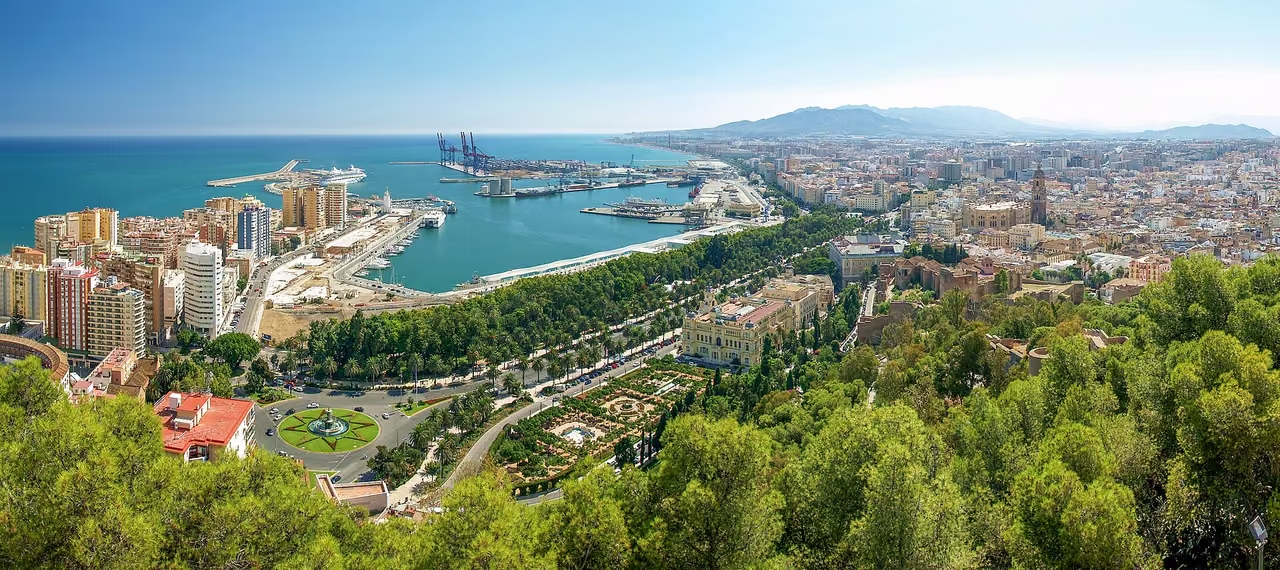 Guide live
Málaga
The Alcazaba, Picasso's legacy, city beaches and the lively cuisine of the Costa del Sol.
 Guide live
Granada
The palaces of the Alhambra, the slopes of the Albaicín and Andalusian nights with Sierra Nevada views.
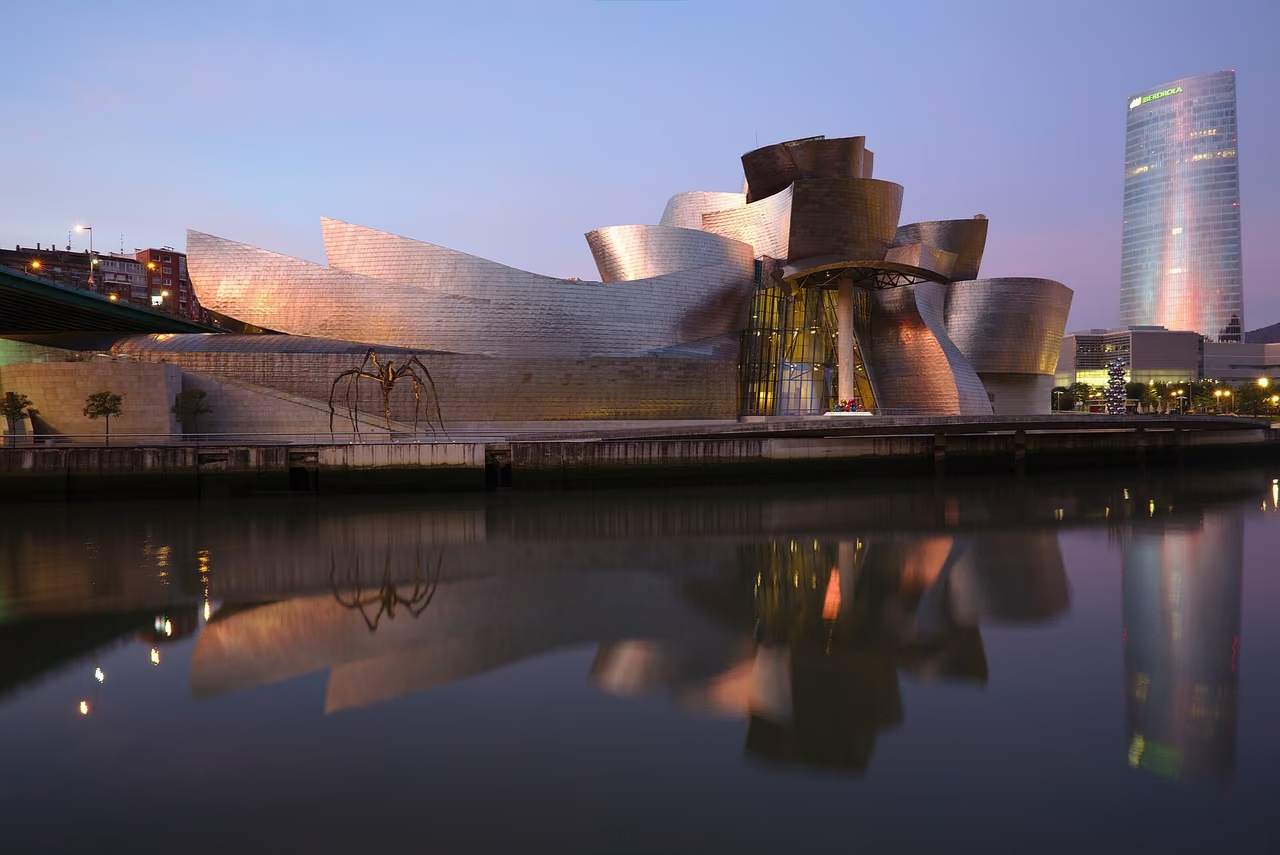 Guide live
Bilbao
The Guggenheim effect, the banks of the Nervión and the creative side of Basque pintxos culture.
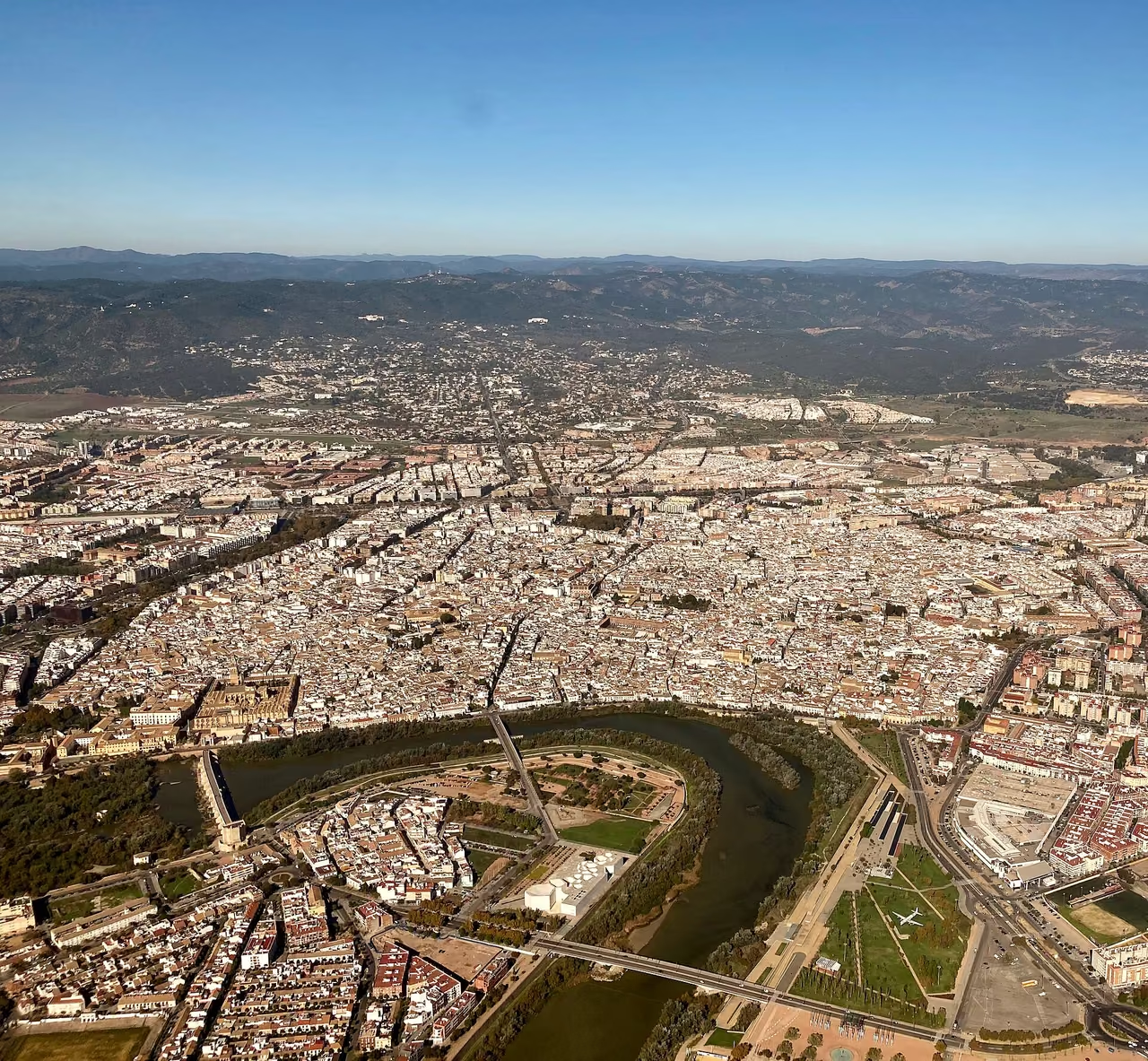 Guide live
Córdoba
The arches of the Mezquita, flower-filled patios and layered history on the Guadalquivir.
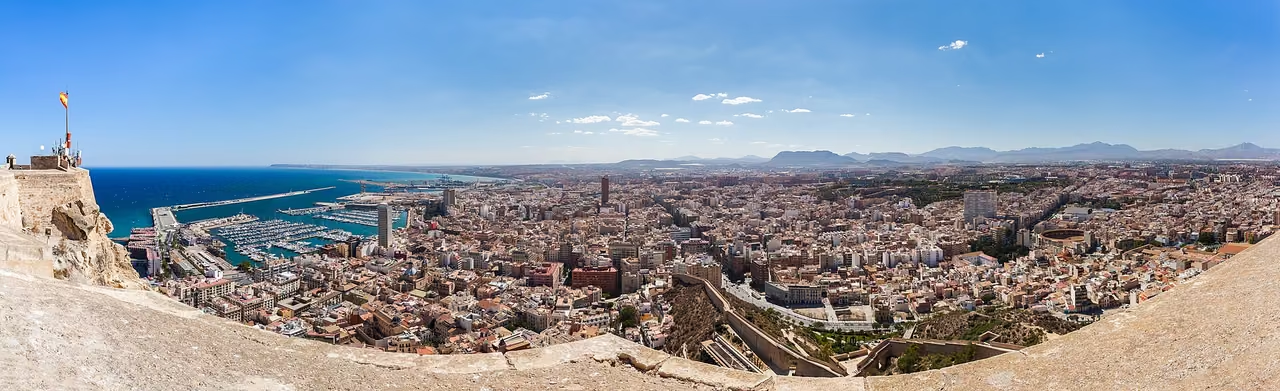 Guide live
Alicante
Santa Bárbara Castle, a palm-patterned seafront and Costa Blanca rice dishes.
 Guide live
San Sebastián
La Concha bay, Michelin stars and evenings spent hopping from bar to bar for pintxos.
 Guide live
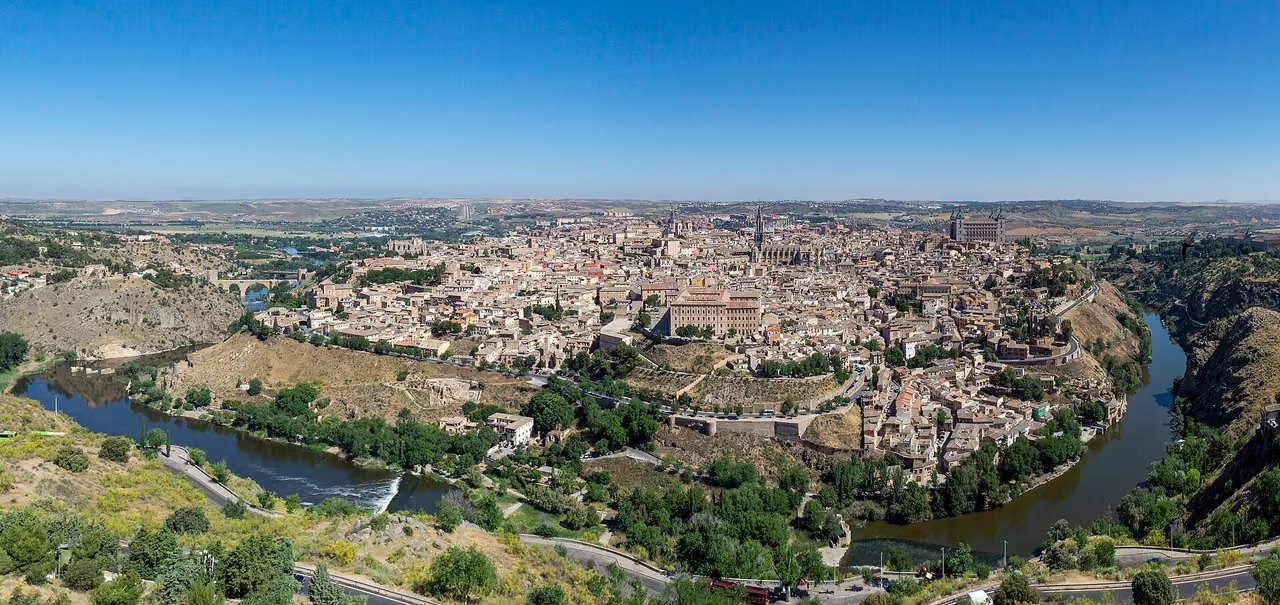
Toledo
The legacy of three cultures, El Greco and stone streets inside the bend of the Tagus.
 Guide live
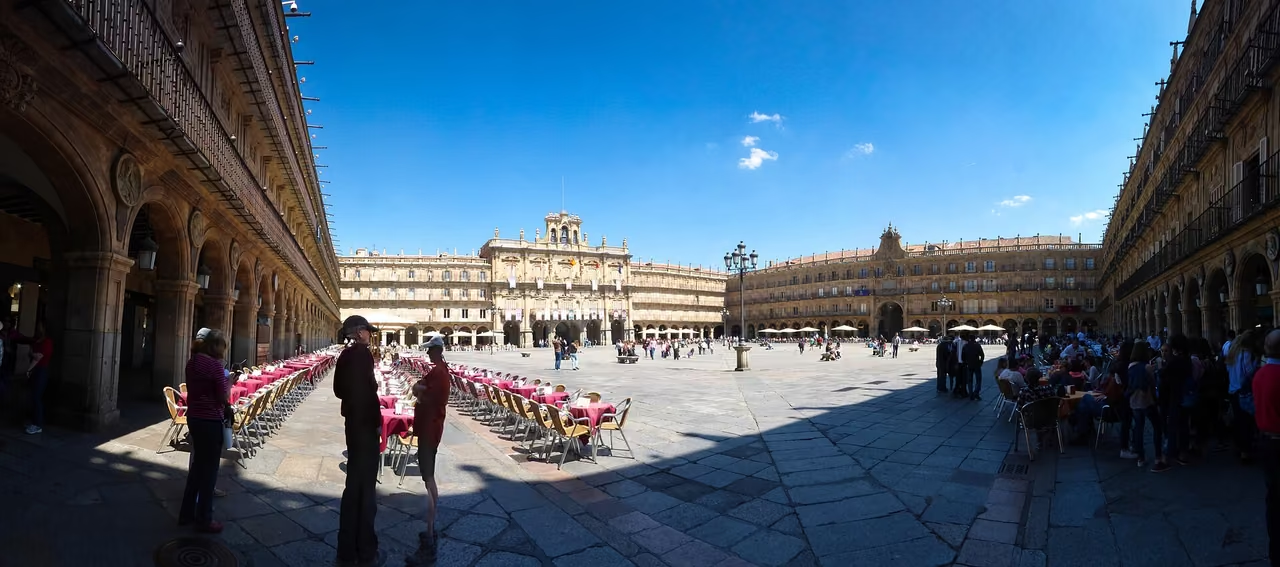
Salamanca
A golden-stoned university city, the Plaza Mayor and history that lives to a student rhythm.
 Guide live
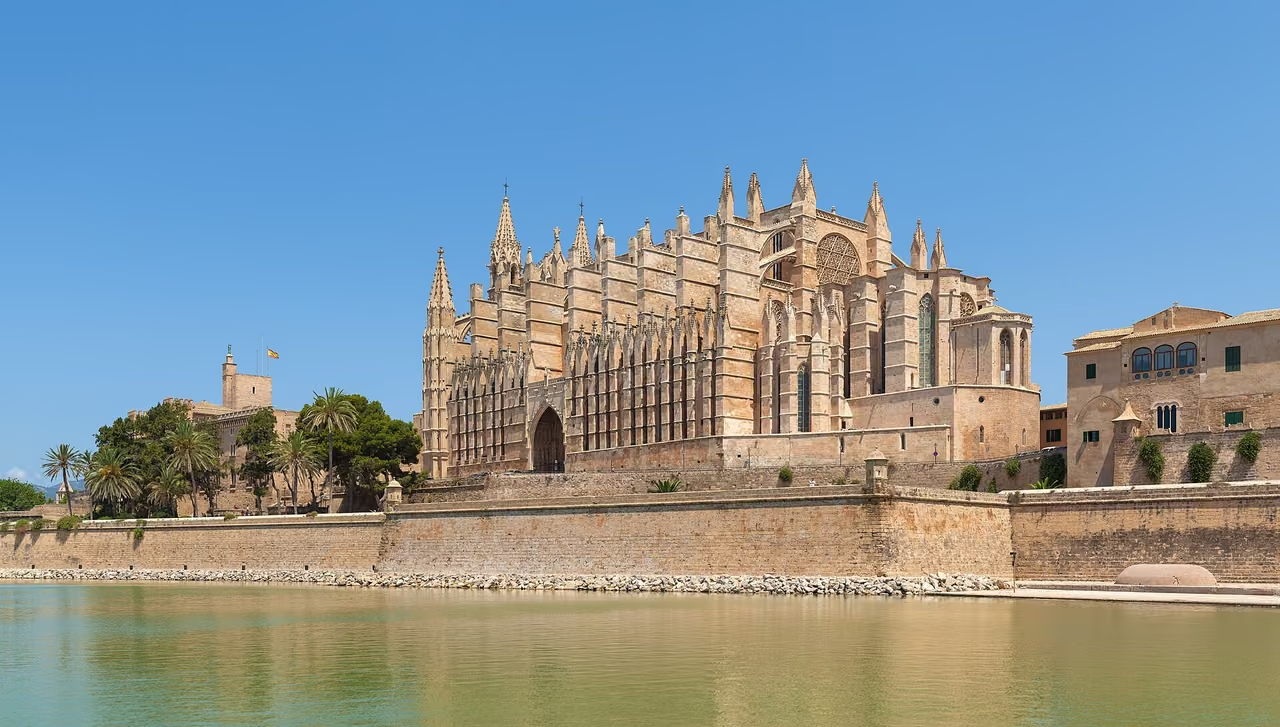
Palma de Mallorca
A Gothic cathedral, island markets and an elegant centre that opens onto Tramuntana routes.
 Guide live
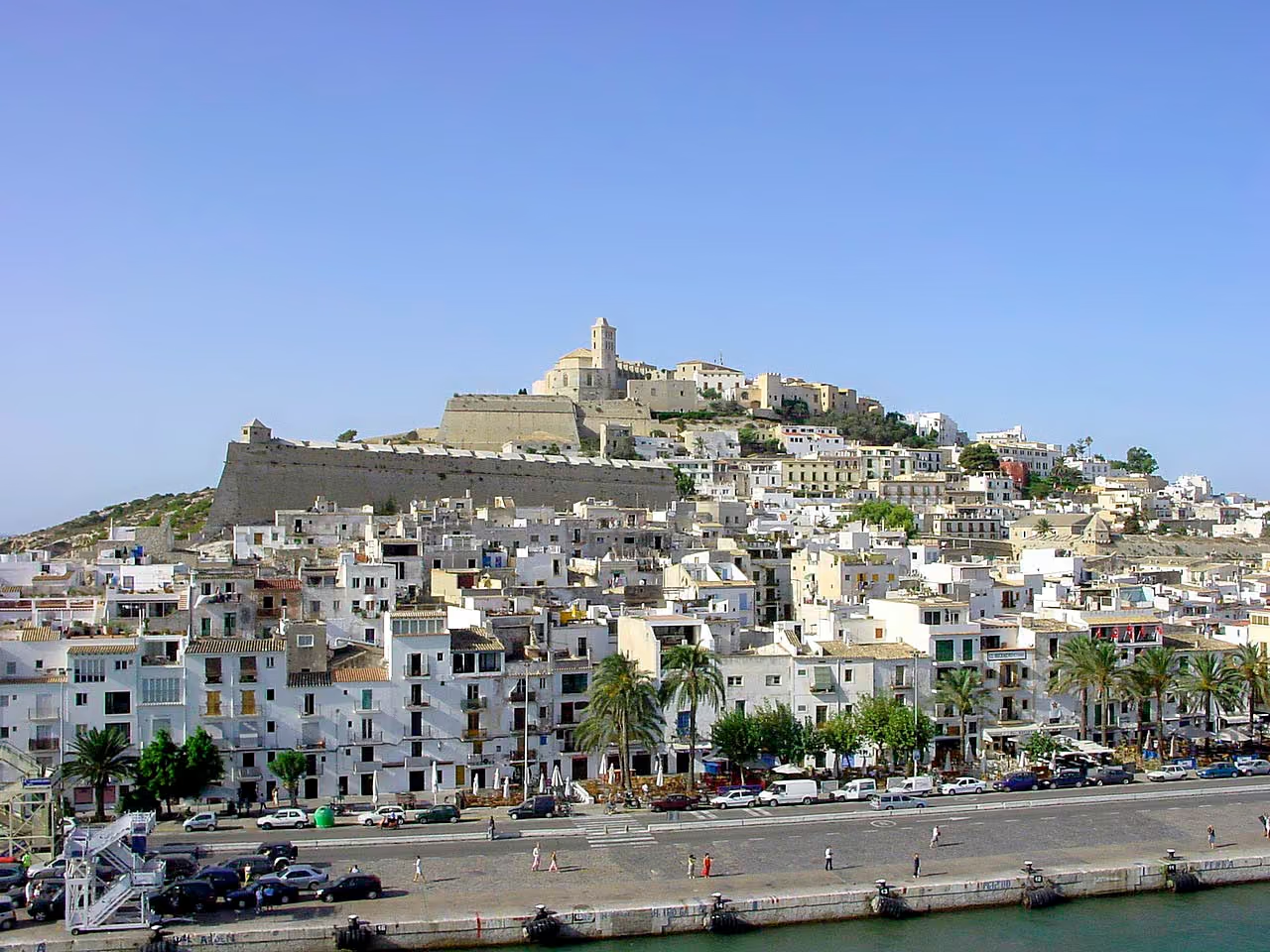
Ibiza
The walls of Dalt Vila, quiet northern coves and world-famous electronic music nights.
 Guide live
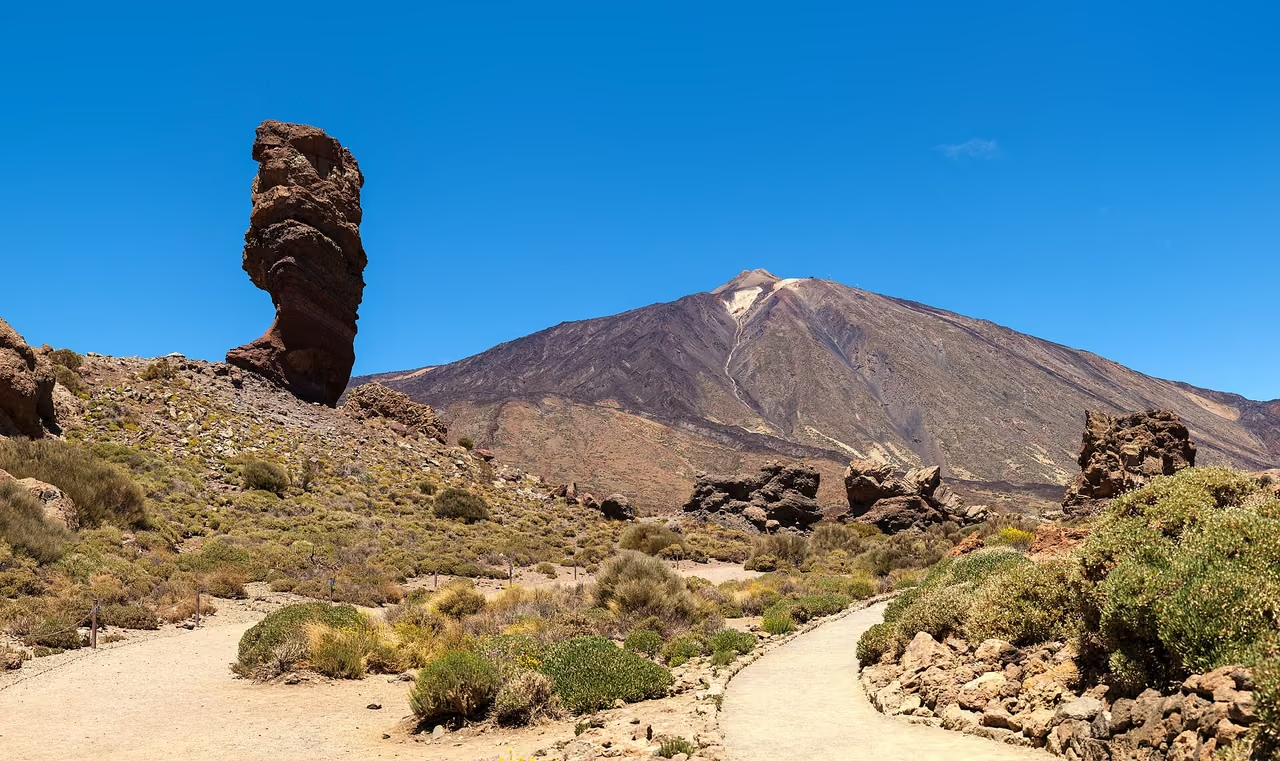
Tenerife
Teide's volcanic terrain, the Anaga trails and island climates that shift all year round.
 Guide live
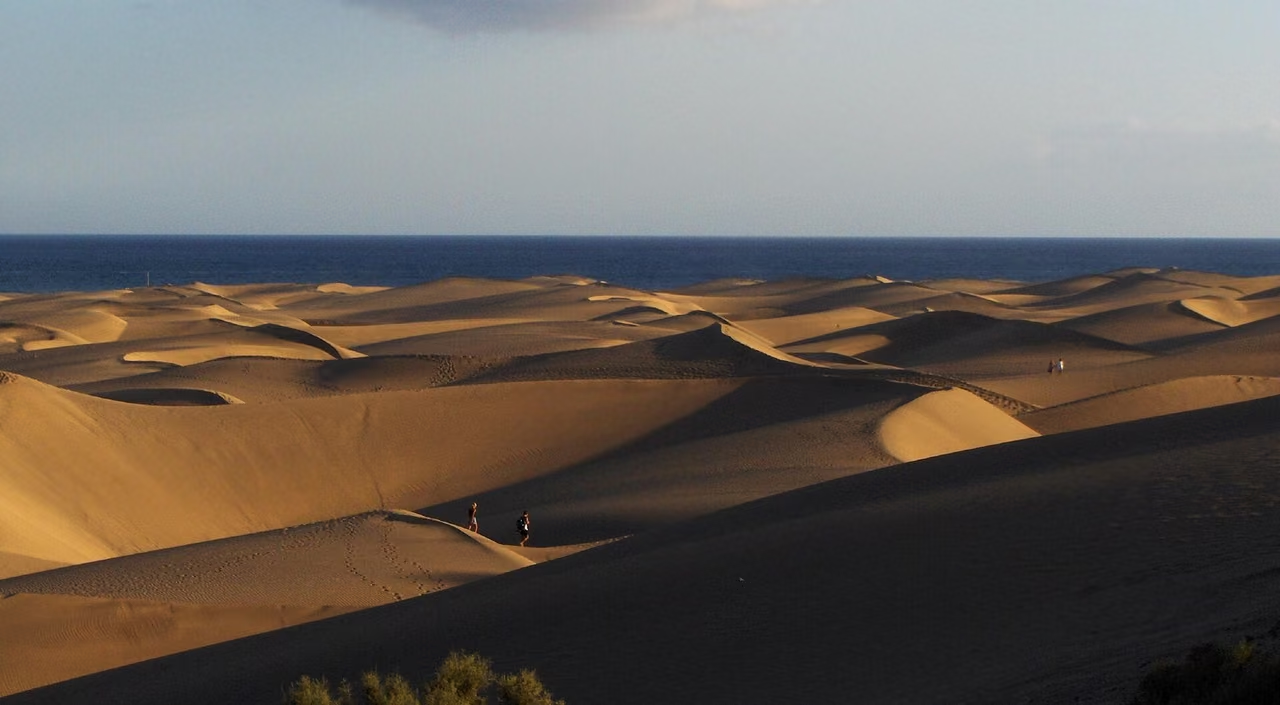
Gran Canaria
A miniature continent of Maspalomas dunes, Las Palmas neighbourhoods and mountain villages.
Image credits
- Tuxyso · source · CC BY-SA 3.0
- Mike McBey · source · CC BY 2.0
- Kmtextor · source · CC BY 4.0
- Boris Dzhingarov · source · CC BY 2.0
- Kiban · source · CC BY-SA 3.0
- PA · source · CC BY-SA 4.0
- kallerna · source · CC BY-SA 4.0
- Diego Delso · source · CC BY-SA 3.0
- 双的戏谑国 · source · CC BY 3.0
- Chensiyuan · source · CC BY-SA 3.0
- D.Rovchak · source · CC BY-SA 4.0
- Thomas Wolf, www.foto-tw.de · source · CC BY-SA 3.0 de
- Forbfruit at German Wikipedia · source · CC BY-SA 3.0
- Thomas Wolf, www.foto-tw.de · source · CC BY-SA 3.0 de