🇭🇺 Country guide
Hungary Travel Guide
A Central European route from the Danube capital to spa towns, from Ottoman traces to Balaton vineyards and the Puszta steppe.
Gateway
Budapest · BUD
Capital
Budapest
Best time
April–June · September–October · December
Budget
Moderate
Don't miss
Watching the yellow tram on the Danube embankment as the lights of Parliament come on
How to plan a route through Hungary
On a first trip, give Budapest four to five nights; add Szentendre as a day trip and Eger with at least two nights. Pécs, Szeged and Debrecen lie in three different directions from the capital; rather than doing all three as star-shaped trips on a short route, choose the southern or eastern line.
Balaton is not a single town but a 78-kilometre lake region. Balatonfüred–Tihany is the first northern base; Badacsony is the vineyard-and-volcano leg and Keszthely–Hévíz the western culture/thermal leg. Sopron in the west continues naturally to Vienna and Lake Fertő; check document and ticket requirements for international border crossings.
What to know before travelling to Hungary
Use the authorised Hungarian channel for the Schengen visa
Depending on your passport, a short tourist visit is visa-free or needs a Schengen visa, applied for according to the main-destination rule through the official external service provider authorised by Hungary. The EES keeps biometric entry–exit records; ETIAS does not replace a visa.
Use forints; don't be fooled by euro price tags
The Hungarian forint is the official currency. Cards are common, but markets and rural areas need cash. Euro prices may be converted at a poor rate; use bank ATMs, read the hidden fees and choose HUF on the terminal. At exchange offices, check the buy–sell spread before the transaction.
MÁV and BKK are not the same ticket system
MÁV runs national trains and many regional buses; BKK/BudapestGO runs the capital's transport. The HÉV beyond the city limits, the airport bus and fast/extra services may need different tickets. Keep your document offline and check platform changes with a live source.
Choose thermal baths with health and rules in mind
Each bath differs in pool temperature, children, swimwear, swimming caps, mixed days and treatment services. Don't stay in hot water for long; get medical advice if you have heart or circulation problems. Buy tickets on the official site and read whether a locker/cabin is included.
On Balaton and the Puszta, the season changes the daily plan
On Balaton, storm warning lights and the last ferry are decisive; in the Hortobágy, the heat of the open plains and the conservation rules. Don't drive or cycle after a vineyard tasting; don't leave the marked trails and official visitor centres.
7–9 days
A first trip to Hungary
Budapest five nights, Szentendre one full day, Eger two nights; a balance of the Danube, thermal baths, castles and vineyards.
6–8 days
Southern cultural cities
Roman–Ottoman–Zsolnay in Pécs, Art Nouveau and the Tisza in Szeged; two separate bases linked by train via Budapest.
8–11 days
Balaton and the western border
Two bases at Balatonfüred/Tihany and Keszthely, then Sopron–Fertő; in summer, check the last train and ferry early.
4–6 days
The east and the Puszta
Two to three nights in Debrecen and an officially guided Hortobágy day; don't reduce the open plains to a rushed photo day trip.
Practical information for Hungary
Entry requirements
Hungary is in the Schengen Area. Depending on your passport, short visits of up to 90 days in any 180 are visa-free or need a Schengen visa, applied for through Hungary's authorised official channel under the main-destination rule. The EES keeps a biometric entry–exit record at the external border; ETIAS doesn't replace a visa for travellers who need one.
Money and payments
The Hungarian forint is used; cards are common in cities, but cash may be needed for markets, rural buses, small kiosks and tips. Prices in euros may appear in tourist centres, but the rate can be unfavourable. Use bank ATMs, read independent exchange offices' commission, and choose HUF on the terminal.
Languages
Hungarian is the everyday and official language; English is more common in Budapest and tourist centres. Place names and pronunciation can look difficult at first; keep your hotel, station, thermal bath and dietary restrictions written down in Hungarian. German can help near the western border and in tourism.
Phones, internet and apps
MÁV is the main source for domestic trains and many regional buses, and BKK/BudapestGO for Budapest. The HÉV suburban line, the airport bus and national tickets may have different rules. On Lake Balaton and in small towns, save the last train/bus offline; during maintenance and strikes, prioritise official live information.
Budget
Budget separately for trains outside Budapest, thermal baths, vineyard transfers and Balaton seasonal prices; don't mistake old forint figures for current prices.
On a budget plan, think guesthouses/hostels, daily menus, public transport and free walks; mid-range brings central rooms, thermal baths, trains and a selected wine experience; a comfortable plan features boutique hotels, taxis/private transfers and long dinners. Formula 1, Sziget, New Year and Balaton summer prices exceed the national average.
Cities and regional routes to visit in Hungary
The places to visit in Hungary go far beyond Budapest's Danube and thermal baths. Szentendre offers art and Serbian heritage; Eger its castle, Ottoman traces and vineyards; Pécs layers of Roman, Ottoman and Zsolnay history. Szeged is the Tisza and Art Nouveau, Debrecen the Reformed tradition and the gateway to the Hortobágy. Lake Balaton combines north-shore vineyards and towns, while Sopron joins a Roman–medieval centre with the Fertő border landscape.
Original guides are live for all 8 cities
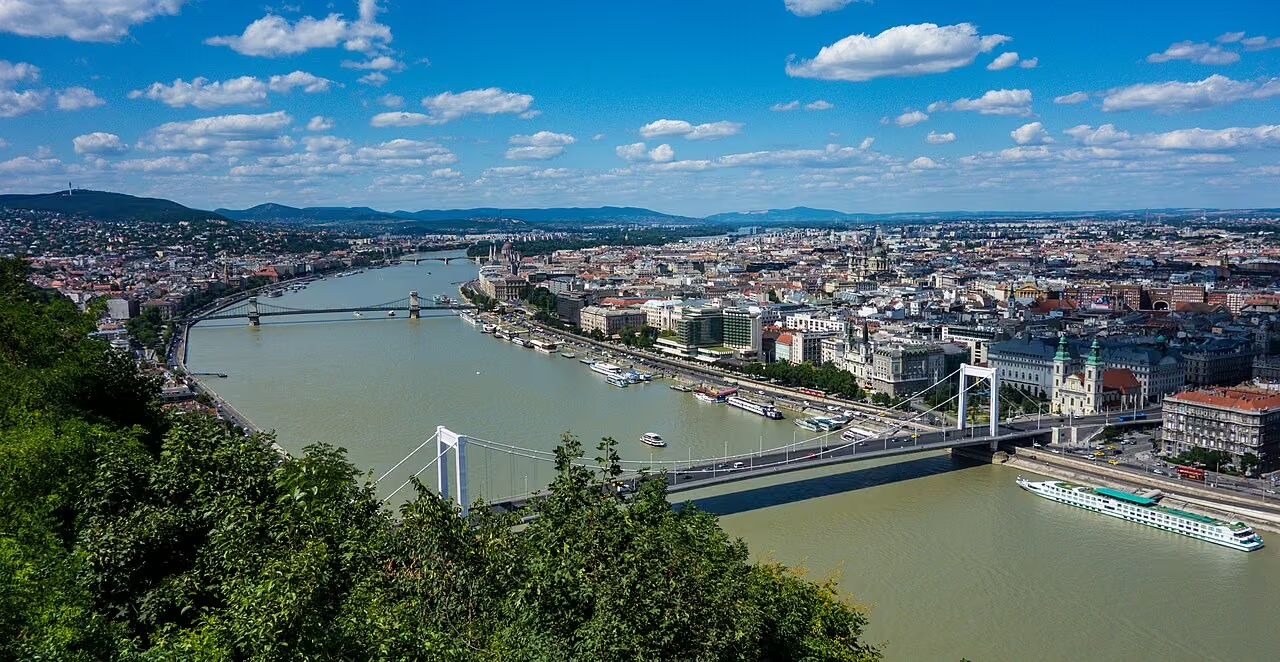 Guide live
Budapest
The Danube, Parliament, the Buda hills, thermal baths and layered neighbourhood life.
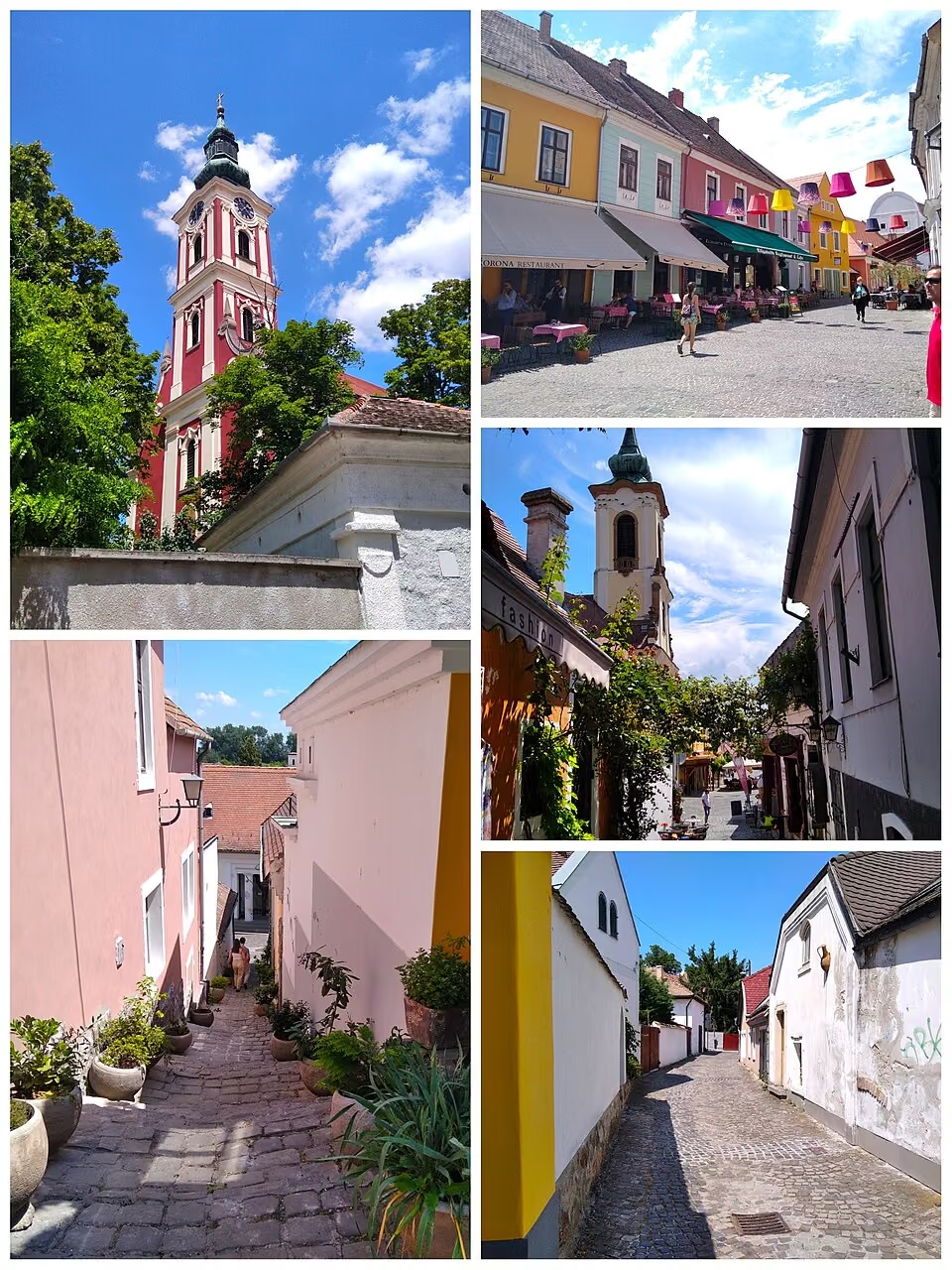 Guide live
Szentendre
Pastel baroque streets on the Danube, Serbian churches, galleries and an open-air museum.
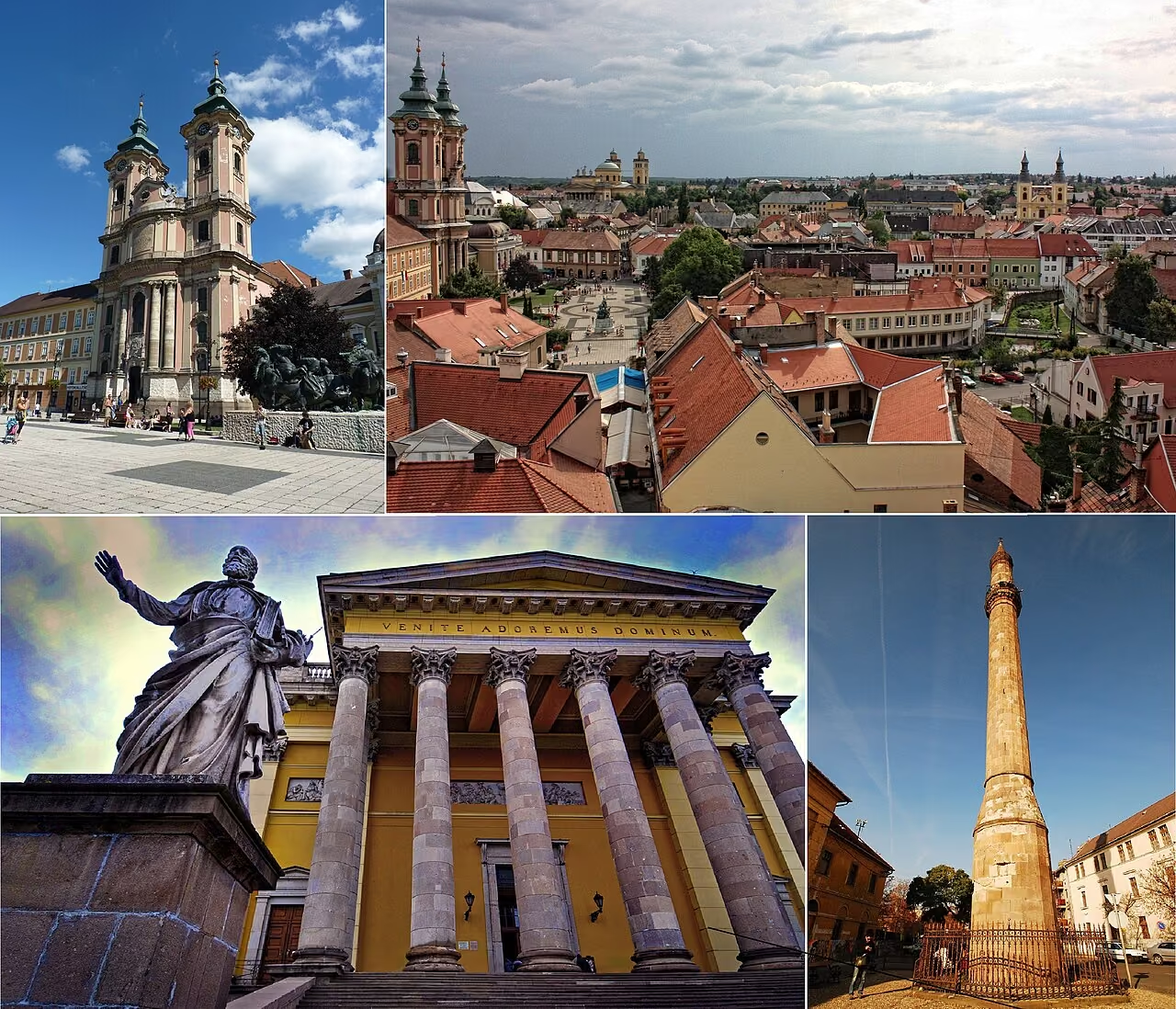 Guide live
Eger
Eger Castle, an Ottoman minaret, a baroque centre, thermal water and a valley of wine cellars.
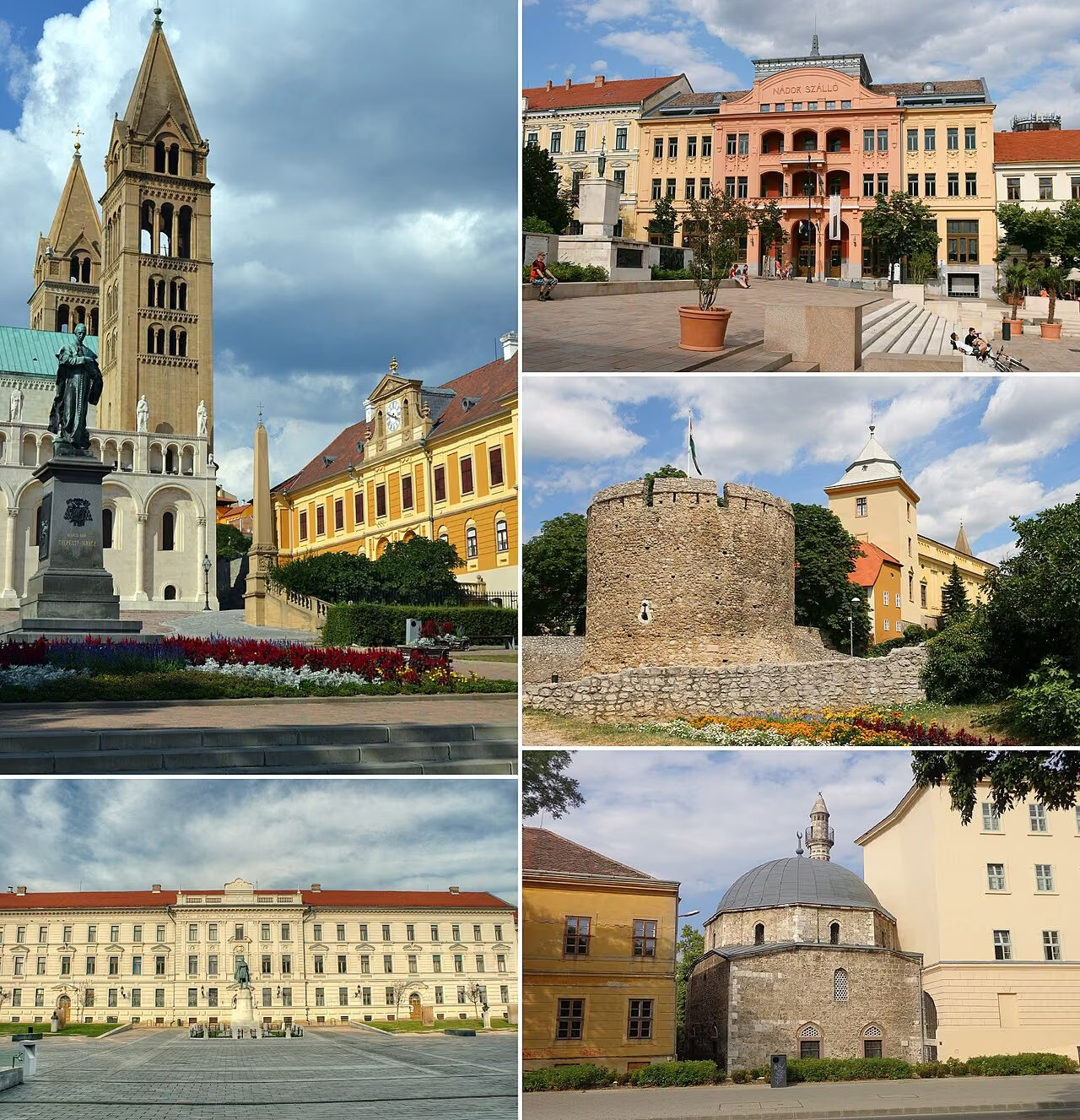 Guide live
Pécs
Roman tombs, Ottoman buildings, Zsolnay ceramics and the foothills of the Mecsek.
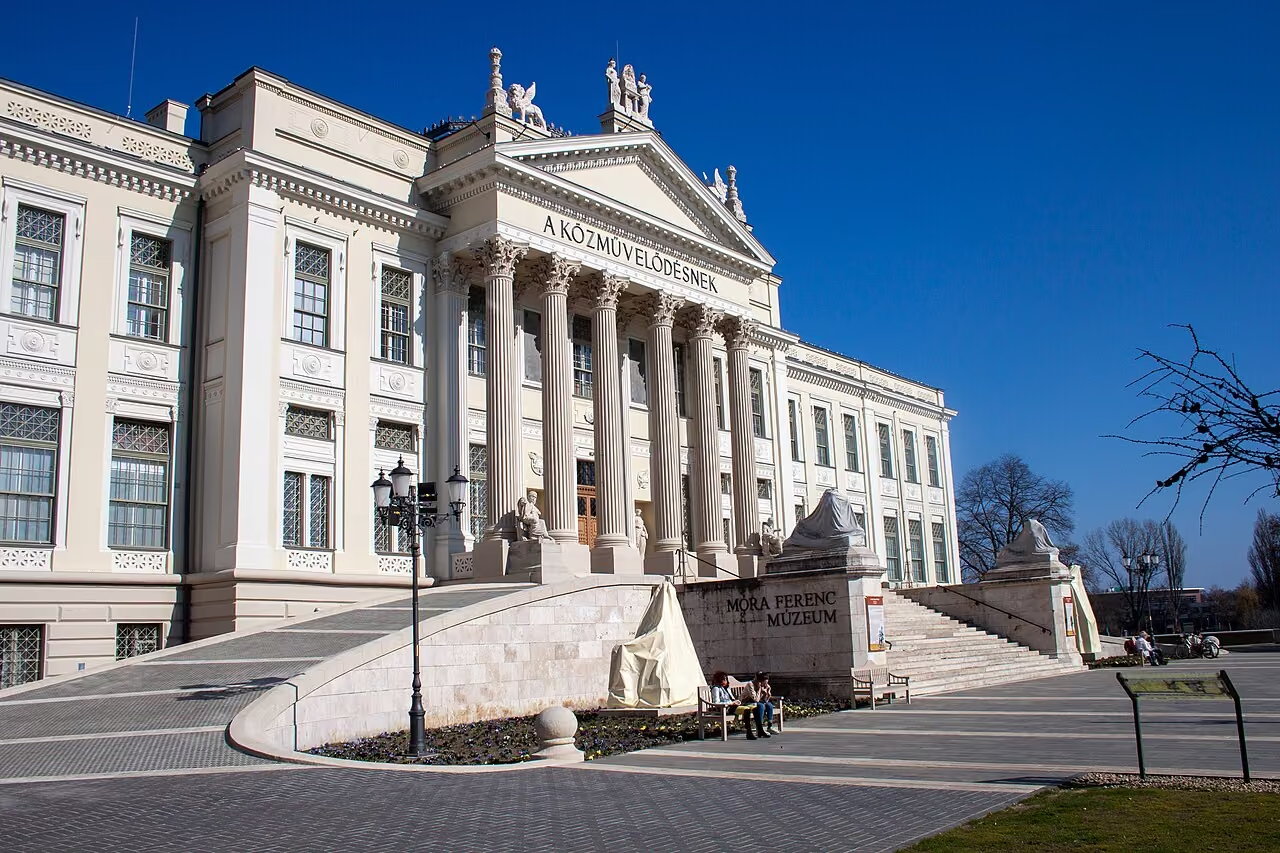 Guide live
Szeged
The banks of the Tisza, boulevards built after the great flood, Art Nouveau and paprika cuisine.
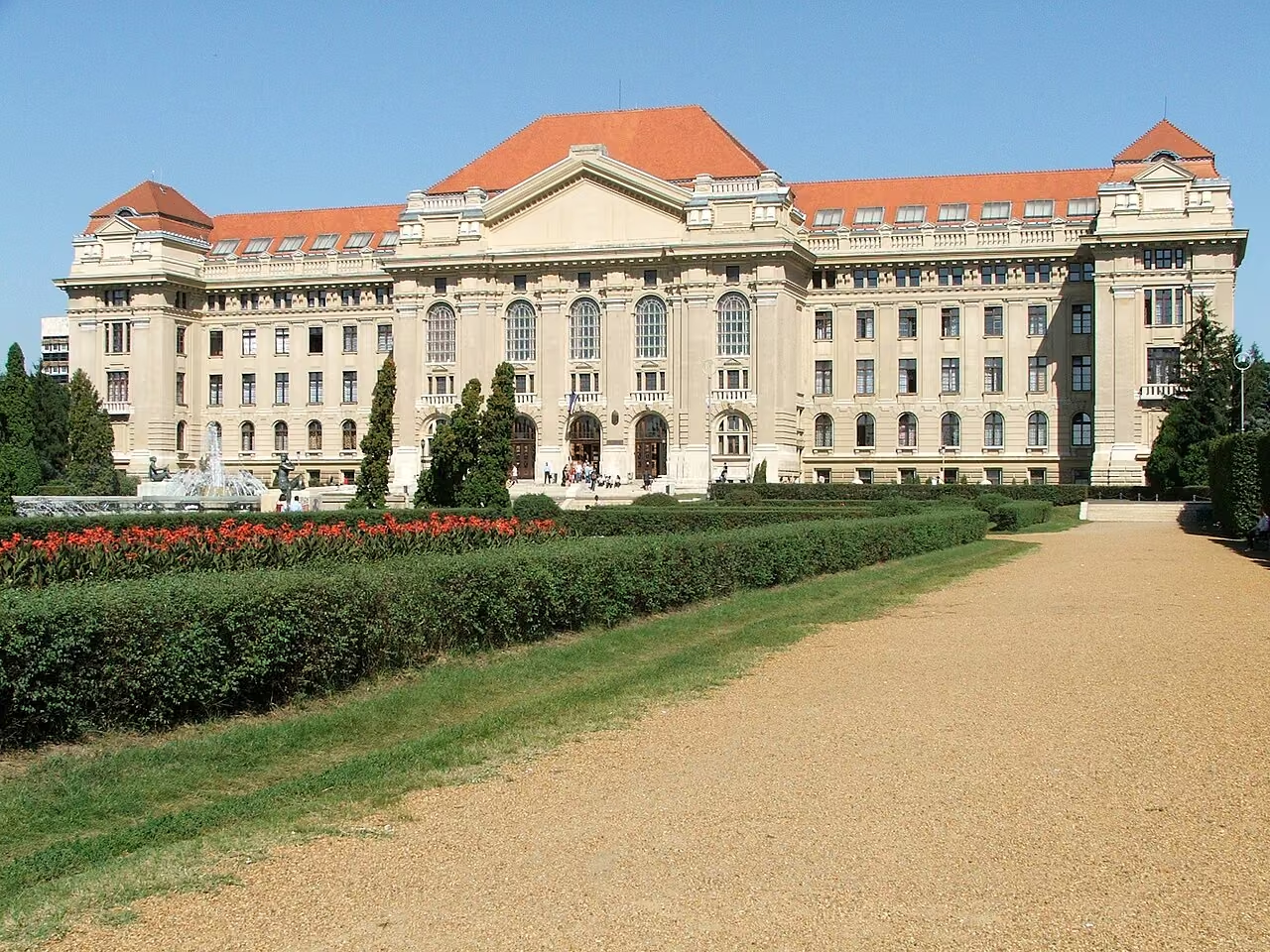 Guide live
Debrecen
The Reformed Great Church, the university, a thermal park and an eastern gateway to the Hortobágy steppe.
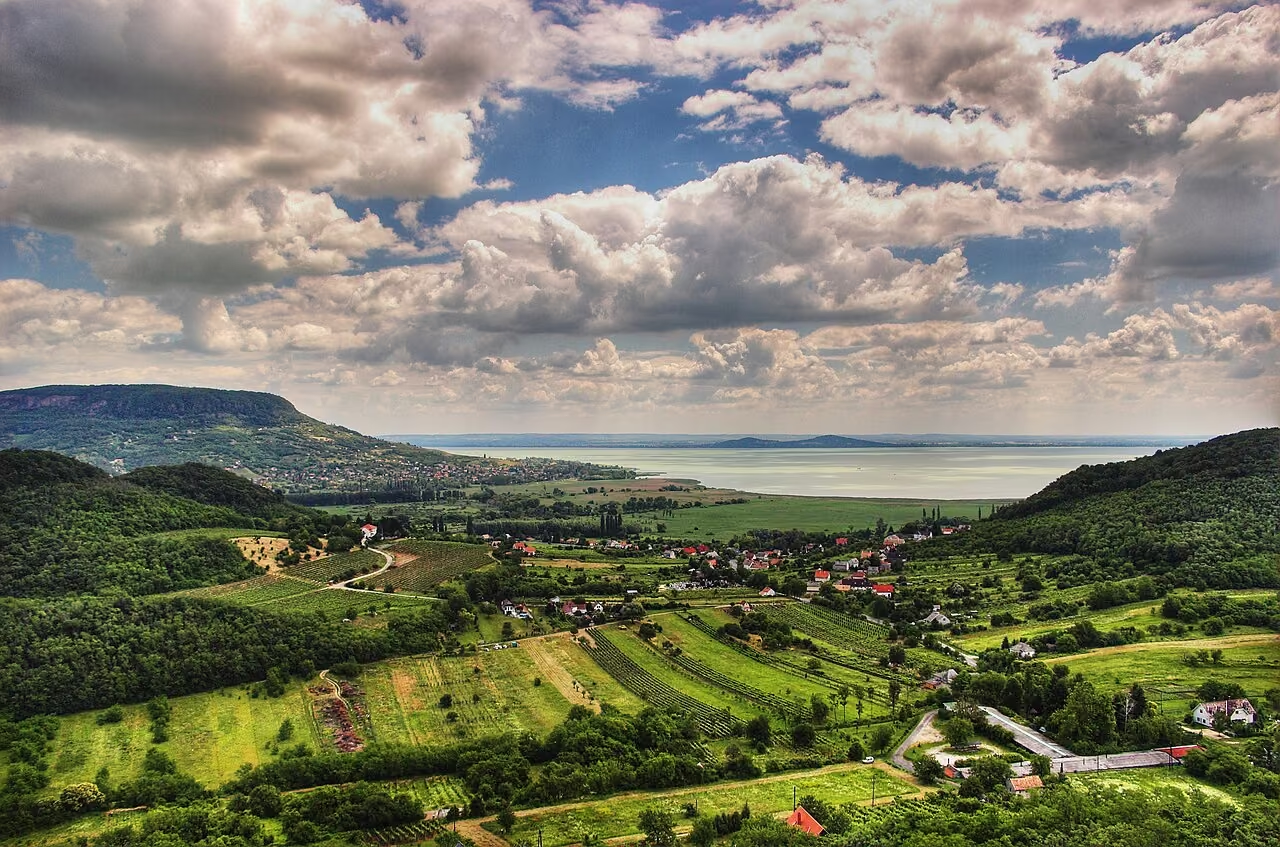 Guide live
Lake Balaton
A large lake region linking Tihany, Badacsony, Keszthely and the vineyards of the north shore.
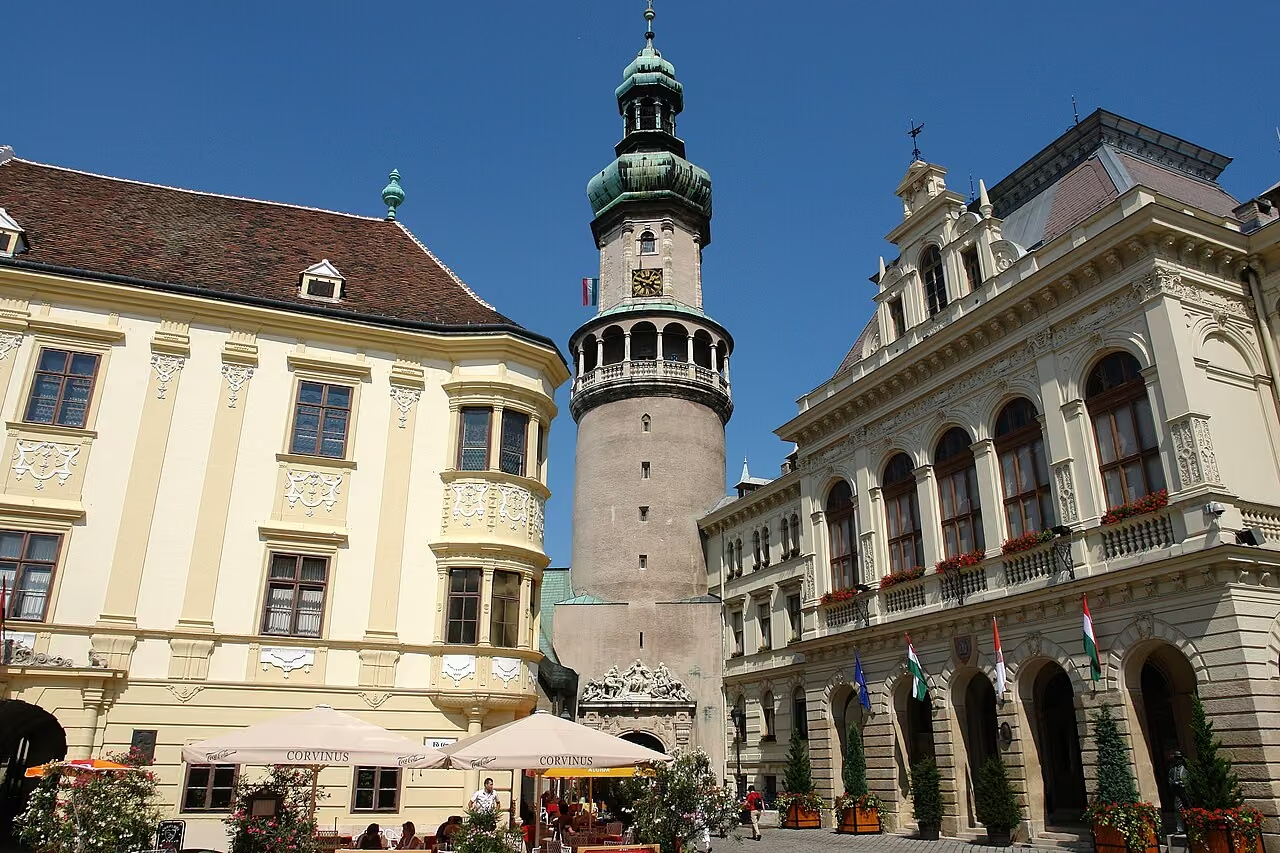 Guide live
Sopron
A Roman and medieval centre, Kékfrankos vineyards and the gateway to the Fertő border landscape.
Image credits
- Visions of Domino · source · CC BY 2.0
- SNRTZ Minden kép saját · source · CC BY-SA 4.0
- Imoti95 · source · CC BY-SA 4.0
- Imoti95 · source · CC BY-SA 4.0
- Björn Láczay · source · CC BY 2.0
- txd · source · CC BY 2.0
- Thaler · source · CC BY-SA 3.0