🇬🇷 Country guide
Greece Travel Guide
A route linking the Aegean and the Mediterranean, from ancient cities to Byzantine and Ottoman heritage, from large islands to monastery-topped rocks.
Gateway
Athens · ATH
Capital
Athens
Best time
April–June · September–October
Budget
Moderate
Don't miss
From the first light on the Acropolis to the white streets of the Aegean islands
How to plan a route through Greece
On a first trip, give Athens four to five nights and choose just one island cluster. Santorini–Mykonos can be linked by seasonal ferry; Crete, Rhodes and Corfu are separate, distant flight/ferry legs.
On a northern route, give Thessaloniki three to four nights and Meteora two to three. Check the Athens–Thessaloniki train and the Kalambaka connection in current Hellenic Train notices; leave a buffer for strikes and schedule changes.
What to know before travelling to Greece
Check the Schengen entry rules for your passport
In the Greek Foreign Ministry's country table, visa requirements vary by nationality and passport type. If you need a visa, apply only through the official mission and authorised external service provider when Greece is your main destination.
The ferry ticket is the centre of your route plan
Piraeus, Rafina, Lavrio and the island ports are not interchangeable. Confirm the ship, port, check-in, luggage and car space. The meltemi wind, strikes or technical issues can change sailings; leave a night in between before a flight.
The euro is used; islands call for a cash reserve
Cards are common, but small islands, family tavernas, beaches and buses may need cash. Choose euros at ATMs; ask about bread/cover charges, fish priced by the kilo, sunbeds and service charges before ordering.
Don't apply the same rules to archaeological and religious sites
Museums and archaeological sites are subject to timed tickets and closures; monasteries and churches to dress, worship and photography rules. Sites may close temporarily in summer heat; follow official notices.
On island vehicles, experience and insurance matter
Scooters/ATVs, narrow roads and wind carry a serious accident risk. Confirm licence, helmet and insurance cover in writing; if you're inexperienced, use buses/taxis. On boat tours, look for a licence and life jackets.
8–11 days
A first trip to Greece
Athens four to five, Meteora two to three nights; add only one of Delphi or Sounion.
6–9 days
Northern Greece
Thessaloniki four, Kalambaka/Kastraki three nights; plan Vergina as a separate full day.
8–11 days
The Cyclades
Three to four nights per island, a seasonal ferry in between and one weather buffer.
Practical information for Greece
Entry requirements
Greece is in the Schengen Area. According to the Greek Ministry of Foreign Affairs' country table, short visits of up to 90 days within 180 are visa-free or need a Schengen visa depending on your passport. If you need one and Greece is your main destination, apply only through the authorised official channel; a valid visa isn't an automatic guarantee of entry at the border.
Money and payments
The euro is used. Cards are common in cities, hotels and large businesses; cash may be needed on small islands, at markets, on buses, at beaches and in family tavernas. Choose euros at ATMs and card terminals, and ask about the business's card/receipt policy and service charge before ordering.
Languages
Greek and the Greek alphabet are official. English is common in tourist areas, but saving the Greek spelling of place names offline is useful for island buses, small villages and port announcements. Follow dress, silence and photography rules at religious buildings.
Phones, internet and apps
Hellenic Train is used on Athens–Thessaloniki and some mainland lines, while separate ferry/airline operators serve the islands. Wind, strikes or technical issues can change ferries and flights; check the port name, shipping company, check-in time and the last local bus with official sources, and keep documents offline.
Budget
List island flights or ferries, baggage, beach services and archaeological tickets separately; don't apply Santorini and Mykonos summer prices to the mainland as a whole.
On a budget plan, think rooms outside the centre, bakeries/tavernas, buses and selected archaeology; mid-range brings central accommodation, museums, ferries and an island boat trip; a comfortable plan features boutique hotels, good restaurants and private transfers. Island prices rise sharply at Easter, in July–August and on cruise days.
Cities, islands and history routes to visit in Greece
The places to visit in Greece go far beyond a single island holiday. Athens opens up classical heritage and neighbourhood life, Thessaloniki Roman, Byzantine and Ottoman layers. Santorini and Mykonos are different Cycladic experiences; Crete is a long island route in its own right. Rhodes combines medieval walls, Corfu Ionian and Venetian heritage, and Meteora living monasteries with a mountain landscape on the mainland.
Original guides are live for all 8 cities
 Guide live
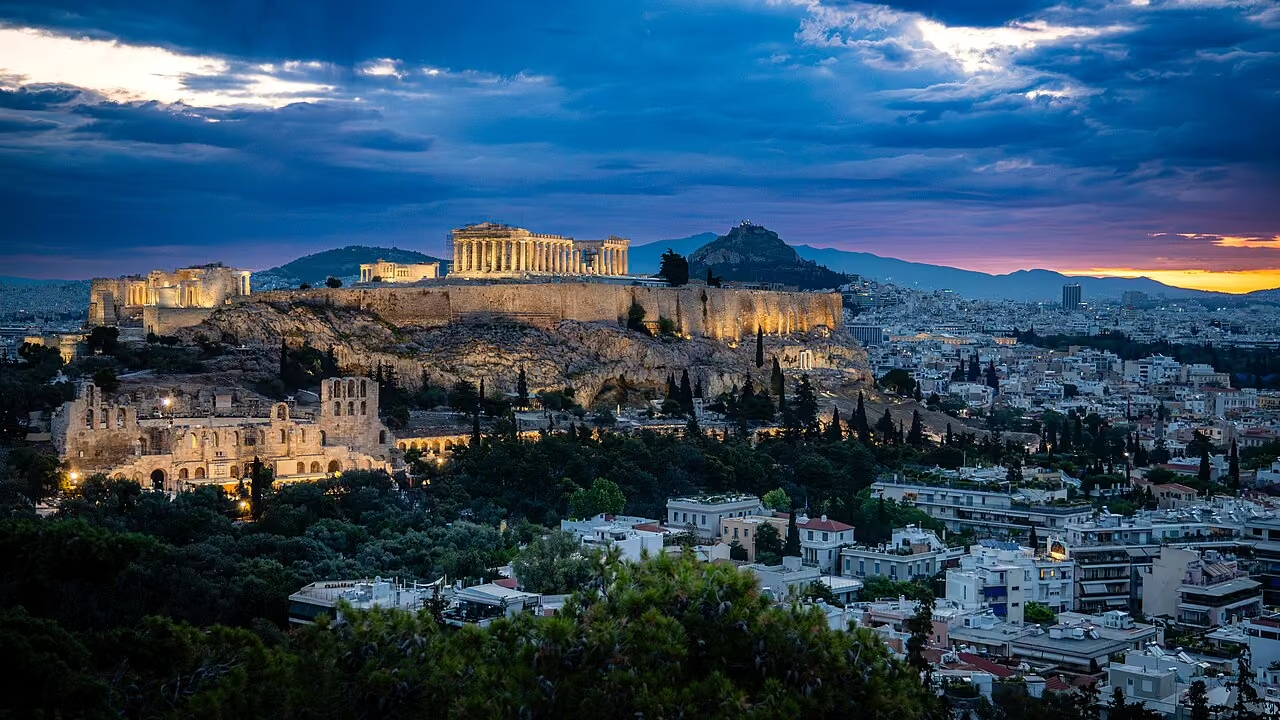
Athens
A layered capital of the Acropolis, ancient agoras, world-class museums and lively neighbourhoods.
 Guide live
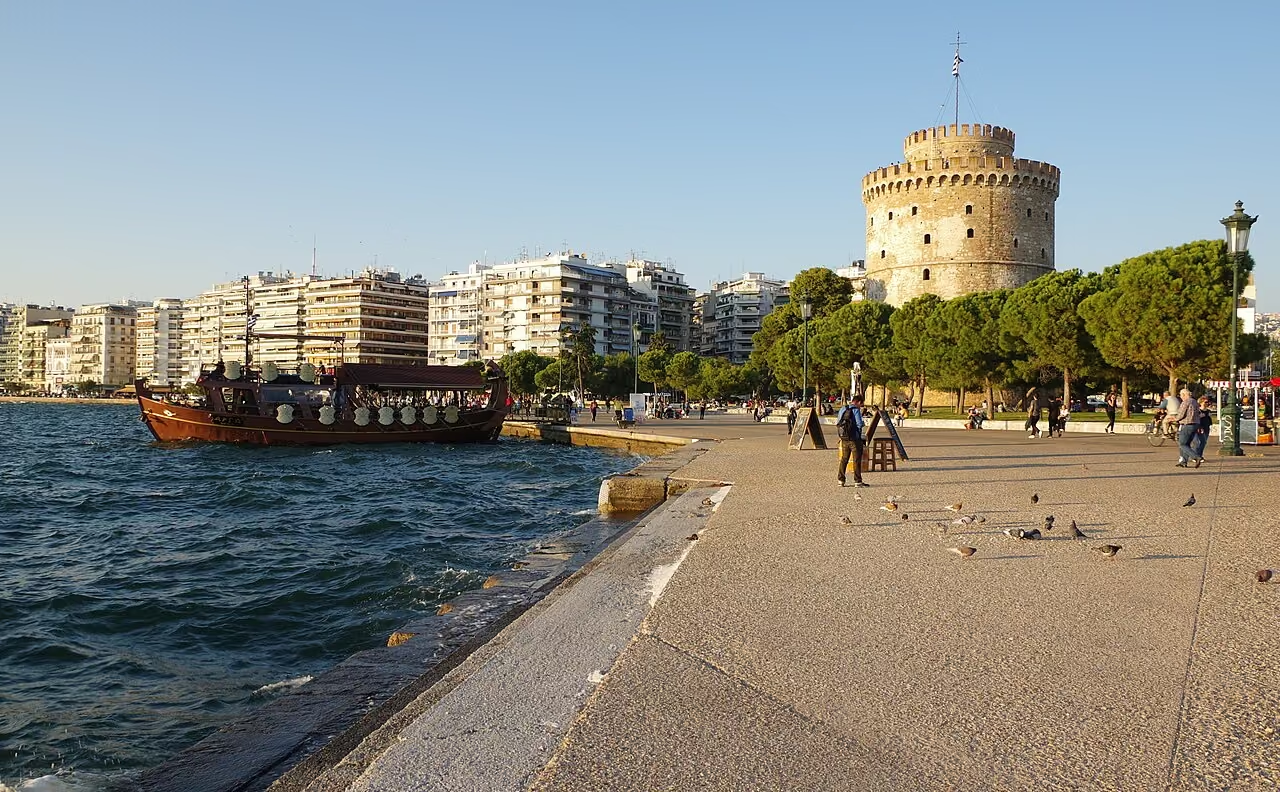
Thessaloniki
A port city bringing Roman, Byzantine, Ottoman and Jewish heritage together with northern cuisine.
 Guide live
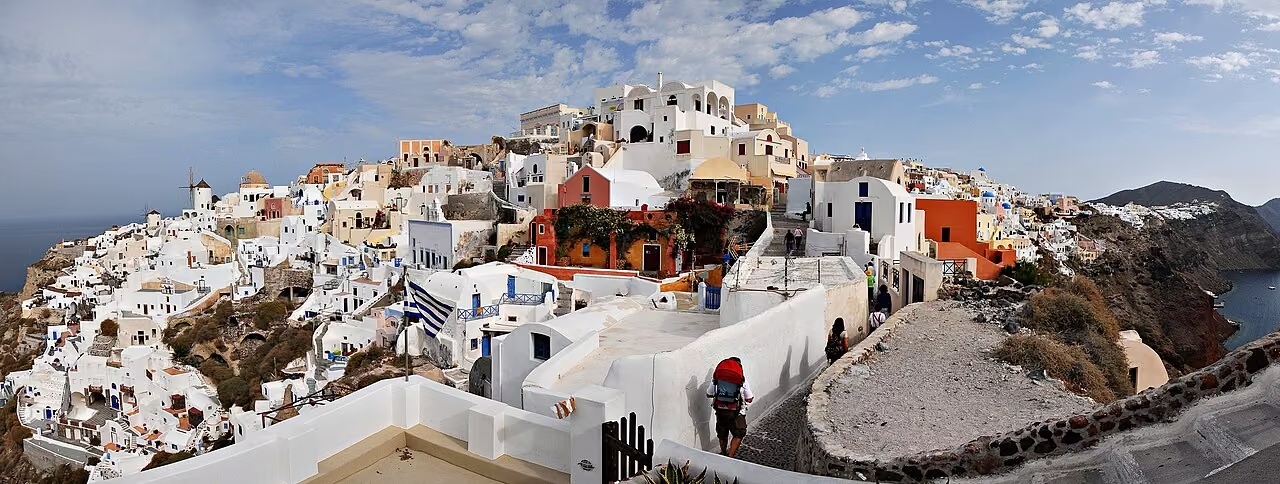
Santorini
Caldera villages, volcanic vineyards, Akrotiri and dramatic Aegean sunsets.
 Guide live
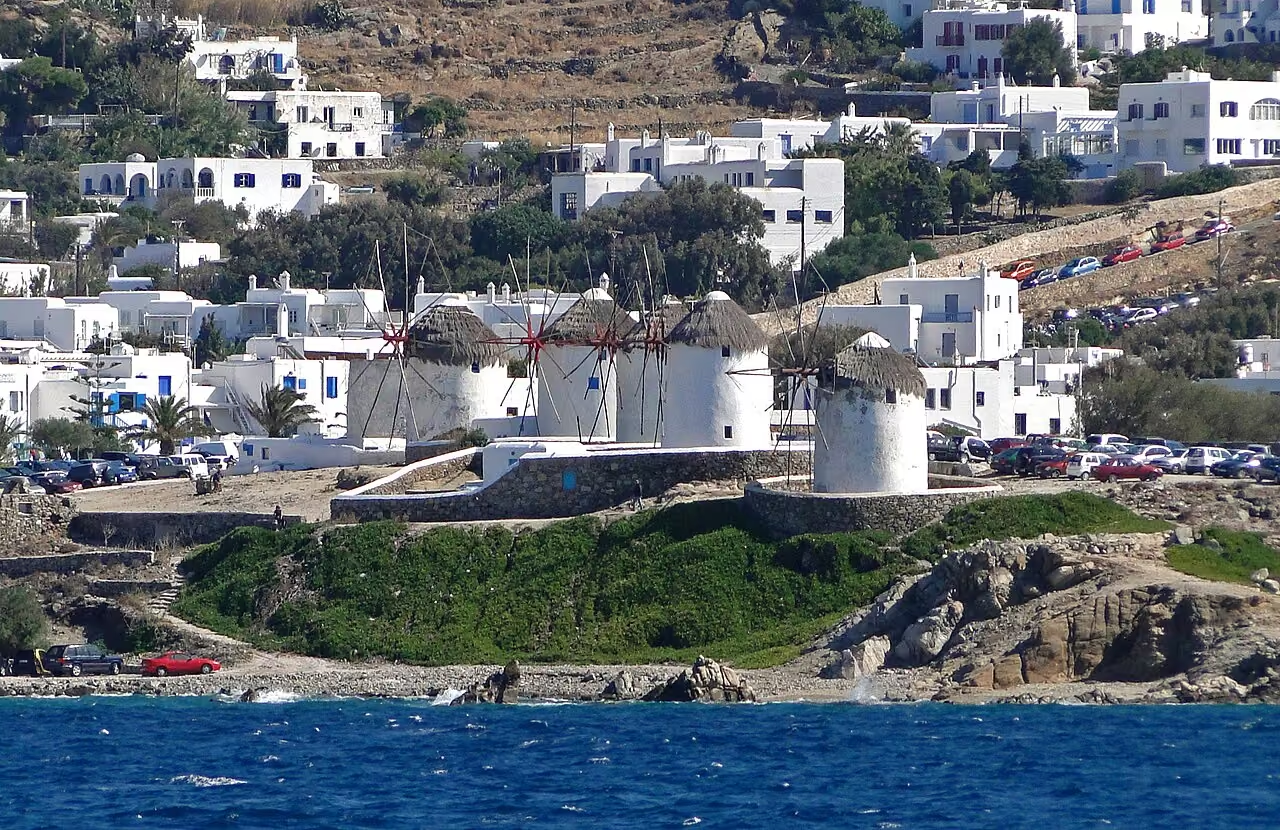
Mykonos
White Cycladic streets, windmills, Delos and a lively island nightlife.
 Guide live
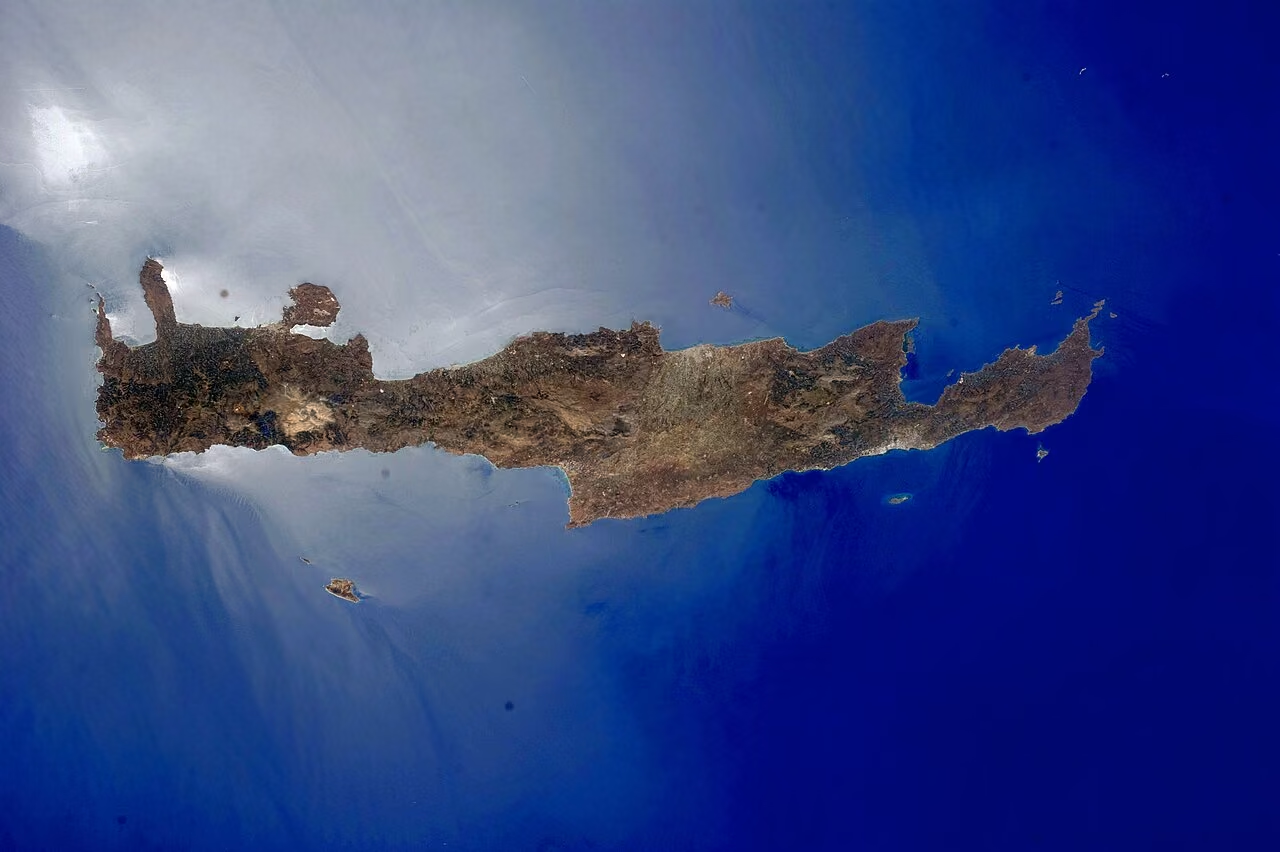
Crete
Minoan palaces, Venetian harbours, great gorges and a distinctive island cuisine.
 Guide live
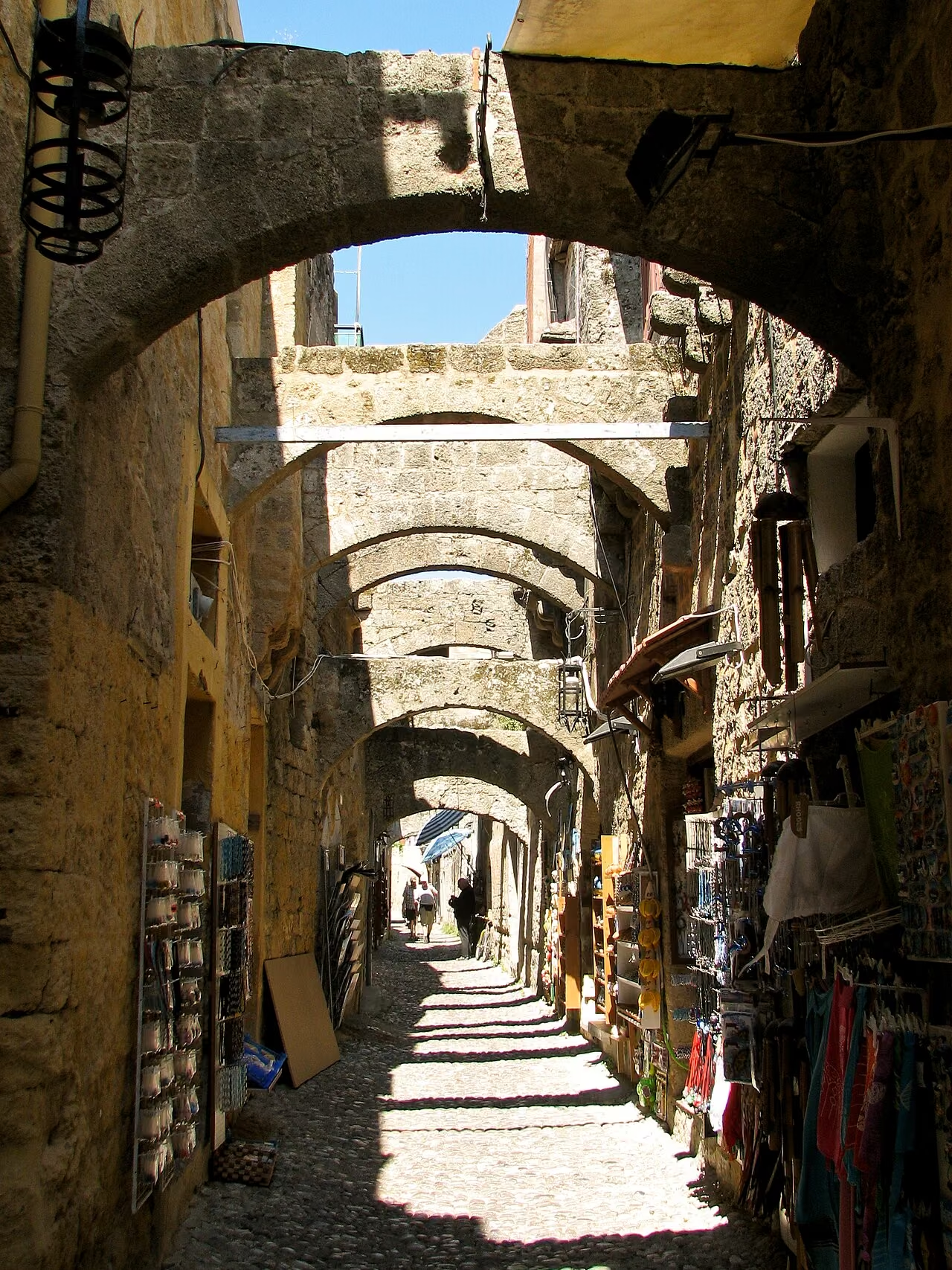
Rhodes
The Knights' walls, the Acropolis of Lindos, rural villages and long Aegean coasts.
 Guide live
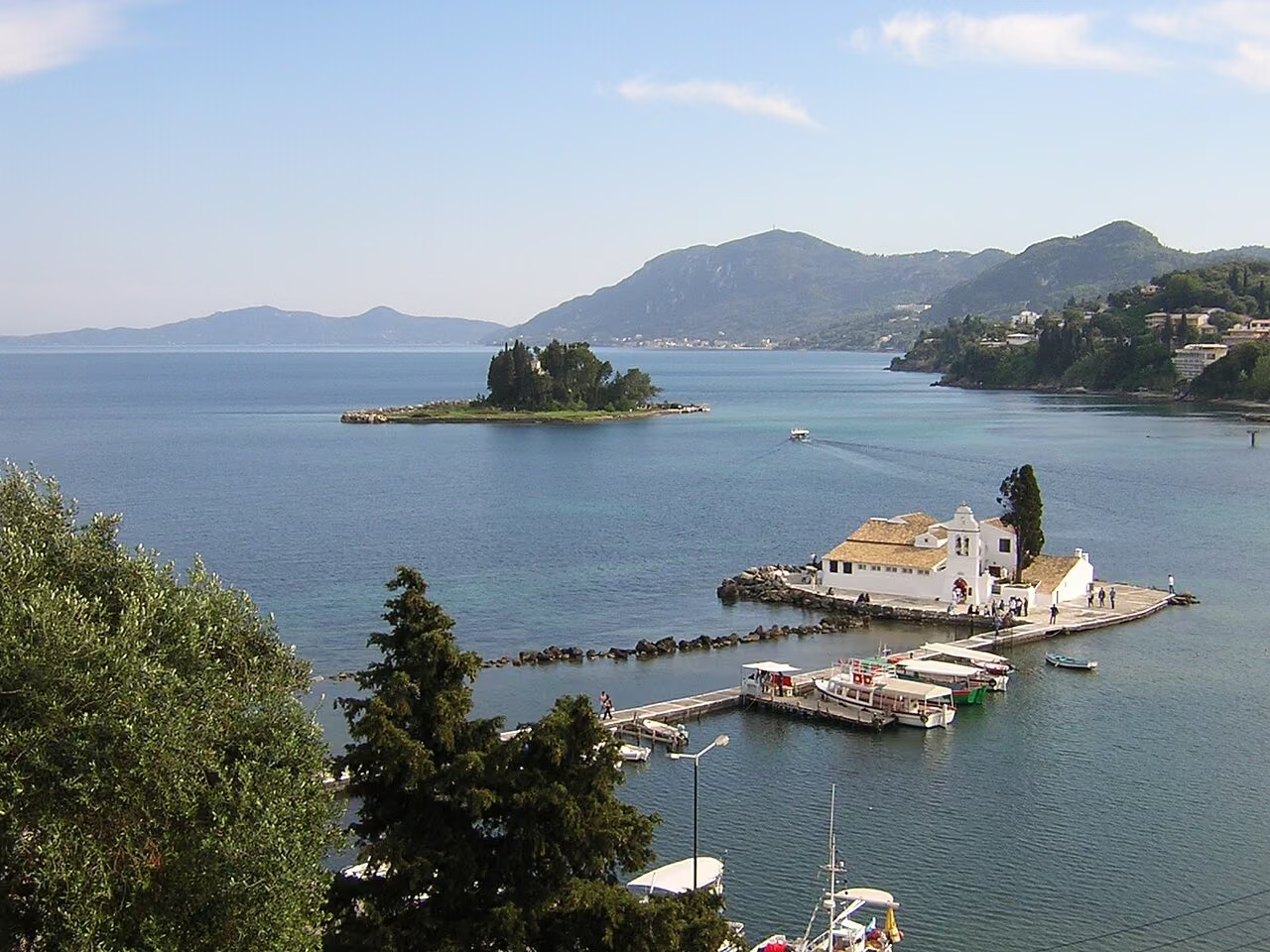
Corfu
A Venetian town, green olive groves, Ionian coves and a many-layered island culture.
 Guide live
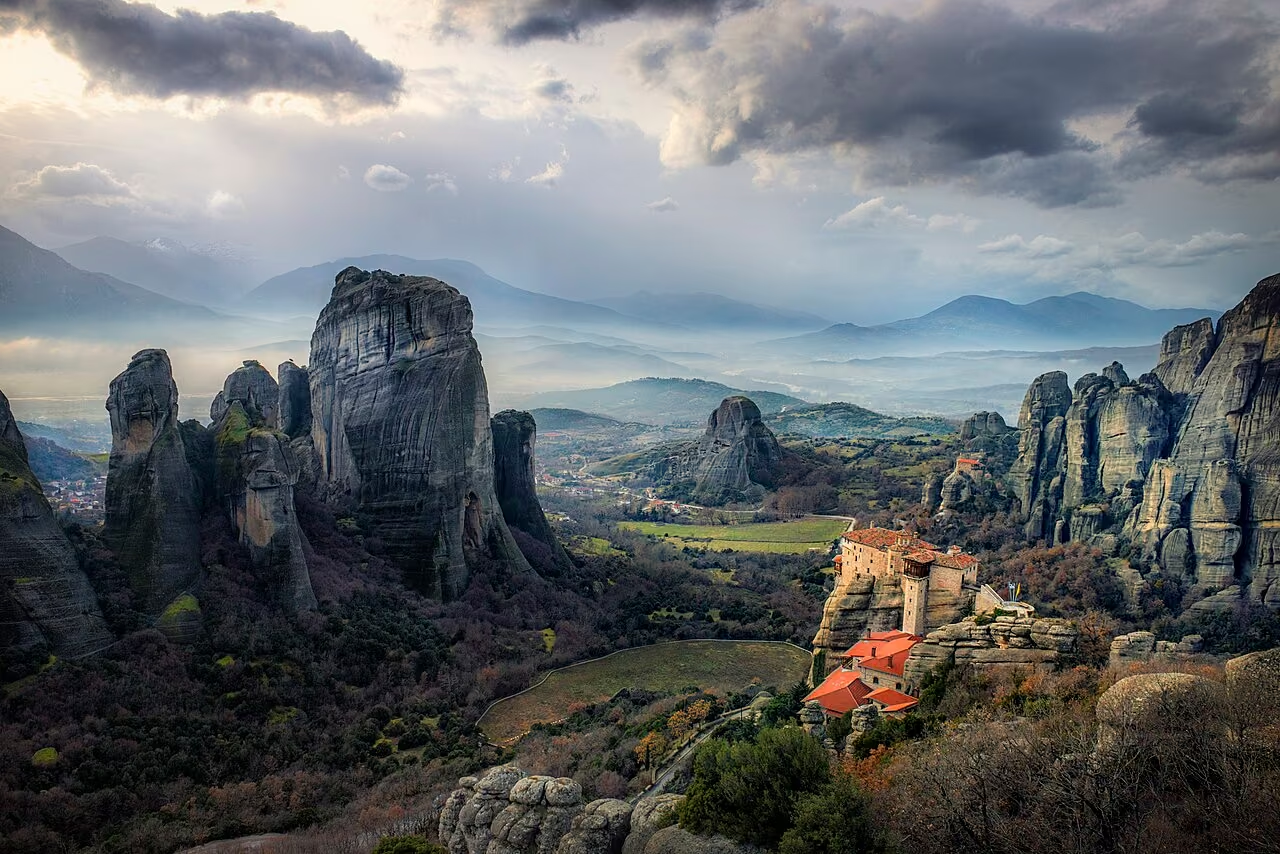
Meteora
Living monasteries on giant rock pillars and historic trails in Thessaly.
Image credits
- Andrew Parlette · source · CC BY 4.0
- Berthold Werner · source · CC BY-SA 3.0
- Mstyslav Chernov · source · CC BY-SA 3.0
- Bernard Gagnon · source · CC BY-SA 3.0
- Norbert Nagel, Mörfelden-Walldorf, Germany · source · CC BY-SA 3.0
- Stathis floros · source · CC BY-SA 4.0