🇬🇧 Country guide
United Kingdom Travel Guide
World-class museums, music cities, stone villages in the countryside and dramatic northern landscapes.
Gateway
London · LHR
Capital
London
Best time
May–June · September
Budget
High
Don't miss
Watching the sunset from Calton Hill in Edinburgh
How to plan a route through the United Kingdom
Don't plan the United Kingdom as just London plus a few day trips. London opens up world-class museums and neighbourhood cuisines; England's university and historic cities different eras; Manchester–Liverpool the industrial, music and football culture of the north; Edinburgh–Glasgow Scotland's contrast between history and contemporary art; and Belfast and Cardiff the distinct identities of Northern Ireland and Wales.
Rail is strong on the London–York–Edinburgh and London–Manchester–Liverpool backbones; Advance tickets are time-specific and more restrictive, while Off-Peak can be flexible. The Highlands, the Cotswolds and the Lake District are not single cities: they are rural regions that need weather planning, infrequent buses, a car and at least a few nights.
What to know before travelling to the United Kingdom
Check whether you need a visa or an ETA
Visa nationals need a Standard Visitor visa before travel, while most other visitors need an Electronic Travel Authorisation (ETA); an ETA does not replace a visa. Confirm your personal passport and travel purpose only through GOV.UK.
Read the type of train ticket
Advance is usually for a specific train, Off-Peak has time restrictions and Anytime offers more flexibility. Check the station name, operator, railcard eligibility and connections on National Rail; keep your passenger rights in case of delays.
London's contactless system is not nationwide
On TfL the daily cap with a bank card or phone is handy; each passenger must use a separate payment method, and the same one at both ends of the journey. Don't automatically apply this arrangement to the Manchester tram, the Glasgow Subway or national trains.
Sterling and service charges
Card and contactless payments are common; carry a little cash for small rural stops. If a discretionary service charge has been added at a restaurant, a full tip for the same service isn't expected again. Choose the local currency, GBP, at the terminal.
England, Scotland, Wales and Northern Ireland
The four nations have different local identities, some different holidays and separate transport bodies. Don't call Wales or Scotland "England"; respect bilingual signs and local names.
Changeability more than rain
A thin waterproof layer is needed all year. In the Highlands and the Lake District, a city weather app is not a mountain forecast; on walks, plan around daylight, wind, offline maps and a return plan.
8–10 days
A first trip to the United Kingdom
Five nights in London, one to two in York, three in Edinburgh. Travel on direct trains along the East Coast Main Line.
7–9 days
A culture route through southern England
From London to Oxford's colleges, Bath's Roman and Georgian heritage and Bristol's harbour and street art. Add two to three days for the Cotswolds.
5–7 days
The north's music and football cities
Two nights each in Manchester and Liverpool, two in York. Let the match and concert fixtures decide your hotel and train choices.
10–14 days
Scottish cities and nature
Two to three nights in each of the two cities and at least six to eight days for the Glencoe–Skye–Inverness line. Don't reduce the Highlands to a single day trip by bus from Edinburgh.
7–9 days
Western capitals and ports
Link Bristol and Cardiff by a short train ride; fly to Belfast and allow three days for the city and the Causeway coast.
5–7 days
England's nature break
Set up two bases, in Windermere/Ambleside and Keswick. Put lake boats, low-level walks and a weather backup into the same programme.
Practical information for United Kingdom
Entry requirements
UK entry depends on your nationality: visa nationals need a Standard Visitor visa before travelling, while most other visitors need an Electronic Travel Authorisation (ETA), which doesn't replace a visa. Apply only on GOV.UK; most standard visit permissions allow a stay of up to six months at a time.
Money and payments
Contactless payment in sterling is accepted almost everywhere; still, a small amount of cash is useful for small markets and rural car parks. If a restaurant has added a discretionary service charge, you're not expected to tip the same percentage again. Choosing GBP rather than your home currency at the terminal keeps the exchange cost more visible.
Languages
English is sufficient everywhere; you may see Scots, Welsh and Irish names on signs. Don't assume England, Scotland, Wales and Northern Ireland have a single system for public transport, public holidays and local cards.
Phones, internet and apps
A mobile line from outside the UK doesn't work like a home tariff in the United Kingdom; compare an operator package, a data eSIM or a local prepaid SIM. Use National Rail for trains, TfL in London and the local operator's official app in other cities; the Met Office is useful for weather and nature days. Citymapper only helps in the cities it supports; for last services and strike information, the official operator's notice takes precedence.
Budget
On a budget plan, a hostel/room outside the centre, a meal deal or market lunch, walking and free museums; on a mid-range budget, a central room, a pub/restaurant and one paid visit; and on a comfortable plan, a well-located hotel, taxis and theatre/a tasting menu. Advance train tickets and weekday stays make a big difference; a fixed sterling estimate can quickly become outdated for matches, festivals and Fridays–Saturdays.
Cities and regions to visit in the United Kingdom
The cities to visit in the United Kingdom offer a wide choice, from the capital experience to university towns and great nature routes. London is a strong start for museums and neighbourhoods; Edinburgh and York stand out for history, Manchester and Liverpool for music and football, Bath and Oxford for architectural heritage. The Highlands, the Cotswolds and the Lake District combine a city trip with nature. Dividing stops in England, Scotland, Wales and Northern Ireland by travel time is the most balanced plan.
Original guides are live for all 16 cities
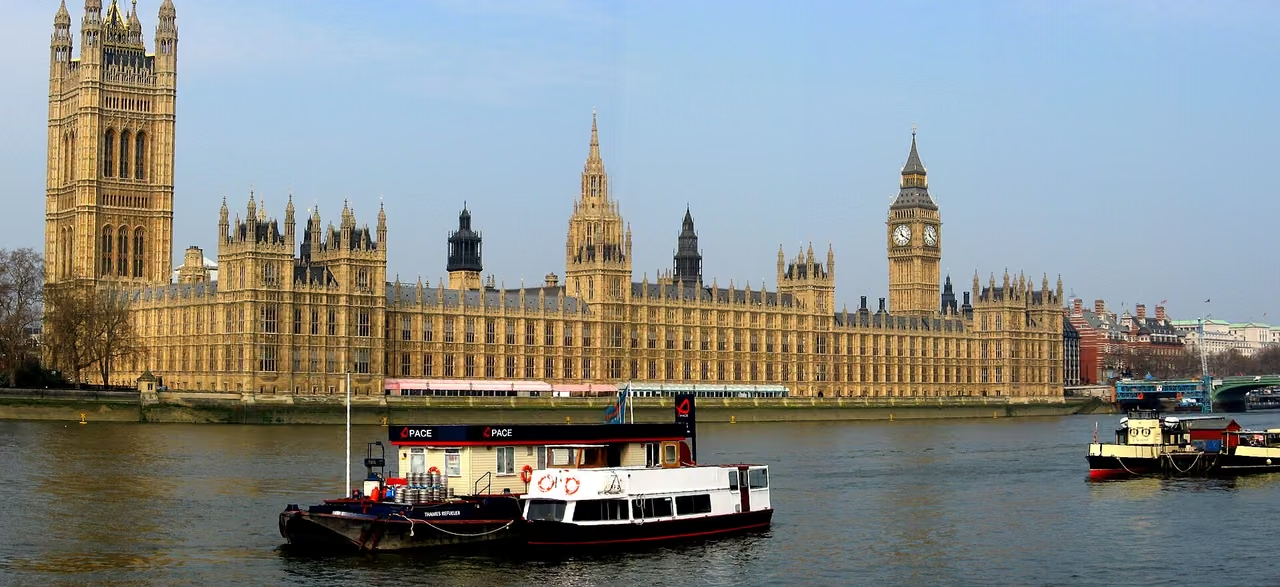 Guide live
London
Free museums, neighbourhood markets, the West End and a city that fits the world onto one Tube map.
 Guide live
Edinburgh
History, festivals, whisky and stone streets between the castle and Arthur's Seat.
 Guide live
Manchester
Industrial heritage, the Northern Quarter, live music and two great football clubs.
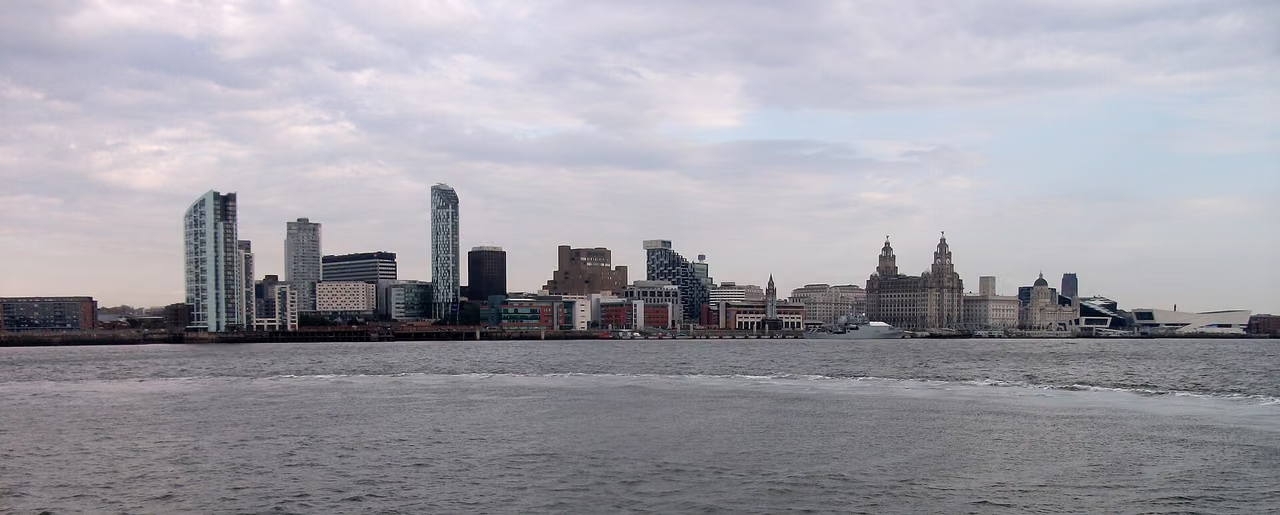 Guide live
Liverpool
The Beatles legacy, the Mersey waterfront, museums and a powerful terrace culture.
 Guide live
Oxford
College quads, the Bodleian Library, museums and the punting tradition on the Thames.
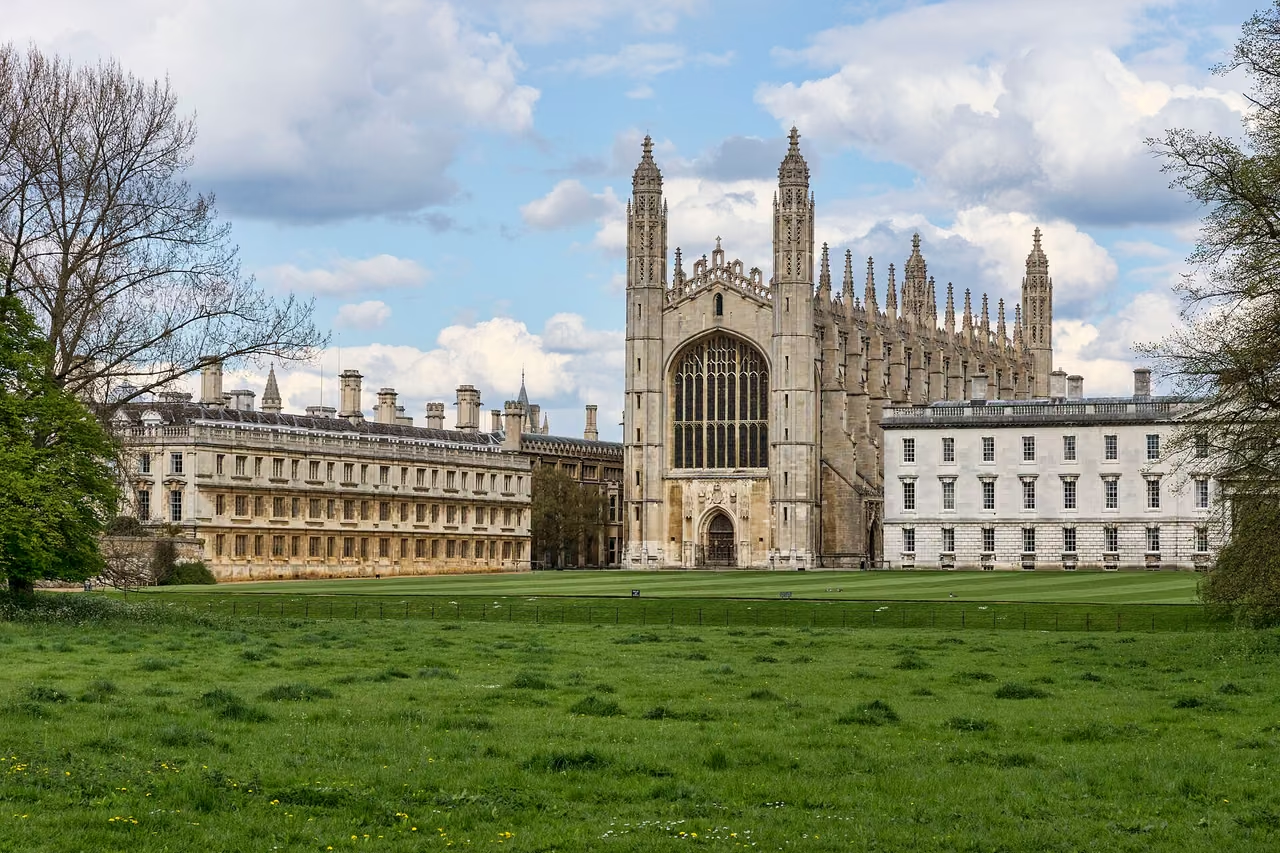 Guide live
Cambridge
The River Cam, college chapels, bicycles and a living campus of scientific history.
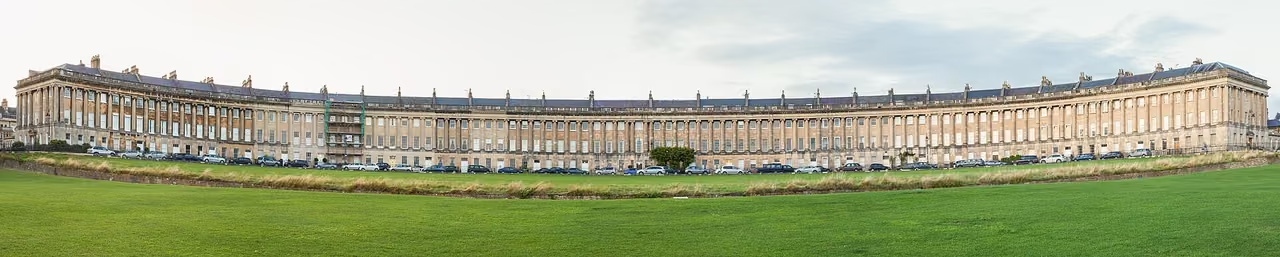 Guide live
Bath
Roman baths, Georgian façades and an elegant spa town best explored on foot.
 Guide live
York
The Minster, the city walls, Viking history and the medieval fabric of the Shambles.
 Guide live
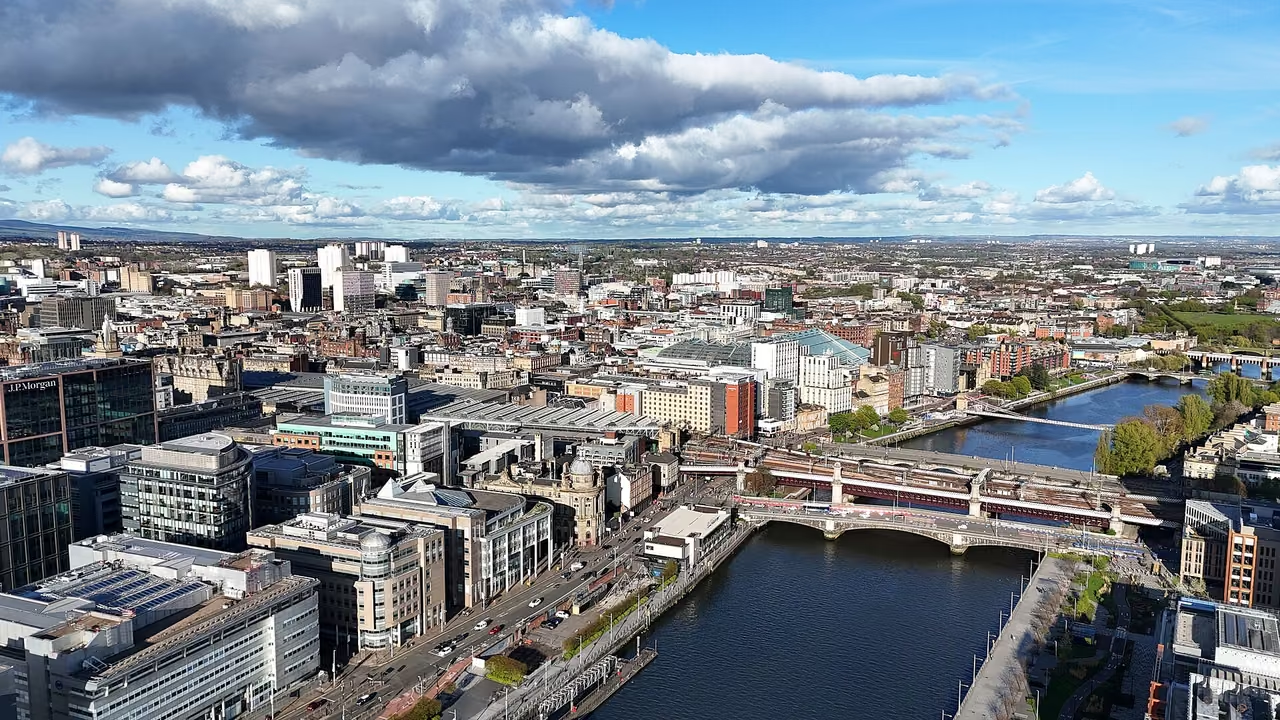
Glasgow
Mackintosh architecture, a strong music scene and the everyday energy of the West End.
 Guide live
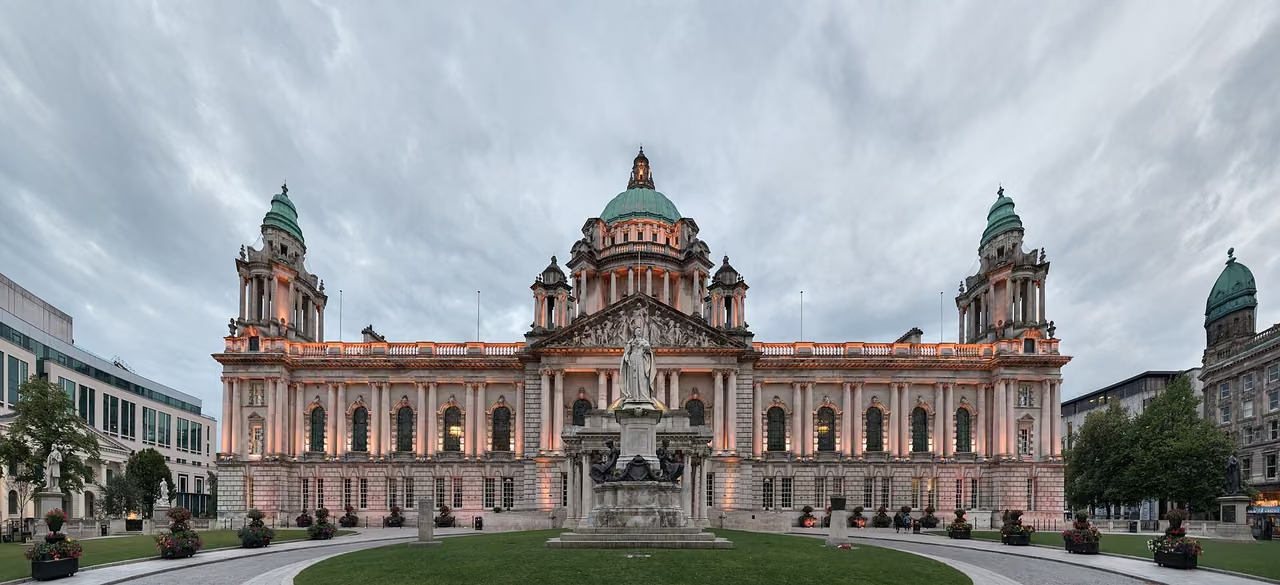
Belfast
Titanic shipyards, political murals and a Northern Ireland base opening onto the Causeway coast.
 Guide live
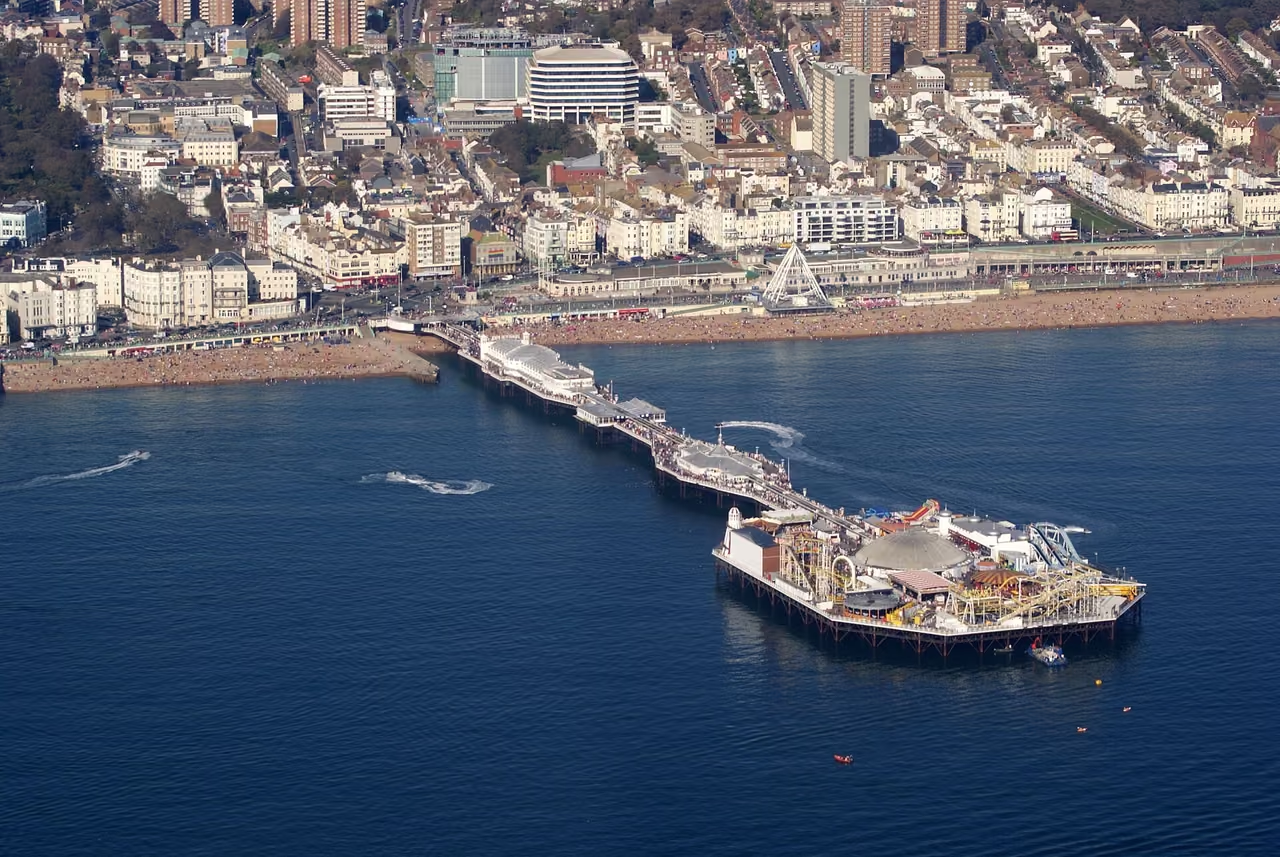
Brighton
The Royal Pavilion, a pebble beach, the shops of the Lanes and free-spirited nightlife.
 Guide live
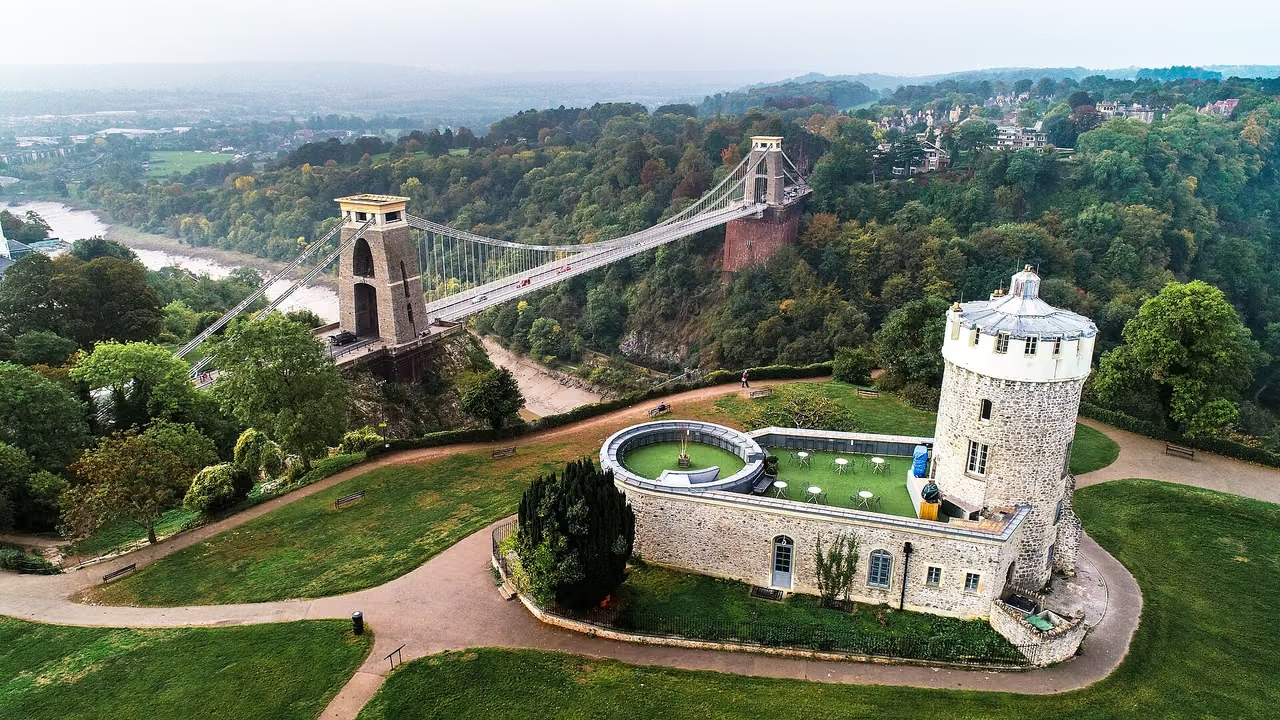
Bristol
The Clifton Bridge, a transformed harbour, street art and an independent creative scene.
 Guide live
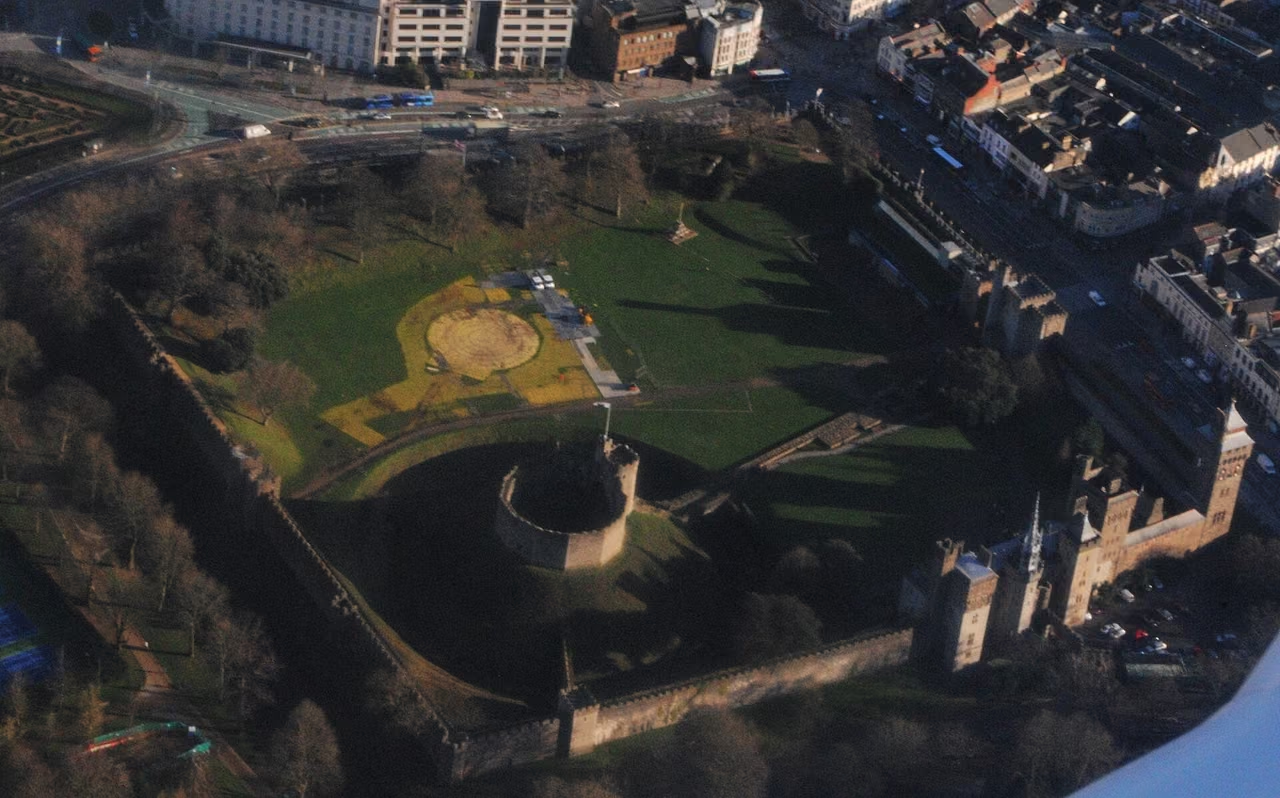
Cardiff
The castle, a regenerated bay, covered arcades and Welsh rugby culture.
 Guide live
Scottish Highlands
The glens of Glencoe, loch shores, island ferries and big landscapes in ever-changing weather.
 Guide live
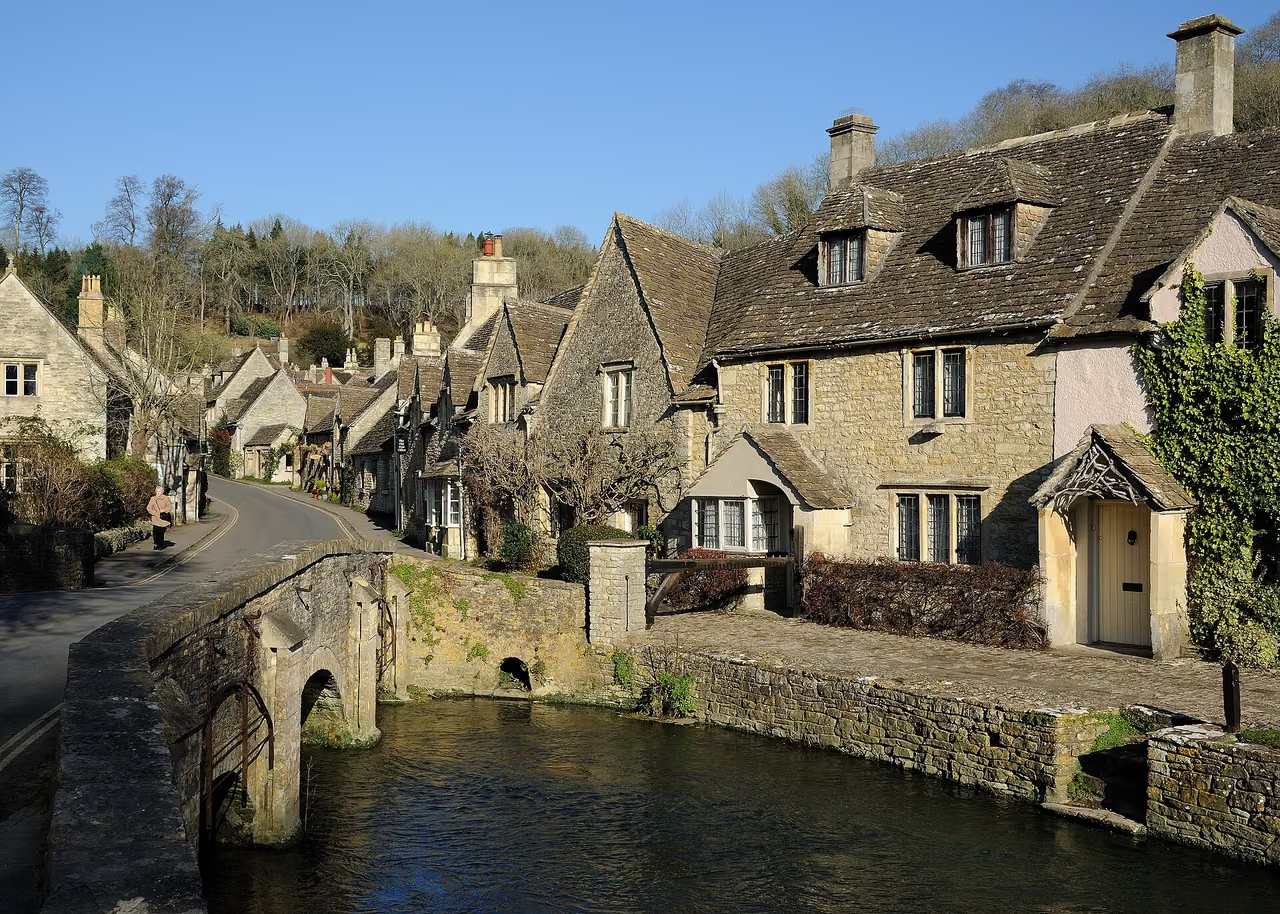
Cotswolds
Honey-coloured stone villages, walking paths and a rural route that needs careful public-transport planning.
 Guide live
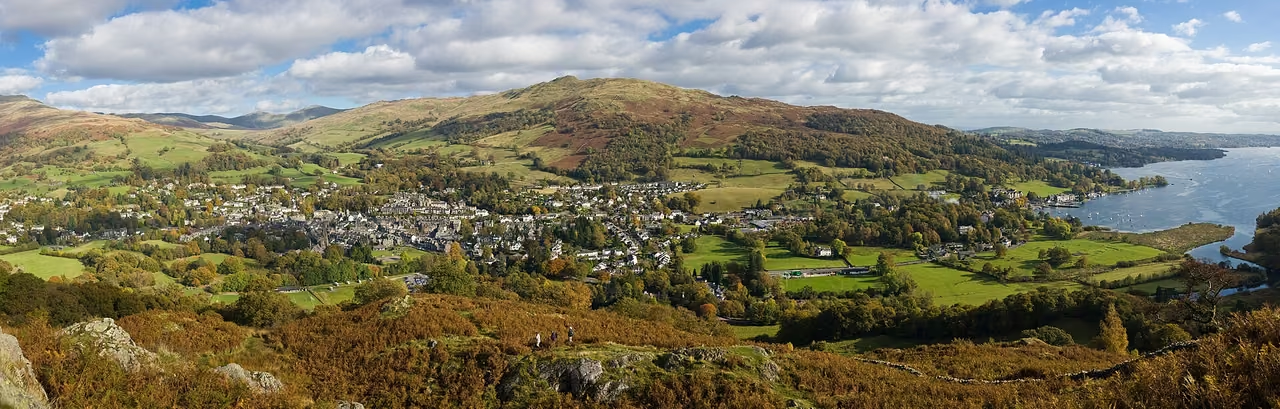
Lake District
Windermere, Keswick, fell walks and an outdoor break among England's lakes.
Image credits
- Dietmar Rabich · source · CC BY-SA 4.0
- reverendlukewarm · source · CC BY-SA 2.0
- Andrew Colin · source · CC BY 2.0
- David Dixon · source · CC BY-SA 2.0
- Peter Evans · source · CC BY-SA 2.0
- Christine Matthews · source · CC BY-SA 2.0
- Jean-Christophe BENOIST · source · CC BY-SA 4.0
- Diego Delso · source · CC BY-SA 4.0
- 瑞丽江的河水 · source · CC BY-SA 4.0
- Giorgio Galeotti · source · CC BY 4.0
- Ian Stannard from Southsea, England · source · CC BY-SA 2.0
- Chris Lathom-Sharp · source · CC BY-SA 4.0
- Clint Budd · source · CC BY 2.0
- Spike · source · CC BY-SA 4.0
- Saffron Blaze · source · CC BY-SA 3.0
- Diliff · source · CC BY-SA 3.0