🇧🇪 Country guide
Belgium Travel Guide
A compact journey from Flemish art cities to Walloon valleys, from Art Nouveau to a world heritage of beer and chocolate.
Gateway
Brussels · BRU
Capital
Brussels
Best time
April–June · September–December
Budget
High
Don't miss
Walking between the three towers as Ghent's canals light up
How to plan a route through Belgium
On a first trip to Belgium, give Brussels three nights and Ghent or Bruges two to three; Antwerp and Leuven can be added by frequent trains. That proximity doesn't mean seeing every city on the same day: museums, belfries, canals and the evening light each need their own time in each city.
On a Wallonia route, Liège or Namur is the transport base; Dinant and the Ardennes are the nature-and-castle leg. The Ardennes are not a single spot: Durbuy, La Roche, Bouillon and the Hautes Fagnes lie in different directions. Because public transport thins out, choose one sub-region and save the last connection in advance.
What to know before travelling to Belgium
Apply for Schengen only through the authorised channel
Depending on your passport, a short tourist visit is visa-free or needs a Schengen visa; applications for Belgium go through the authorised official external service provider, according to the main-destination rule. Intermediary sites don't improve your chances of an appointment or approval; follow EES registration and passport requirements from official sources.
Keep SNCB/NMBS separate from city operators
National trains are run by SNCB/NMBS; Brussels uses STIB/MIVB, Flanders De Lijn and Wallonia TEC. A city ticket isn't valid nationwide. Check bilingual station names such as Bruxelles-Midi/Brussel-Zuid and the right station on your ticket screen.
The three official languages are part of the geography
Dutch in Flanders, French in Wallonia, German in the east; in Brussels French and Dutch are official. Cities may have two names. Using the local name makes signs and connections easier; don't generalise regional identities under a single language.
Beer, chocolate and waffles are as much about moderation as quality
Beer strengths can be higher than expected; don't drive or cycle after a tasting. Trappist, abbey and craft labels don't guarantee the same thing. For chocolate, ask about the maker, cocoa percentage, filling and allergens; for waffles, the Brussels–Liège difference.
In the Ardennes, city comforts end quickly
Buses, mobile coverage and restaurant hours may be sparse. Carry an offline map, water, a raincoat and a return plan. Don't enter trails closed for floods, hunting, fire or ice; for rock and river activities, choose licensed operators.
7–9 days
First Belgian cities
Brussels three, Ghent two, Bruges two nights; short train hops, but a route that keeps the evening atmosphere of each.
6–8 days
Flemish art and design
Rubens and fashion, university heritage, the Ghent Altarpiece; two bases by train are enough.
5–7 days
The Meuse and Wallonia
Two to three nights in Liège and one to two in Dinant; add Namur or Spa depending on your interests.
4–7 days
A slow Ardennes route
Choose one sub-region, Durbuy–La Roche or Bouillon–Semois; don't tour the whole Ardennes in one weekend.
Practical information for Belgium
Entry requirements
Belgium is in the Schengen Area. If your nationality needs a Schengen visa, apply through Belgium's authorised official channel in line with the main-destination rule; other passports can make short visits of up to 90 days in any 180 without one. The EES records external border crossings biometrically; ETIAS is not an alternative to a Schengen visa.
Money and payments
The euro is used; card and contactless payments are common in cities. Coins can be useful for small markets, local events and some toilets/left-luggage points. Service is usually included in restaurant prices; for exceptional service, a small round-up is enough. If the terminal offers your home currency, choose euros.
Languages
Dutch, French and German are the official languages. Brussels is officially bilingual; Dutch dominates in Flanders and French in Wallonia. Stations can have two names, such as Bruxelles-Midi/Brussel-Zuid. Save the local name on your ticket together with the correct station.
Phones, internet and apps
SNCB/NMBS is used for intercity trains; even on domestic routes that need no reservation, read the correct station, first/second class and event fares. STIB/MIVB in Brussels, De Lijn in Flanders and TEC in Wallonia are separate operators. Don't assume a single city card is valid across the whole country.
Budget
Check weekend accommodation in Brussels and Bruges and high-speed trains early; add museums, beer tastings and city tax to the displayed room price.
On a budget plan, think trains, hostels/rooms outside the centre, bakeries and free walks around the squares; mid-range brings central rooms, selected museums and a beer/chocolate experience; a comfortable plan features boutique hotels, good restaurants and private tours. Brussels' institutional calendar, weekends in Bruges and festival days can push accommodation prices up quickly.
Cities and nature routes to visit in Belgium
Despite short train distances, Belgium's cities are not copies of one another. Brussels is a multilingual capital and an Art Nouveau centre; Bruges and Ghent present Flemish art and canal history at different rhythms. Antwerp stands out for its port, fashion and Rubens, Leuven for university culture. French-speaking Liège and Dinant open up the Meuse valley, and the Ardennes castles, forests and small towns. Rather than changing hotel every day, set up a Brussels/Ghent base and a Wallonia base.
Original guides are live for all 8 cities
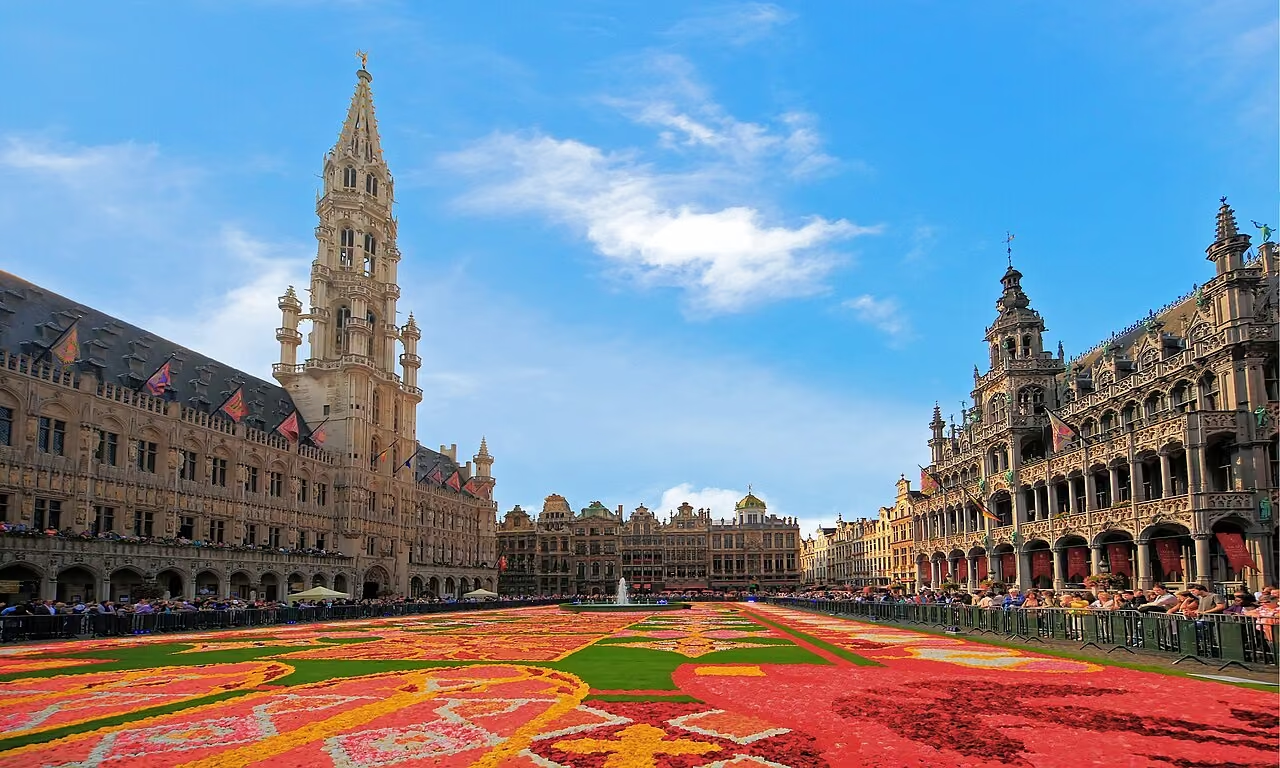 Guide live
Brussels
The Grand-Place, Magritte, Art Nouveau, comic strips and a multilingual European capital.
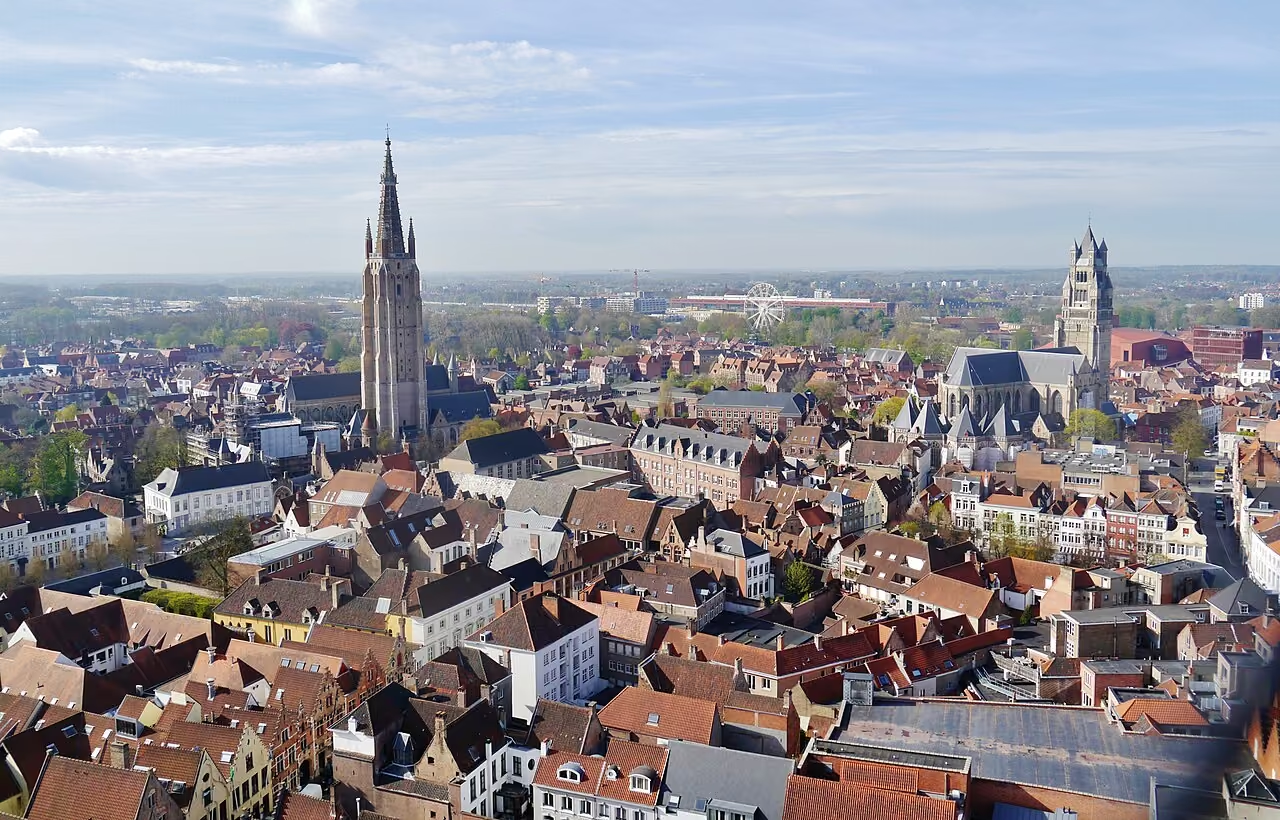 Guide live
Bruges
A living city of canals, guild houses, Flemish masters and a UNESCO-listed medieval fabric.
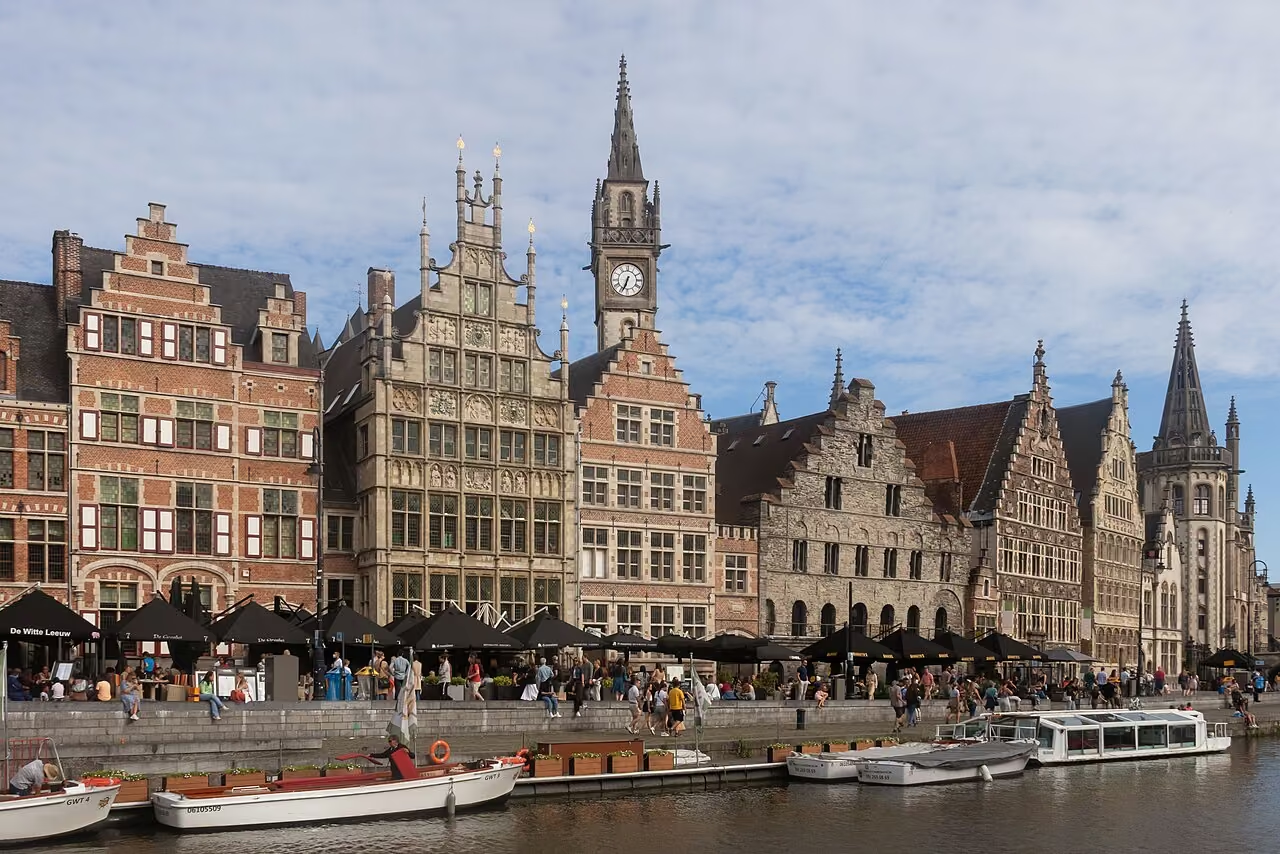 Guide live
Ghent
A city that brings together the Gravensteen, three towers, canal banks and a creative student culture.
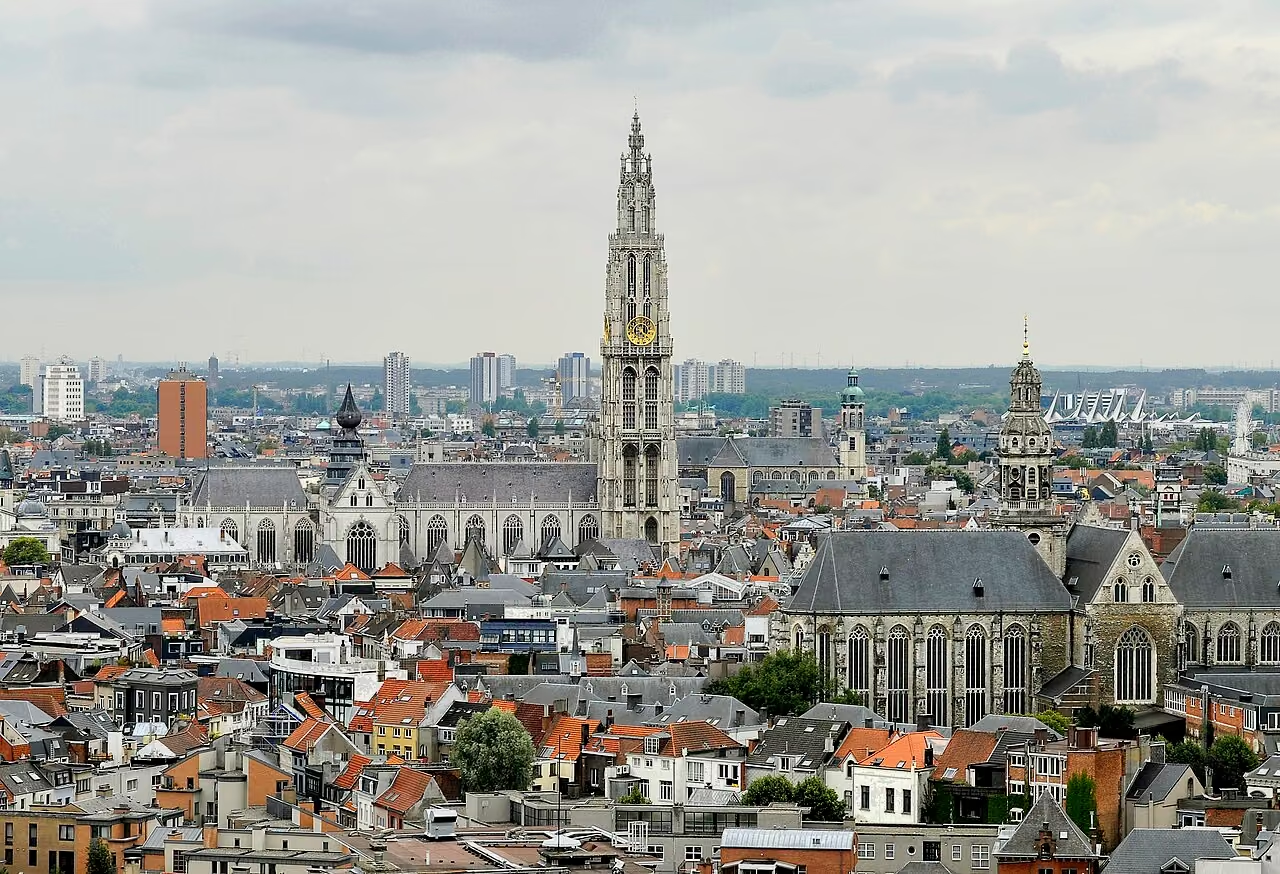 Guide live
Antwerp
The Scheldt port, Rubens, fashion, diamond history and a magnificent central station.
 Guide live
Leuven
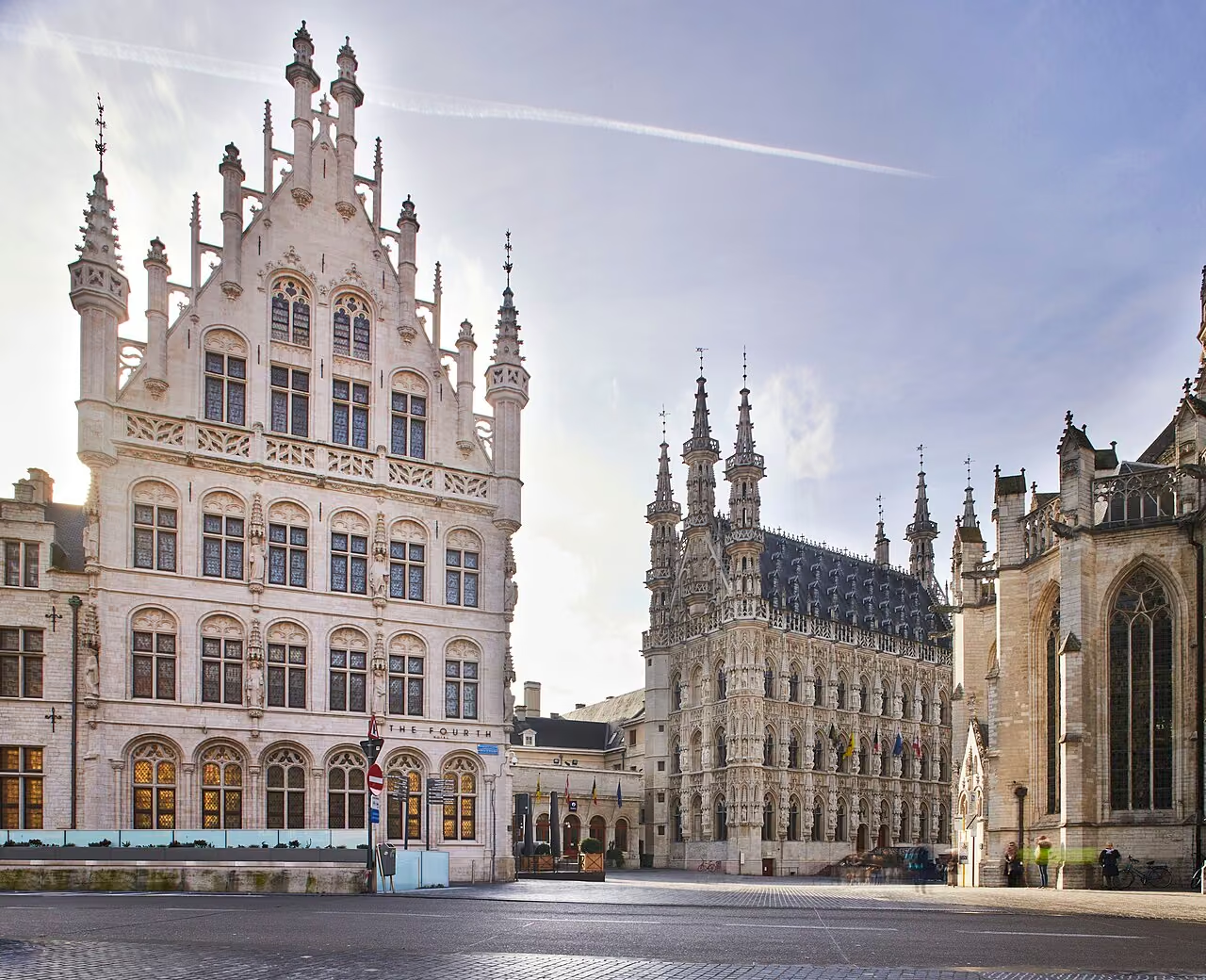
A Gothic town hall, a venerable university, libraries and a lively square culture.
 Guide live
Liège
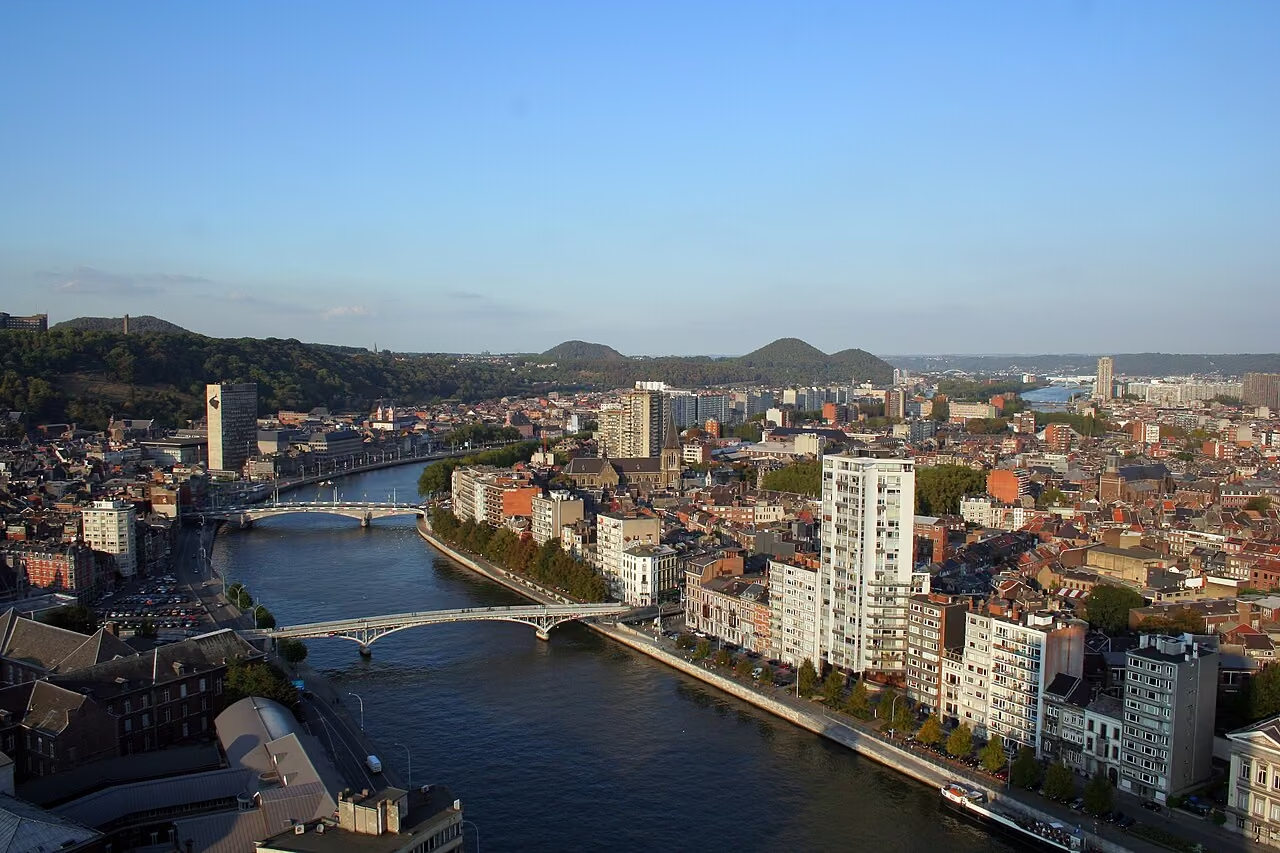
The banks of the Meuse, the Calatrava station, Walloon markets and steep historic neighbourhoods.
 Guide live
Dinant
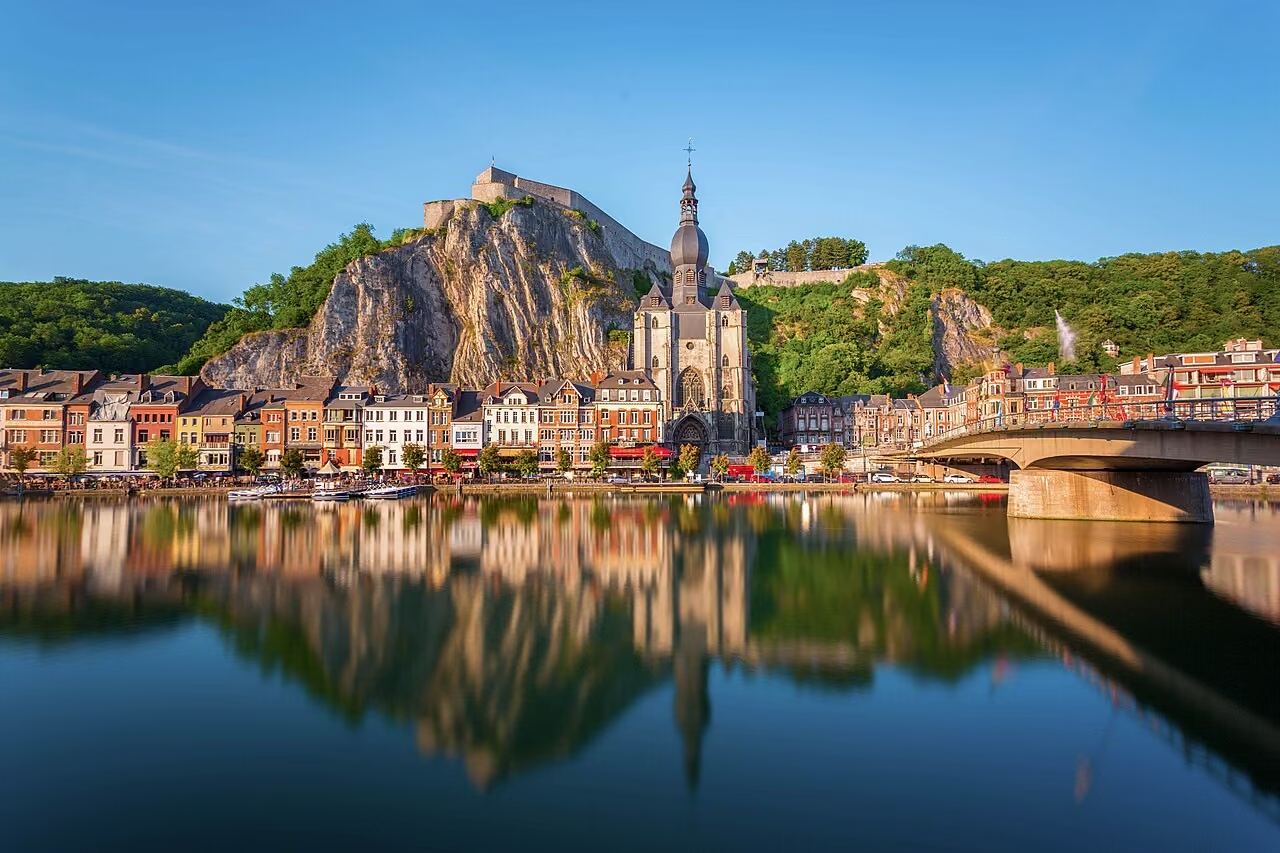
A cliff-top citadel, a colourful Meuse façade, saxophone history and the threshold of the Ardennes.
 Guide live
Ardennes
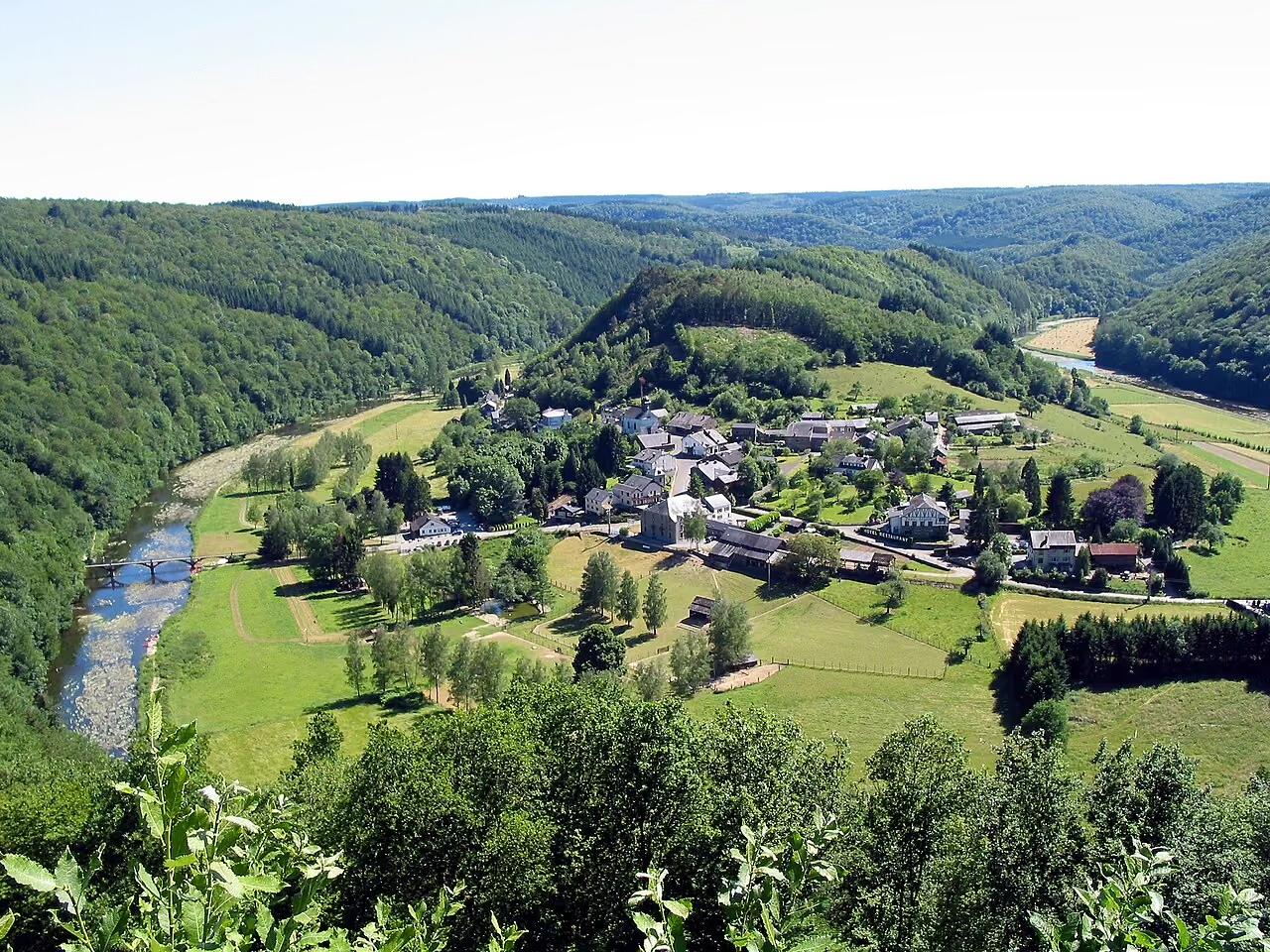
A region where forest, castles, river valleys and small towns meet along waymarked nature routes.
Image credits
- Francisco Conde Sánchez · source · CC BY-SA 3.0
- Zairon · source · CC BY-SA 4.0
- Michielverbeek · source · CC BY-SA 4.0
- LBM1948 · source · CC BY-SA 4.0
- Vandevorst, Kris · source · CC BY 4.0
- A.Savin · source · CC BY-SA 3.0
- https://www.flickr.com/photos/jiuguangw/ · source · CC BY-SA 2.0
- Jean-Pol GRANDMONT · source · CC BY-SA 2.5