🇦🇹 Country guide
Austria Travel Guide
A Central European country that seamlessly links palaces, music, trains and mountain routes, from Habsburg cities to Alpine lakes.
Gateway
Vienna · VIE
Capital
Vienna
Best time
April–June · September–December
Budget
High
Don't miss
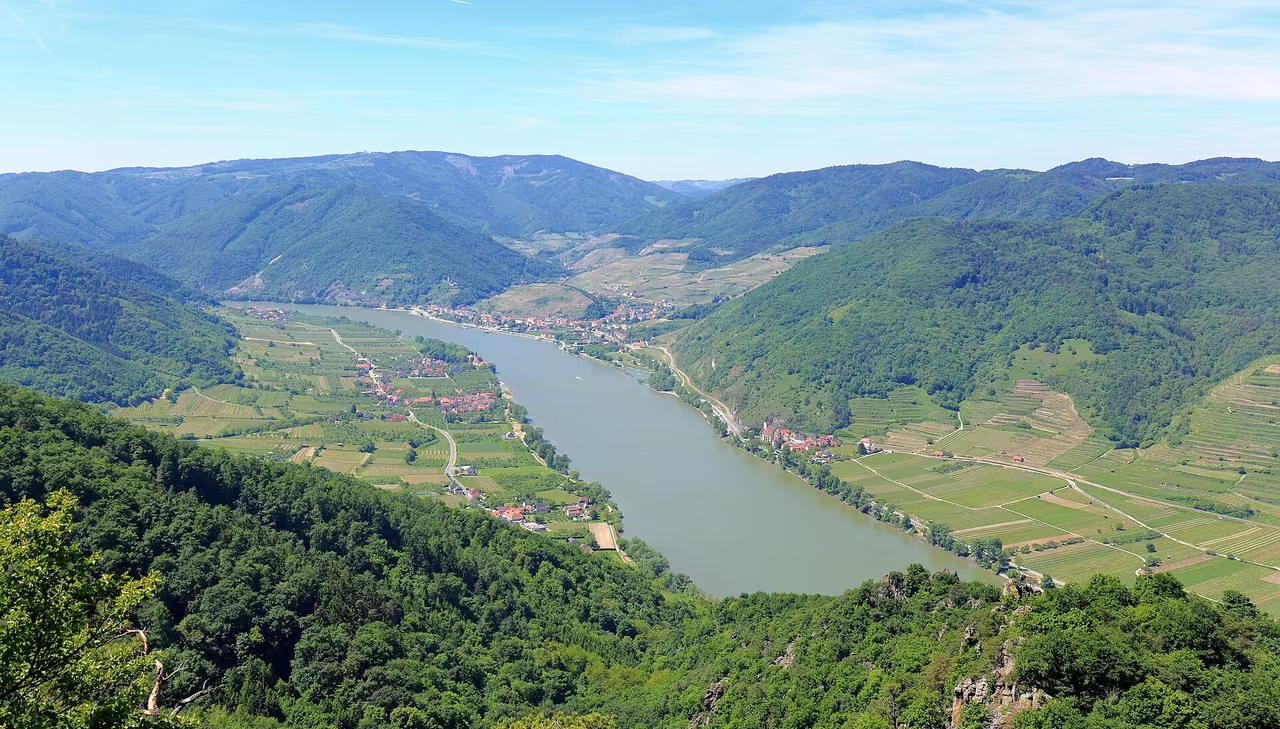
An autumn walk above the Wachau vineyards looking down on the Danube
How to plan a route through Austria
On a first trip to Austria, ÖBB's western line comfortably links the Vienna–Linz–Salzburg–Innsbruck backbone. Graz is added via the new southern line and the Wachau via Krems/Melk; Hallstatt and Zell am See need a regional train–bus/ferry plan.
In 10–12 days, give Vienna four nights, Salzburg two and Innsbruck or Graz two to three. On a lakes-and-mountains route, choose a single base instead of changing hotel every day; if the weather turns, bring forward a museum, spa or city day.
What to know before travelling to Austria
Check Schengen and EES requirements with official sources
Depending on your passport, a short tourist visit is visa-free or needs a Schengen visa. Since 10 April 2026 the EES has kept biometric entry–exit records at the external border; ETIAS does not replace a visa. Confirm your passport type and any personal exemption with the official mission.
On ÖBB tickets, keep the train separate from city transport
Railjet and regional trains are strong; city tickets and regional state passes may be separate. Sparschiene fares are cheap but restricted; flexible tickets cost more. Check the platform, carriage, last bus and engineering notices in the app on the day of travel.
In mountain plans, the last descent time is the main rule
Cable cars, boats and mountain buses may be seasonal. The summit can be foggy or windy while the town is clear; check equipment, trail difficulty and the last descent with the official operator. Don't go past closure barriers.
Carry euro cash as well as a card
Cards are common in big cities, but rural guesthouses, markets, mountain huts and car parks may require cash. If a terminal offers your home currency, choose euros; for table service, a small rounding-up is usually enough.
9–11 days
A first trip to Austria
Four nights in Vienna, two to three in Salzburg, two to three in Innsbruck. Car-free and balanced along the Railjet backbone.
7–9 days
The Danube, art and the south
A mostly-by-train cultural route from the capital's museums to the wine valley, and from Ars Electronica to Styrian cuisine.
7–10 days
Lakes and mountains
Plan the Salzkammergut and Zell–Kaprun from separate bases; keep the order of days flexible because of the weather.
Practical information for Austria
Entry requirements
Austria is in the Schengen Area. Depending on your passport, short tourist visits are visa-free or need a Schengen visa; confirm passport-type exemptions with the official mission. Since 10 April 2026, the EES has kept a biometric entry–exit record at the external border; ETIAS won't start before the last quarter of 2026 and won't replace the Schengen visa.
Money and payments
The euro is used. Although cards are widely accepted in cities, cash is useful for mountain huts, small guesthouses, markets and rural car parks. If the terminal offers your home currency, choose euros; if service is included at a restaurant, rounding up according to your satisfaction is enough.
Languages
German is the official language; it's easy to get by in English in tourist cities. In Tyrol, the Salzburg lakes and rural valleys, saving place names in German makes it easier to understand last-bus and cable-car announcements.
Phones, internet and apps
A non-EU mobile line isn't automatically covered by EU roaming. Use ÖBB for trains and regional buses, Wiener Linien in Vienna, and on mountain days the official notices of the relevant cable car and regional transport authority. Save ticket screens and your accommodation address offline.
Budget
Fix trains and accommodation early; budget mountain experiences such as cable cars, lake boats and spas separately from the daily budget.
On a budget plan, advance train tickets, guesthouses, supermarket–bakery meals and free walking; on a mid-range budget, a central room, museums and one mountain line; and on a comfortable plan, a well-located hotel, cable cars, spas and restaurants. During ski, festival and Christmas market weeks, update room and train prices separately.
Cities and Alpine routes to visit in Austria
The places to visit in Austria are not just Vienna's palaces. Salzburg opens up baroque musical heritage, Graz a young design culture and Linz media art; Innsbruck and Zell am See combine city and mountain experiences. Hallstatt and the Wachau are more than day-trip photo stops: for salt, vineyards, lakes and Danube culture they deserve an overnight stay.
Original guides are live for all 8 cities
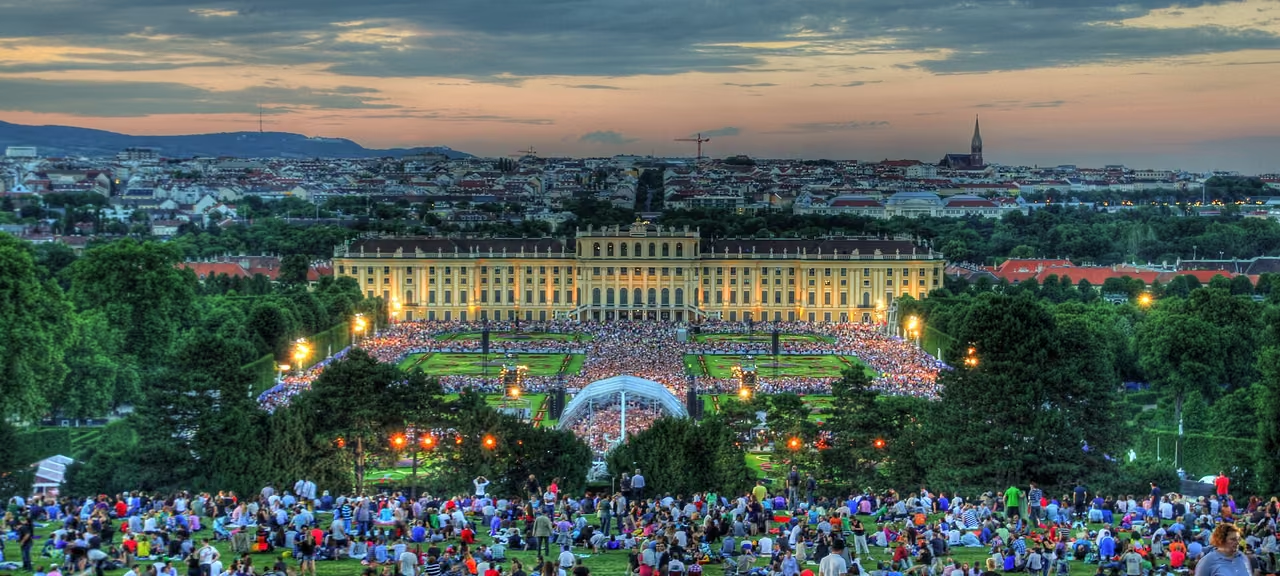 Guide live
Vienna
Habsburg palaces, world-class museums, classical music and a living coffee-house culture.
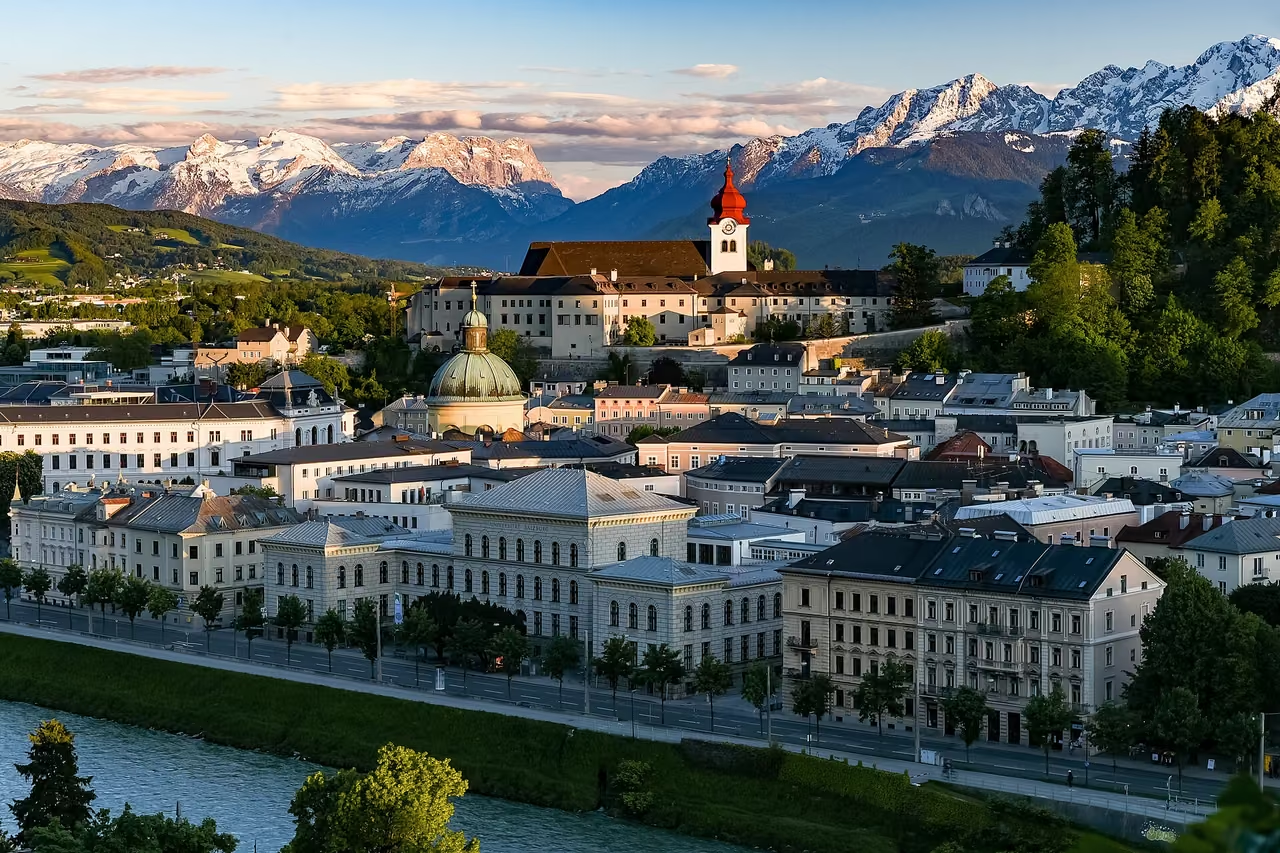 Guide live
Salzburg
A baroque old town, Mozart's legacy, the fortress and an Alpine base for the Salzkammergut lakes.
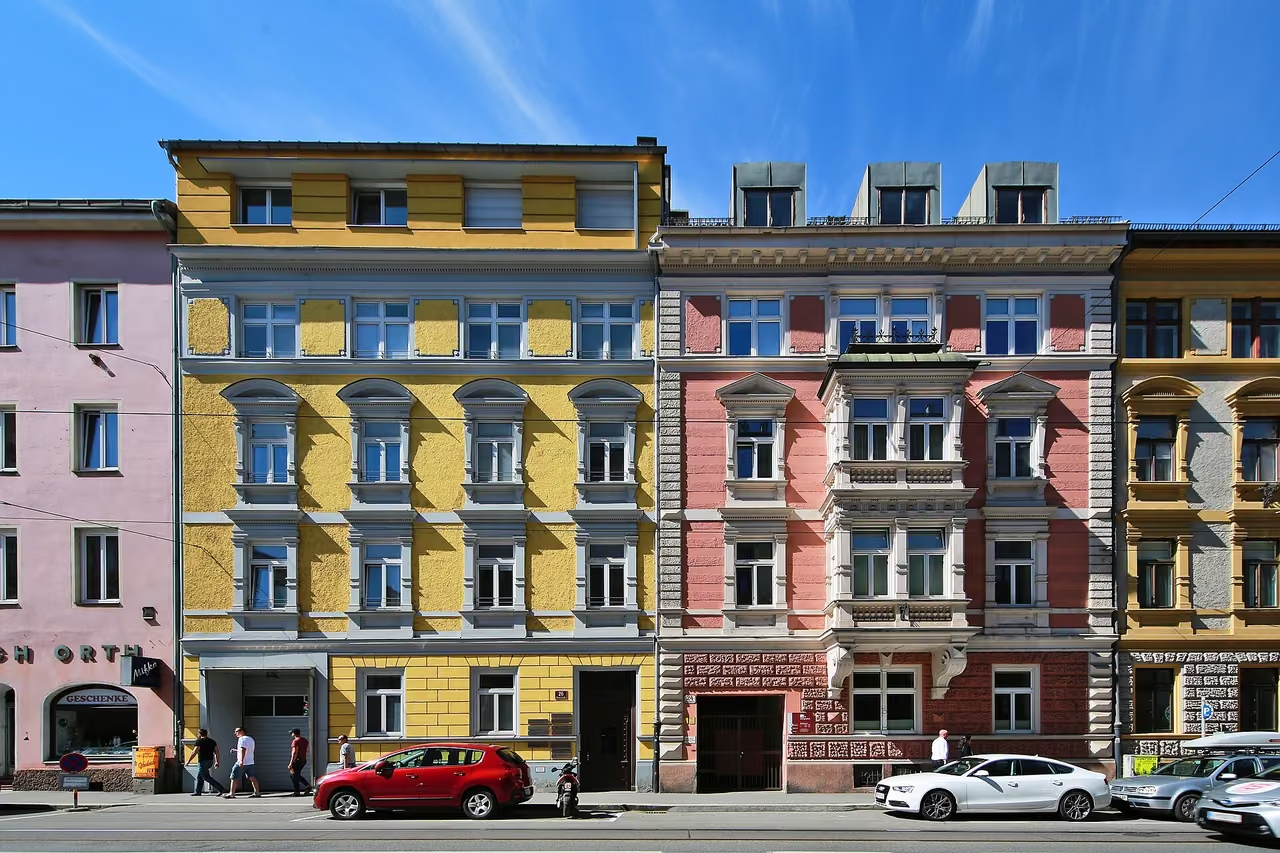 Guide live
Innsbruck
The Tyrolean capital, just minutes from the Golden Roof to the Nordkette peaks.
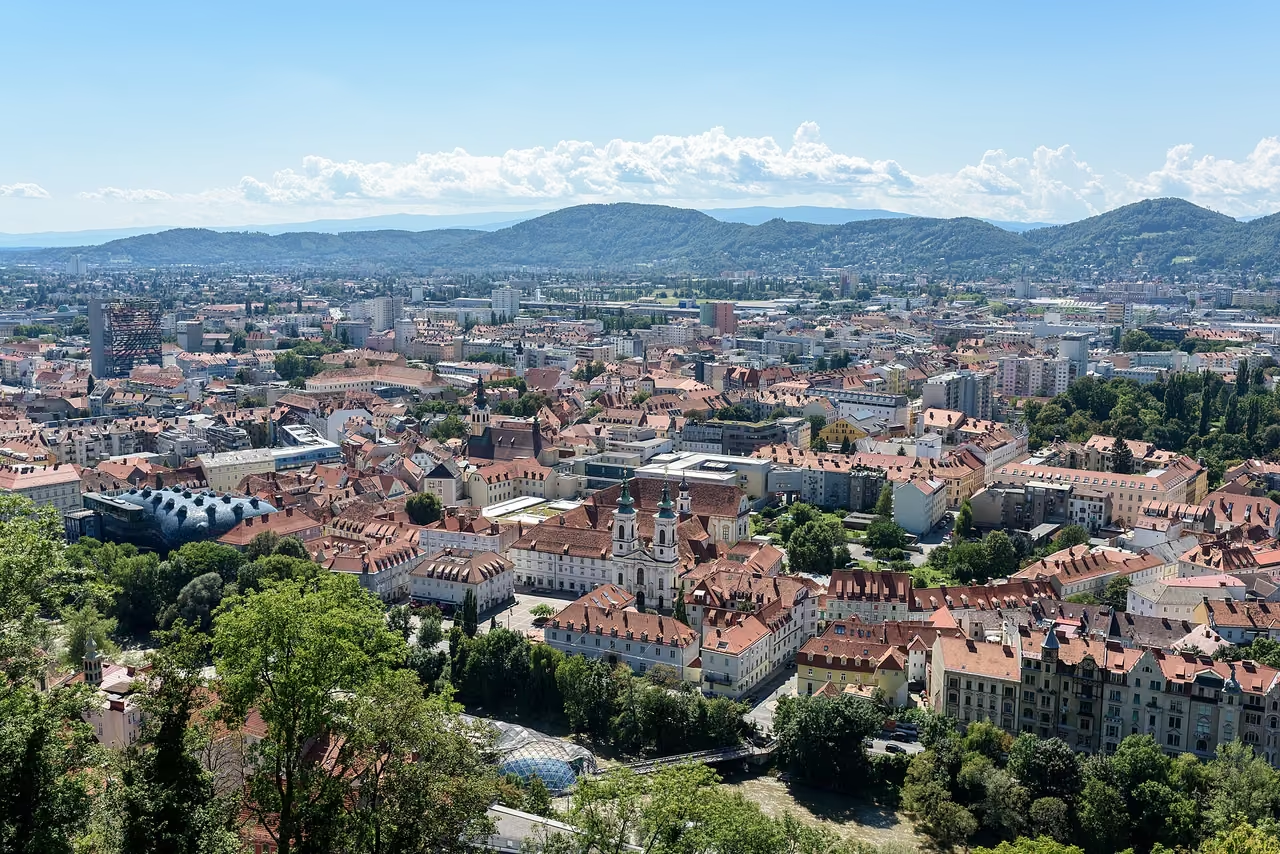 Guide live
Graz
A young centre of a UNESCO old town, experimental architecture, markets and Styrian cuisine.
 Guide live
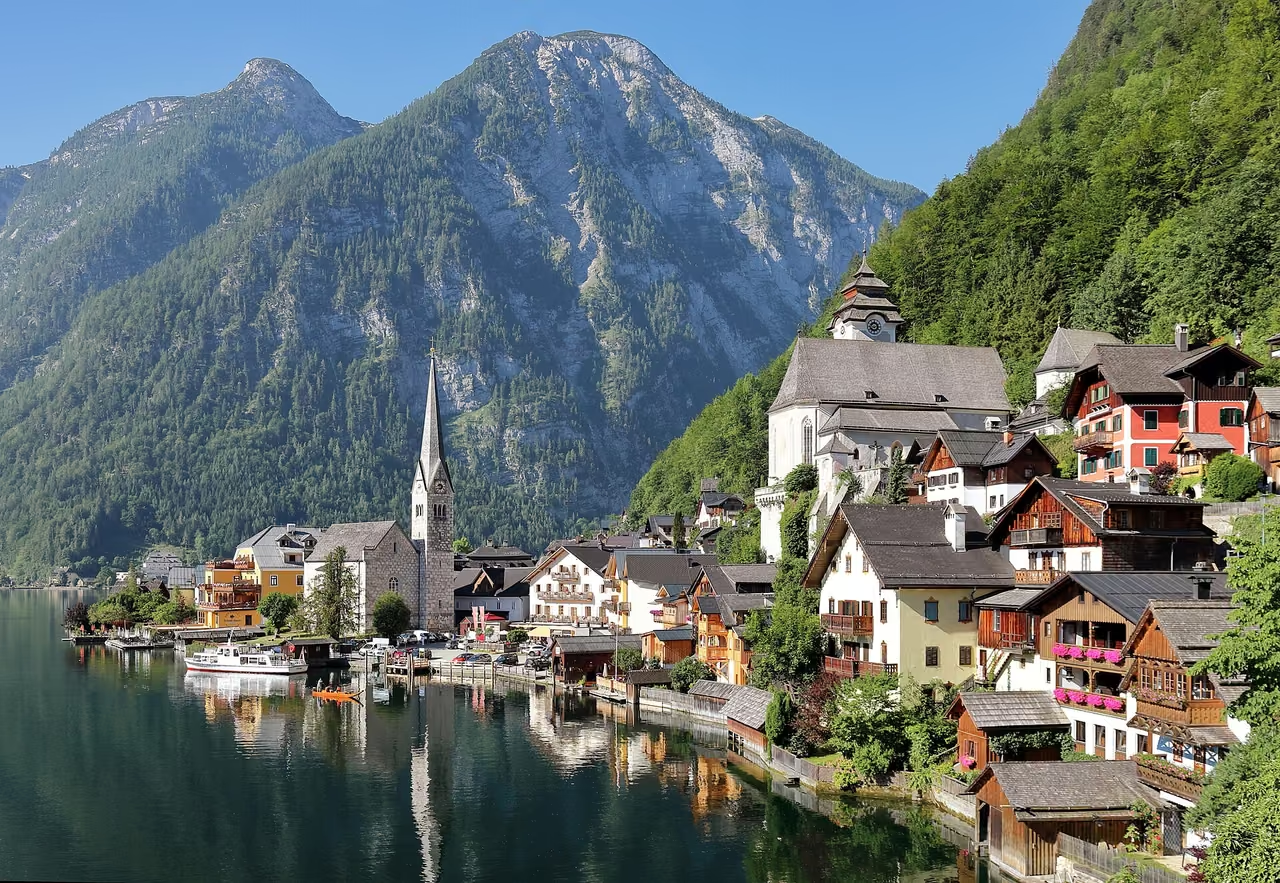
Hallstatt
A village famous for its salt history, lakeshore, Dachstein caves and fragile local life.
 Guide live
Wachau Valley
The Danube, terraced vineyards, apricot orchards and a cycling route between Melk and Krems.
 Guide live
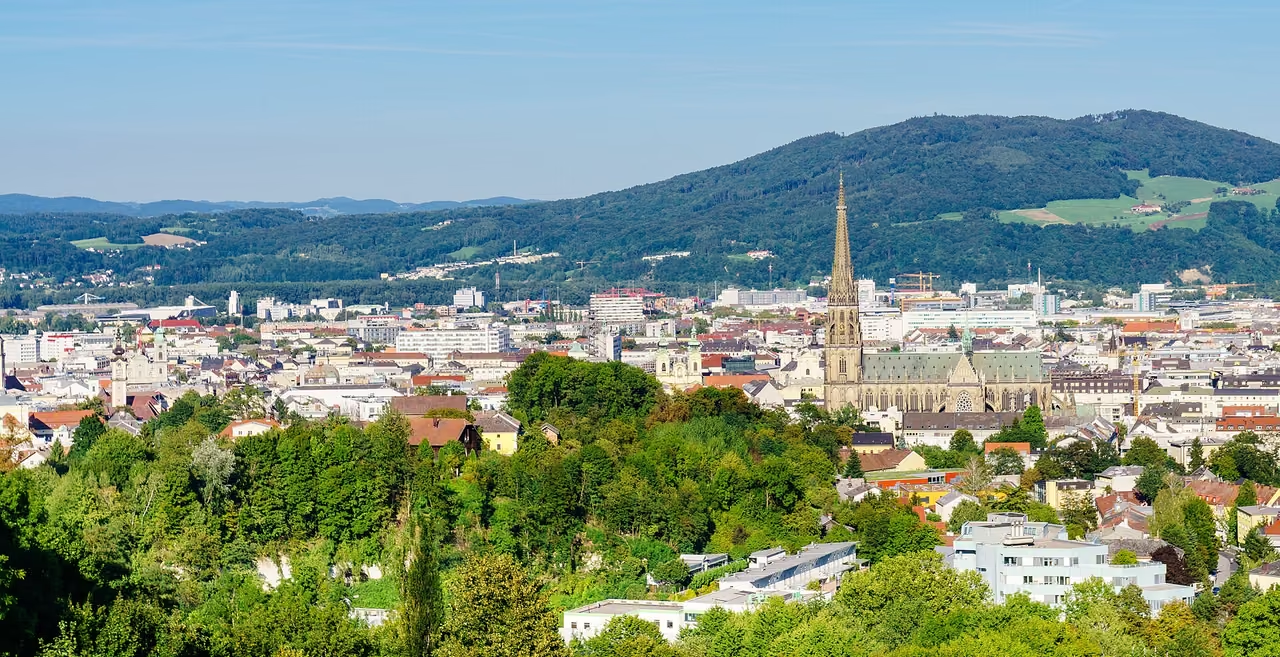
Linz
A Danube city that brings together Ars Electronica, contemporary art and industrial transformation.
 Guide live
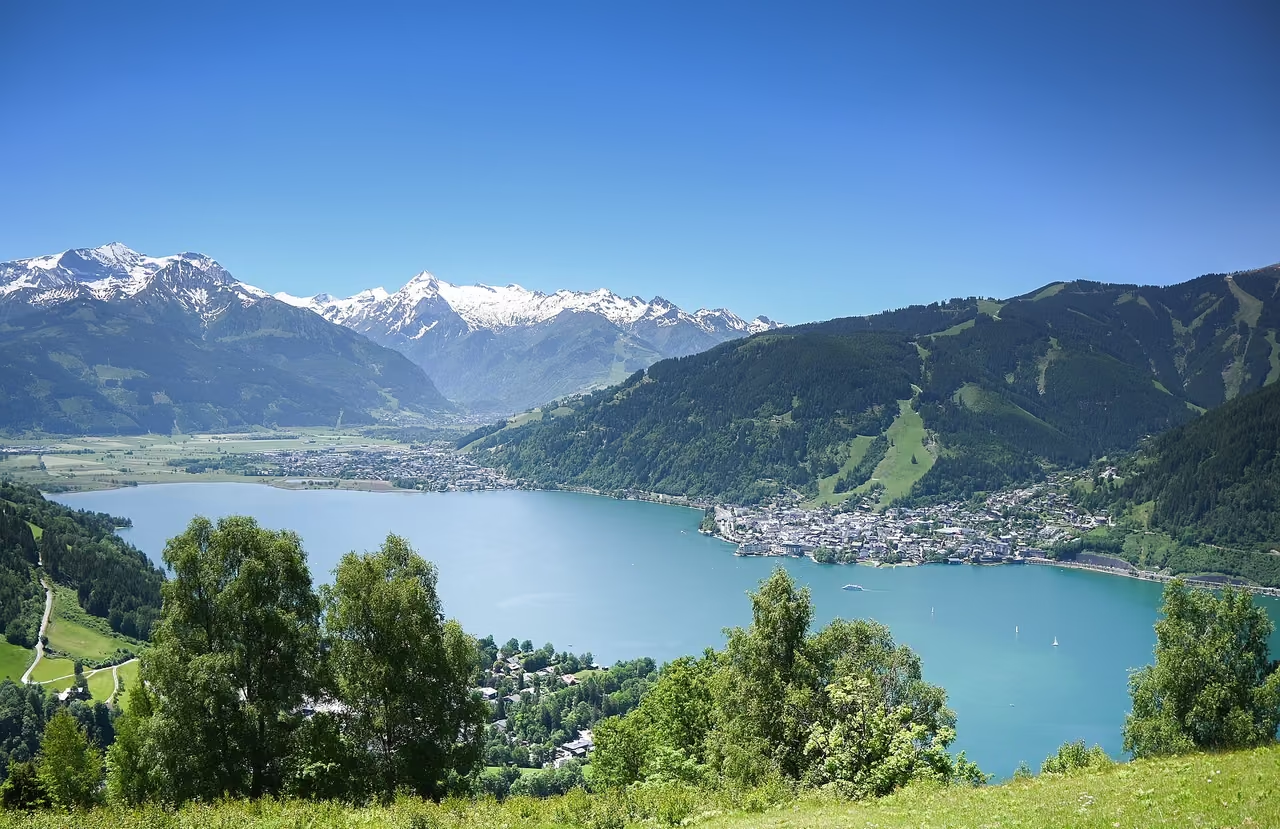
Zell am See
A base for an Alpine lake, the Schmittenhöhe, Kaprun and outdoor experiences in all four seasons.
Image credits
- Superbass · source · CC BY-SA 3.0
- Jorge Franganillo · source · CC BY 2.0
- Simon Legner (User:simon04) · source · CC BY-SA 4.0
- Nick Savchenko from Kiev, Ukraine · source · CC BY-SA 2.0
- C.Stadler/Bwag · source · CC BY-SA 4.0
- C.Stadler/Bwag · source · CC BY-SA 4.0
- Radler59 (talk) · source · CC BY-SA 4.0