🇲🇪 Country guide
Montenegro Travel Guide
A small but intense route from walled Adriatic towns to glacial lakes, from deep canyons to multicultural southern coasts.
Gateway
Kotor · TIV
Capital
Podgorica
Best time
May–June · September
Budget
Moderate
Don't miss
Watching the morning light on the bay from the walls of Kotor
How to plan a route through Montenegro
A bay–Adriatic line can be built with three nights in Kotor, two in Perast or Herceg Novi and two in Budva. Because cruise ships and summer traffic can turn short distances into hours, don't plan many stops in a single day.
Allow at least four nights for Durmitor via Žabljak. Podgorica and Cetinje are the inland connection, Ulcinj the southern coastal leg. Don't tie the northern mountains to your coastal flight day; leave a weather and road buffer.
What to know before travelling to Montenegro
The visa rule is changing in 2026
Montenegro's visa rules vary by nationality and have recently changed for some passports; re-check the official Montenegrin source and mission for your passport and exact travel dates.
Complete accommodation registration and the city tax
Hotels usually handle registration; in private homes and guesthouses, ask about the process and the tourist tax receipt. Keep proof of registration, as it may be needed at the border or on departure.
The euro is used; check summer prices in advance
Montenegro uses the euro. Cards are common, but buses, small businesses and the mountains need cash. Clarify the total price of beach sets, parking, boats and restaurants before the service.
The coast road takes longer than the distance suggests
Kotor–Budva and the bay road get congested in summer; leave a generous margin on flight/ferry days. Factor in the official bus terminal, car insurance, parking and border queues together.
Use licensed services in the mountains and at sea
For Durmitor hikes, Tara rafting and bay boat trips, confirm the weather, licence, life jackets/helmets and insurance cover. Follow flags, park closures and conservation rules.
7–9 days
The Bay of Kotor
Kotor three to four, the other shores two to three nights; don't change base every day along the same narrow road.
7–10 days
The Adriatic coast
The old town and coves in Budva, the long beach and delta in Ulcinj; two separate places to stay.
3–5 days
The historic capital and the new centre
Podgorica for transport, Cetinje for museums and Lovćen; don't treat both as the same short day.
5–7 days
Durmitor's nature
From a Žabljak base: a lake, one moderate hike and a licensed canyon day; a weather buffer for the summit.
Practical information for Montenegro
Entry requirements
Montenegro's visa rules depend on your nationality, and for some passports they have changed more than once in 2025–2026. Check the current rules of Montenegro's Ministry of Foreign Affairs for your passport and your exact travel dates, including the permitted length of stay, before booking.
Money and payments
The euro is used; Montenegro isn't an official member of the eurozone, but the euro is the everyday currency. Cards are increasingly common on the coast and in towns, but cash may be needed for guesthouses, parking, small boats, rural eateries and buses. Read ATM fees and check city tax/receipts for accommodation.
Languages
Montenegrin is the official language; Serbian, Bosnian, Albanian and Croatian are also used in public life. You may see both Latin and Cyrillic scripts. English is common on the Bay of Kotor and more limited in northern villages; save place names in their local spelling and offline.
Phones, internet and apps
Buses are the backbone on the coast; summer traffic can multiply map times. ŽPCG is the main source for Podgorica–Bar and northern trains. Check operator announcements on the day for the Kotor–Lepetane ferry, national park roads, canyons/rafting and cable cars; save the last bus offline.
Budget
List summer accommodation on the Bay of Kotor, beach parking, boats, ferries and the Durmitor transfer separately; the country's small size doesn't automatically make daily transport cheap.
On a budget plan, think guesthouses outside the centre, buses, bakeries and free bay walks; mid-range brings rooms near the old town, boats and the national park; a comfortable plan features bay-view hotels, good restaurants and private transfers to the north. In July–August, accommodation in Kotor/Budva is noticeably more expensive than inland in the Balkans.
Cities and nature routes to visit in Montenegro
The places to visit in Montenegro are concentrated on a small map, but mountain and coastal roads stretch travel times. Kotor, Perast and Herceg Novi show different faces of the bay; Budva opens up the holiday coast and Ulcinj long beaches and Albanian culture. Cetinje is the historic capital, Podgorica the transport hub, and Durmitor a separate high-mountain leg for Žabljak, glacial lakes and the Tara Canyon.
Original guides are live for all 8 cities
 Guide live
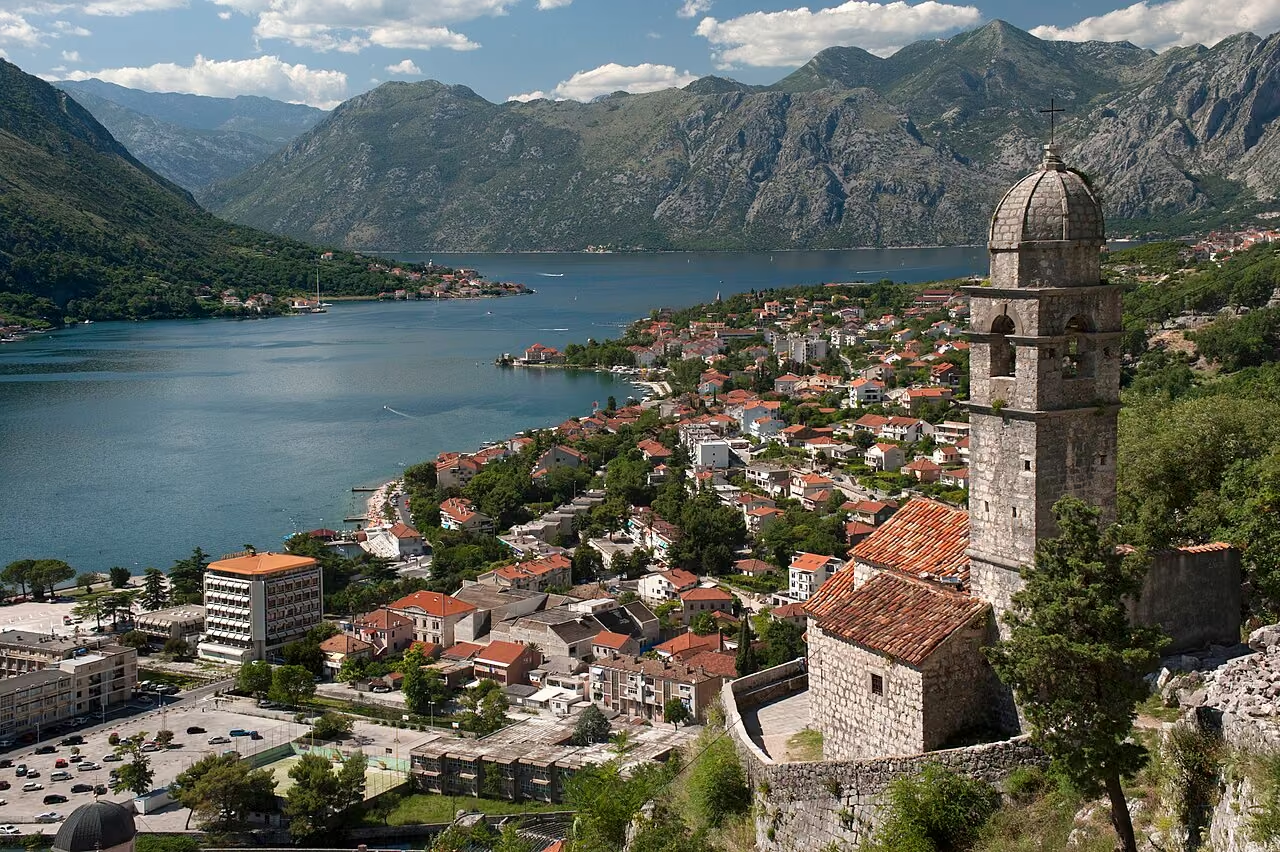
Kotor
UNESCO walls, Venetian squares and a grand view of the bay beneath Lovćen.
 Guide live
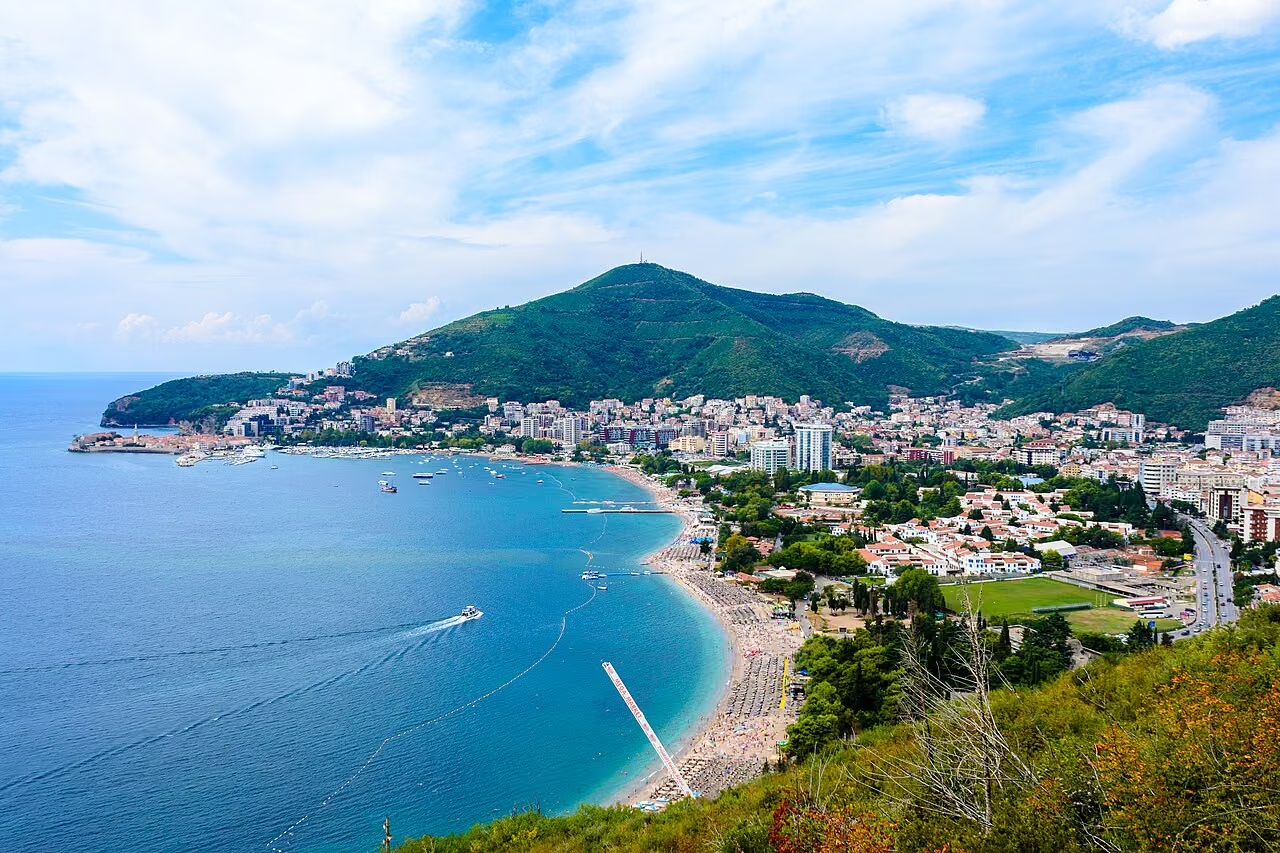
Budva
A stone old town, Adriatic beaches, festivals and busy summer nightlife.
 Guide live
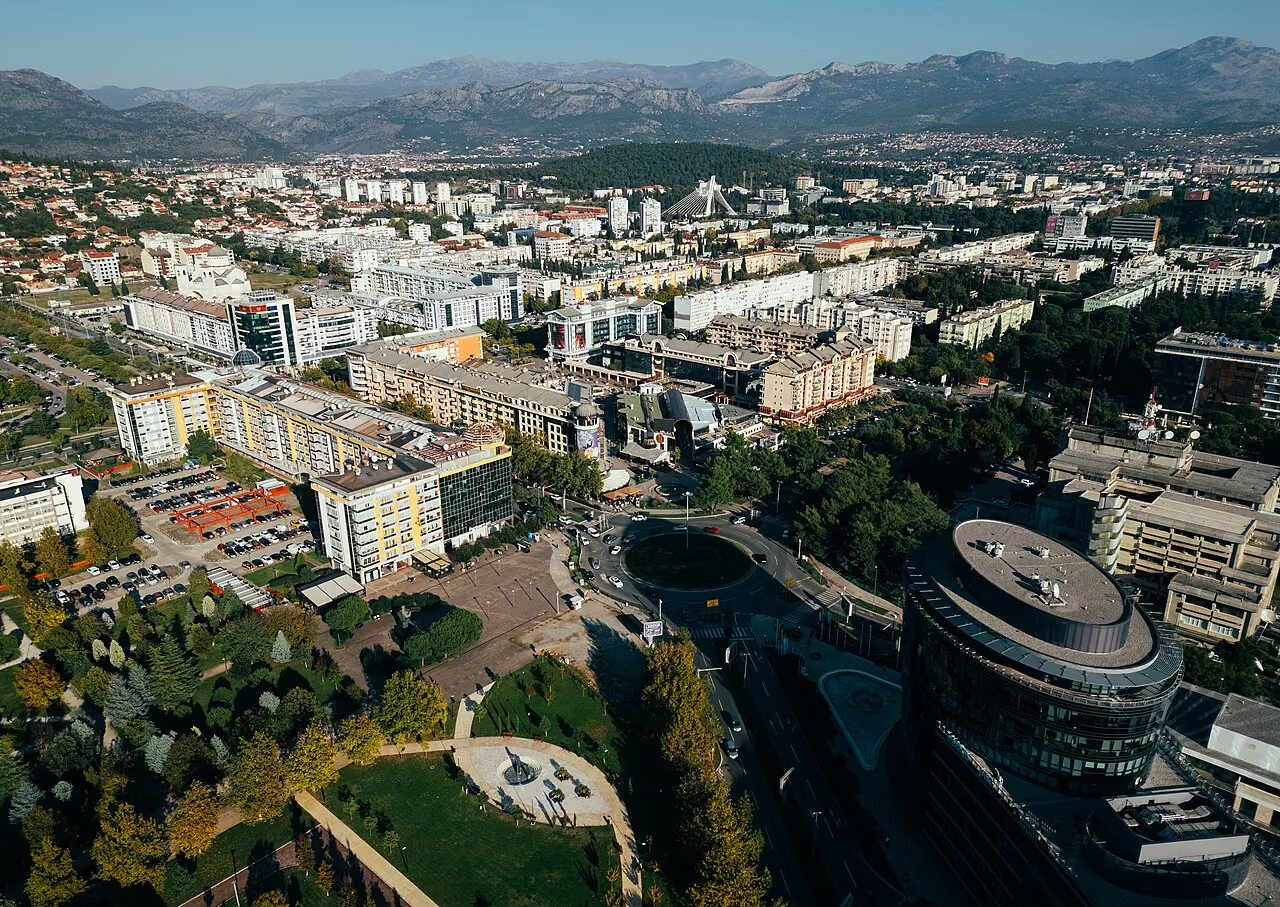
Podgorica
Ottoman traces, modern neighbourhoods, the banks of the Morača and the country's domestic transport hub.
 Guide live
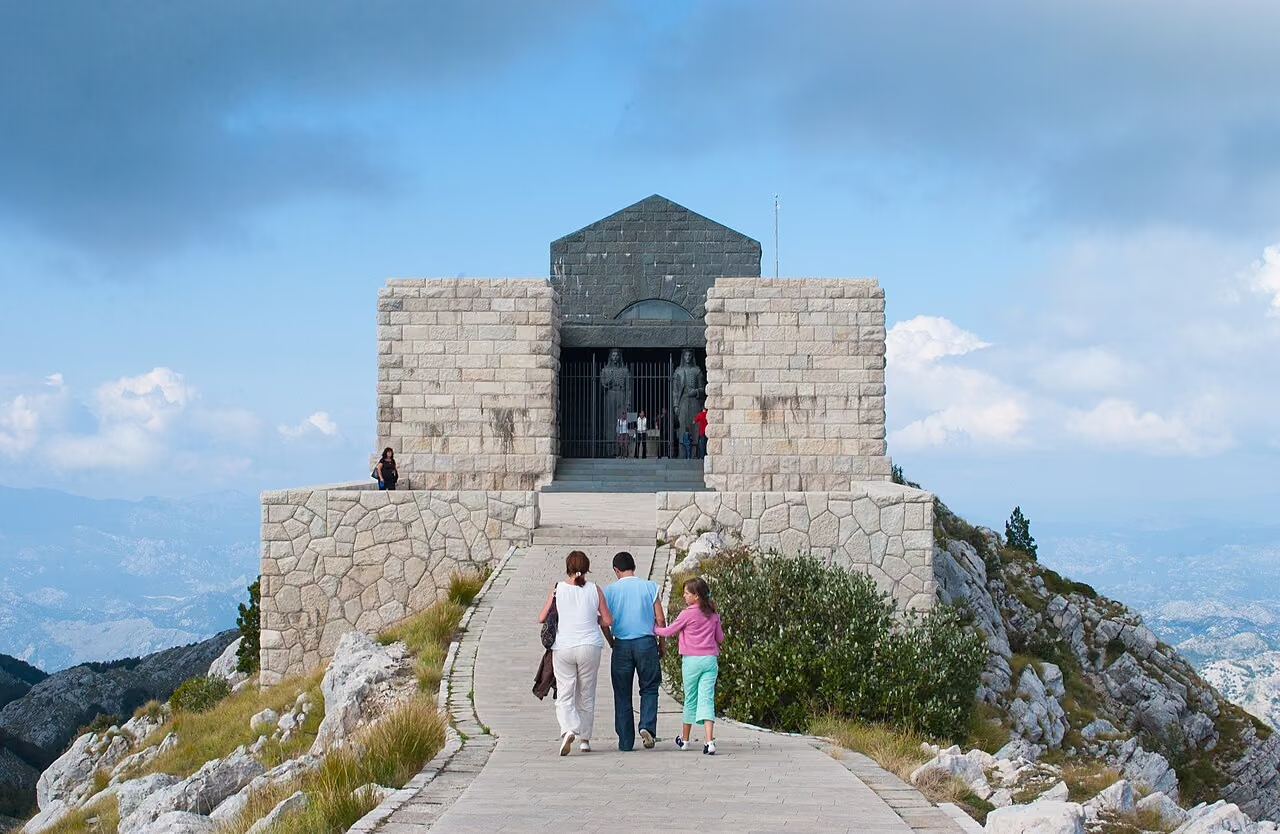
Cetinje
A historic royal capital of museums and a monastery, opening onto Lovćen.
 Guide live
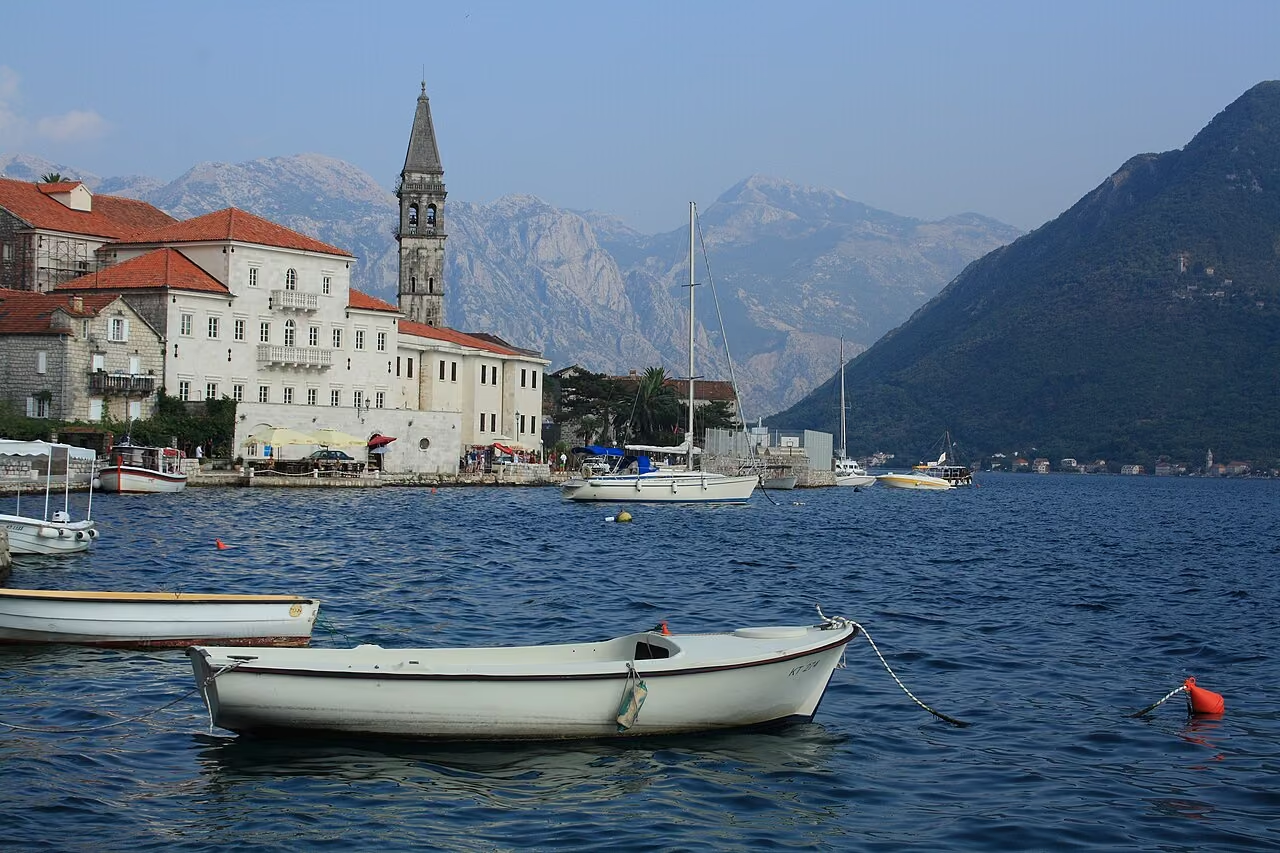
Perast
A slow coastal town on the Bay of Kotor with baroque stone houses and church islands.
 Guide live
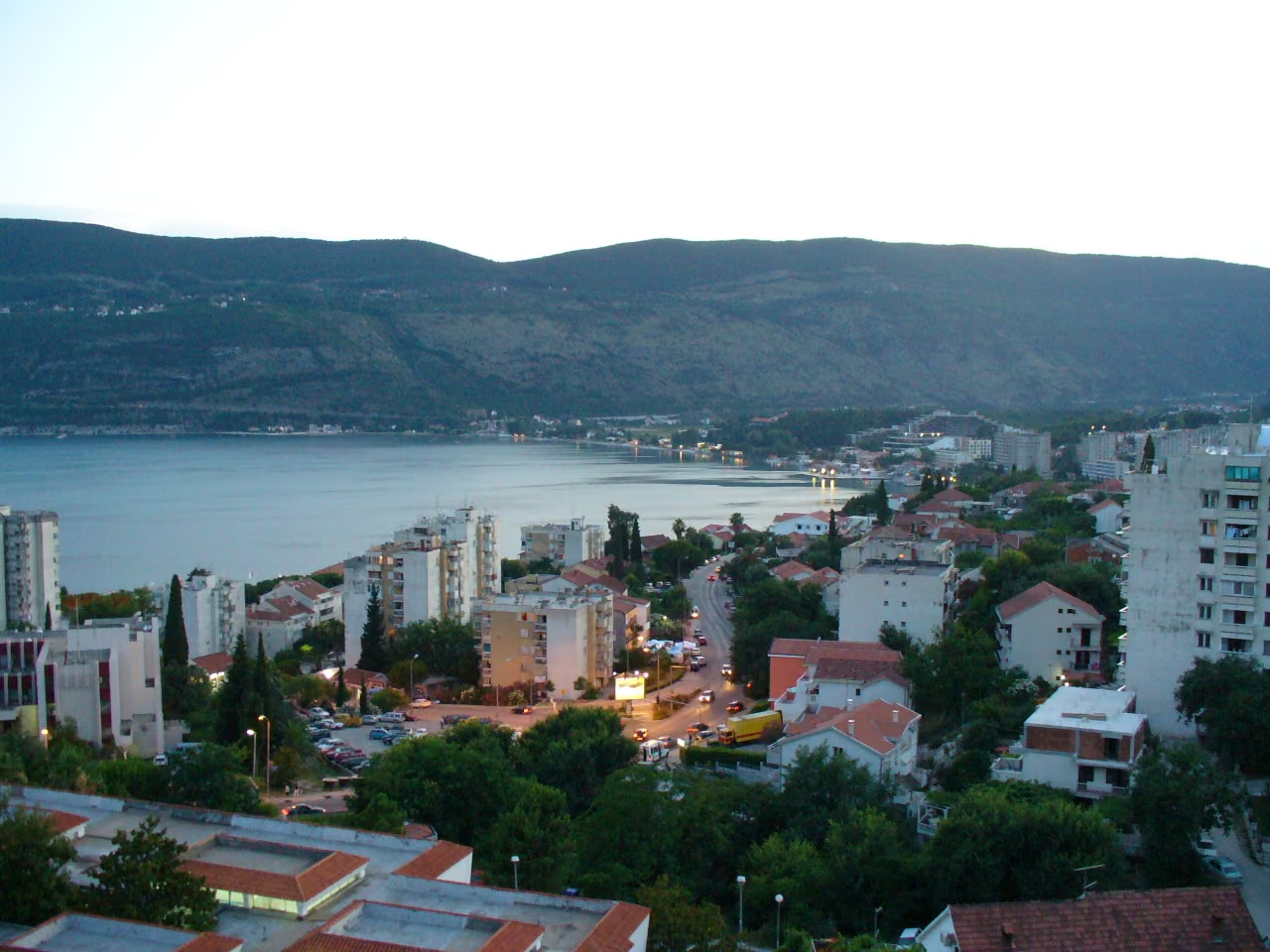
Herceg Novi
A stepped old town, fortresses, mimosa gardens and seaside life at the mouth of the bay.
 Guide live
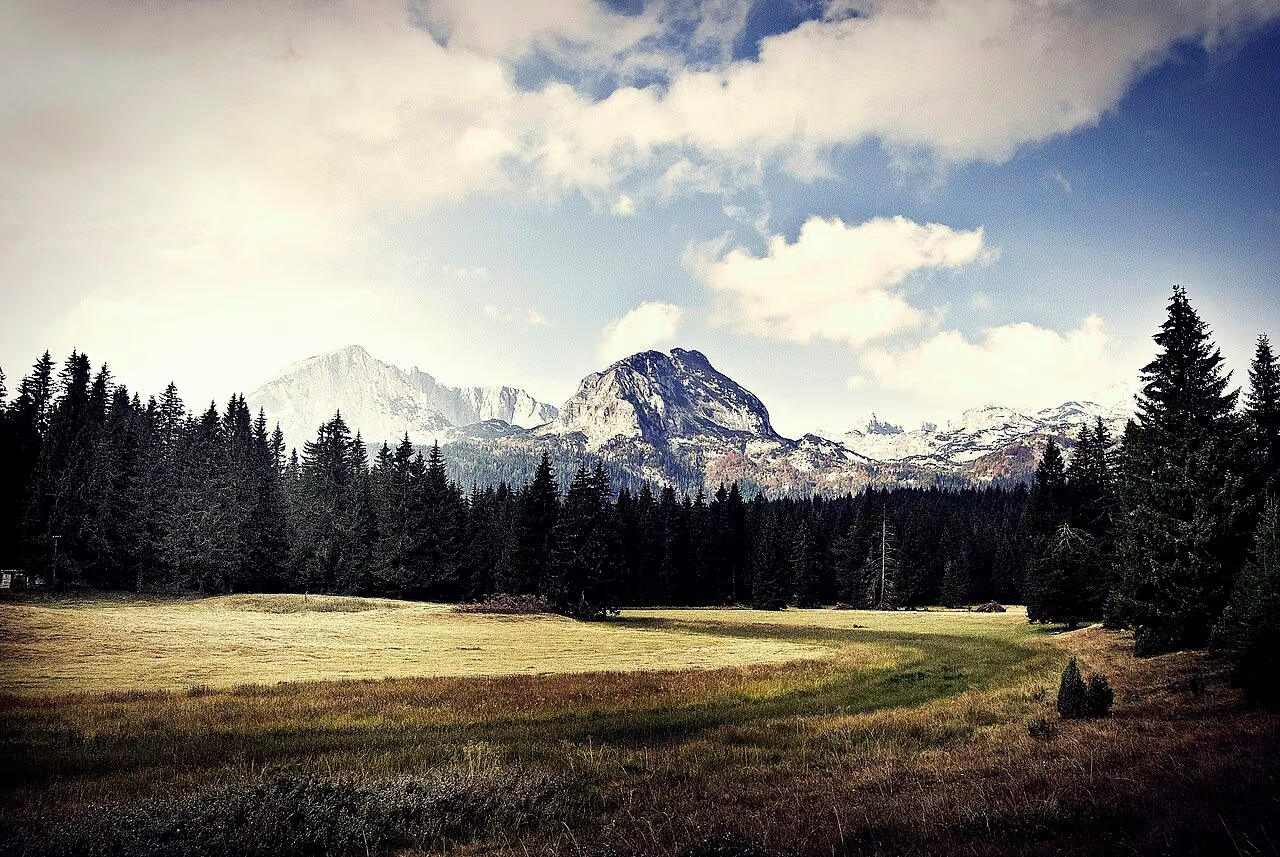
Durmitor
A serious nature route of Žabljak, glacial lakes, high peaks and the Tara Canyon.
 Guide live
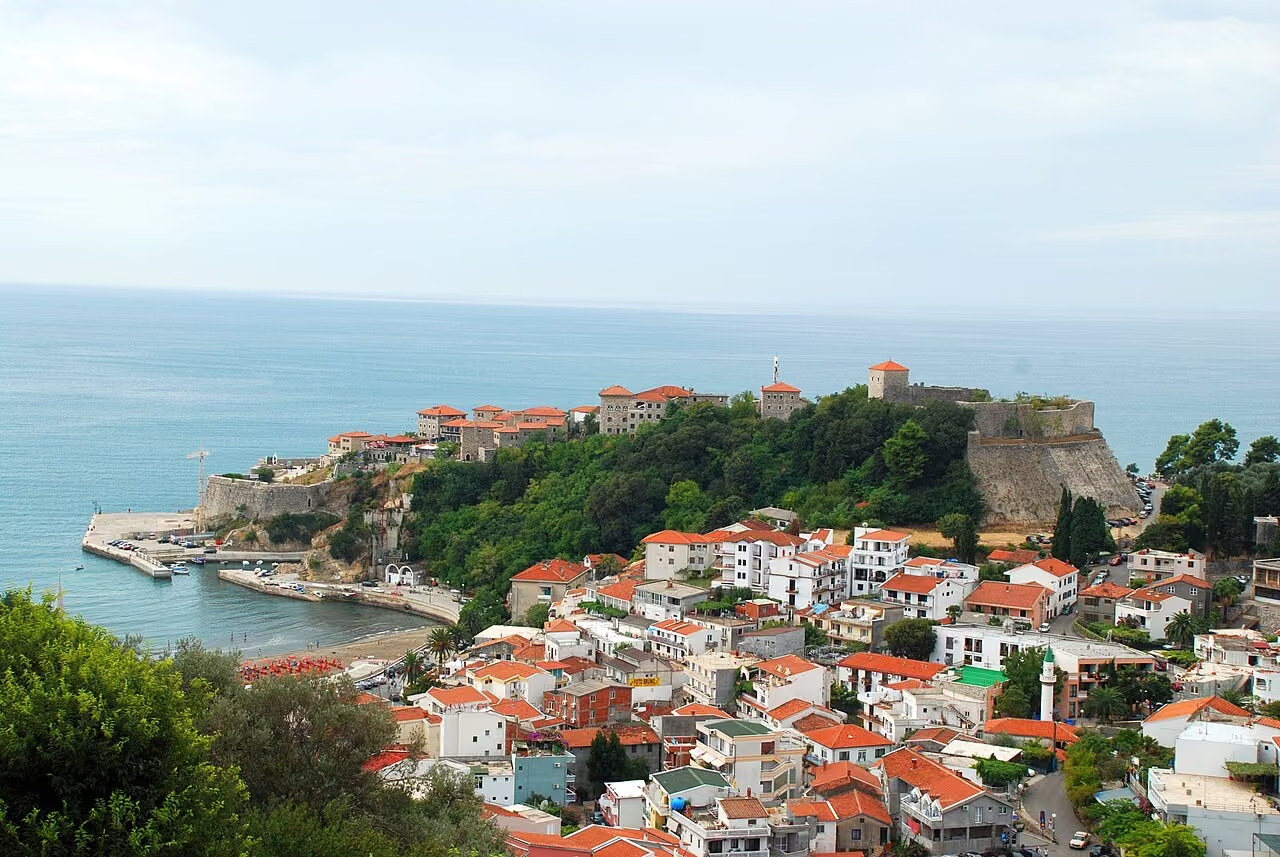
Ulcinj
Long sandy beaches, Albanian–Montenegrin culture, olive groves and the Bojana Delta.
Image credits
- User:Ggia · source · CC BY-SA 3.0
- Nick Savchenko from Kiev, Ukraine · source · CC BY-SA 2.0
- Savo Prelevic · source · CC BY 4.0
- photo by Darko Bulatovic · source · CC BY-SA 4.0
- FrDr · source · CC BY-SA 4.0
- Zlatko at en.wikipedia · source · CC BY-SA 3.0
- Andrea Polereczky · source · CC BY-SA 3.0
- Andrey from Russia · source · CC BY 2.0