🇵🇹 Country guide
Portugal Travel Guide
Slow discovery among Atlantic light, azulejos, historic cities, dramatic coastlines and volcanic islands.
Gateway
Lisbon · LIS
Capital
Lisbon
Best time
March–June · September–October
Budget
Moderate
Don't miss
A sunset walk from the banks of the Douro to the lights of Porto
How to plan a route through Portugal
On a first mainland route, the Lisbon–Coimbra–Porto rail line is a strong backbone; add Sintra from Lisbon and Évora with a separate night. For the Algarve, set up one or two bases between Faro, Lagos and Tavira depending on your interests.
Allow at least six days for Madeira and at least seven for the Azores. Rather than squeezing both archipelagos into a short mainland tour, choose one; keep hiking and boat days movable because of the weather.
What to know before travelling to Portugal
Factor in the Schengen visa and EES registration
Depending on your passport, a short tourist visit is visa-free or needs a Schengen visa; follow the main-destination rule. The EES records external border crossings biometrically. ETIAS does not replace a visa.
CP trains are good value but don't reach every coast
The Lisbon–Porto main line and city suburban trains are easy. The Algarve coast, Sintra's palace hills and the islands need buses or transfers. Check the station name and last connection on your ticket.
Read the couvert and the ATM total
Bread, olives or cheese brought to the table may be charged if you eat them; if you don't want them, send them back untouched. ATMs and terminals may show extra fees and a conversion to your home currency; confirm the euro total.
Don't mistake the ocean for the Mediterranean
Atlantic water, waves, wind and rip currents are serious. Follow the beach flags and don't go past cliff barriers; re-check boat trips, levada walks and island flights against official weather and sea notices.
9–12 days
A first trip to Portugal
Lisbon four nights, Sintra one full day, Coimbra one night and Porto three to four nights; a classic route that's easy by train.
8–11 days
The Alentejo and the Algarve
Two nights in Évora, then two bases in the Algarve between Lagos and Faro/Tavira; calmer outside the summer heat.
Practical information for Portugal
Entry requirements
Portugal is in the Schengen Area. Depending on your passport, you can make short visits visa-free (up to 90 days in any 180) or need a Schengen visa from the country where you'll stay longest. The EES keeps a biometric entry–exit record at the external border; ETIAS isn't a substitute for a visa if your nationality needs one.
Money and payments
The euro is used; cards are widely accepted in Lisbon, Porto and on the tourist islands. Keep cash for small tascas, markets, rural buses and car parks. Some ATMs may show an extra fee; read the total before confirming and decline conversion into your home currency.
Languages
Portuguese is sufficient across the country; English is common in tourist centres. On Madeira and the Azores, local pronunciation may differ; save the official Portuguese names for ferry, hiking and weather announcements.
Phones, internet and apps
Use CP for intercity trains, Carris/Metro in Lisbon and Metro do Porto in Porto; on Madeira and the Azores, local buses and airline sources. On island and coastal routes, check wind, waves and road closures through official channels on the same day.
Budget
Lisbon, the Algarve and island flights rise quickly in high season; tasca meals and booking trains in advance balance the budget.
On a budget plan, a hostel/guesthouse, tascas, advance train tickets and free miradouros; on a mid-range budget, a central room, one good seafood meal and selected museums; and on a comfortable plan, a boutique hotel, private transfers and a boat tour. High-season prices in Lisbon, the Algarve and on island flights exceed the national average.
Cities, coasts and islands to visit in Portugal
The places to visit in Portugal reach well beyond Lisbon and Porto. Sintra offers a romantic cultural landscape, Coimbra university memory and Évora the history of the Alentejo. The Algarve is not a uniform resort but a long coast of western cliffs and eastern lagoons. Madeira and the Azores are not day-trip add-ons to the mainland but independent island journeys that need flight and weather planning.
Original guides are live for all 8 cities
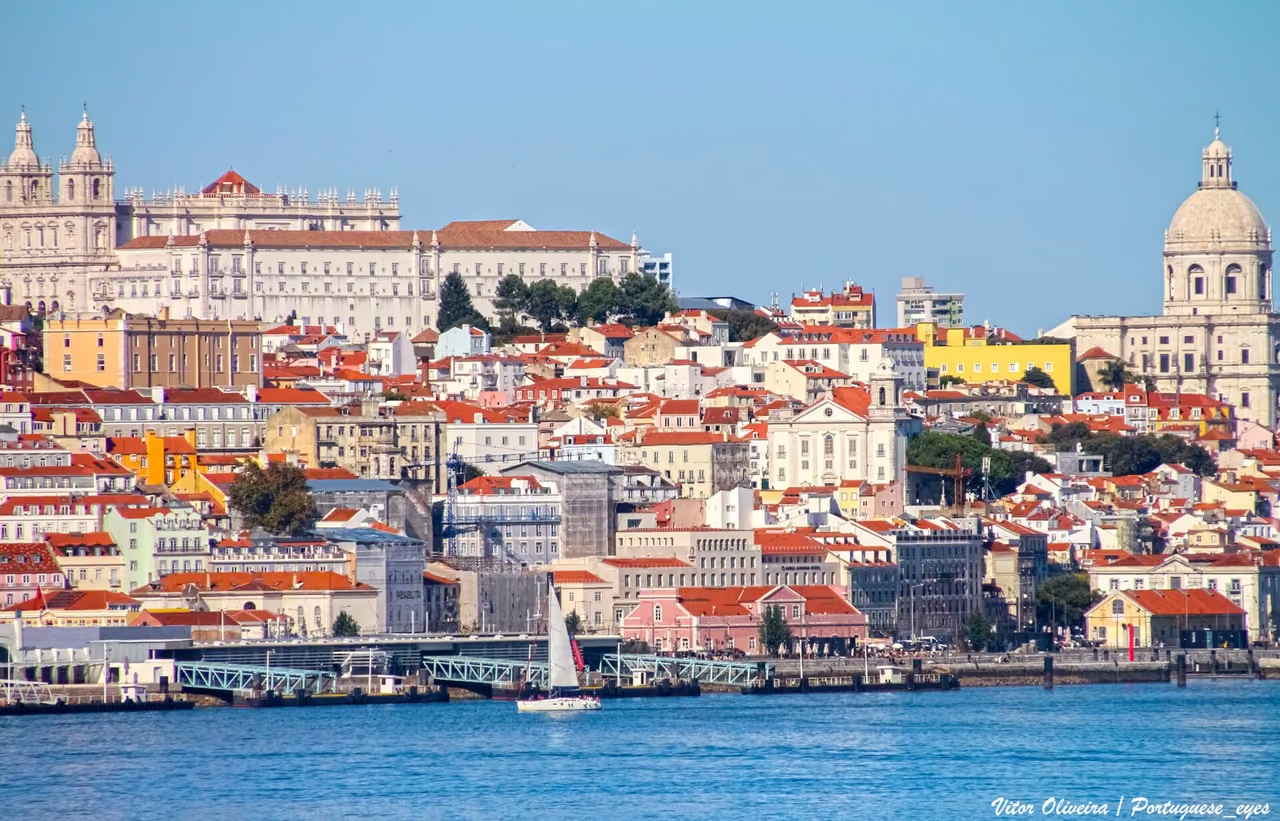 Guide live
Lisbon
A capital that lives by trams on seven hills, miradouros, fado and Atlantic light.
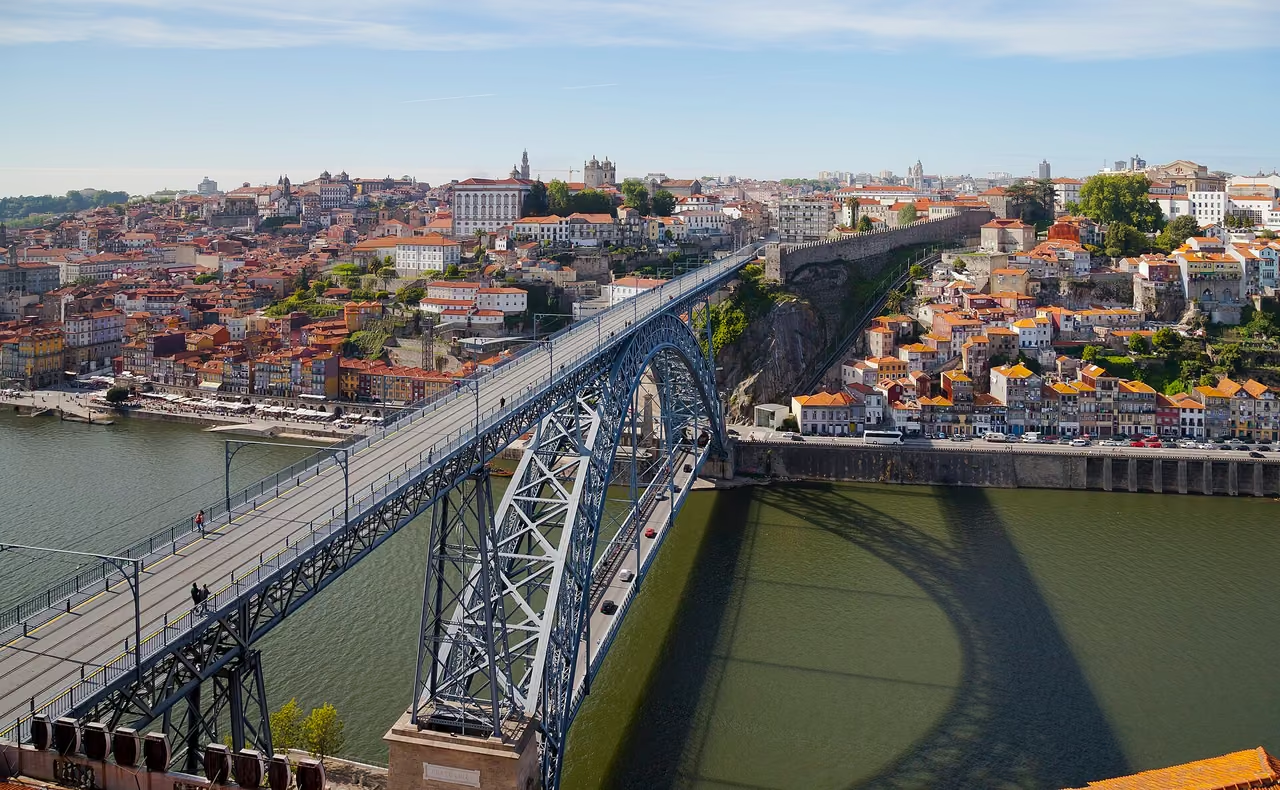 Guide live
Porto
A northern city of the Douro riverfront, granite streets, azulejo halls and the Gaia cellars.
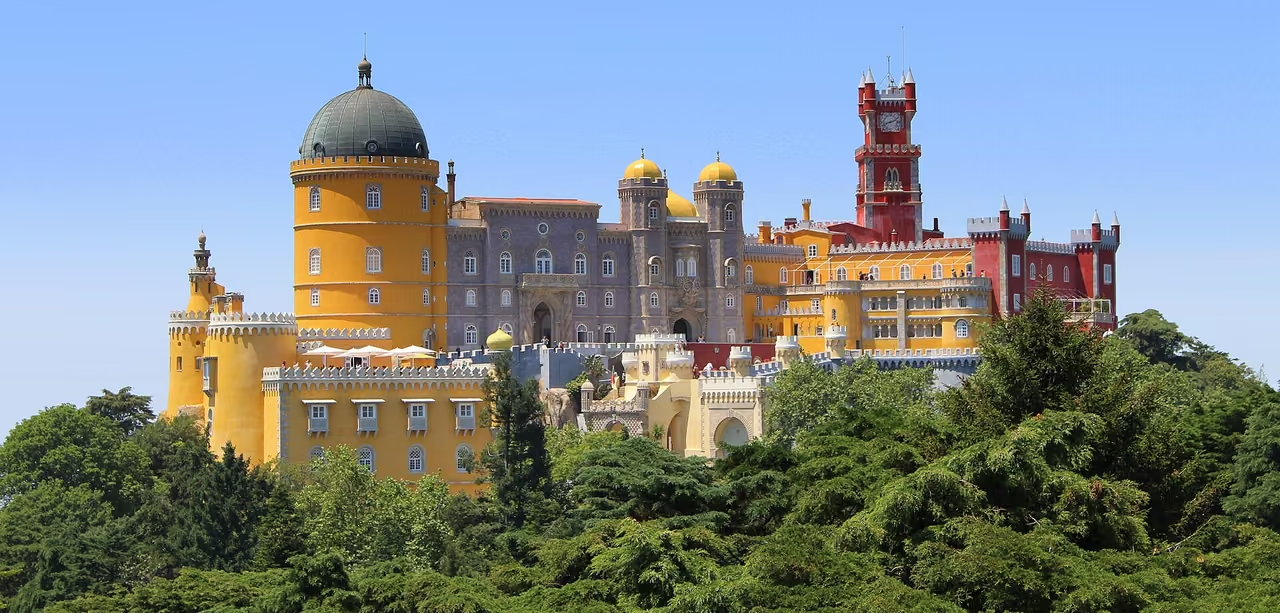 Guide live
Sintra
A romantic landscape of the Pena Palace in misty forest, Moorish walls and Atlantic cliffs.
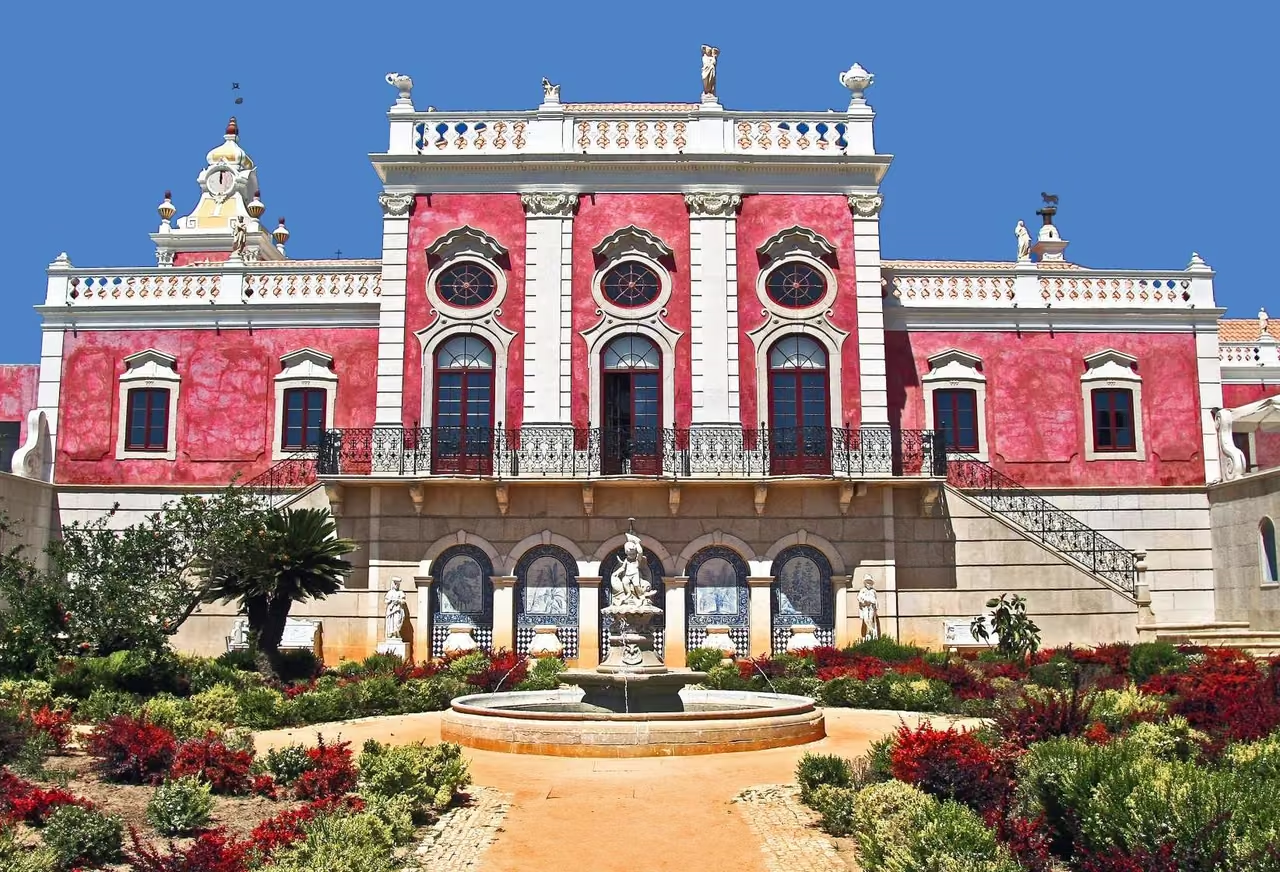 Guide live
Algarve
A southern coast of golden cliffs, the Ria Formosa lagoons and whitewashed fishing towns.
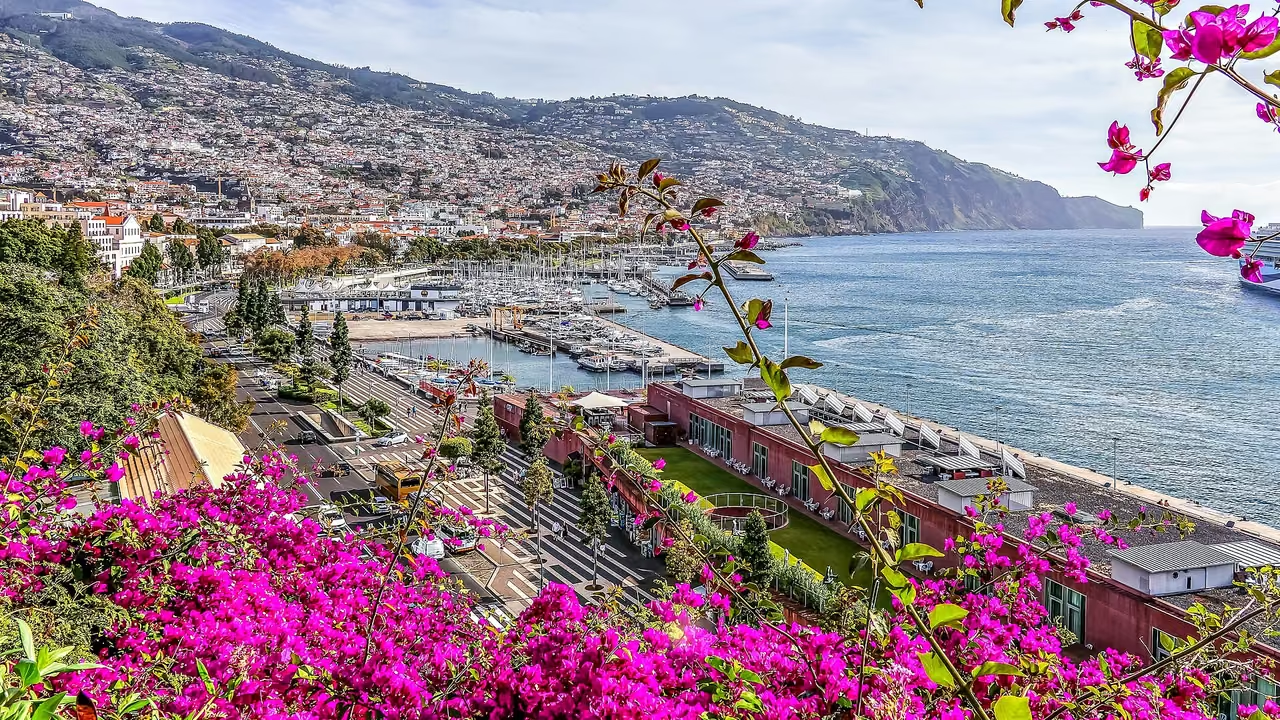 Guide live
Madeira
A four-season island of levada trails, Funchal gardens and steep volcanic coasts.
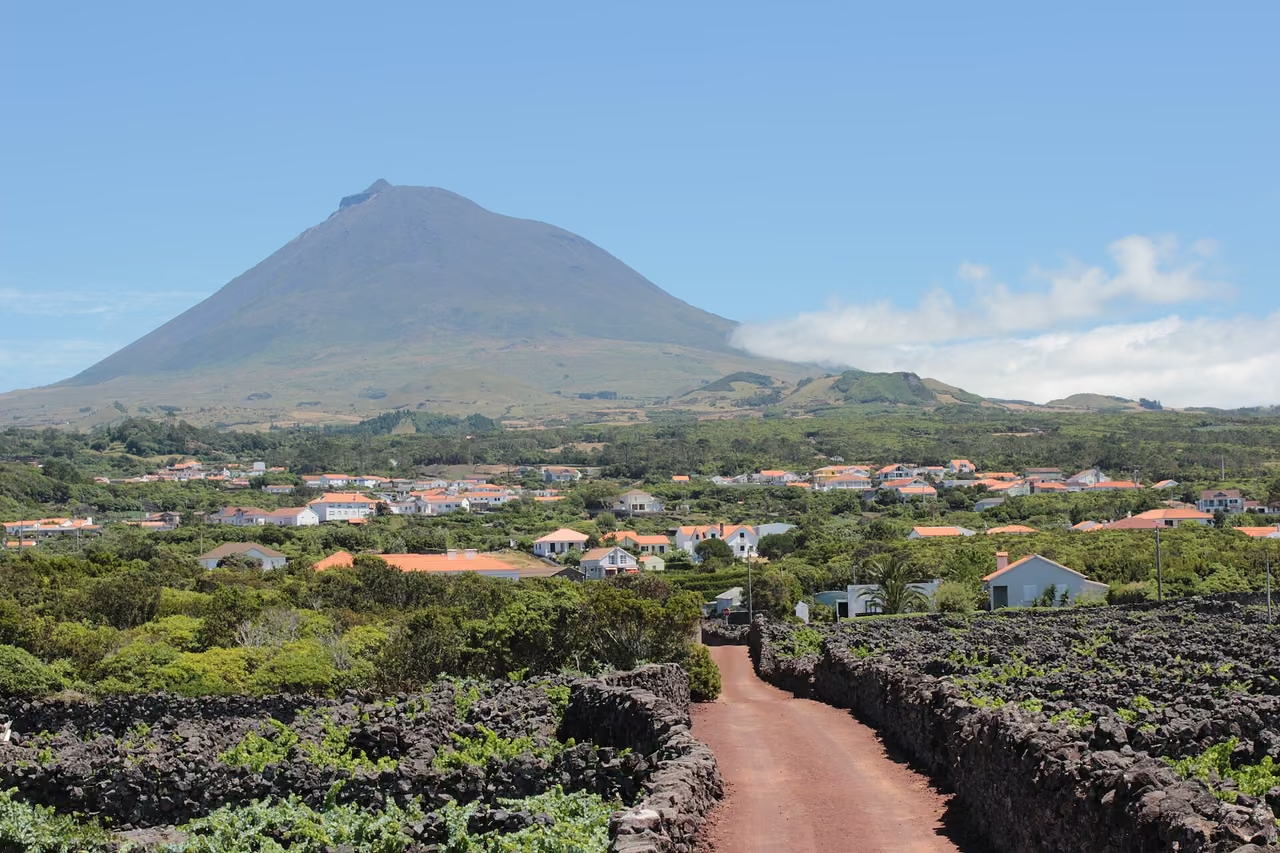 Guide live
Azores
Crater lakes, geothermal valleys, whale watching and Atlantic nature spread over nine islands.
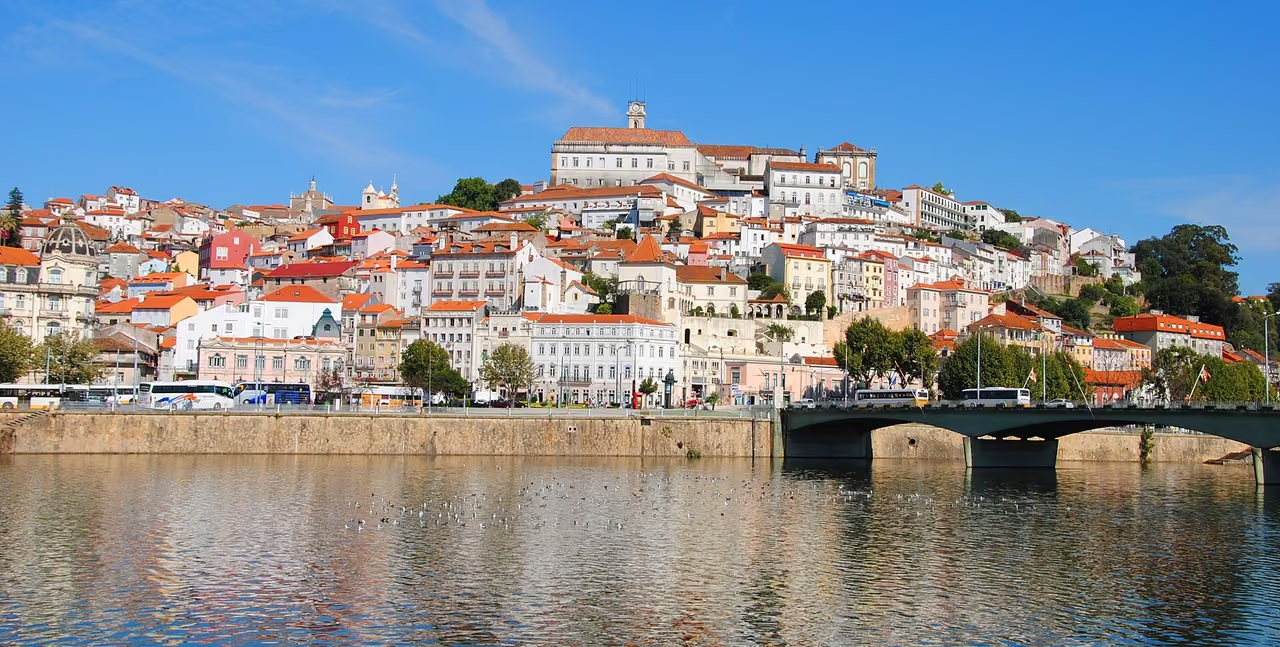 Guide live
Coimbra
A historic university, student traditions, the banks of the Mondego and authentic fado nights.
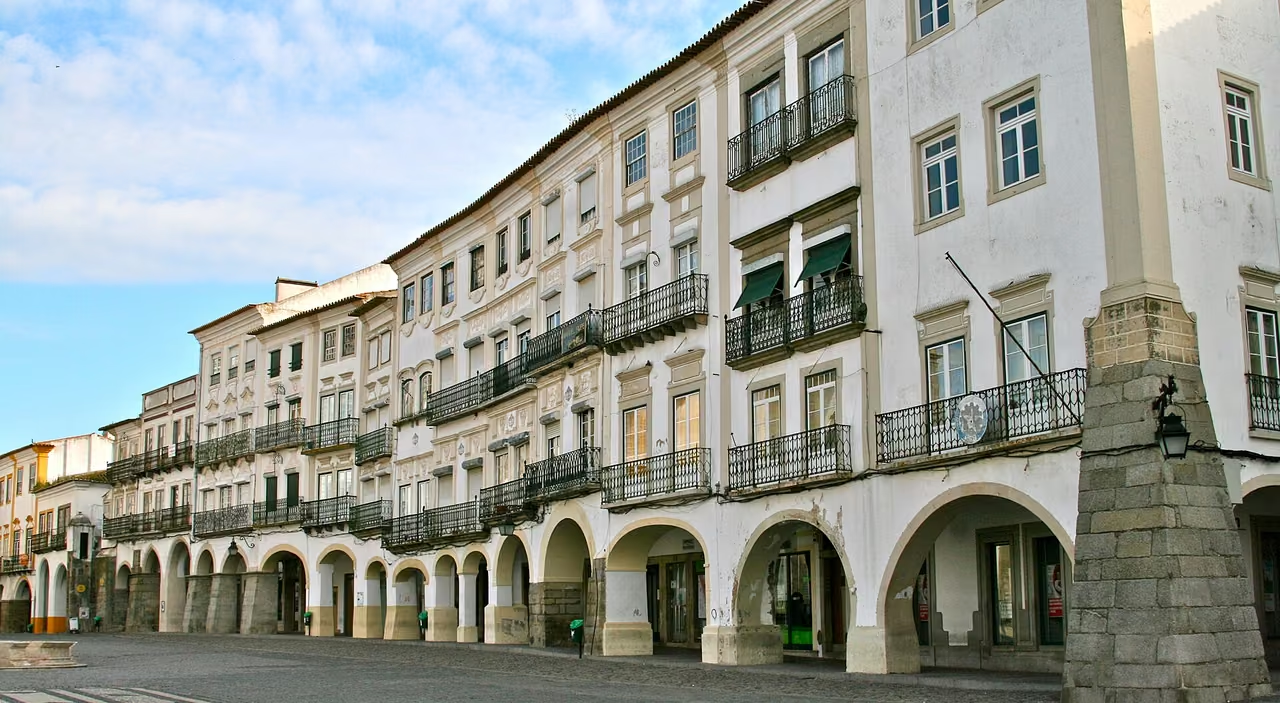 Guide live
Évora
A Roman temple, white streets inside the walls, megaliths and a hearty Alentejo table.
Image credits
- Vitor Oliveira from Torres Vedras, PORTUGAL · source · CC BY-SA 2.0
- Diego Delso · source · CC BY-SA 3.0
- Singa Hitam · source · CC BY 2.0
- Vitor Oliveira from Torres Vedras, PORTUGAL · source · CC BY-SA 2.0
- Dr. Thomas Liptak · source · CC BY-SA 4.0
- JCNazza · source · CC BY 3.0
- Leandro Neumann Ciuffo · source · CC BY 2.0
- François Philipp from Darmstadt, Germany · source · CC BY 2.0