🇸🇮 Country guide
Slovenia Travel Guide
A compact, nature-focused route from the green capital to the Julian Alps, from Karst caves to a short Adriatic coast.
Gateway
Ljubljana · LJU
Capital
Ljubljana
Best time
April–June · September–October
Budget
Moderate
Don't miss
Walking through the Alps from a morning in Bohinj to the turquoise Soča valley
How to plan a route through Slovenia
On a first trip, give Ljubljana three nights, Bled two and Bohinj three. Bled is possible as a day trip, but don't squeeze Bohinj into the same rushed day; check the park shuttle and last bus with current sources.
On the Karst-and-coast line, give Postojna–Predjama two nights and Piran two to three. The Soča Valley and Kranjska Gora are on opposite sides of the mountains; the Vršič Pass is seasonal and weather-dependent. Maribor is a separate train leg in the east.
What to know before travelling to Slovenia
Check whether you need a Schengen visa
Depending on your passport, a short visit to Slovenia is visa-free or needs a type C Schengen visa; if you need one, use only the official, authorised application channel.
Trains are strong but don't solve the last mile
Slovenske železnice is useful on Ljubljana–Maribor and some regional lines; Bled, Bohinj, the Soča and trailheads need buses/shuttles. Check the station name, last connection and bike carriage rules.
The euro is used; add the city tax
Cards are common, but cash is useful for mountain huts, markets and small rural businesses. Budget separately for accommodation tax, caves, cable cars, lake boats, shuttles and parking.
Triglav is a park, not a mountain amusement area
Follow the rules on marked trails, camping/fires, drones, plants and wildlife. For high routes, plan the weather, equipment, huts, rescue insurance and, where needed, a licensed guide.
Cave and gorge conditions differ
Postojna/Škocjan are cool, stepped, timed tours; the Soča/Vintgar depend on water levels and seasonal closures. Follow the official operator's daily notice, not old blog times.
8–11 days
A first trip to Slovenia
The capital three, Bled two, Bohinj three to four nights; a weather buffer for lake and mountain days.
6–8 days
The Karst and the Adriatic
Cave/castle two, coast three nights; add only one of Škocjan or Lipica.
9–12 days
The Julian Alps
Four to five nights per base; if the Vršič is closed, use the rail/bus alternative.
4–6 days
Eastern Slovenia
Maribor three nights; choose either Ptuj or the Jeruzalem vineyards as a separate day.
Practical information for Slovenia
Entry requirements
Slovenia is in the Schengen Area: depending on your passport, you can stay visa-free for up to 90 days in any 180 or need a Type C Schengen visa. If you need one and Slovenia is your main destination, apply only through Slovenia's official representation or its authorised application channel.
Money and payments
The euro is used. Cards are common in cities and tourist businesses; cash is needed at mountain huts, markets, small guesthouses and some bus/parking points. Read ATM fees, choose euros and add city tax to the displayed room price.
Languages
Slovenian is the official language; Italian and Hungarian have co-official status in certain areas. English is common in tourism; save mountain routes, stops and accommodation names in Slovenian spelling. Match Italian/Croatian look-alike place names with the right country and station.
Phones, internet and apps
Slovenske železnice is useful for Ljubljana–Maribor, the Bled area and some coastal connections; Bohinj, the Soča and mountain villages require buses/shuttles. Check park reservations, roadworks, the last bus, cable cars and mountain weather on the day; carry an offline map.
Budget
Budget separately for trains/buses, cave tickets, lake boats, park shuttles and mountain transport; don't mistake a small country map for low daily costs.
On a budget plan, think guesthouses/hostels, trains and buses, supermarkets/gostilnas and hiking; mid-range brings central rooms, caves, lake boats and shuttles; a comfortable plan features lake/mountain hotels, good restaurants and private transfers. Summer in Bled, ski weeks and weekend spa prices push up the average.
Cities and nature routes to visit in Slovenia
The places to visit in Slovenia spread across four geographies on a compact map. Ljubljana is a river capital shaped by Plečnik; Bled the iconic lake and Bohinj Triglav's serious nature base. Piran opens up the short Adriatic coast and Postojna–Predjama the Karst underground. The Soča is a turquoise river and war memory, Maribor the eastern vineyards, and Kranjska Gora a high-Alpine route on the Vršič–Planica axis.
Original guides are live for all 8 cities
 Guide live
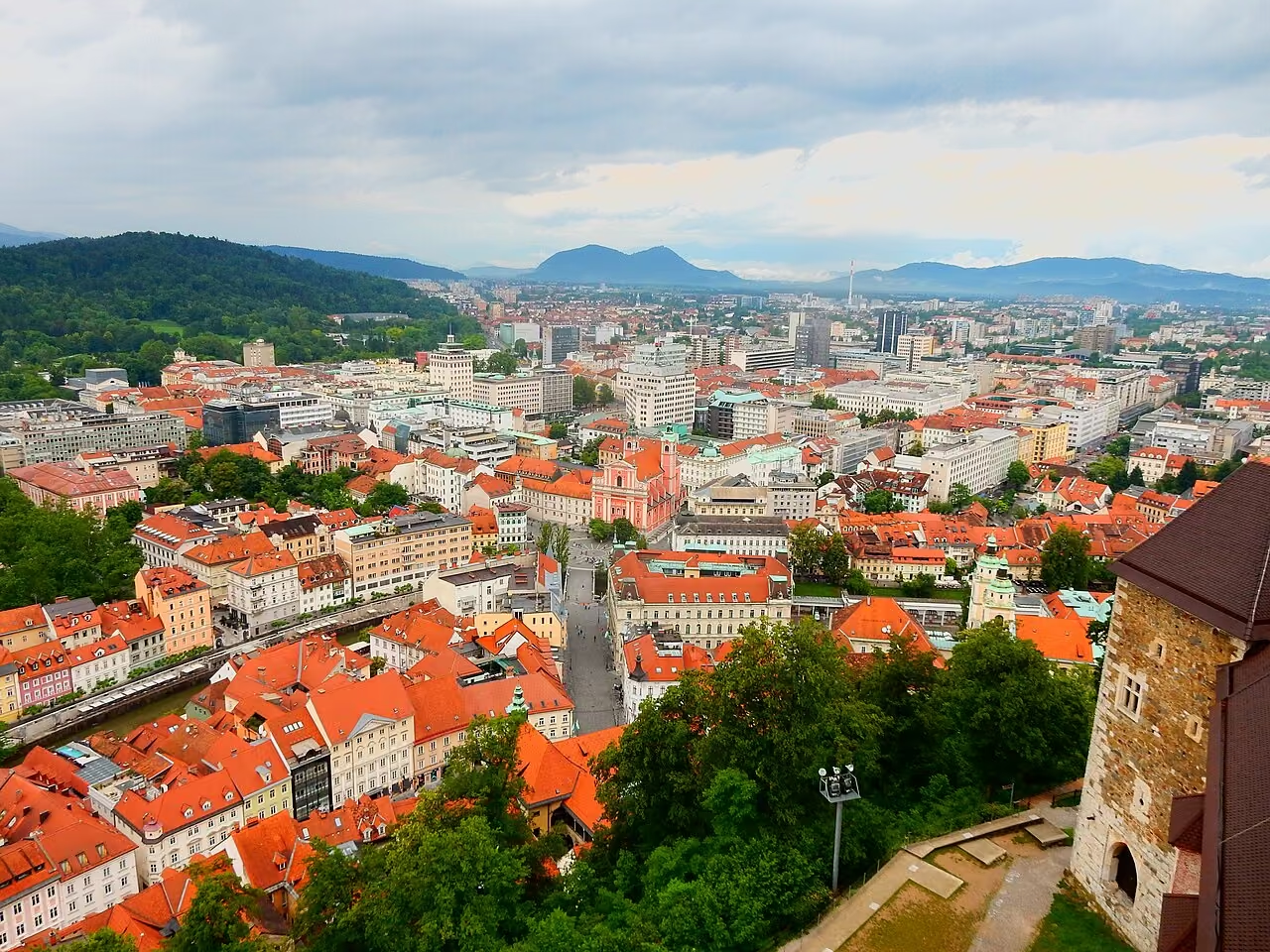
Ljubljana
A green capital of Plečnik architecture, the riverbank, the castle and car-free living.
 Guide live
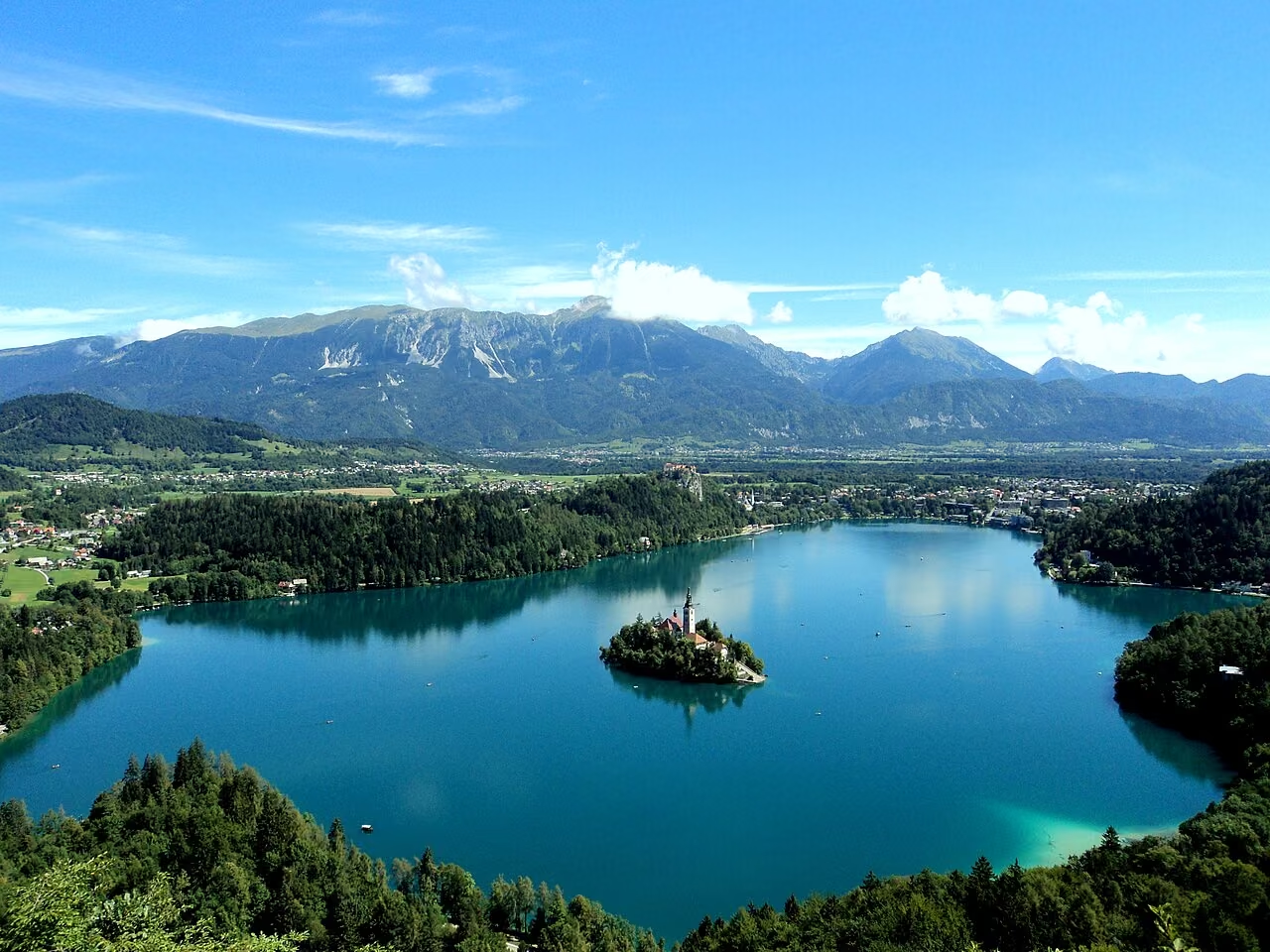
Lake Bled
An iconic lake route of the island church and a cliff-top castle set against the Julian Alps.
 Guide live
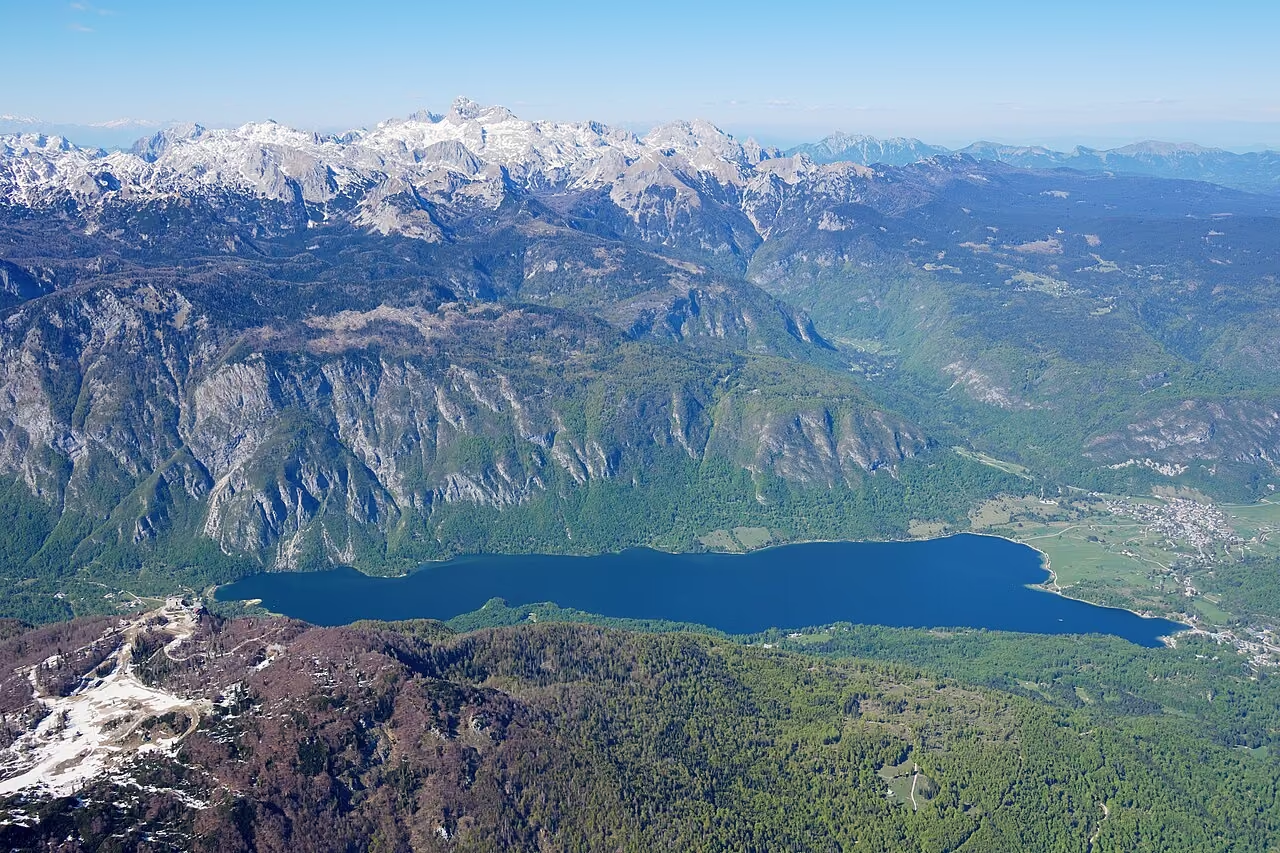
Bohinj
A large glacial lake, waterfalls and high mountain trails in Triglav National Park.
 Guide live
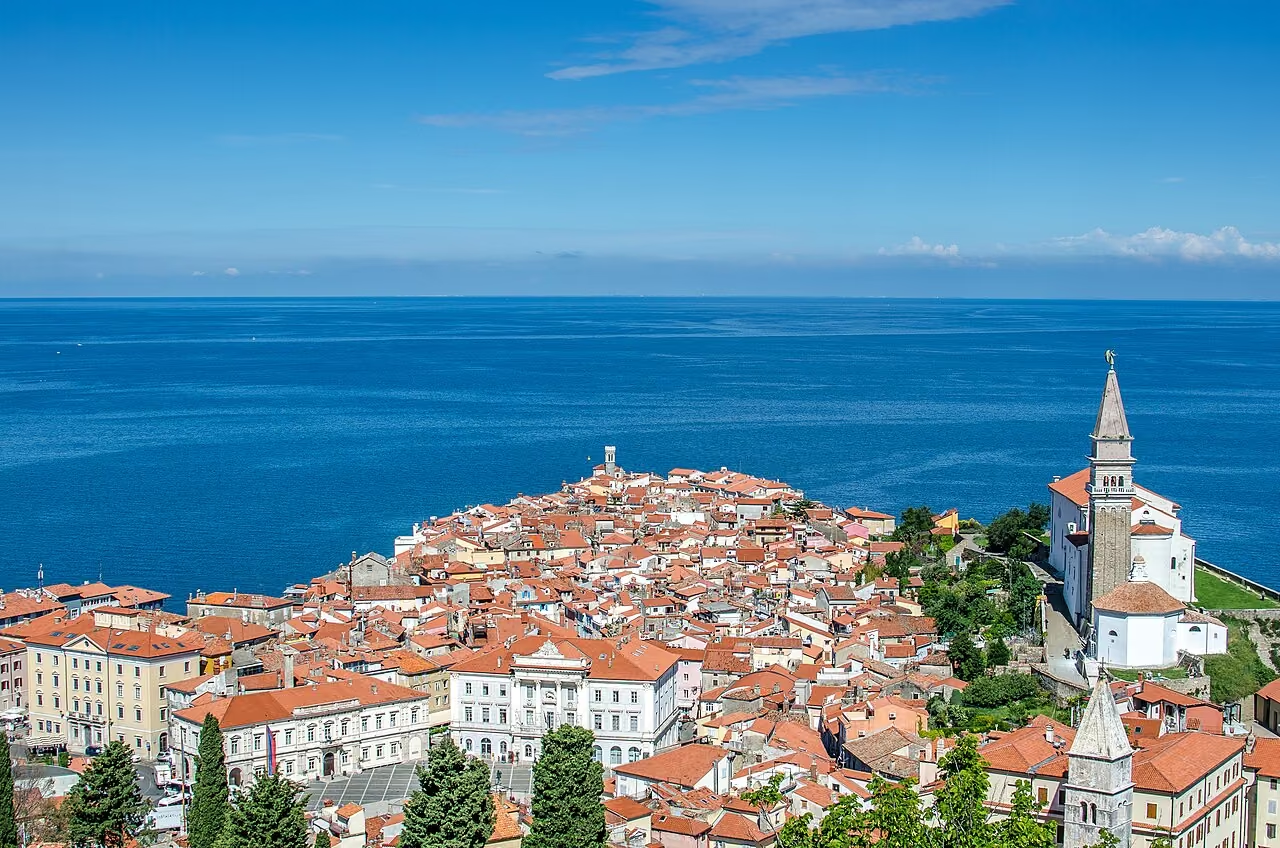
Piran
Venetian coastal architecture, Tartini Square, town walls and the Sečovlje salt pans.
 Guide live
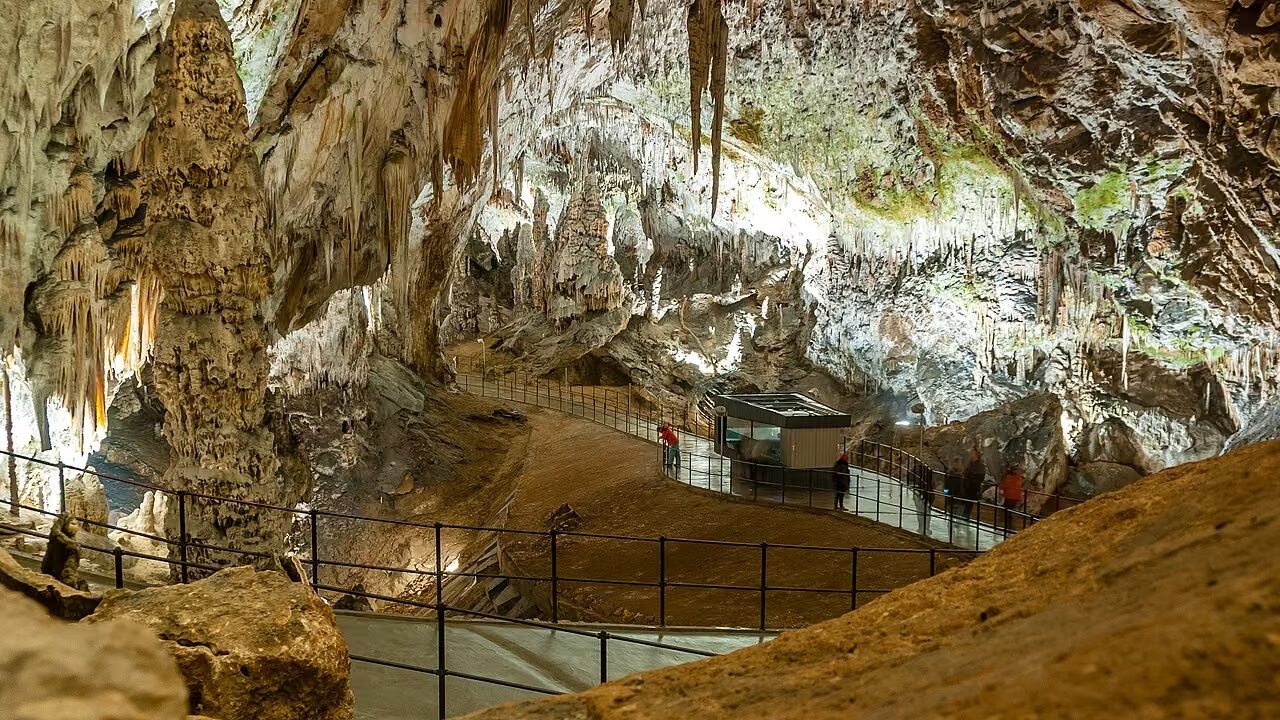
Postojna and Predjama
The great Karst cave, an underground train, the olm and a castle in the mouth of a cliff.
 Guide live
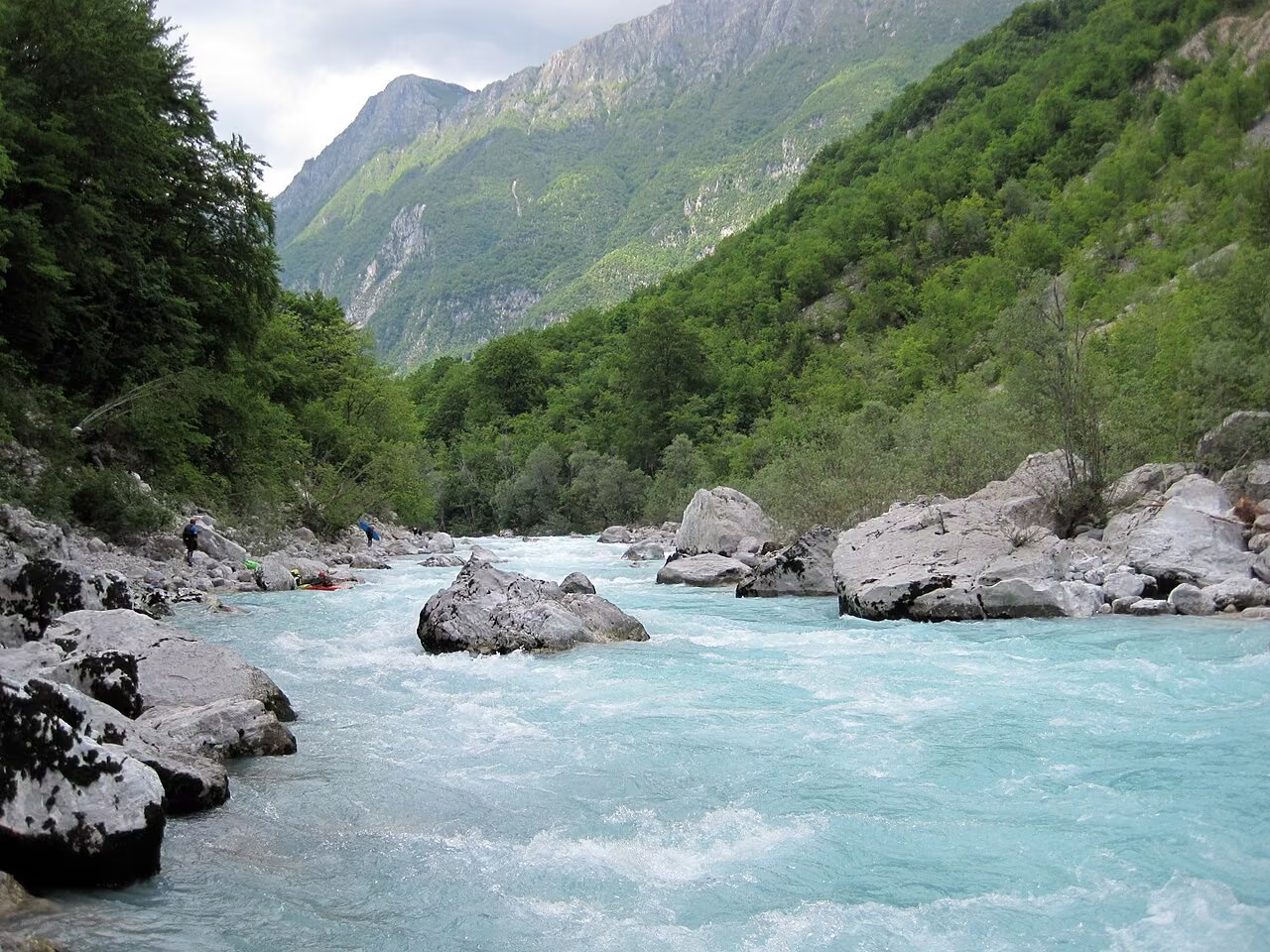
Soča Valley
A turquoise river, rafting, waterfalls and the mountain memory of the Isonzo Front.
 Guide live
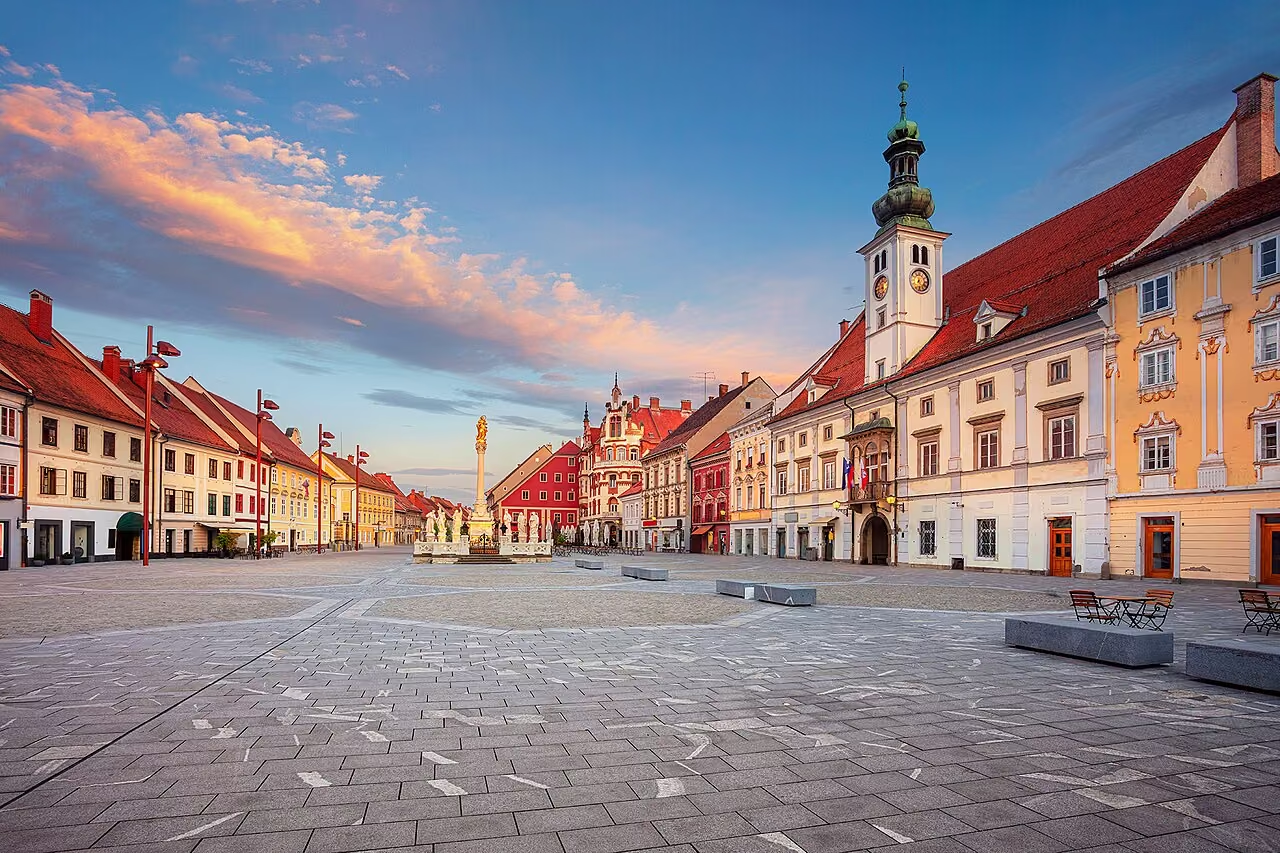
Maribor
The banks of the Drava, the oldest vine, the Pohorje forests and Styrian vineyards.
 Guide live
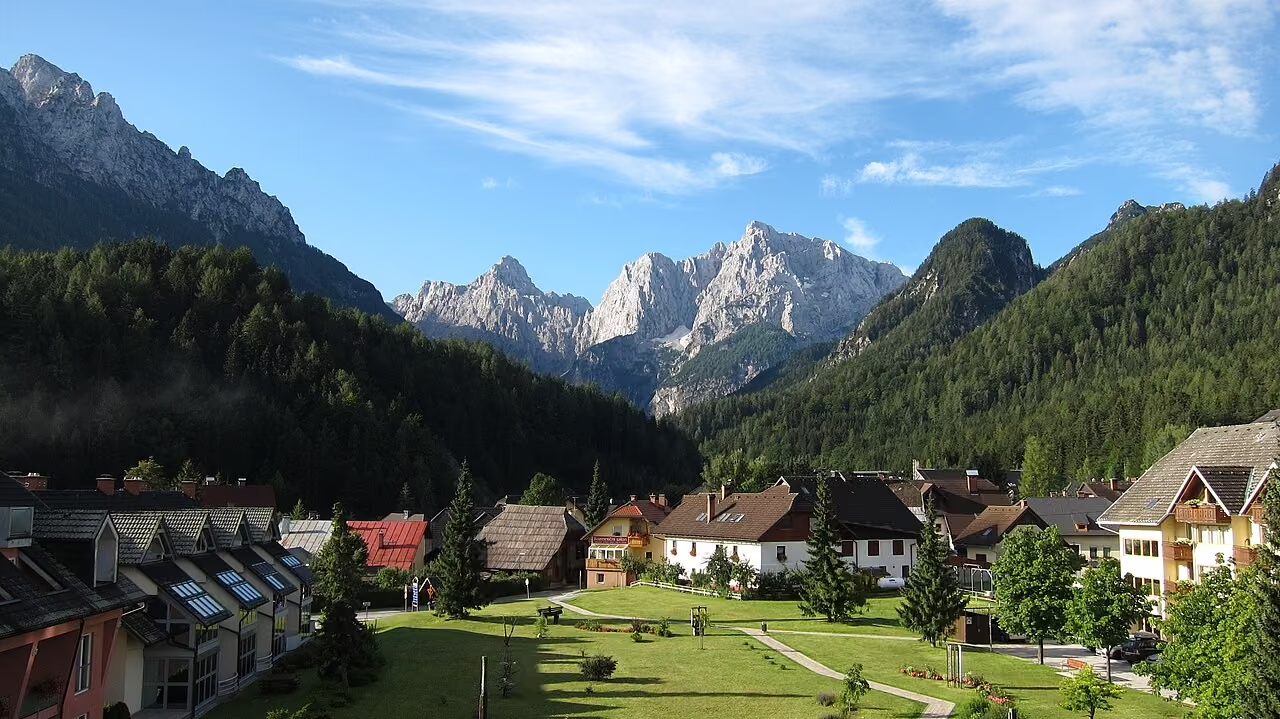
Kranjska Gora
An Alpine base with Jasna, Vršič, Planica and outdoor experiences in all four seasons.
Image credits
- Canadianhockey91 · source · CC BY-SA 3.0
- Andrew Milligan Sumo · source · CC BY 2.0
- Carsten Steger · source · CC BY-SA 4.0
- Etienne O. Dallaire · source · CC BY 4.0
- Ivan Ivankovic from Dubrovnik, Croatia · source · CC BY 2.0