🇨🇭 Country guide
Switzerland Travel Guide
A route that ties four language regions together through a precise rail network, lakeside cities, high Alpine villages and world-class art.
Gateway
Zurich · ZRH
Capital
Bern
Best time
May–October · December–March
Budget
High
Don't miss
Seeing the Matterhorn's face clear for the first time from the Gornergrat train
How to plan a route through Switzerland
On a first trip to Switzerland, linking the Zurich–Lucerne–Bern line by train and adding either Interlaken or Zermatt is balanced for 9–12 days. Geneva–Lausanne–Lavaux is the French-speaking axis in the west; St. Moritz–Bernina is a separate eastern leg. Even if door-to-door times look short, hotel changes, mountain trains and weather buffers reduce real sightseeing time.
SBB powerfully combines nationwide train, bus and many boat connections. Even so, the coverage of cable cars, private mountain railways, panoramic carriage reservations and city guest cards can differ. Before buying a pass, compare single tickets, the Half Fare Card and pass totals for your actual route.
What to know before travelling to Switzerland
Switzerland is in Schengen but not in the EU
Switzerland is in the Schengen Area but not a member of the European Union. Depending on your passport, a short tourist visit is visa-free or needs a Schengen visa from the authorised official application centre under the main-destination rule; the EES keeps biometric entry–exit records and ETIAS does not replace a visa.
Don't mistake an SBB ticket for a mountain operator's
SBB shows most door-to-door connections, but discounts, reservations and validity differ on the Gornergrat, Jungfrau, Pilatus, Rigi, Corviglia or the Bernina panoramic carriage. Check the last descent, maintenance and weather separately with the relevant operator.
Use Swiss francs and decline dynamic currency conversion
Cards are common; a small amount of CHF is useful for small mountain huts and rural machines. Even where euros are accepted, the rate and change may be unfavourable. Choosing CHF instead of your home currency or euros on the card terminal keeps the cost more visible.
In the mountains, visibility, altitude and closures come before the ticket
Clear weather in town can mean fog, wind or snow at the summit. Check MeteoSwiss and the operator's live status; climb slowly at high altitude, carry suitable layers and don't enter closed trails. Confirm rescue and mountain-activity cover with your insurer.
Save local station names across the four language regions
German, French, Italian and Romansh vary by region. English is widespread, but station, mountain line and last-bus announcements may be in the local language. Save your ticket screen, hotel address and stop names offline.
9–12 days
A first trip to Switzerland
Zurich two to three, Lucerne two, Bern two and Interlaken three to four nights; a classic car-free backbone on the SBB network.
5–7 days
The French-speaking lakeshore
Two to three nights in Geneva and two to three in Lausanne; add Lavaux, Vevey and Montreux by train.
4–6 days
An in-depth Matterhorn route
Separate the Gornergrat, Sunnegga and village days with a weather buffer; don't do Zermatt as a rushed day trip from Interlaken.
5–8 days
The Engadine and the Bernina
From a St. Moritz or Pontresina base: the lakes, Morteratsch and the Bernina–Tirano line; compare a panoramic reservation with the regular train.
Practical information for Switzerland
Entry requirements
Switzerland is part of Schengen but not an EU member. Depending on your passport, short tourist visits are visa-free or need a Schengen visa from the authorised official centre under the main-destination rule. The EES keeps a biometric entry–exit record at the external border; ETIAS doesn't replace a visa for travellers who need one.
Money and payments
The Swiss franc is used. Card and contactless payments are very common; a small amount of francs is useful for small mountain huts, markets, lockers or rural vending machines. Some places accept euros but may give change in francs at a poor rate; choose CHF on the terminal.
Languages
German, French, Italian and Romansh are the official languages; the language of signs and announcements changes from region to region. English is common at tourist sites. Saving station and mountain line names in their local spelling makes it easier to follow transfer and last-descent announcements.
Phones, internet and apps
The SBB app shows trains, buses, boats and many mountain connections in one plan; however, read separately about the validity of cable cars, private mountain railways and seat reservations. A non-EU mobile line isn't automatically covered by EU roaming in Switzerland. On mountain days, check MeteoSwiss, operating status and the last descent time on the day.
Budget
List accommodation, mountain railways, cable cars and panoramic lines separately; compare the Swiss Travel Pass with the total of individual tickets based on your actual route.
On a budget plan, think hostels, supermarket meals, public fountains and pre-booked transport; mid-range brings central rooms, a few museums and one mountain line; a comfortable plan features good hotels, panoramic trains, cable cars and long dinners. The Swiss Travel Pass isn't automatically the cheapest option on every route; compare it with the Half Fare Card and the total of single tickets.
Cities and Alpine routes to visit in Switzerland
The places to visit in Switzerland are more than a list of panoramic trains. Zurich opens up art and lakeside life, Bern its UNESCO-listed capital fabric and Lucerne central lake–mountain connections. Geneva and Lausanne represent the French-speaking lakeshore, Interlaken the Jungfrau region, Zermatt the Matterhorn and St. Moritz the Engadine and the Bernina line. On a short trip, rather than collecting every mountain resort, choose one city backbone and a single Alpine region.
Original guides are live for all 8 cities
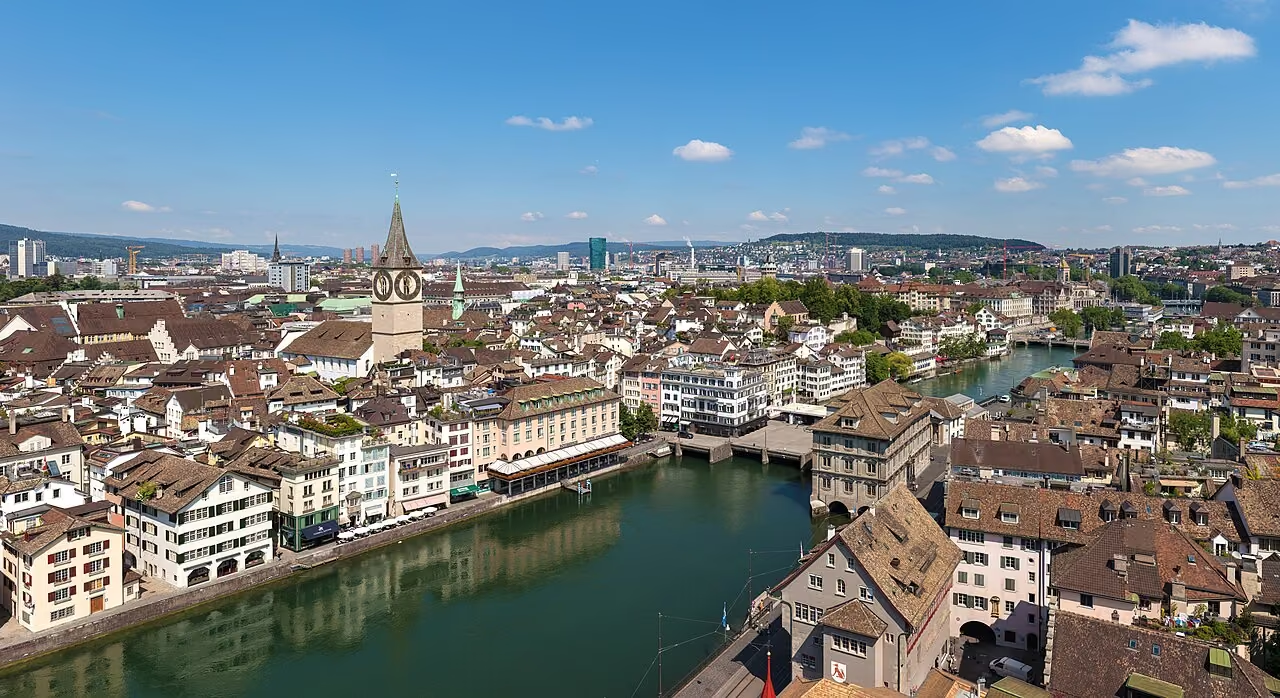 Guide live
Zurich
The Limmat old town, the lakeshore, great art collections and creative western neighbourhoods.
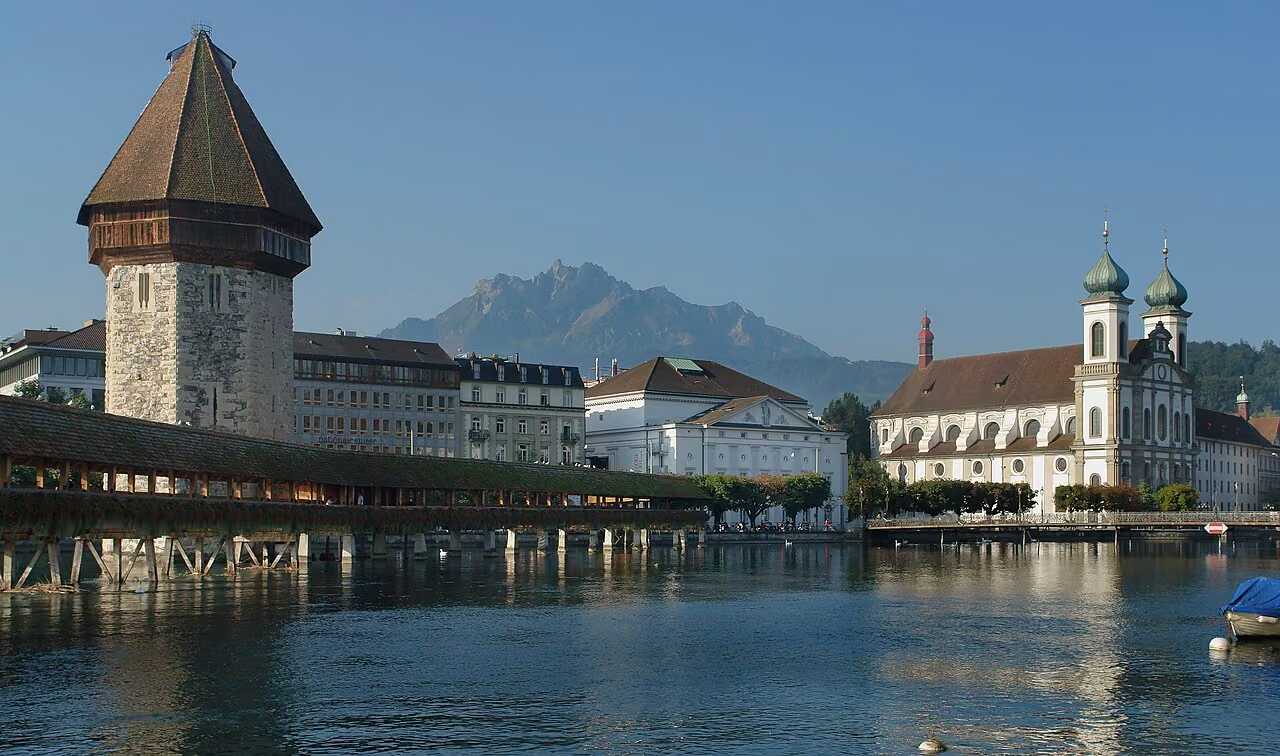 Guide live
Lucerne
A central base combining the Chapel Bridge, Lake Lucerne and the Pilatus–Rigi mountain lines.
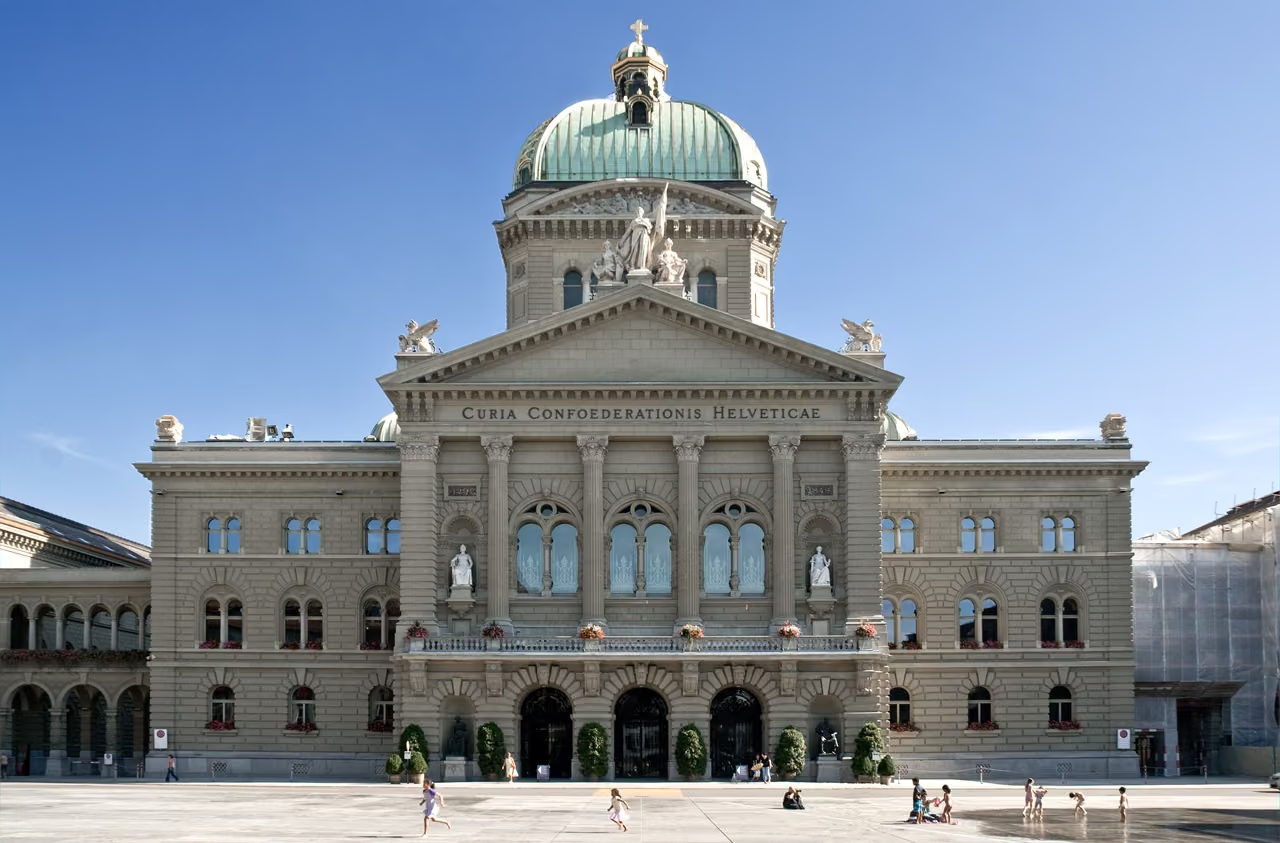 Guide live
Bern
A UNESCO old town in a bend of the Aare, sandstone arcades and the calm rhythm of the federal capital.
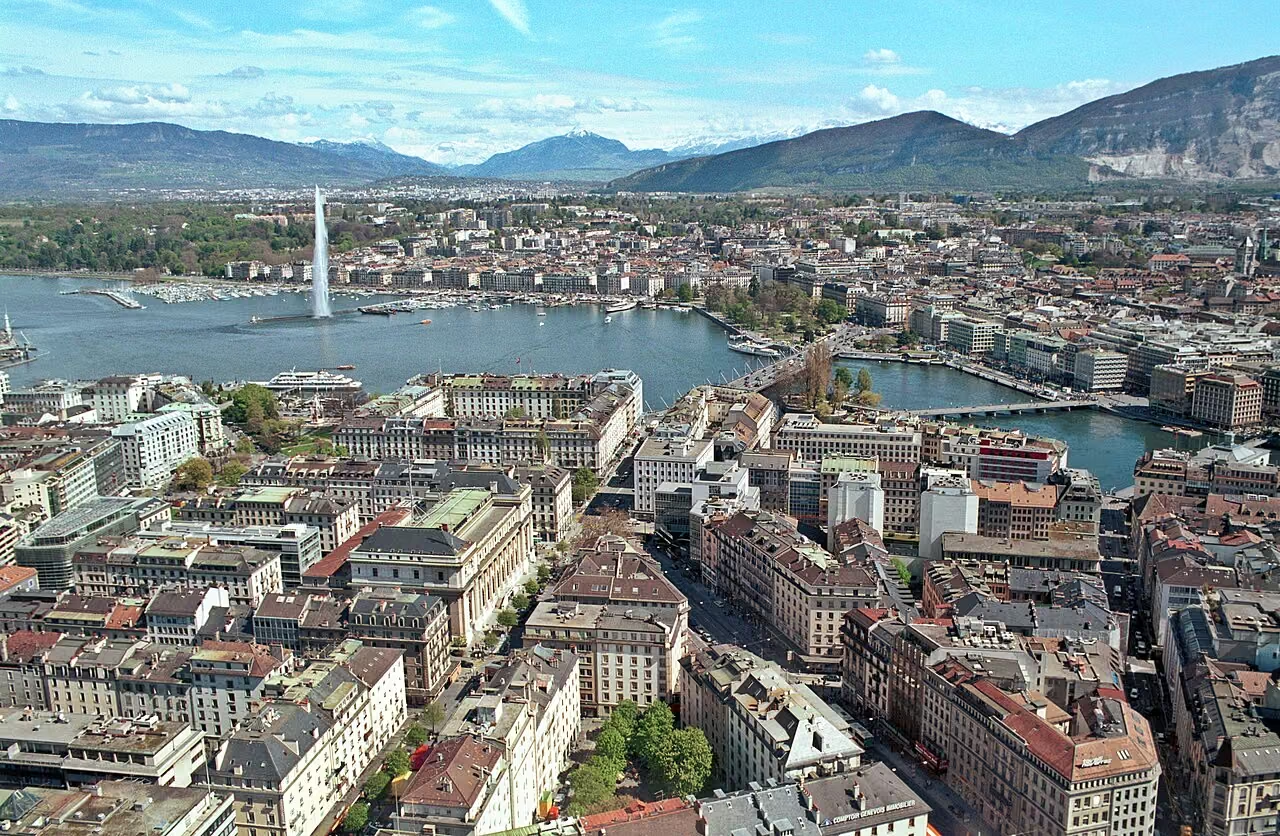 Guide live
Geneva
Lake Geneva, international institutions, science and French-speaking neighbourhood culture.
 Guide live
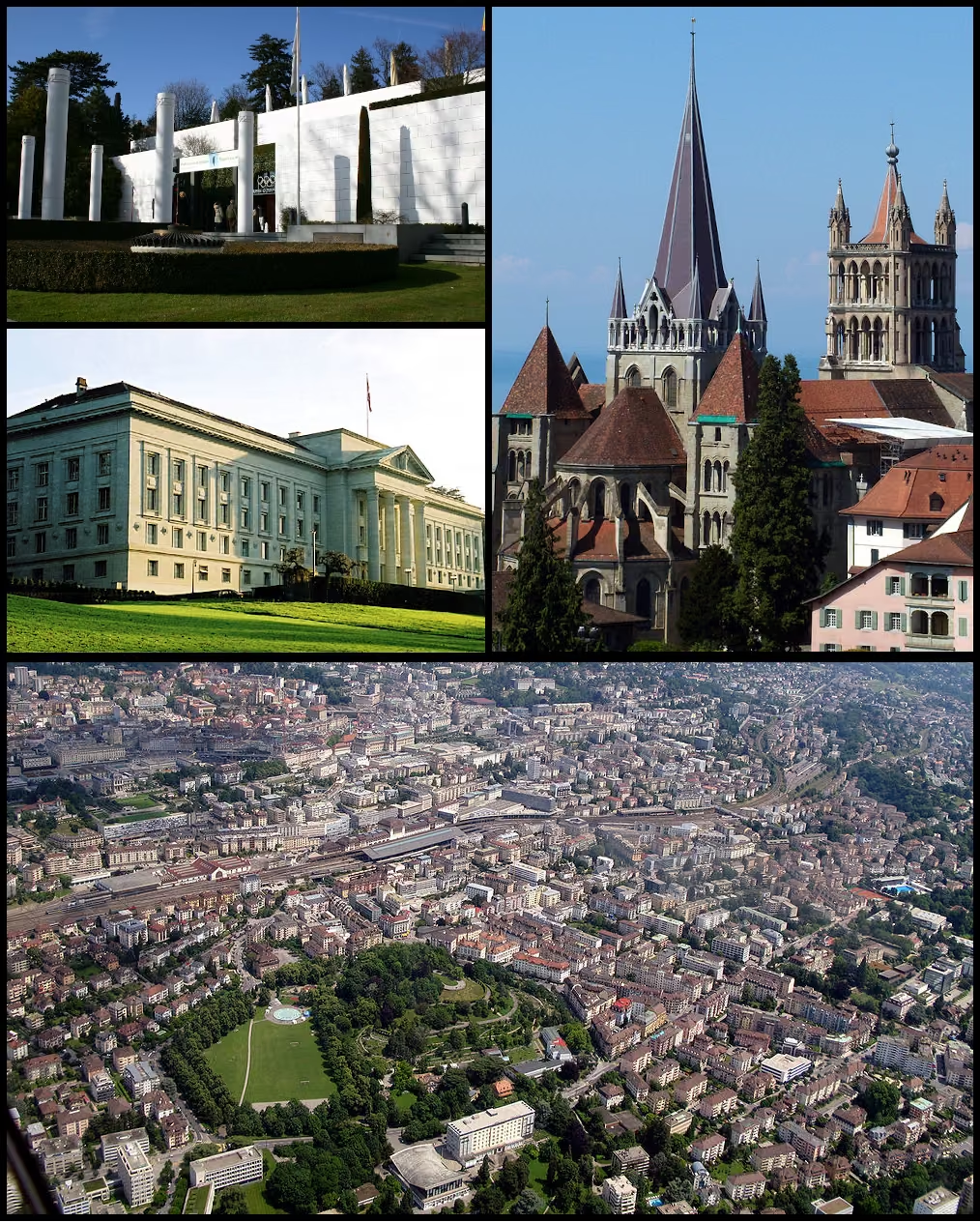
Lausanne
A sloping city of Olympic heritage, the Ouchy waterfront and a Gothic cathedral, opening onto the Lavaux vineyards.
 Guide live
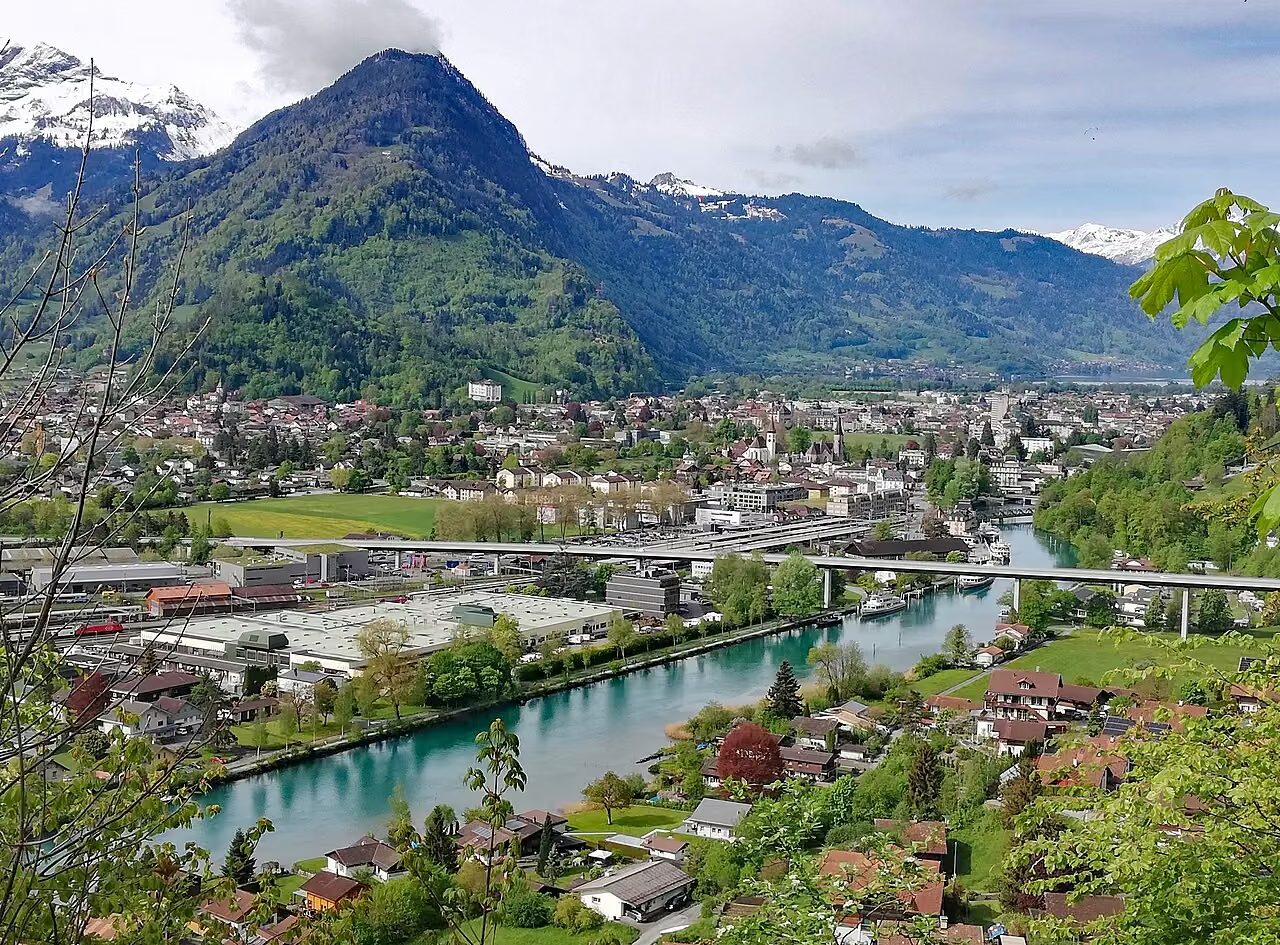
Interlaken
The train, boat and adventure base of the Jungfrau region, between Lakes Thun and Brienz.
 Guide live
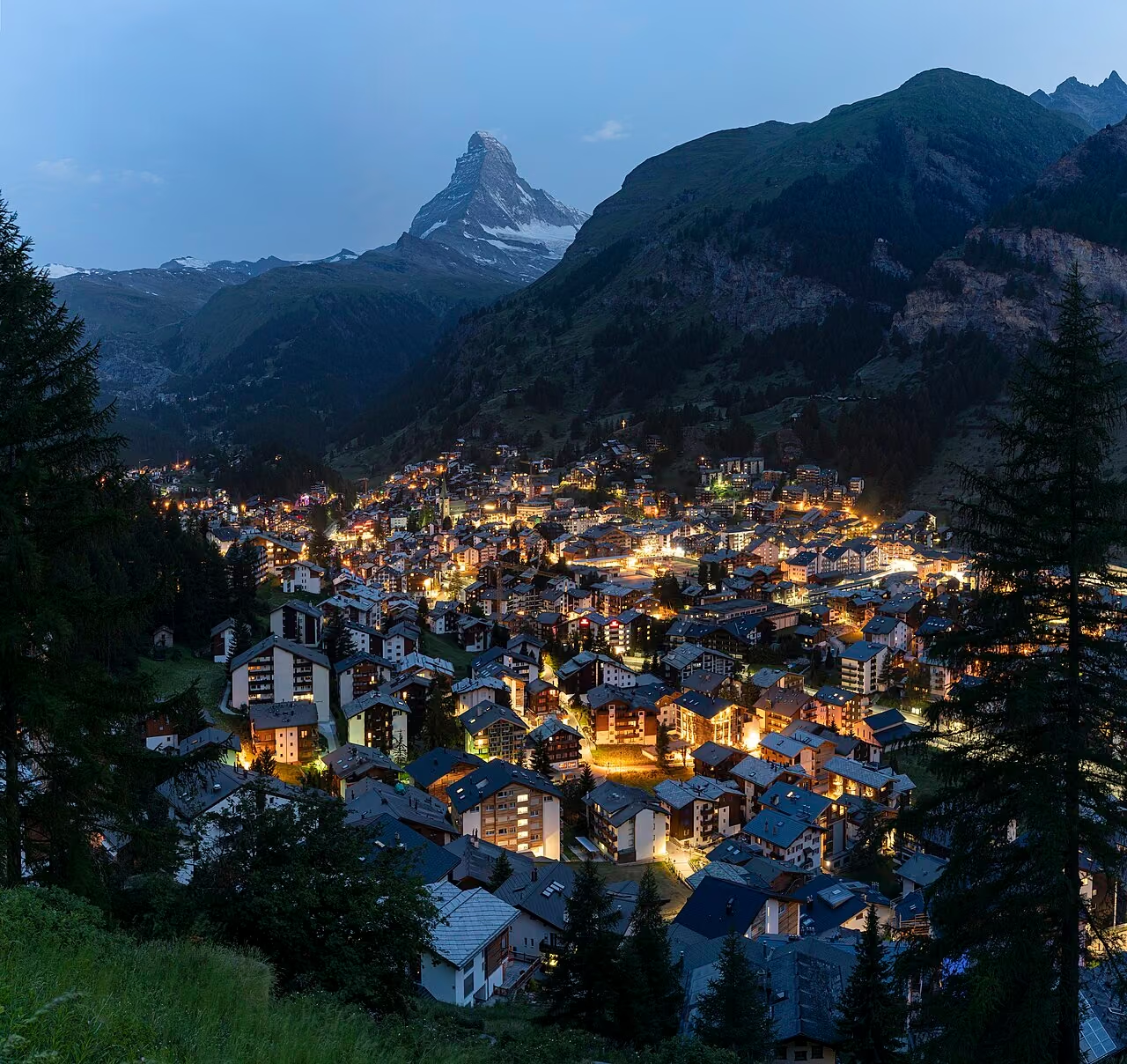
Zermatt
A car-free village at the foot of the Matterhorn, the Gornergrat, glaciers and high mountain trails.
 Guide live
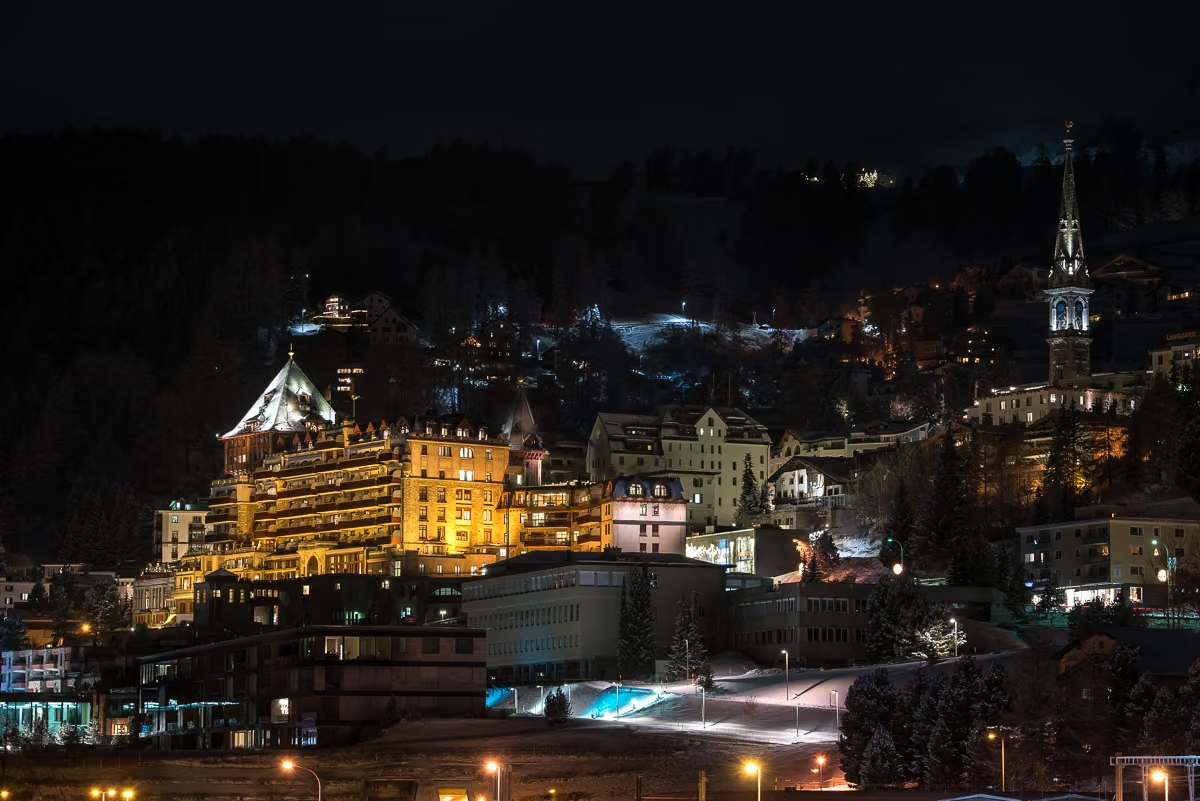
St. Moritz
The Engadine lakes, the Bernina railway, winter sports and high-mountain culture.
Image credits
- Thomas Wolf, www.foto-tw.de · source · CC BY-SA 3.0 de
- Slav Yakounin · source · CC BY-SA 4.0
- Flooffy · source · CC BY 2.0
- fr:Utilisateur:Stéphane_Pecorini · source · CC BY-SA 2.0 fr
- File:Musee olympique.jpg: Arnaud Gaillard (arnaud () amarys.com) File:Cathédrale de Lausanne depuis le Champ de l'Air.JPG: Gzzz File:Federal Supreme Court of Switzerland.jpg: Roland Zumbühl. Original uploader was Hagelhans at de.wikipedia File:Lausanne img 0585.jpg: Rama Composition: Noldo18 · source · CC BY-SA 3.0
- Chensiyuan · source · CC BY-SA 4.0
- Travelleronthego49 · source · CC BY-SA 4.0