🇸🇪 Country guide
Sweden Travel Guide
A balanced Scandinavian route from archipelago capitals to Arctic national parks, from design cities to lakeside villages.
Gateway
Stockholm · ARN
Capital
Stockholm
Best time
May–September · December–March for winter
Budget
High
Don't miss
Heading back between the islands of the Stockholm archipelago on the last ferry
How to plan a route through Sweden
On a first trip, give Stockholm four to five nights and Gothenburg three; lock in the fast-train day in between early. Uppsala is an easy day from the capital, but the cathedral, university and Gamla Uppsala need a full day.
Malmö connects in the south to the Copenhagen/Lund axis, Gotland to the Baltic by ferry or flight and Dalarna to inland trains. Kiruna–Abisko is a northern leg by night train/flight and needs its own buffer for winter delays.
What to know before travelling to Sweden
Check the Schengen entry rules for your passport
Sweden is in Schengen; whether you need a visa depends on your nationality and passport type. If you need one and Sweden is your main destination, use only the official mission and authorised application channel.
SJ is not the only train operator
SJ is one of the main sources for long distances; regional and private operators, night trains, the Gotland ferry and archipelago boats may use separate ticketing. Check the right station, operator, seat and bike/luggage conditions.
The Swedish krona and cashless life
Card/mobile payments are very common and some businesses don't accept cash. Carry a backup physical card and choose SEK on the terminal; buy public transport tickets before boarding. Tipping is not compulsory.
The Arctic route requires seasonal and safety planning
In Kiruna–Abisko, short days, extreme cold, avalanches, snow and weak phone coverage shape the plan. The northern lights are not guaranteed; follow official park and weather notices and don't head into winter nature unprepared without a guide.
Experience Sámi culture in its living context
Swedish Lapland is part of Sápmi. Prefer experiences run by the Indigenous community; don't use clothing, joik, reindeer and ceremonies as decoration. Get explicit consent before photographing people and private spaces.
8–11 days
Classic Sweden
Stockholm four to five, Uppsala one to two, Gothenburg three nights; a separate day for the archipelago.
6–9 days
The Øresund and the west coast
Malmö/Lund three, Gothenburg four nights; if you add Copenhagen, plan your passport and the international train.
8–11 days
The Baltic and the interior
Two independent regional legs; a full day for the ferry/flight and the Stockholm connection.
Practical information for Sweden
Entry requirements
Sweden is in the Schengen Area. According to the Swedish Government's current list, whether you need a visa depends on your nationality and passport type. If you need one and Sweden is your main destination, apply for a Schengen visa only through the official representation and the authorised service provider; re-verify your passport type and length of stay before applying.
Money and payments
The Swedish krona is used; the country relies heavily on card and mobile payments, and some businesses don't accept cash. Carry a back-up physical card, choose SEK on the terminal, and buy public transport tickets from the official app or a machine before boarding. Tipping isn't obligatory; if service isn't included, you can round up for good service.
Languages
Swedish is the main language; Sámi, Finnish, Meänkieli, Romani and Yiddish are among the official minority languages. English is widespread. Around Kiruna and Abisko you may encounter Sámi place names; treat Indigenous culture in the context of a living community, not as tourist decor.
Phones, internet and apps
SJ is the main operator on many long-distance lines, but Sweden also has regional and private operators; don't assume one app covers every ticket. Stockholm archipelago boats, the Gotland ferry and the Kiruna–Abisko night train may require separate bookings/operators. Check winter delays and maintenance notices on the day of travel.
Budget
Price trains, night trains, archipelago boats, museums and northern activities separately; book accommodation early for event weeks and the Lapland season.
On a budget plan, think hostels, the dish of the day and regional tickets; mid-range brings rooms outside the centre, high-speed/night trains and museums; a comfortable plan features central hotels, archipelago boats and guided northern activities. Don't equate Stockholm prices with Dalarna or Lapland; festivals, Nobel week and the northern lights season quickly shrink capacity.
Cities, islands and northern routes to visit in Sweden
The places to visit in Sweden range from Stockholm's island museums to Gothenburg's car-free archipelago, from Malmö's Øresund life to Uppsala's academic history. Gotland is a medieval and rural island route in the Baltic; Dalarna a region of lakes and folk culture. Kiruna is the Arctic town being moved, while Abisko is a separate nature base with the Kungsleden and national park rules.
Original guides are live for all 8 cities
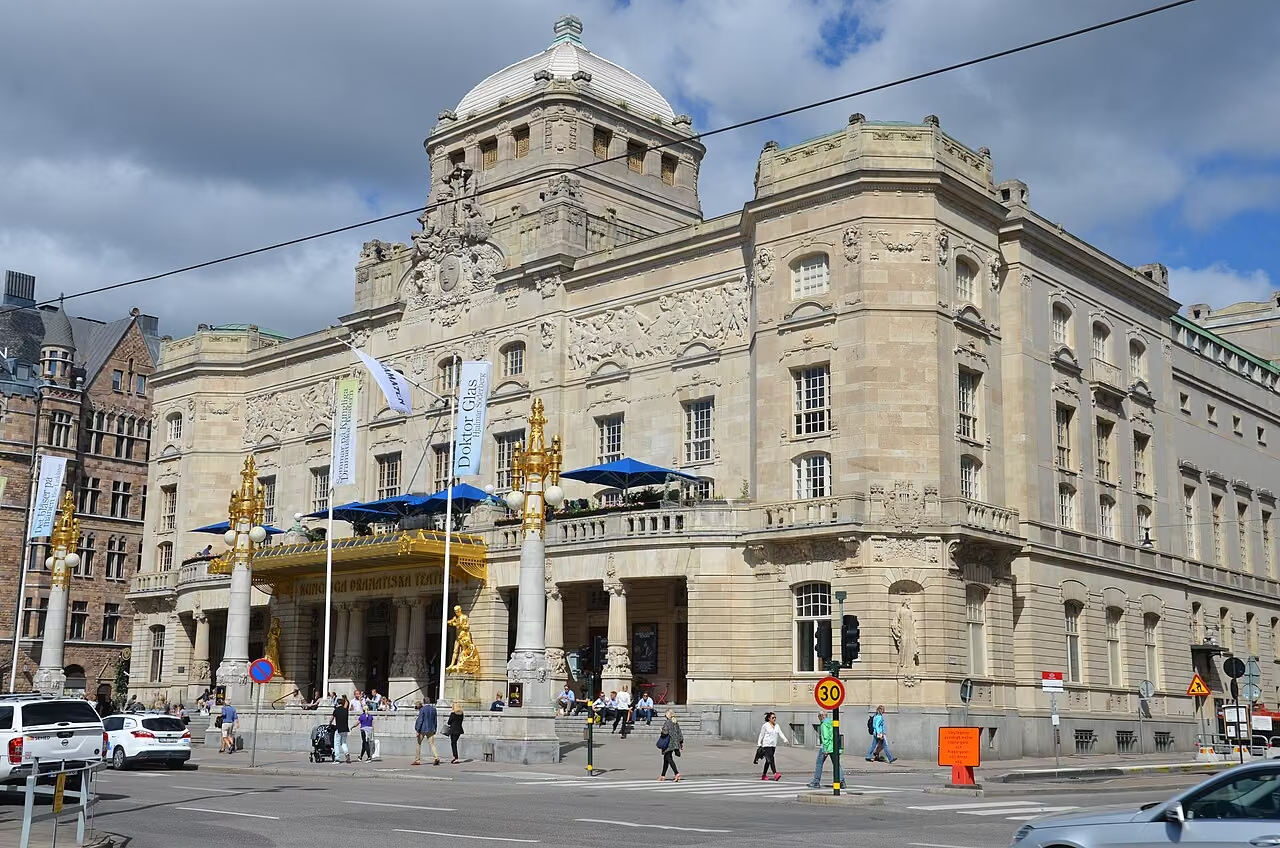 Guide live
Stockholm
A capital on the water among Gamla Stan, the Vasa, modern design and an archipelago of thousands of islands.
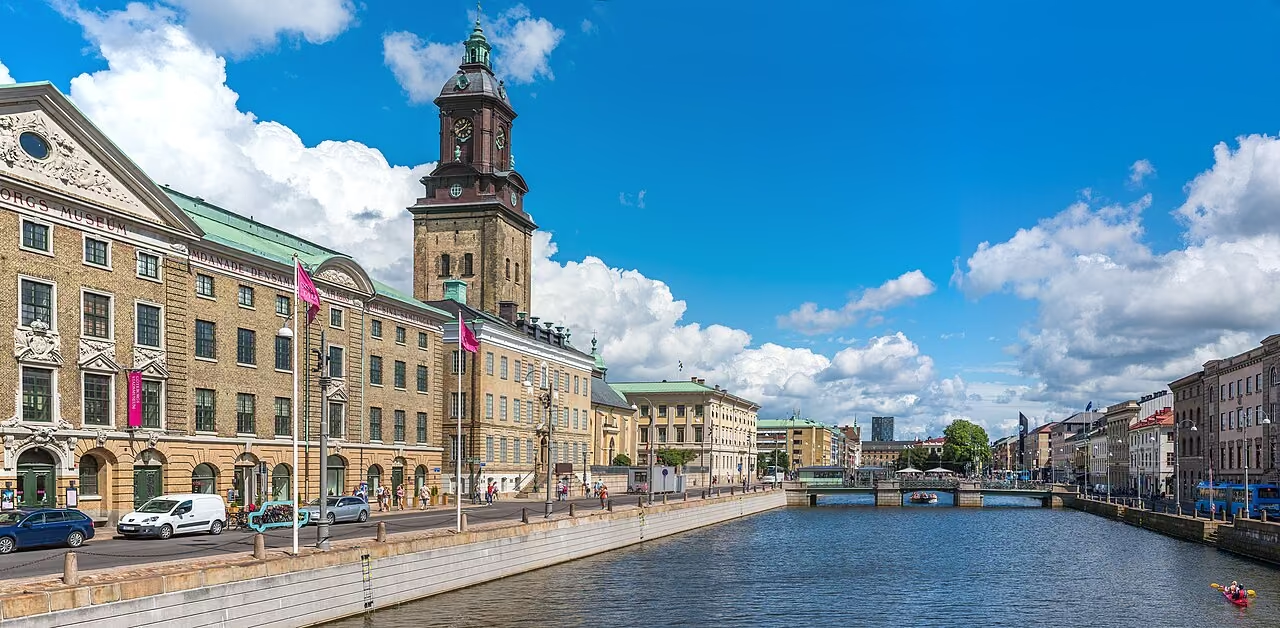 Guide live
Gothenburg
A warm western port of trams, Haga, seafood and car-free southern archipelago islands.
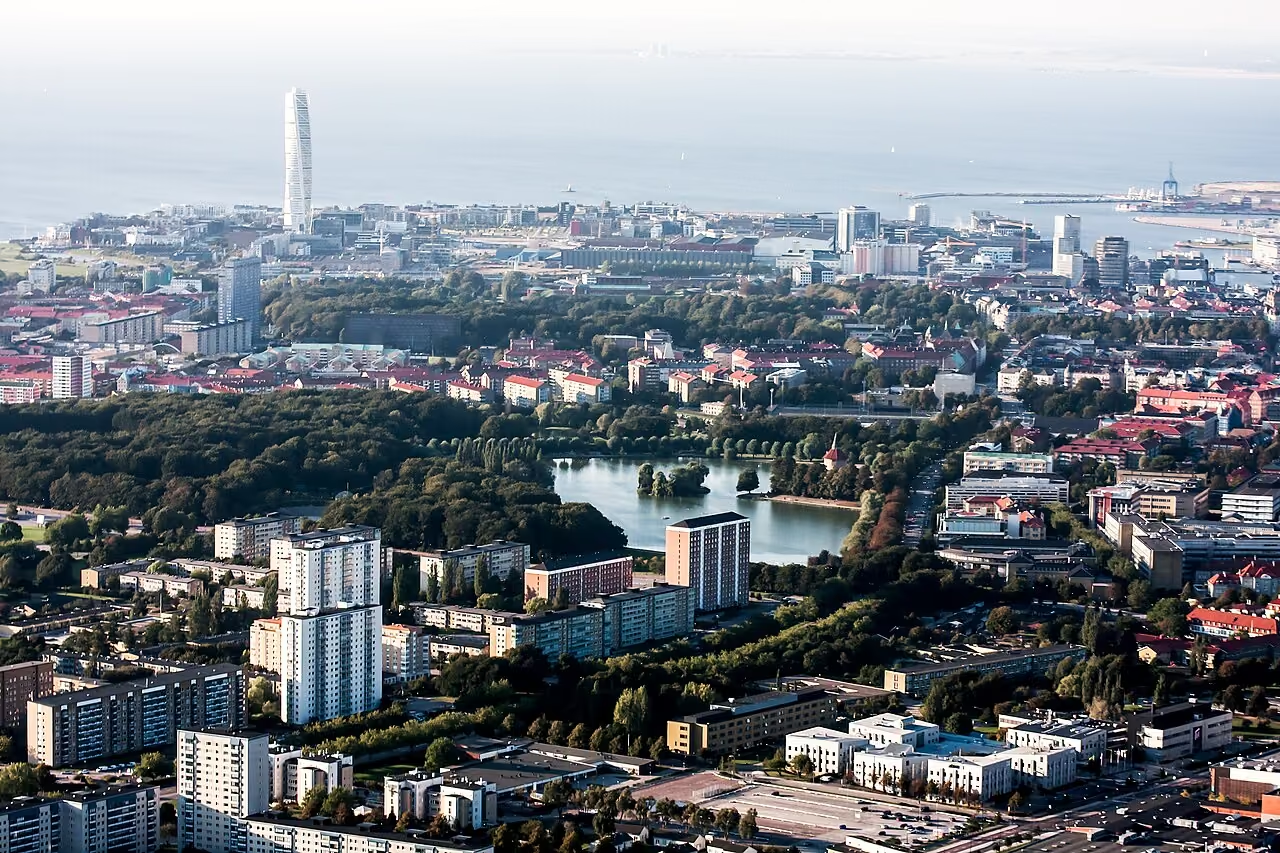 Guide live
Malmö
Contemporary architecture on the Øresund, Malmöhus and the multicultural food of Möllevången.
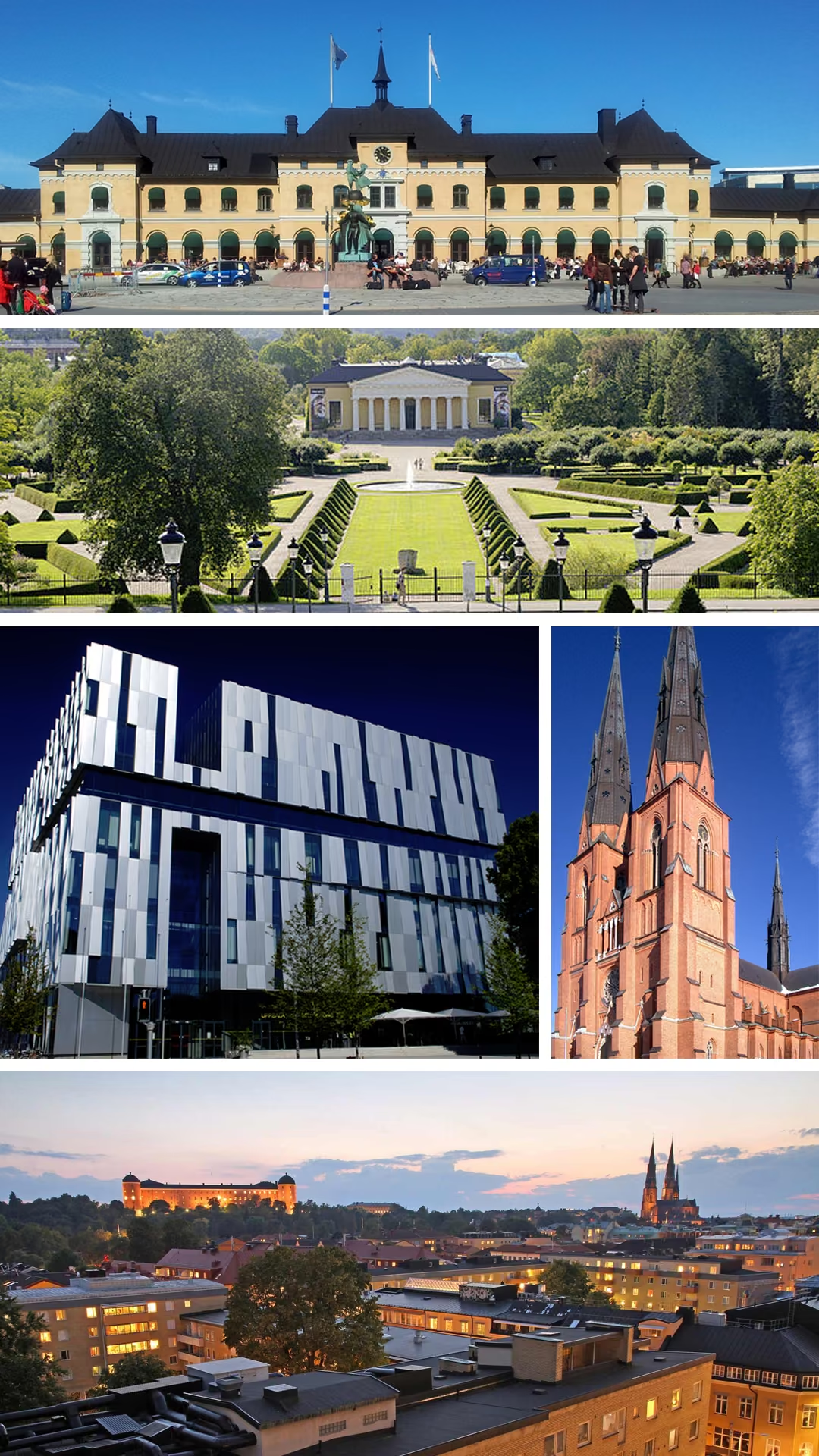 Guide live
Uppsala
A great cathedral, a historic university, the legacy of Linnaeus and the mounds of Gamla Uppsala.
 Guide live
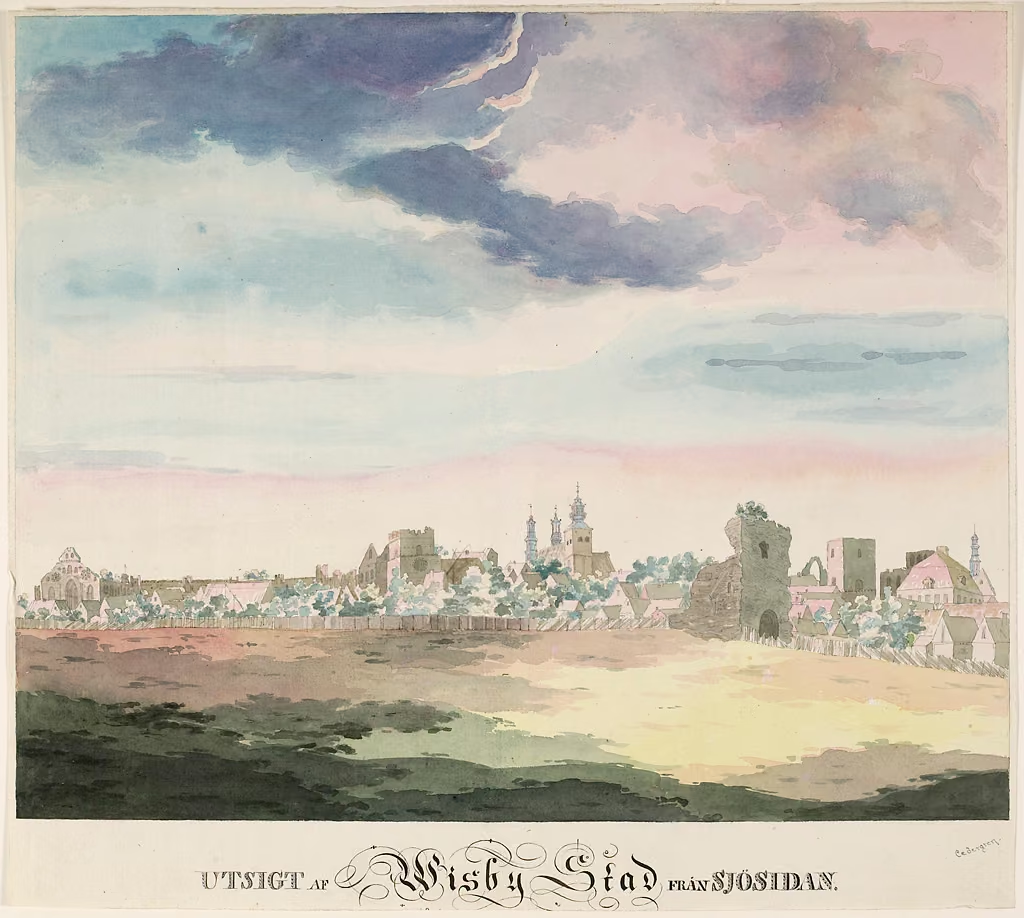
Gotland
An island route of Visby's walls, the rauks of Fårö, stone churches and long Baltic summers.
 Guide live
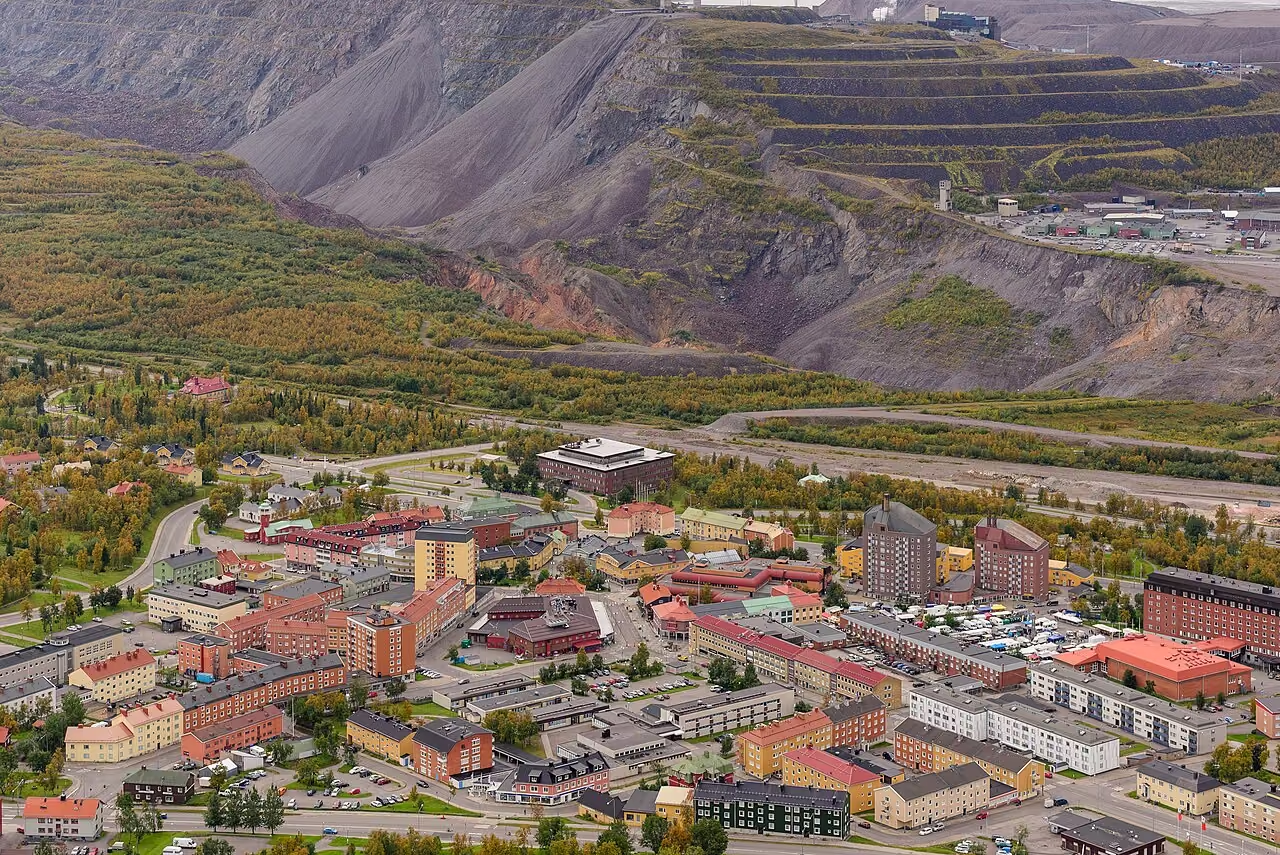
Kiruna
A town on the move, mining history, Sámi lands and the wide tundra of Swedish Lapland.
 Guide live
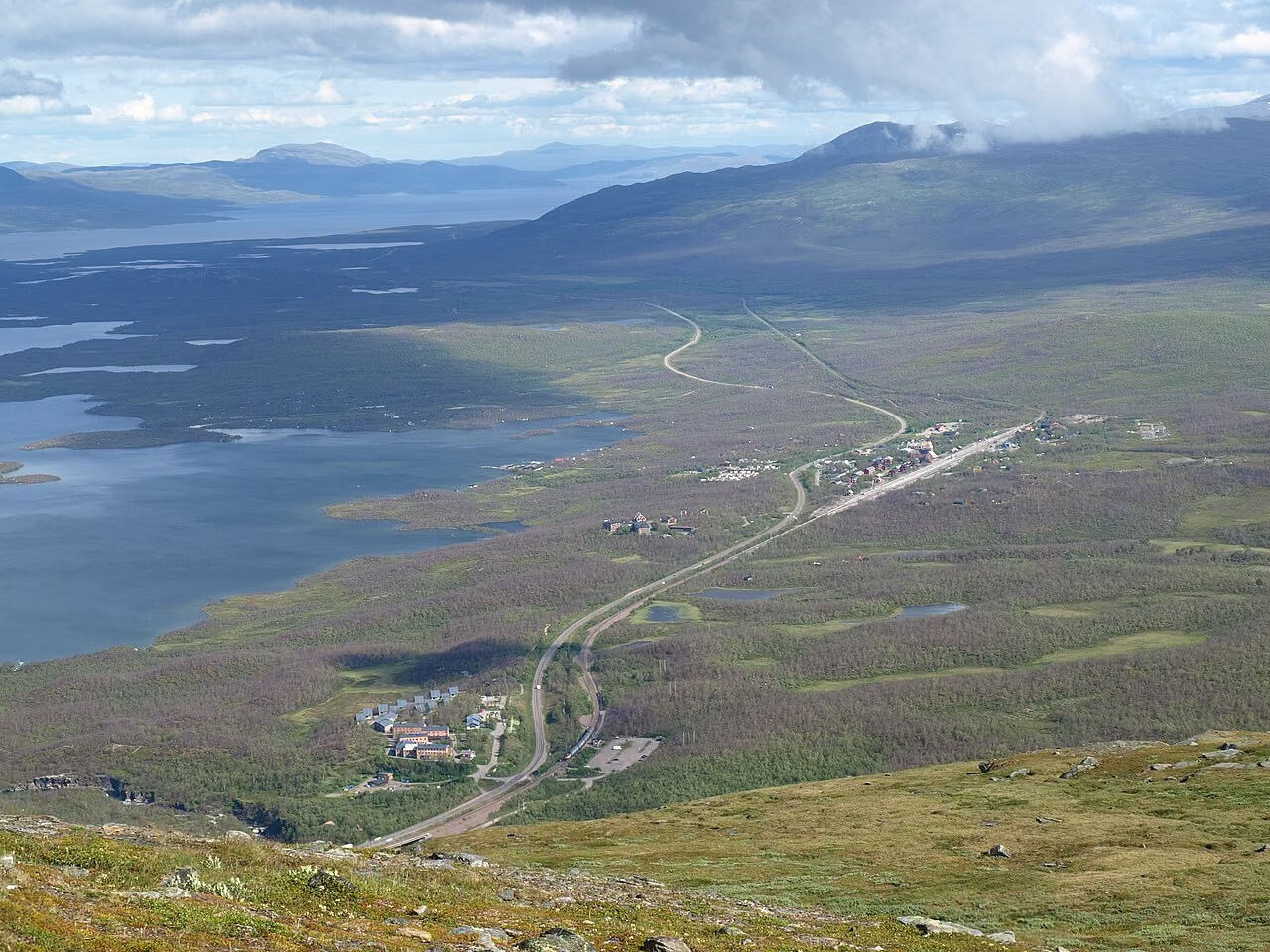
Abisko
A serious national park experience with the start of the Kungsleden, the Lapporten valley and Arctic skies.
 Guide live
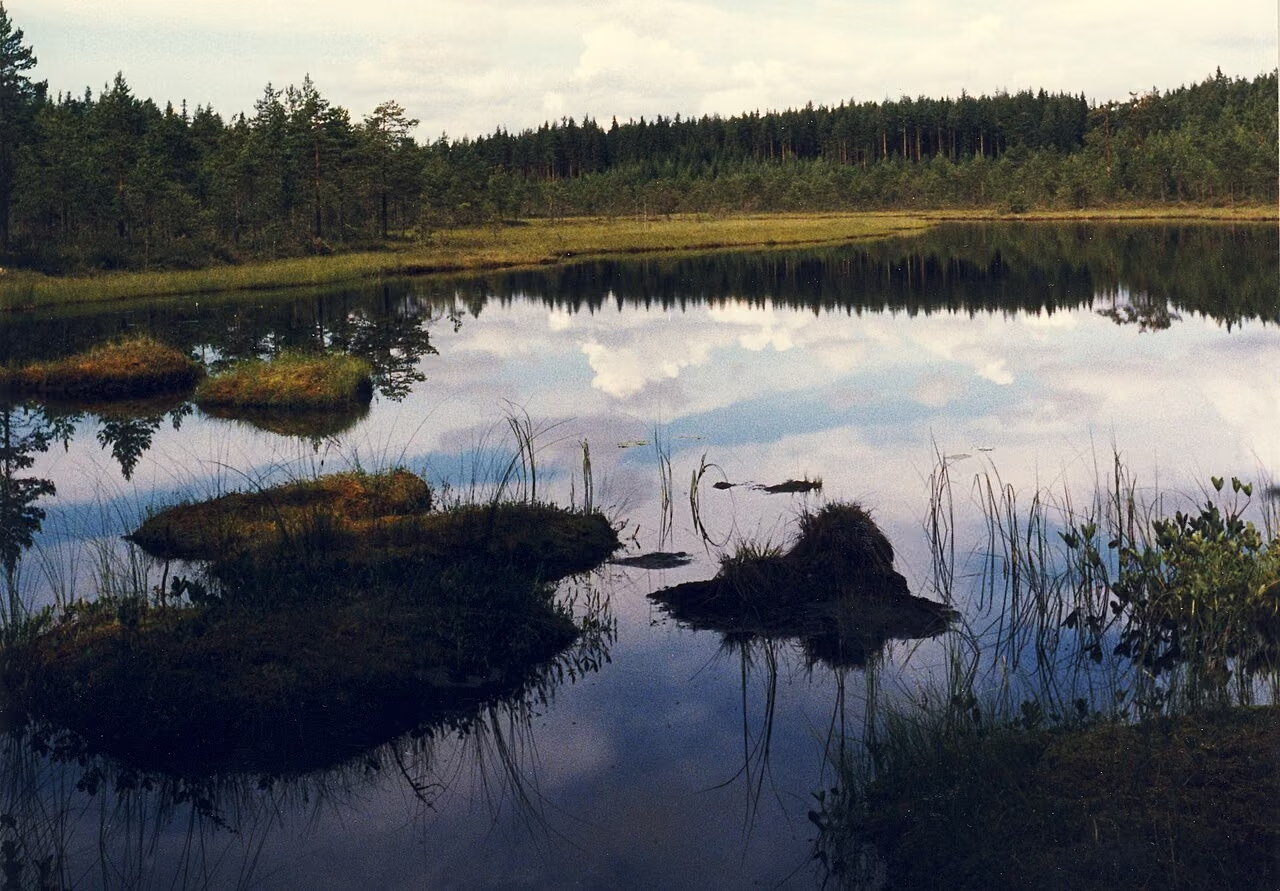
Dalarna
Central Sweden of the Falun mine, Lake Siljan, red houses and living rural traditions.
Image credits
- Tommie Hansen · source · CC BY 3.0
- Steven Lek · source · CC BY-SA 4.0
- Bengt Nyman from Vaxholm, Sweden · source · CC BY 2.0
- Axebackman · source · CC BY-SA 4.0
- Arild Vågen · source · CC BY-SA 4.0
- Holger.Ellgaard · source · CC BY-SA 3.0