🇩🇪 Country guide
Germany Travel Guide
A layered European route of great museums, recent history, Hanseatic ports, castles and a strong rail network.
Gateway
Berlin · BER
Capital
Berlin
Best time
April–June · September–December
Budget
High
Don't miss
A long walk in Berlin from the memory of the Wall to an evening in the neighbourhood
How to plan a route through Germany
The ICE network links Berlin, Hamburg, Frankfurt, Cologne, Munich and Nuremberg well. But ticket flexibility, train type and local transport each have their own rules. Instead of putting eight cities into one week, choose a north, east–south or Rhine–Black Forest axis.
On a first trip, give Berlin four nights and Munich three to four; slot Nuremberg in between and add Dresden as an extension of Berlin. The Hamburg–Cologne–Frankfurt line is better balanced as a separate 8–10-day route.
What to know before travelling to Germany
Schengen and EES rules also apply to Germany
Depending on your passport, a tourist visit to Germany is visa-free or needs a Schengen visa. The EES keeps biometric entry–exit records; ETIAS is not an alternative to a visa. Confirm the current rules and passport requirements with official sources.
The Deutschlandticket doesn't cover ICE and IC
Don't mistake a local/regional transport subscription for a fast long-distance ticket. In the DB app, read the train type, connections, platform changes and train-bound ticket conditions. During strikes and engineering works, live notices take precedence.
Cash is still needed
Cards are spreading, but bakeries, markets, small restaurants and rural businesses may ask for cash. Carry two cards and some euros; when asking for the bill in a restaurant, state the total including tip up front.
Places of remembrance require context and respect
Dachau, Sachsenhausen, the Nuremberg rally grounds and Berlin's memorials are not entertainment backdrops. Be quiet, follow the photography rules and leave emotional and time space for the visit.
9–12 days
A first trip to Germany
A strong north–south backbone linking recent history, the Middle Ages and Bavarian culture by ICE.
8–10 days
Port and Rhine cities
From the northern port to the Rhine museums; easy by train, with at least two to three nights per city.
8–11 days
Art and nature
Saxon collections, Franconian history and forest days based in Freiburg; count the long transfer as a separate day.
Practical information for Germany
Entry requirements
Germany is in the Schengen Area. Depending on your passport, short tourist visits are visa-free or need a Schengen visa from your main destination; since 10 April 2026 the EES has been recording short-stay visitors' external border crossings biometrically. ETIAS is not a document you can use in place of a Schengen visa.
Money and payments
The euro is used. Although card and contactless payment have become widespread, small bakeries, markets, beer gardens and rural businesses may ask for cash. Service is included at restaurants; rounding up or about 5–10 per cent is common for good service.
Languages
German is the official language; in big cities you can get by in English. Regional train changes, platform and replacement bus announcements may be in German only; save the service number and station name offline.
Phones, internet and apps
The Deutsche Bahn app is the main tool for long-distance and regional trains; each city's local transport association runs separately. Deutschlandticket rules and coverage can change, so don't assume it covers fast ICE/IC trains. During strikes and engineering works, follow the official live announcements.
Budget
Check trade fair, match and festival calendars; don't compare a flexible ICE ticket and a fixed-date Sparpreis on price alone.
On a budget plan, hostels, bakery/supermarket meals, regional transport and free museum times; on a mid-range budget, a central room, one ICE connection and a paid collection; and on a comfortable plan, a good hotel, flexible train tickets and long dinners. Trade fair, Oktoberfest, match and Christmas market dates push accommodation up sharply.
Cities and nature routes to visit in Germany
The cities to visit in Germany range from Berlin's recent history and museums to Munich's Bavarian culture, from Hamburg's port to Cologne's life on the Rhine. Frankfurt is not just a transfer hub but a strong museum city; Dresden and Nuremberg carry their historic heritage together with a difficult 20th-century memory. The Black Forest is not a single town but a region of Freiburg, lakes, spa towns and waymarked trails.
Original guides are live for all 8 cities
 Guide live
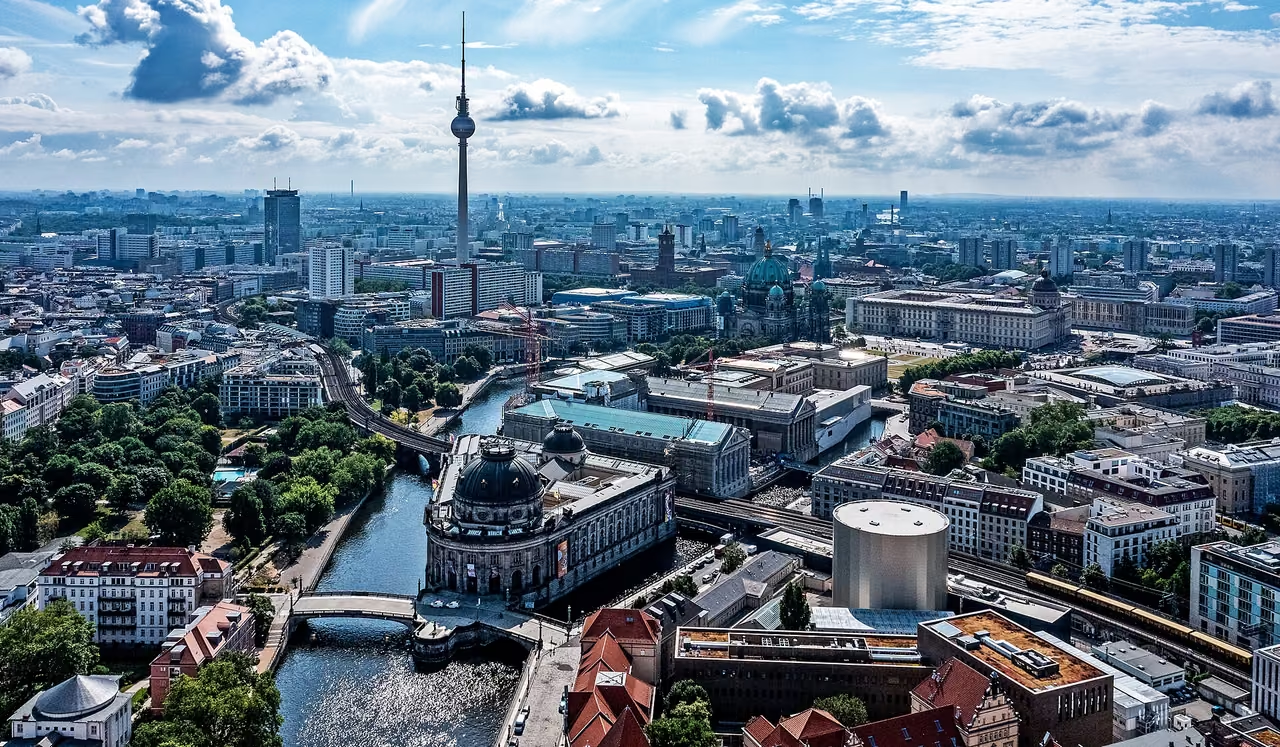
Berlin
The memory of a divided city, world-class museums, creative neighbourhoods and a free nightlife culture.
 Guide live
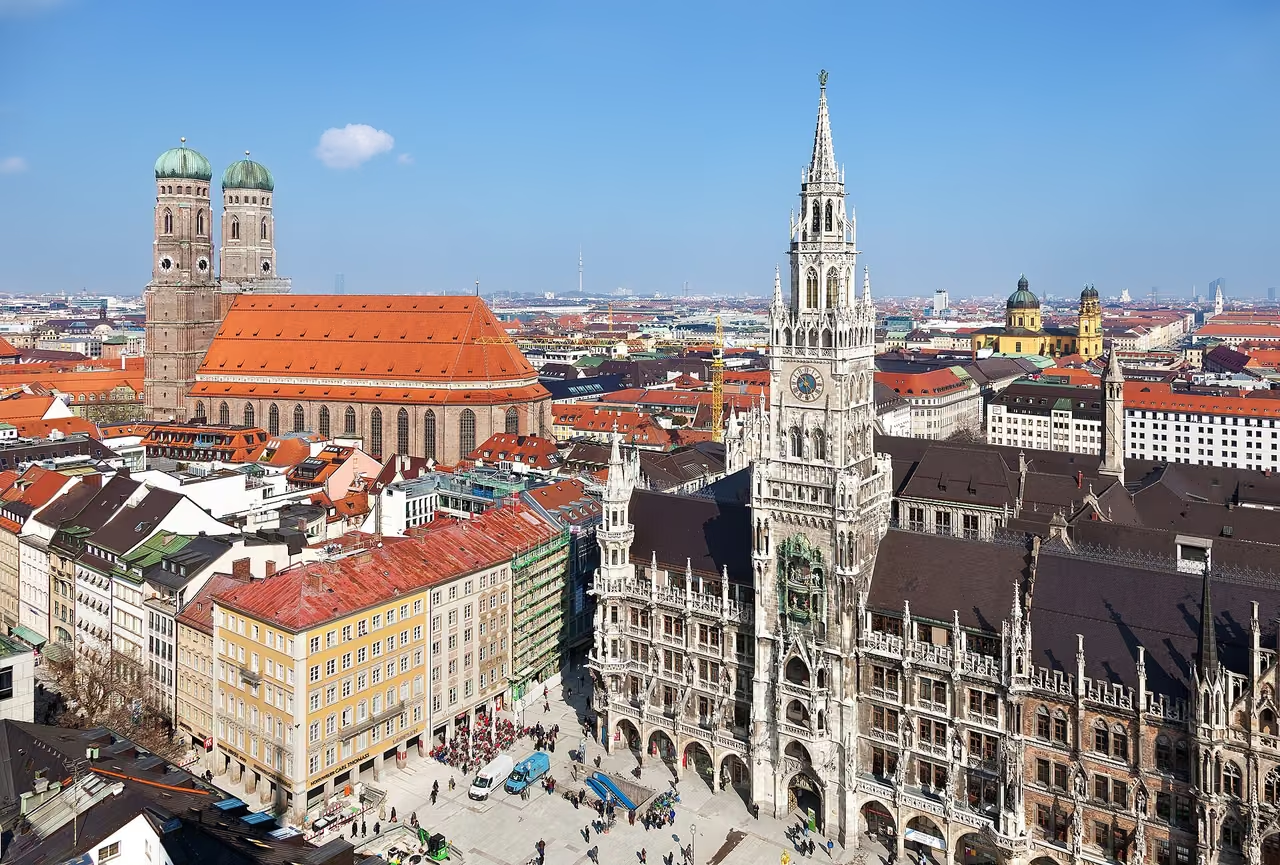
Munich
Bavarian heritage, royal collections, the banks of the Isar and city life on the threshold of the Alps.
 Guide live
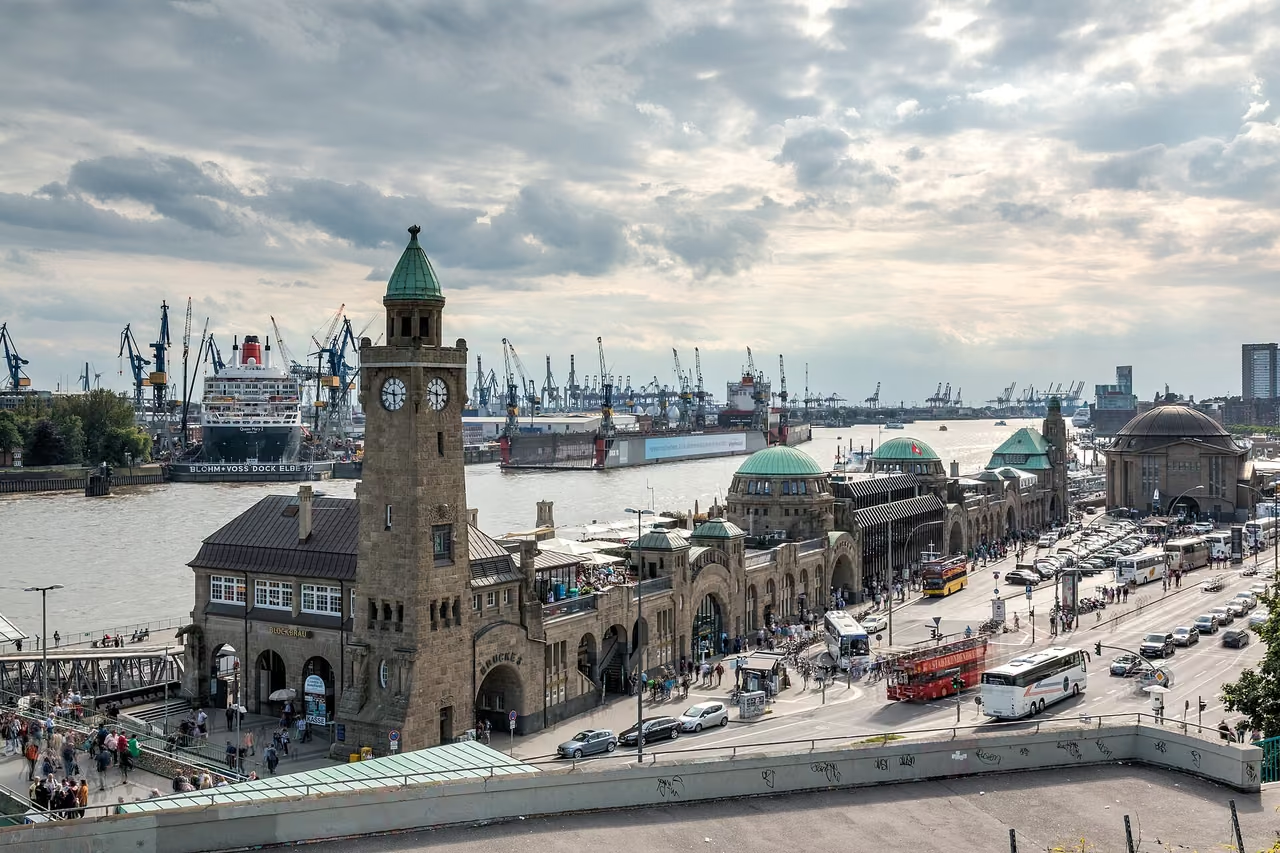
Hamburg
The Elbe harbour, the bricks of the Speicherstadt, music and the north's metropolis that lives with water.
 Guide live
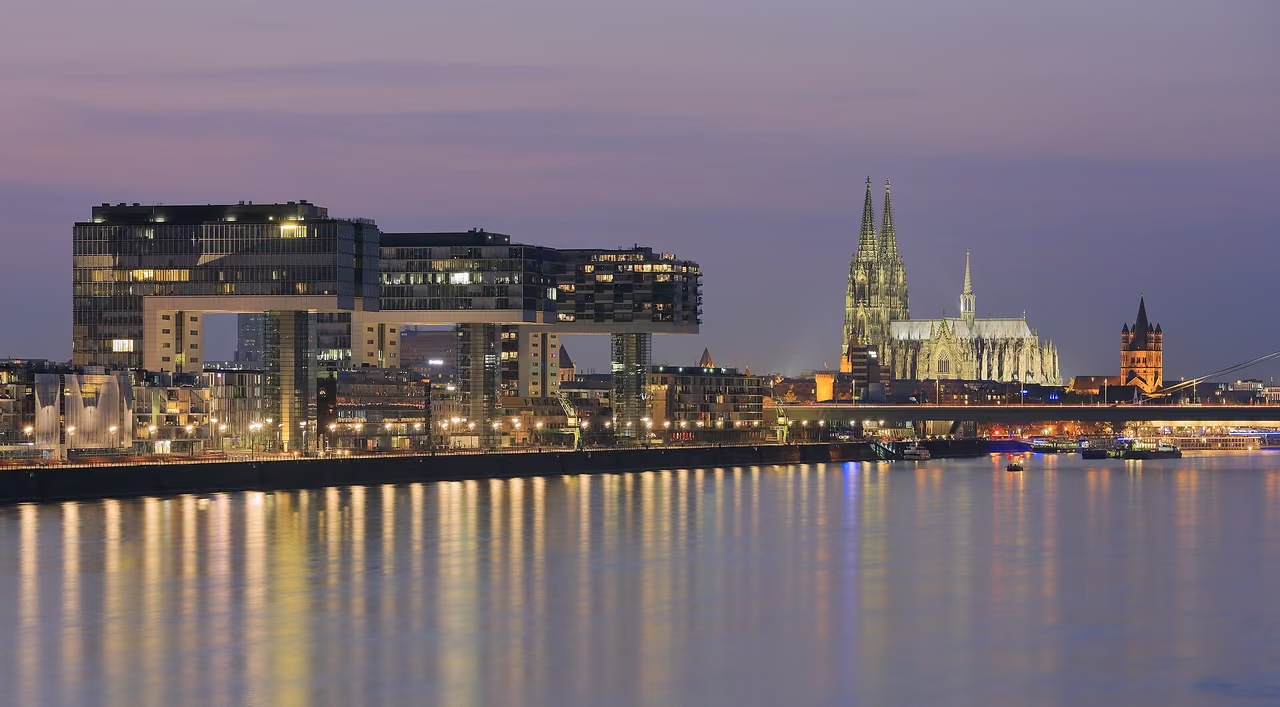
Cologne
A Gothic cathedral, the banks of the Rhine, modern art and easy-going Rhineland neighbourhoods.
 Guide live
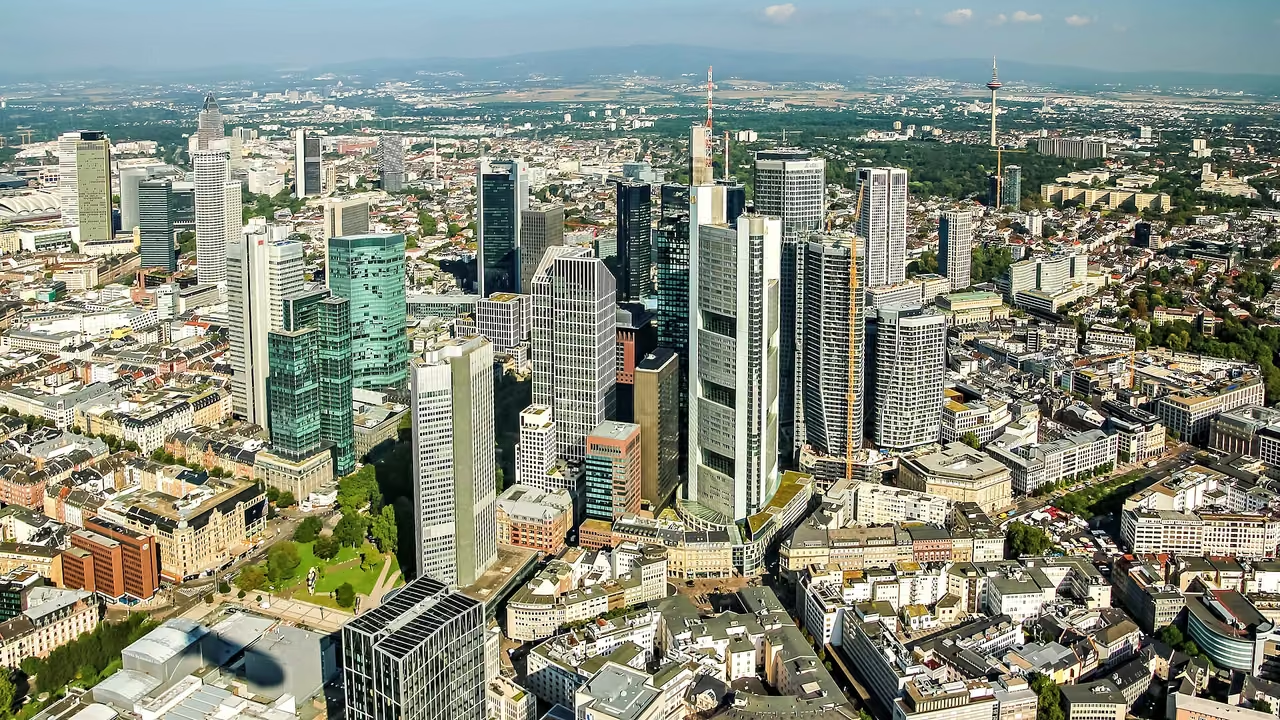
Frankfurt
A skyscraper skyline, the Museumsufer, a rebuilt old town and Apfelwein culture.
 Guide live
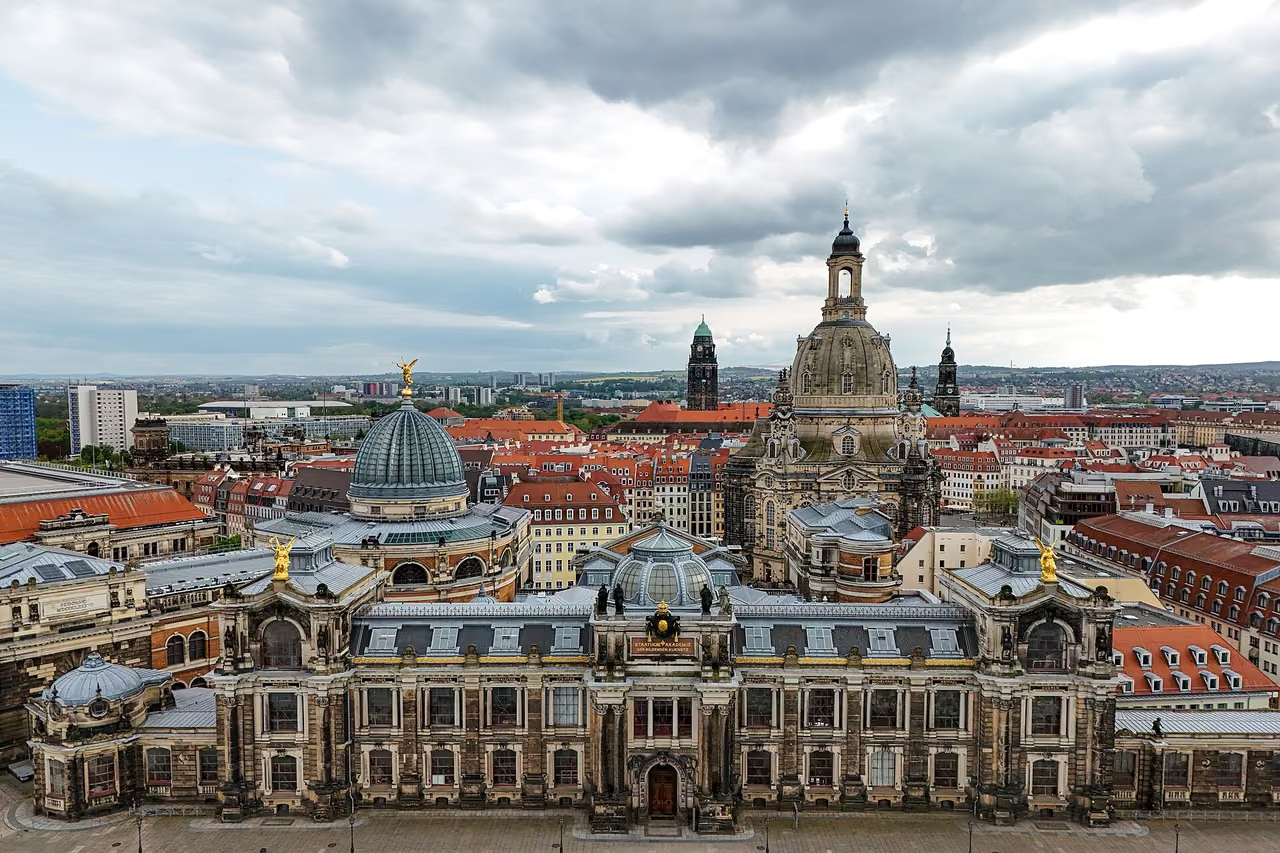
Dresden
A rebuilt baroque centre, Saxon art treasures and the Elbe landscape.
 Guide live
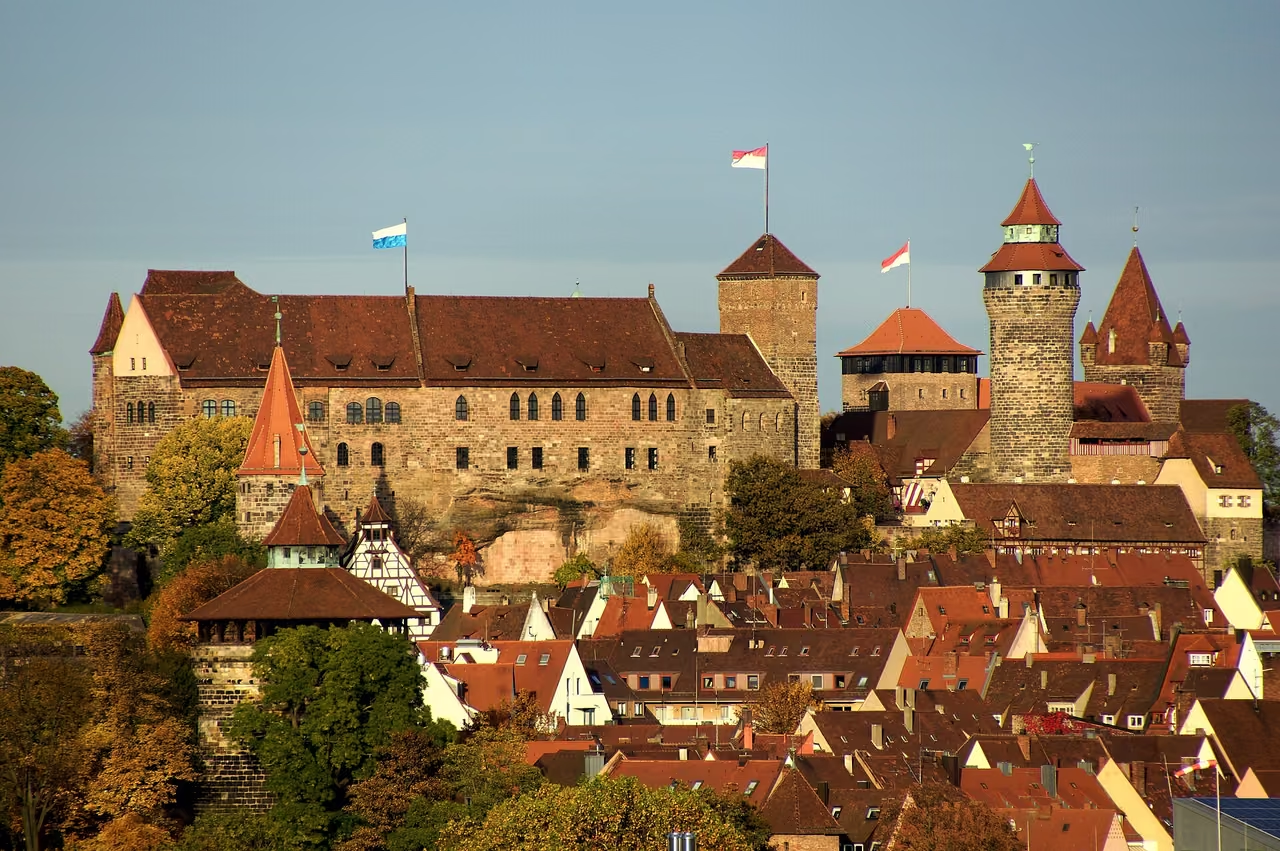
Nuremberg
An imperial castle, Franconian cuisine and places of 20th-century memory.
 Guide live
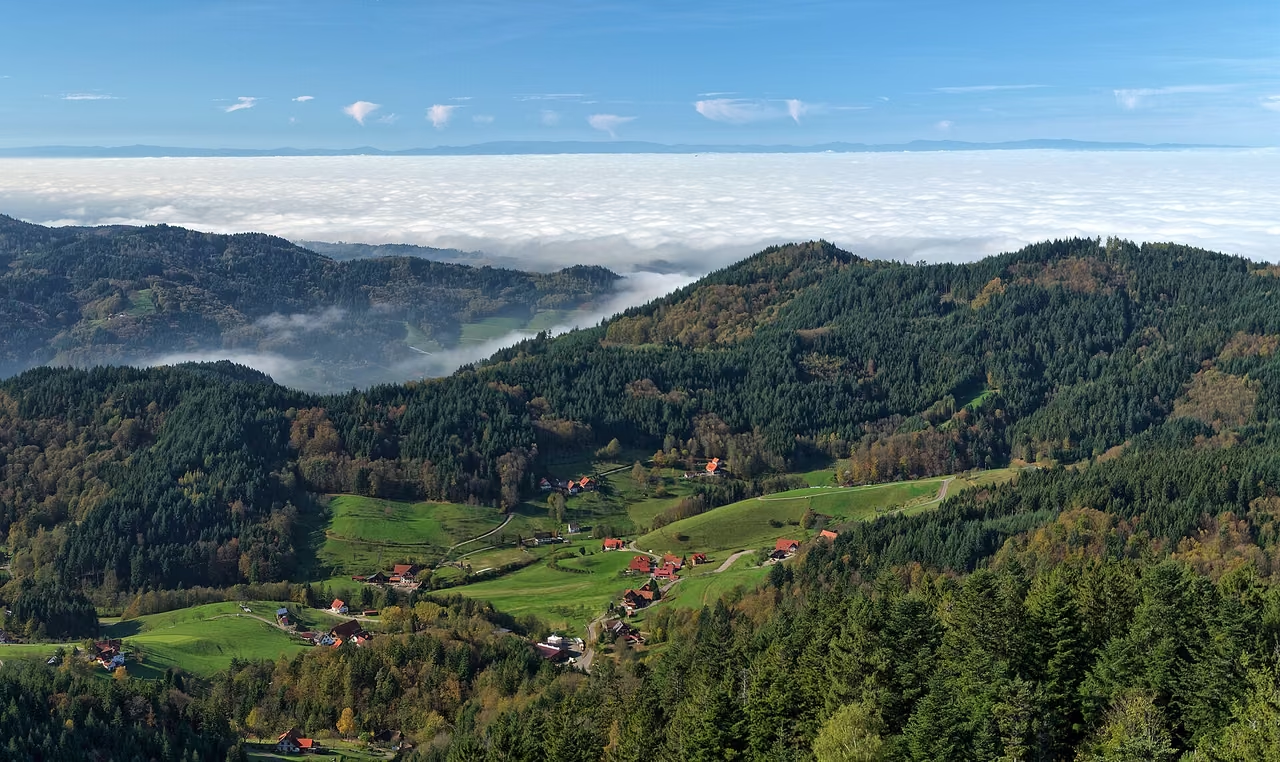
Black Forest
A route of forests, lakes, waterfalls and regional trains, stretching from Freiburg to spa towns.
Image credits
- File:Museumsinsel Berlin Juli 2021 1 (cropped).jpg: Kasa Fue derivative work: Georgfotoart · source · CC BY-SA 4.0
- Thomas Wolf, www.foto-tw.de · source · CC BY-SA 3.0 de
- Dietmar Rabich · source · CC BY-SA 4.0
- Martin Falbisoner · source · CC BY-SA 4.0
- Dr. Thomas Liptak · source · CC BY-SA 4.0
- Toniklemm · source · CC BY-SA 4.0
- DALIBRI · source · CC BY-SA 3.0
- MWolf89 · source · CC BY-SA 4.0