🇷🇺 Country guide
Russia Travel Guide
A continent-scale route from Moscow and imperial palaces to Volga cultures, the Arctic tundra, Baikal and the Pacific coast.
Gateway
Moscow · SVO
Capital
Moscow
Best time
Varies by region · May–September · winter experiences
Budget
Moderate
Don't miss
Hearing the silence on Baikal's horizon, where ice and sky blur into one
How to plan a route through Russia
On a first trip, giving Moscow five to six nights and St Petersburg five to six, with the fast/night train in between booked from the current RZD source, is balanced. Kazan can be a separate three-to-four-night train/flight leg on this line. Don't add Sochi, Kaliningrad and Murmansk to the same short trip; each is a different geography and season.
Lake Baikal needs at least seven to ten days via Irkutsk, Vladivostok four to six days, each with separate transport. The Trans-Siberian is not an intercity train ticket but a serious logistical decision spanning several days and time zones. Re-confirm visa, payment, insurance, connectivity, schedules and safety conditions along with your booking.
What to know before travelling to Russia
First assess the current travel advice
The security and transport situation in Russia can change quickly. As of 21 August 2026, the UK FCDO advises against all travel because of the war, security incidents, flight disruption and limited consular support. Before deciding, check your own government's current advice, your insurer and your carrier together.
Check your eligibility for the unified e-visa and read the conditions in full
Check whether your nationality is on the Russian Foreign Ministry's current list of eligible countries. The unified e-visa is single-entry, valid for 120 days from issue and allows a stay of up to 30 days from entry; you can apply between 86 days and at the latest 4 days before travel. Check requirements such as the specified border crossing points only, a machine-readable passport valid for at least six months and valid health insurance on the official page.
The purpose of travel must match the visa type exactly
Statements and documents at the border that contradict your purpose of travel can lead to refusal. Carry hotel, return and proof-of-funds documents; don't use a tourist visa/e-visa for work, study or any other purpose.
Don't assume foreign cards will work
Access to cards, ATMs and online payments can change quickly. Get written confirmation from your own bank and card network before travelling; use only legal exchange and payment channels and confirm the cash declaration limit at customs. Don't rely on a single payment method.
Back up apps, internet and transport offline
Access to roaming, eSIMs, maps and international apps can change. Use the official channels of RZD, airports and operators; keep tickets, hotels, insurance and addresses in Russian offline. Re-check the time zone on every long connection.
Follow security and special-zone rules
Stay away from demonstrations and political crowds; don't photograph military, border, port or critical infrastructure. On Kaliningrad, Kola, coastal and border routes there may be special permits/checks. Follow current travel notices from your own government and the competent Russian authorities.
Use licensed local operators on nature routes
Don't go out on Baikal's ice without official safety clearance; follow weather and closure instructions in the Murmansk tundra, the Sochi mountains and on the Primorye coast. Don't treat avalanche, ice, typhoon, fire and wildlife risks like an ordinary city outing.
12–16 days
A first Russian city route
Five to six nights per city with a current fast/night train in between; split palaces and museums across separate days.
4–6 days
A Volga culture leg
An in-depth route: the Kremlin, the Tatar quarter and just one of Sviyazhsk or Bolgar.
8–12 days
The North and the Baltic
They're not close to each other; they need two separate flights and different seasonal plans. On a short trip, choose only one.
14–20 days
Siberia and the Pacific
Irkutsk/Baikal at least eight nights, Vladivostok five; time-zone and spare days for flights or multi-day rail.
6–8 days
The Black Sea and the Caucasus
Split the central coast, Sirius/Adler and Krasnaya Polyana into three separate clusters of days; don't add a border route.
Practical information for Russia
Entry requirements
The security situation in Russia can change unpredictably; as of 21 August 2026, the UK FCDO advises against all travel to Russia because of the ongoing war, security incidents, flight disruption and limited consular support. Immediately before deciding, check your own government's current travel advice, your insurer and your carrier. For tourism you need a Russian visa appropriate to the purpose of travel or, if your nationality is eligible and the conditions are met, the unified electronic visa: it is single-entry, valid for 120 days from the date of issue and allows a stay of up to 30 days from entry. Applications can be made between 86 and no later than 4 days before travel; re-verify on the official page the conditions on listed border crossing points only, valid health insurance and a machine-readable passport valid for at least six months.
Money and payments
The Russian rouble is used. Don't assume that cards issued abroad will work in shops, at ATMs or for online payments; get written confirmation from your own bank and card network before travelling. Use only legal currency exchange and payment channels, verify cash and customs declaration limits, and don't rely on a single payment method.
Languages
Russian and the Cyrillic alphabet are the basis of everyday travel; English may be limited outside big hotels and tourist sites. Keep your hotel address, station names, medication/allergy information and emergency contact in Russian offline. In republics such as Tatarstan, also respect the local language and religious identity.
Phones, internet and apps
Access to international apps, mobile payments, roaming and maps can change. Before setting off, verify eSIM/roaming eligibility and device and app access with your own provider; keep ticket, hotel and insurance documents offline. For long distances, use RZD and official airline/airport sources; leave generous margins for time zones, passport checks and schedule changes.
Budget
Verify flights, long-distance trains, local transfers and payment access separately on the day you book; the country's size and card restrictions can make single-day estimates misleading.
On a budget plan, think rooms outside the centre, the metro, supermarkets/eateries and selected museums; mid-range brings central hotels, long-distance trains/flights and a few ticketed palaces; a comfortable plan features good hotels, guides and private nature transfers. Because exchange rates, international payment access, sanctions and transport supply can change quickly, refresh any fixed rouble budget on the day you book, together with the legal payment options available.
Cities and nature routes to visit in Russia
The places to visit in Russia are not a list of cities that can be gathered into one short trip. Moscow opens up big museums and the scale of a capital, St Petersburg palaces and canals, and Kazan Tatar–Volga culture. Sochi represents the Black Sea and the Caucasus, Kaliningrad the Baltic exclave and Murmansk Arctic conditions. Lake Baikal and Vladivostok are Siberian–Pacific routes, time zones and thousands of kilometres from Moscow, requiring separate flights or long rail journeys.
Original guides are live for all 8 cities
 Guide live
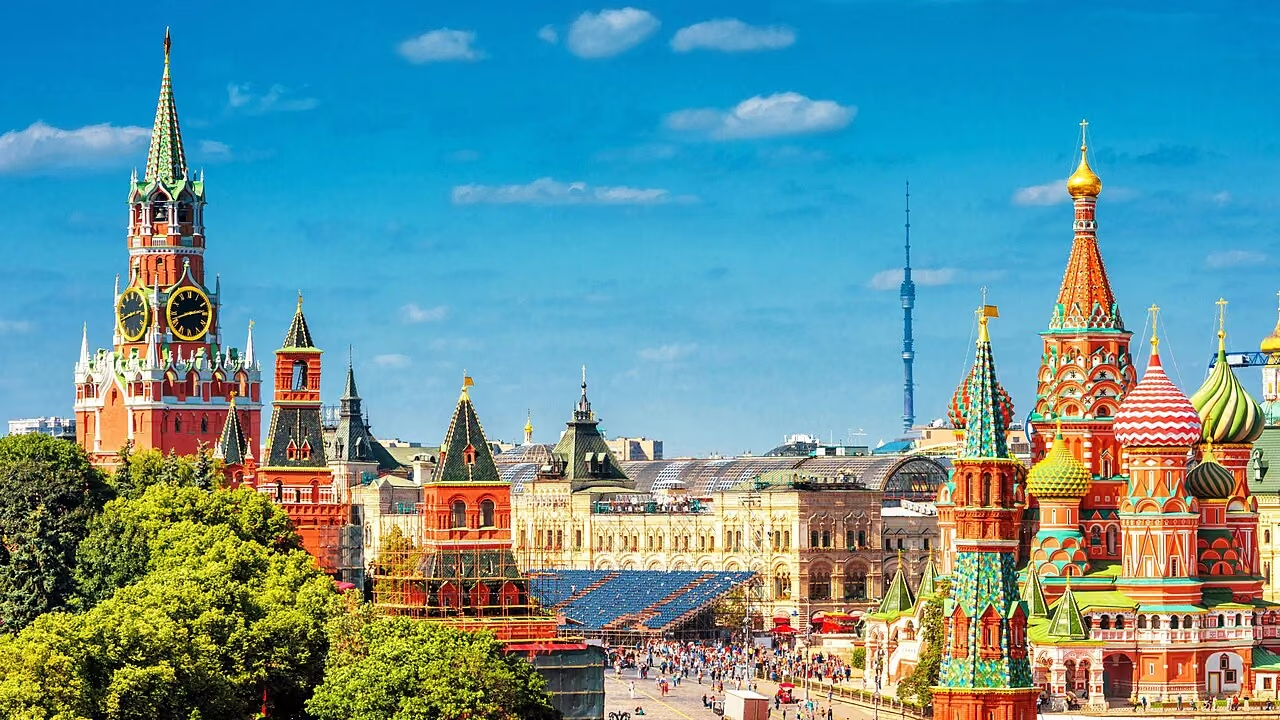
Moscow
The Kremlin, world-class museums, a magnificent metro and large neighbourhoods in constant transformation.
 Guide live
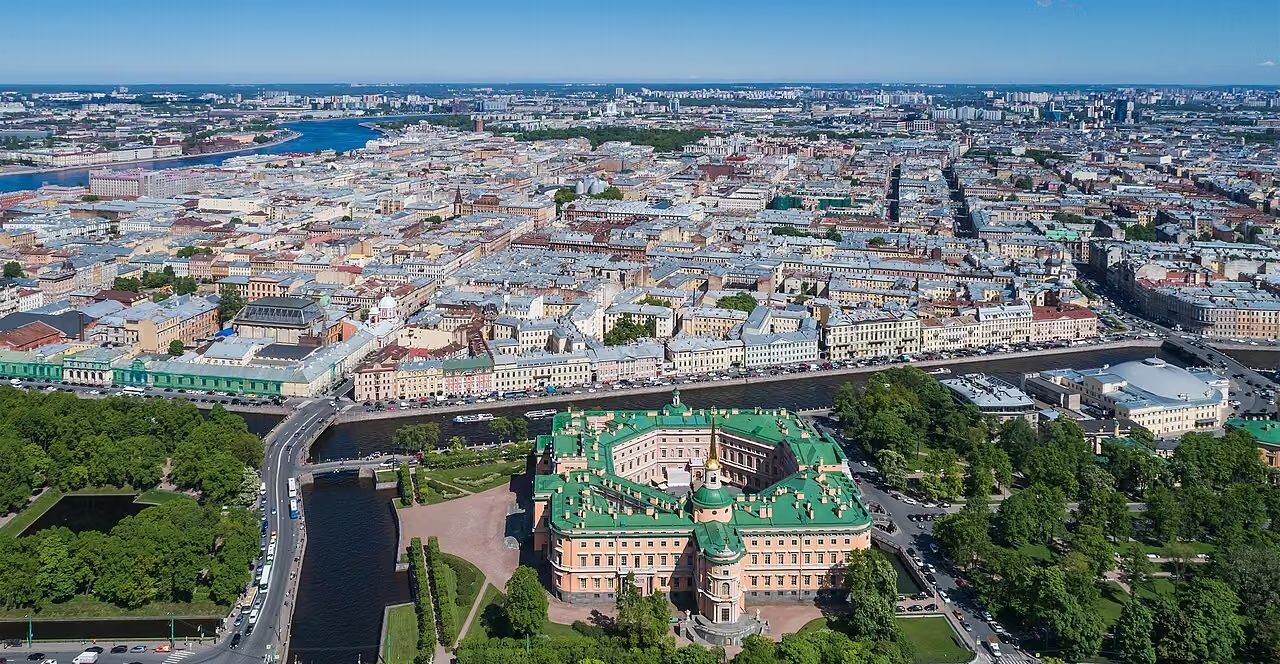
St Petersburg
The Hermitage, imperial palaces, canals, white nights and a powerful art route.
 Guide live
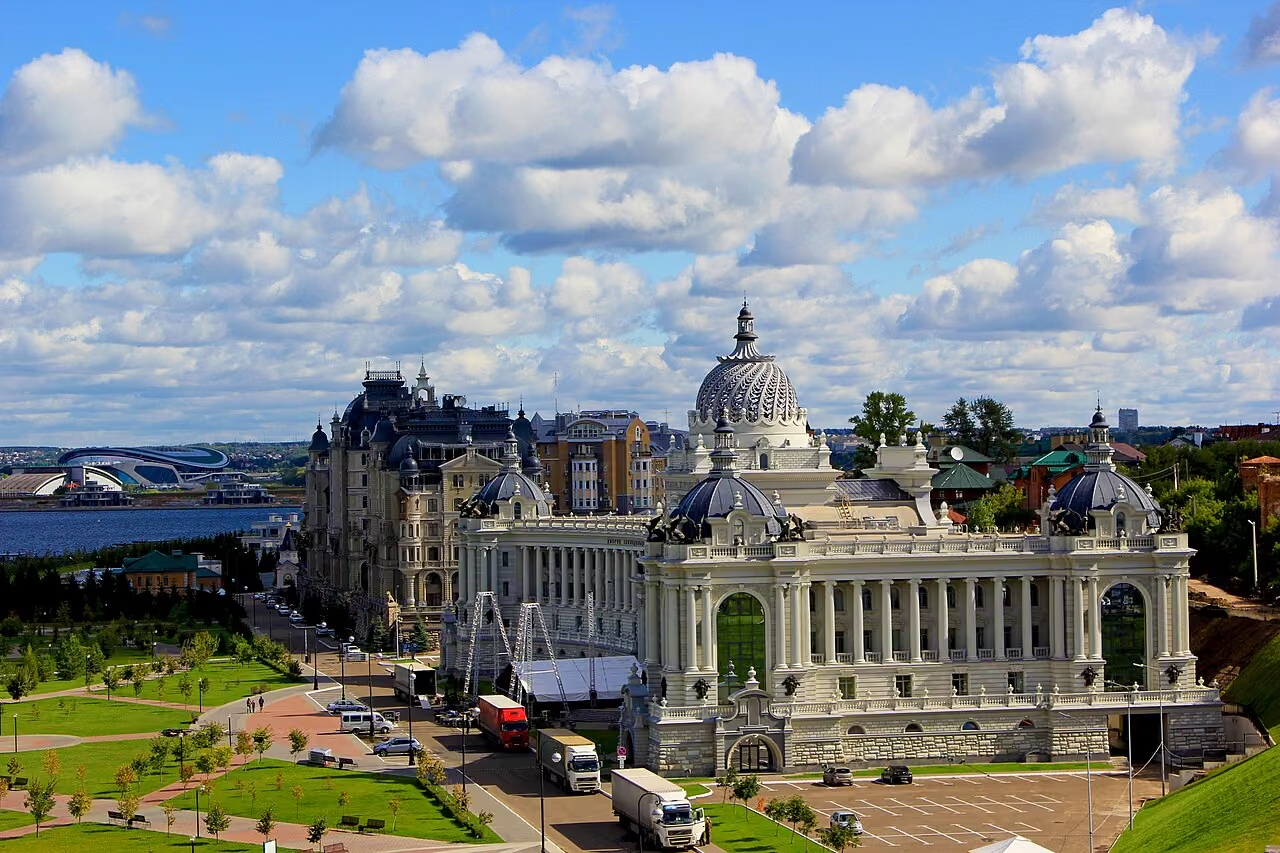
Kazan
A mosque and a cathedral inside the Kremlin, Tatar neighbourhoods, the Volga and a distinctive local cuisine.
 Guide live
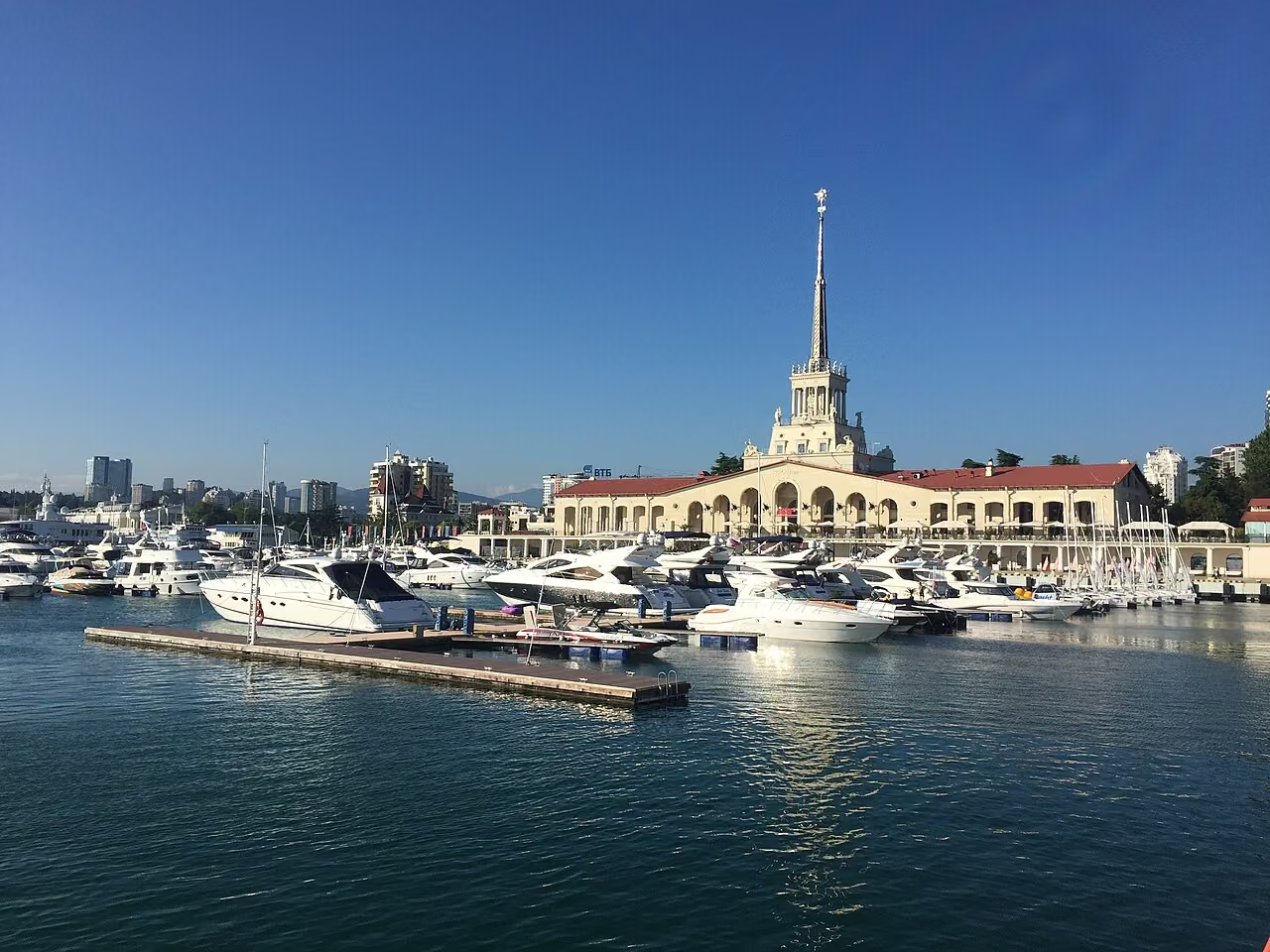
Sochi
The Black Sea coast, subtropical gardens, Olympic heritage and the Caucasus mountains.
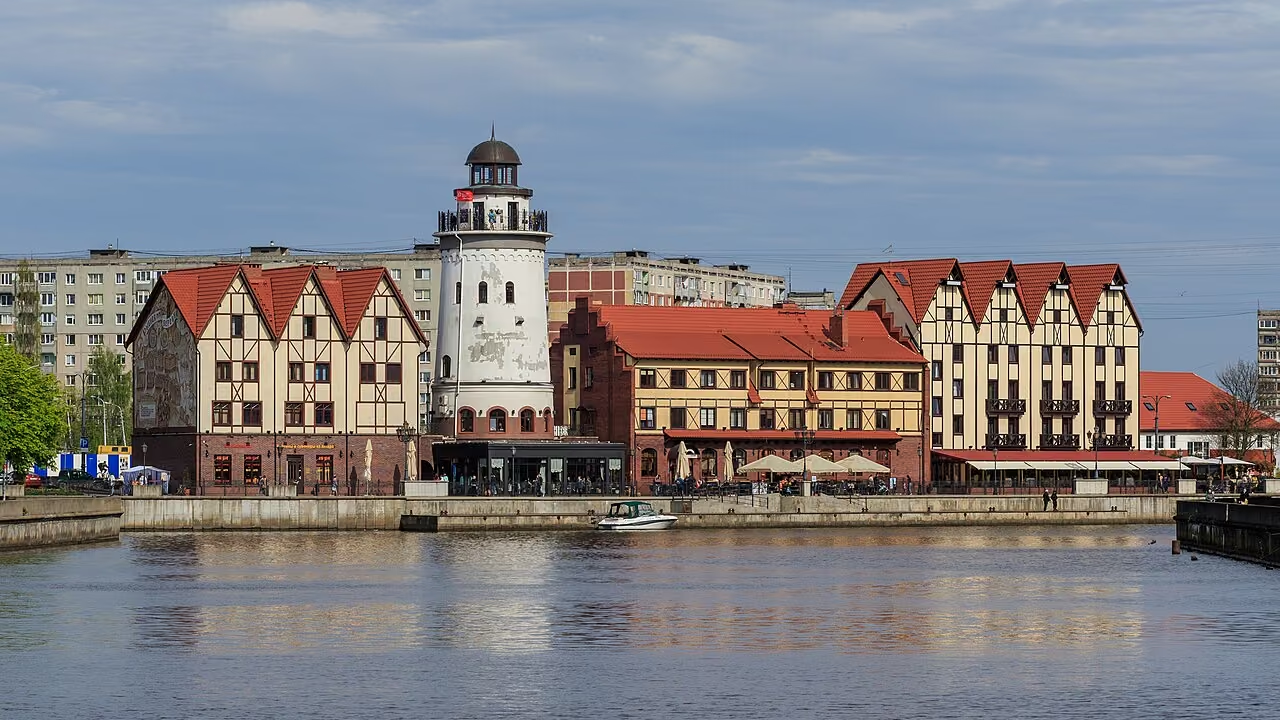 Guide live
Kaliningrad
Königsberg history, Kant Island, amber culture and Baltic coastal parks.
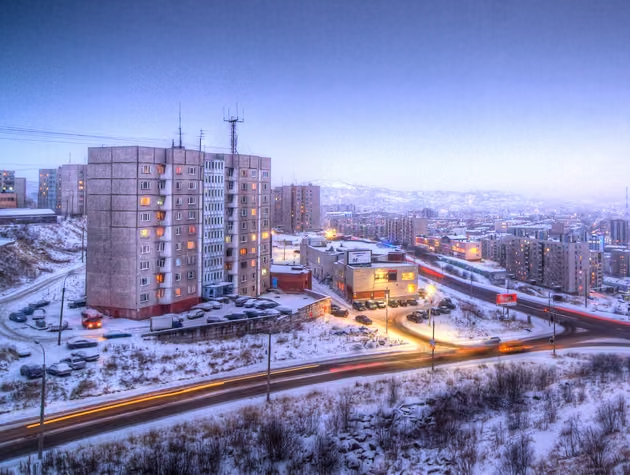 Guide live
Murmansk
An Arctic port, an icebreaker, tundra and carefully planned northern-lights nights.
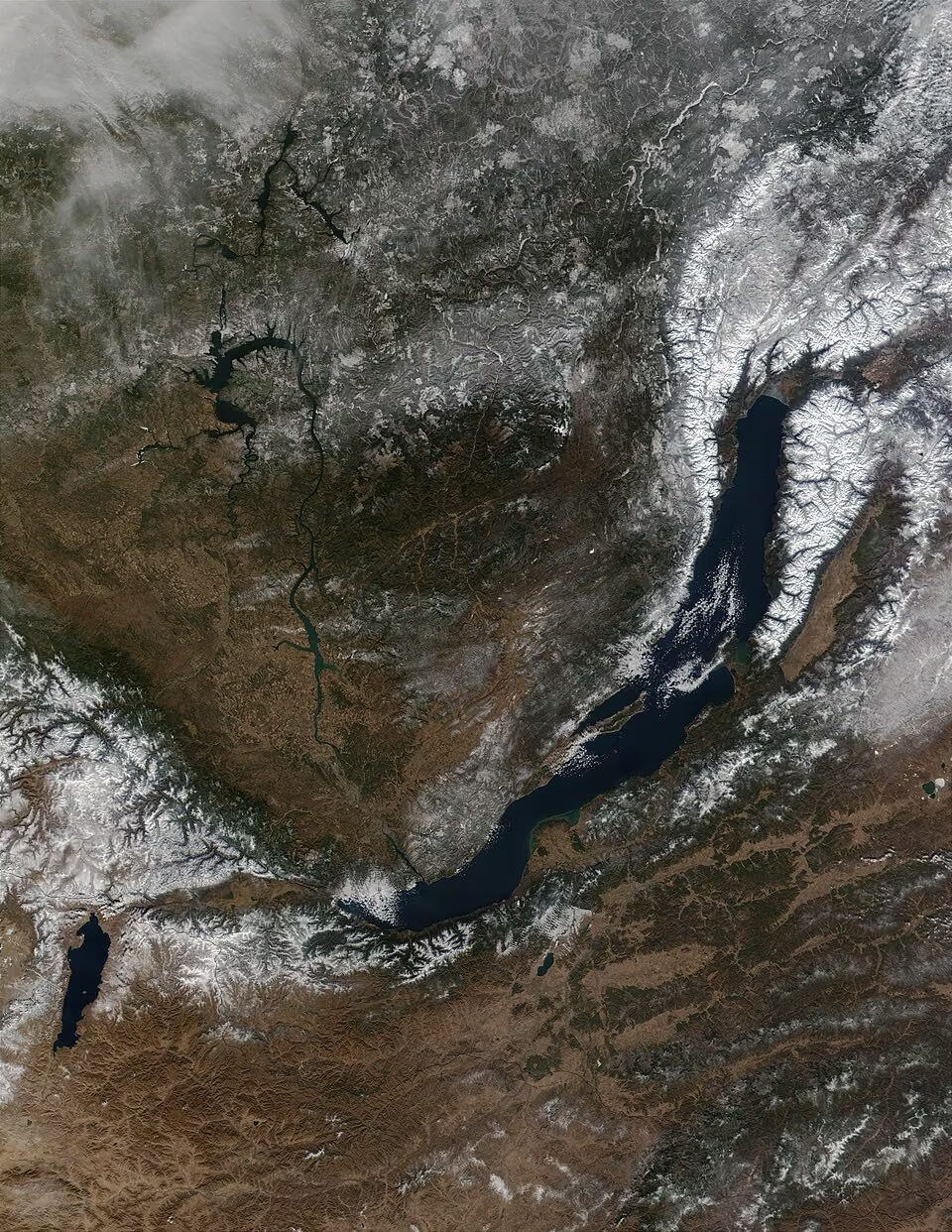 Guide live
Lake Baikal
Irkutsk, Listvyanka, Olkhon and seasonal nature routes on the world's deepest lake.
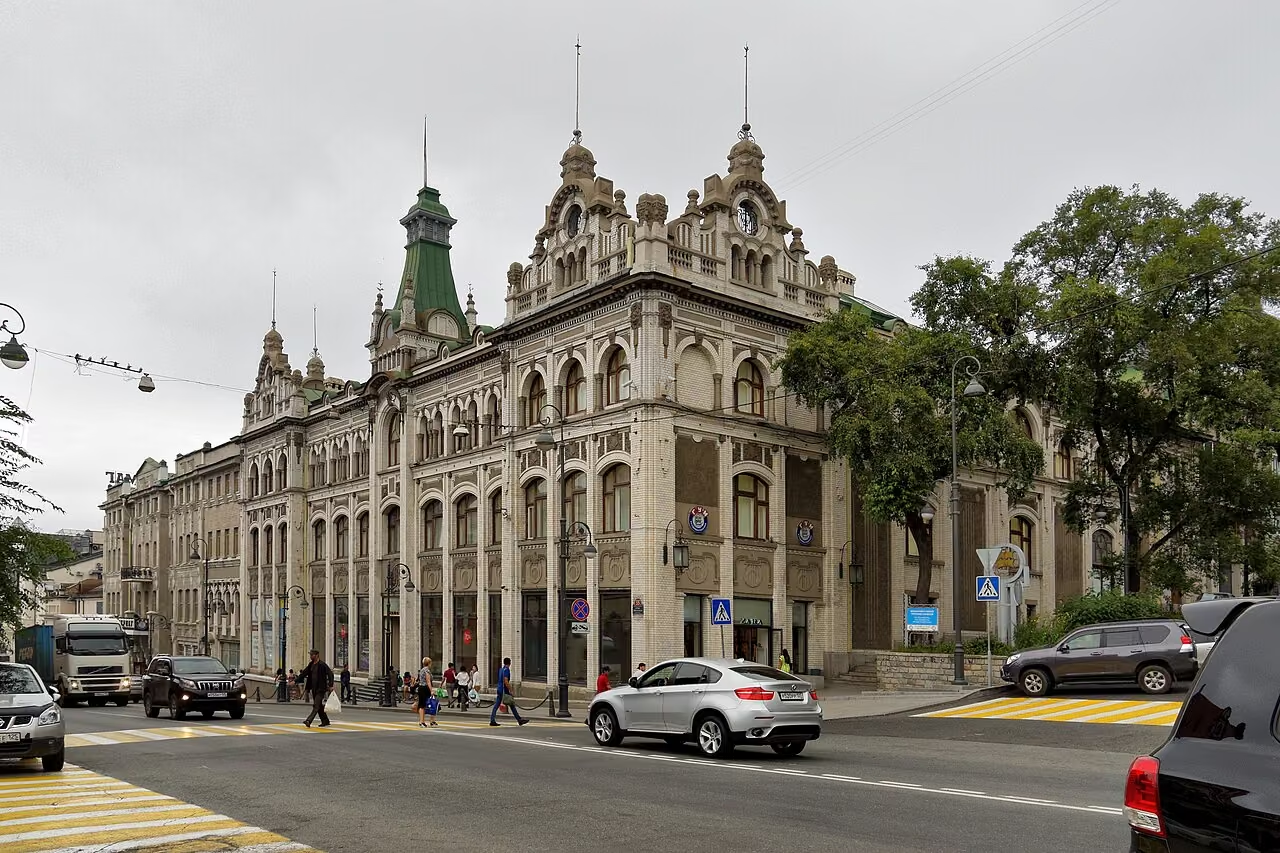 Guide live
Vladivostok
A Pacific port, steep hills, Russky Island and the strong seafood cuisine of the Far East.
Image credits
- A.Savin · source · FAL
- Vitaly Ilyin · source · CC BY-SA 4.0
- Trace · source · CC BY-SA 4.0
- A.Savin · source · FAL
- Tom Thiel · source · CC BY 2.0
- Alexxx1979 · source · CC BY-SA 4.0