🇭🇷 Country guide
Croatia Travel Guide
A strong Adriatic route from a Central European capital to walled Dalmatian towns, from islands to waterfall parks.
Gateway
Zagreb · ZAG
Capital
Zagreb
Best time
April–June · September–October
Budget
Moderate
Don't miss
Looking out over the Adriatic from the walls of Dubrovnik, then crossing to quiet island harbours
How to plan a route through Croatia
For a first route, give Zagreb three nights, the Plitvice area two, Split four and Dubrovnik three. Coastal bus or car distances lengthen with summer traffic; don't squeeze Plitvice into an intercity transfer day.
Zadar–Šibenik–Split is the northern/central Dalmatia line. Allow at least three to four nights for Hvar; Istria is a week in its own right for Rovinj/Pula and the inland villages. Don't turn the islands into constant one-night suitcase changes.
What to know before travelling to Croatia
Check the Schengen entry rules for your passport
Croatia is in Schengen; whether you need a visa for a short stay depends on your nationality and passport type. If you do, apply, according to the main-destination rule, only through the official mission or the authorised VFS channel.
On the coast, buses and ferries matter more than trains
HŽPP is useful in Zagreb and on some mainland lines; in Dalmatia and on the islands, buses/ferries are the backbone. Confirm separately the port, whether it's a catamaran or car ferry, the reservation and the last connection.
The euro and the total tourist cost
Cards are common, but islands, markets and small businesses need cash. Add city tax, parking, beach sets, boats, park tickets and luggage to the advertised room/bus price; choose euros at ATMs.
National park tickets are tied to the right entrance
Plitvice, Krka, Kornati and Paklenica are separate systems. Check times, entrance gate, boat/shuttle, swimming and route closures on the park's official site; don't go beyond the barriers.
Fire and coastal safety can change the daily plan
Summer heat, wind and fire can close roads, islands or forest routes. Don't light open fires; when boating/swimming, follow weather and flag warnings, and in former conflict areas, stick to marked paths.
12–15 days
Classic Croatia
The capital three, the park two, Split four, Dubrovnik three nights; a full day for the long coastal transfer.
7–10 days
Northern Dalmatia
Three nights in each city; choose just two of Kornati, Krka or Paklenica.
8–11 days
Split and an island
Split four, Hvar four nights; lock in the right port and seasonal catamaran early.
7–10 days
A slow Istria route
A coastal base in Rovinj/Pula and the inland hill villages; a two-centre programme without driving after tastings.
Practical information for Croatia
Entry requirements
Croatia is in the Schengen Area. According to the Croatian Ministry of Foreign Affairs, whether you need a visa for short visits depends on your nationality and passport type. If you do, apply according to the main-destination rule only through the official representation or authorised VFS, and re-verify your personal passport situation.
Money and payments
The euro is used. Cards are common; cash may be needed at markets, on small islands, on buses, at konobas and in car parks. At restaurants, beach set-ups, boats and taxis, clarify whether the price is per person/table/hour or per kilo; use bank ATMs and choose euros.
Languages
Croatian and the Latin alphabet are official. English is common on the coast, in Zagreb and on tourist islands; on rural buses and at small accommodation, keeping local names written down helps. Avoid generalisations about war memory, identity and neighbouring countries.
Phones, internet and apps
HŽPP is used for mainland trains centred on Zagreb; on the Dalmatian coast and islands, buses and ferries matter more. Island sailings, vehicle spaces and last connections can fill up in summer; check official announcements from HŽPP, the port operator and the ferry company on the day.
Budget
Budget separately for summer accommodation in Dubrovnik, Split and on the islands, ferries, national park tickets, parking and city tax; don't equate coastal and Zagreb prices.
On a budget plan, think guesthouses, bakeries, buses and free coastline; mid-range brings rooms outside the old town, ferries, museums and park tickets; a comfortable plan features walled-town/boutique stays, boats and private transfers. Dubrovnik, Hvar and Split in summer are noticeably more expensive than the national average.
Cities, islands and national parks to visit in Croatia
The places to visit in Croatia stretch from Zagreb's Central European culture in the north to Dubrovnik's Ragusan walls in the south. Split is a living Roman palace with island connections, Zadar has its sunset art, and Šibenik its stone cathedral and gateway to Krka. Hvar is a long island route, Istria a multi-centre gastronomic peninsula and Plitvice a large waterfall park with timed entry and conservation rules.
Original guides are live for all 8 cities
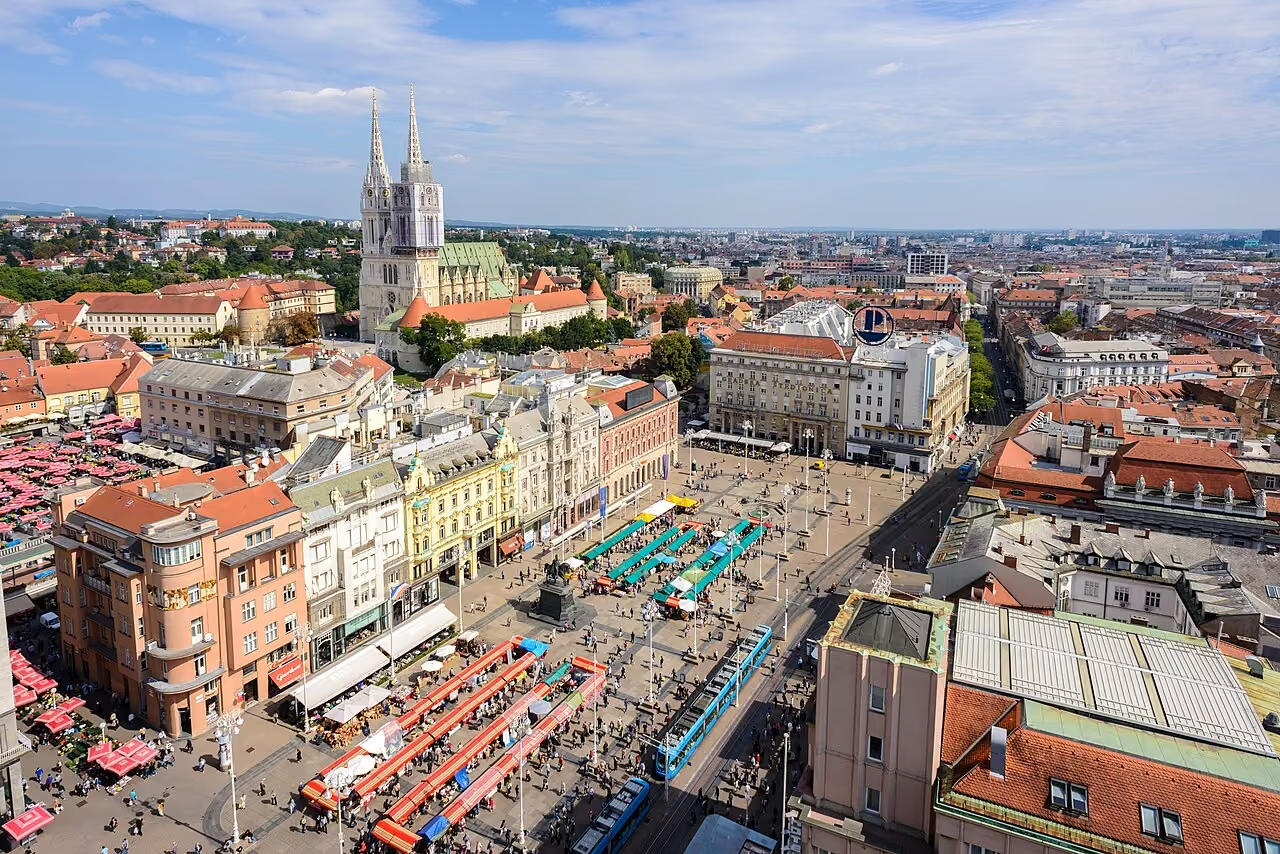 Guide live
Zagreb
A lively Central European capital of the historic Upper Town, museum boulevards and markets.
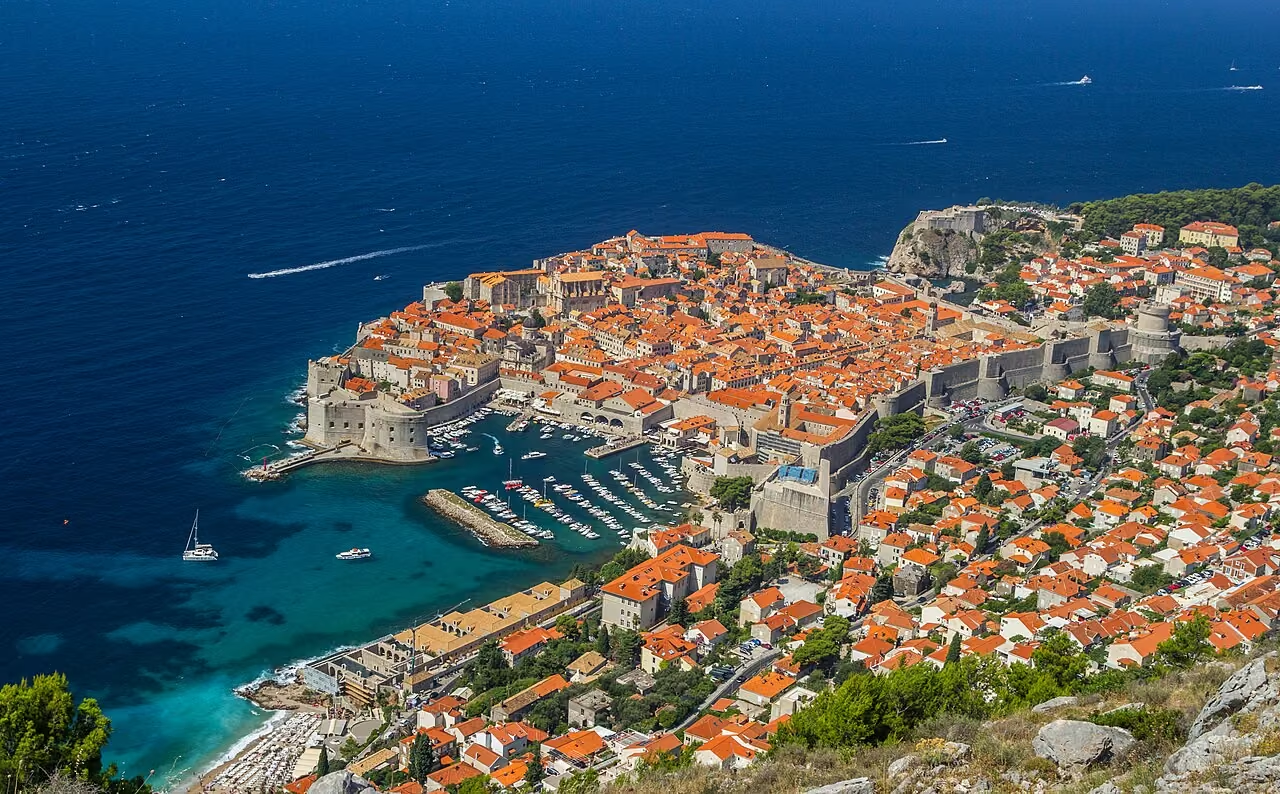 Guide live
Dubrovnik
The magnificent walls of the Republic of Ragusa, stone streets and the Elaphiti Islands.
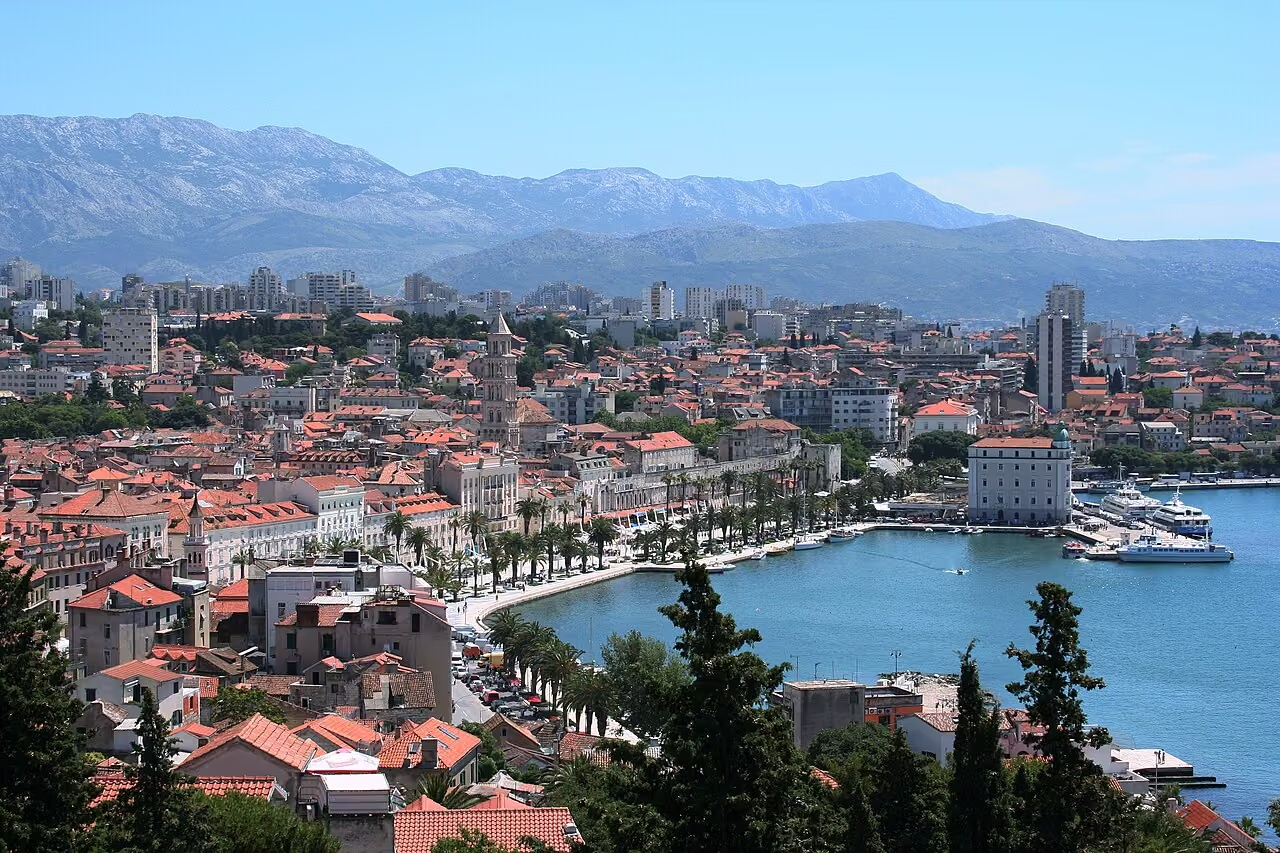 Guide live
Split
The living Diocletian's Palace, Marjan, Dalmatian neighbourhoods and a major island port.
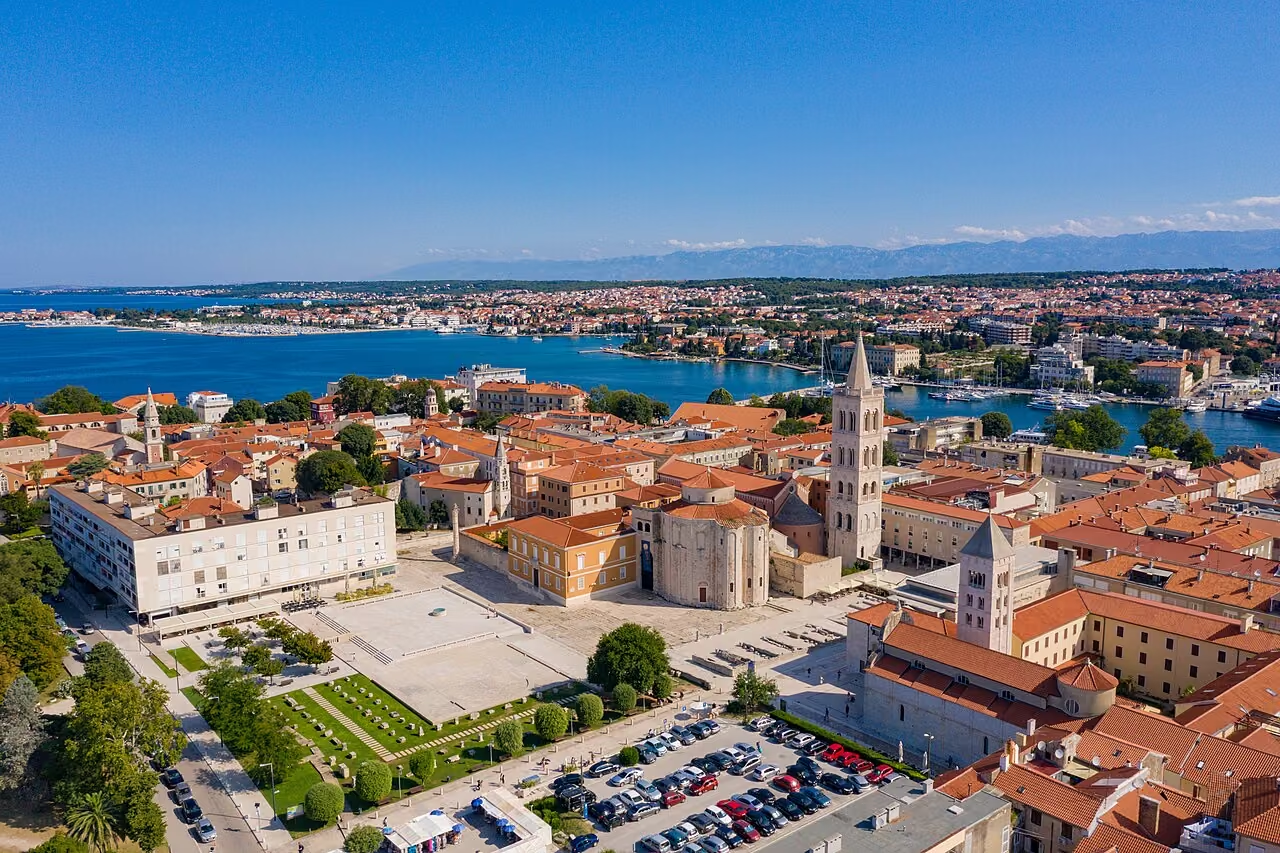 Guide live
Zadar
A Roman forum, the Sea Organ, sunset art and a gateway to northern Dalmatian nature.
 Guide live
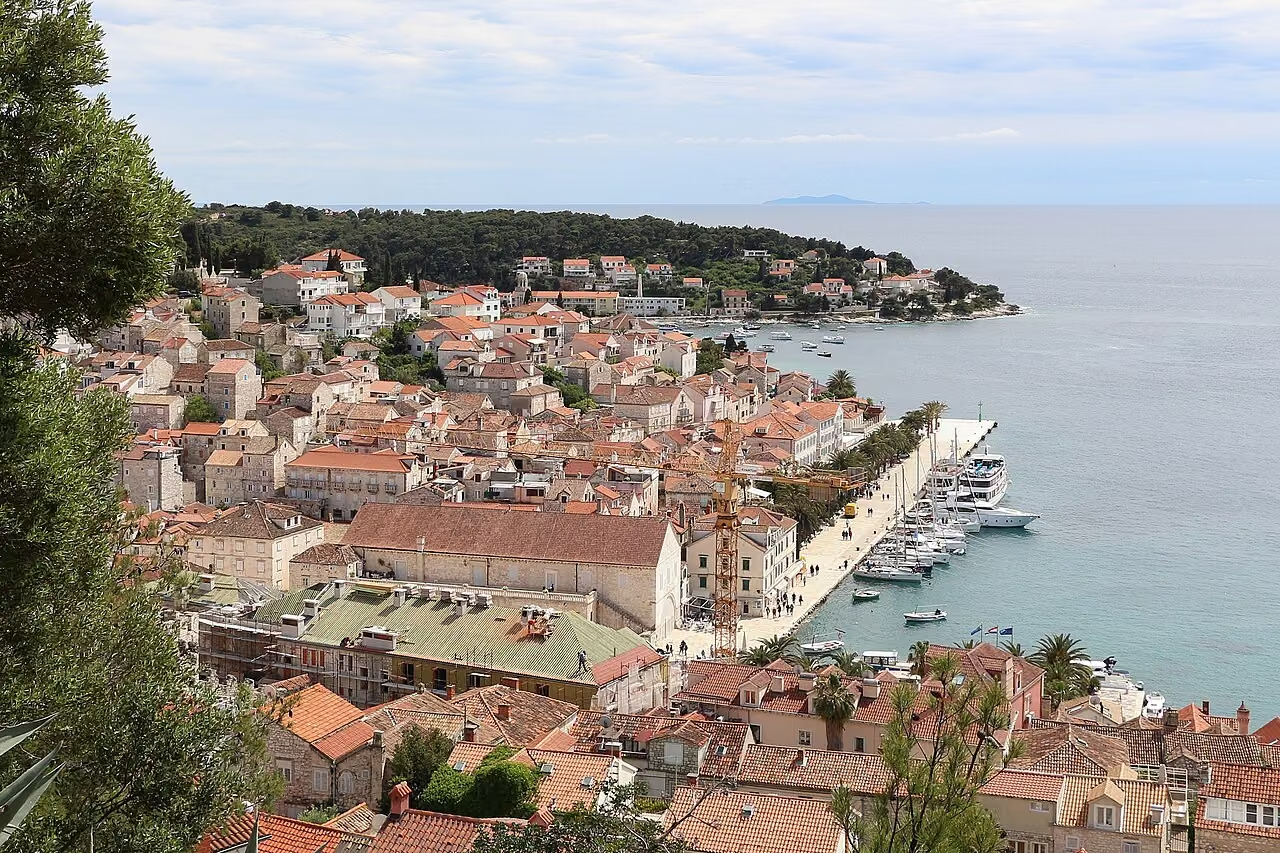
Hvar
A Venetian harbour, the Pakleni Islands, lavender villages, vineyards and nightlife.
 Guide live
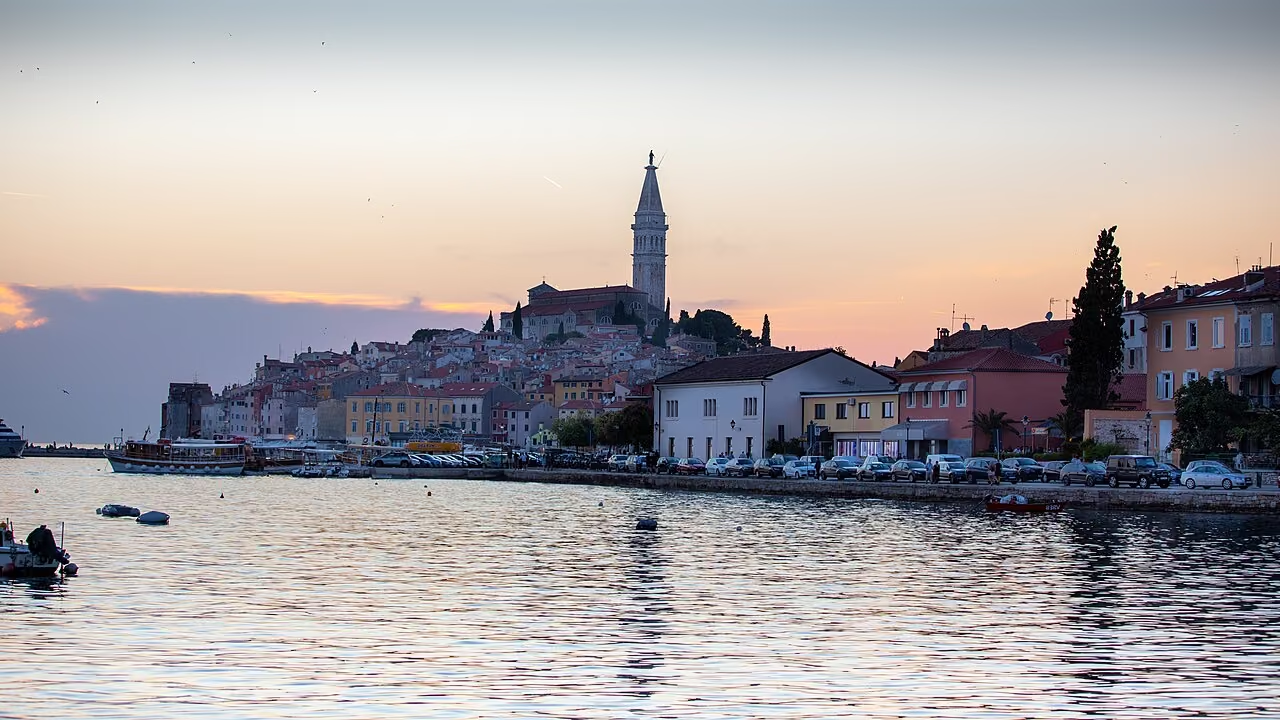
Istria
A peninsula with many centres, from Rovinj and Pula to hilltop villages, truffles, vineyards and olive oil.
 Guide live
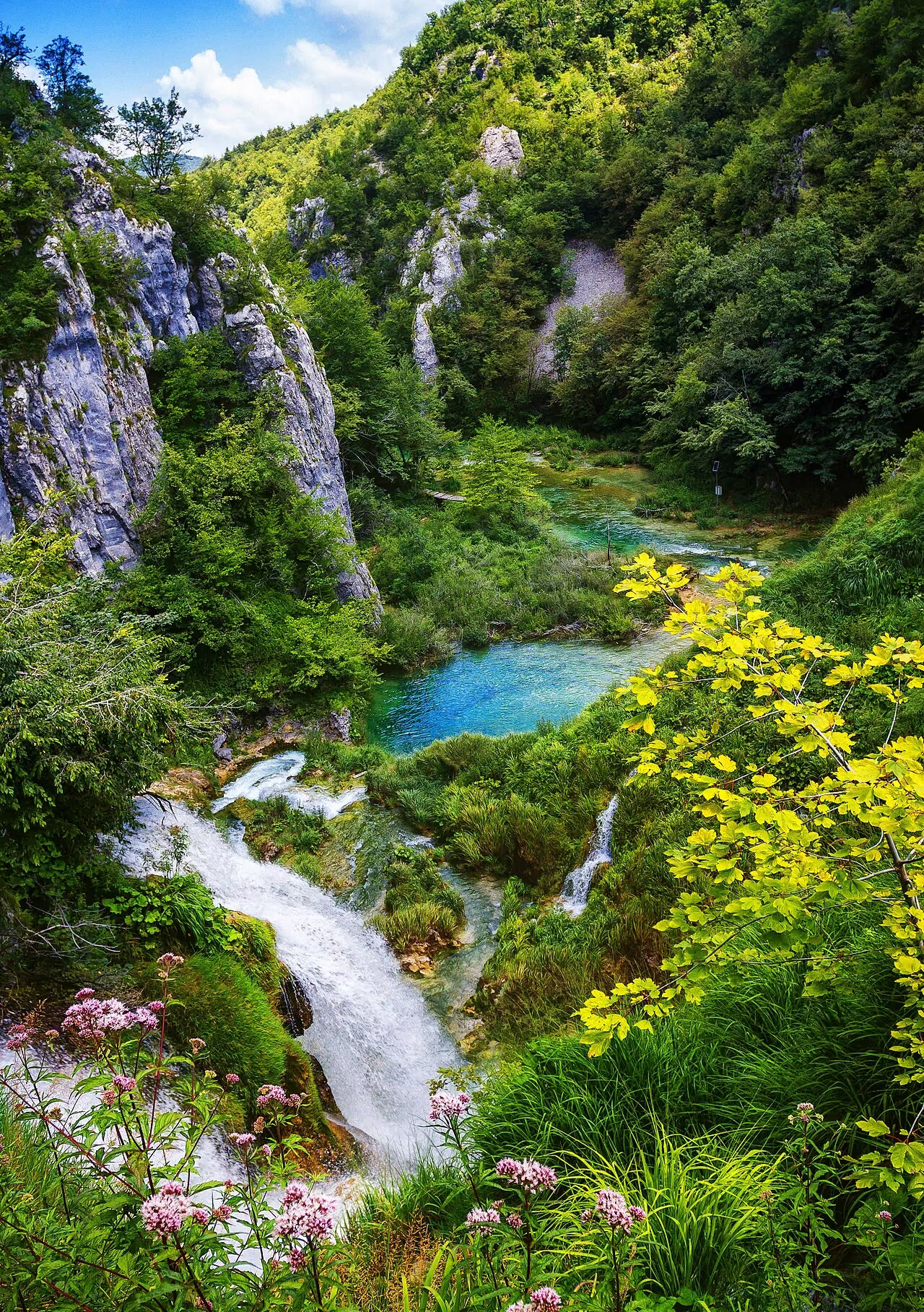
Plitvice Lakes
Travertine lakes, waterfalls, wooden boardwalks and a protected karst forest ecosystem.
 Guide live
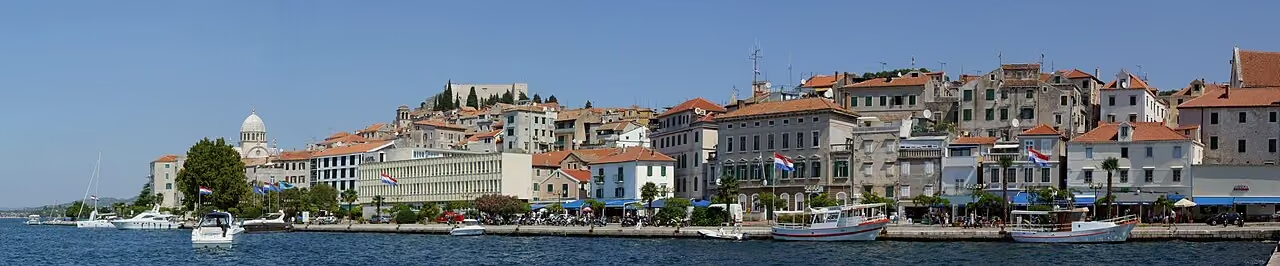
Šibenik
A historic coastal base with a UNESCO stone cathedral, four fortresses and Krka–Kornati routes.
Image credits
- Zysko serhii · source · CC BY-SA 4.0
- Nick Savchenko from Kiev, Ukraine · source · CC BY-SA 2.0
- Tatyana Peshkova · source · CC BY-SA 4.0
- dronepicr · source · CC BY 2.0
- Bernard Gagnon · source · CC BY-SA 4.0
- Zysko serhii · source · CC BY-SA 4.0
- Pudelek (Marcin Szala) · source · CC BY-SA 3.0