🇩🇰 Country guide
Denmark Travel Guide
A compact northern country stretching from cycling cities to Viking fjords, from design museums to windswept Baltic islands.
Gateway
Copenhagen · CPH
Capital
Copenhagen
Best time
May–September · December
Budget
High
Don't miss
Cycling out from Copenhagen's harbour and back to the canal side at sunset
How to plan a route through Denmark
On a first trip, give Copenhagen four to five nights and Aarhus three; add Roskilde as a full day from the capital and Odense as a two-night Funen leg. Trains are fast, but don't let transfer days eat into museum and neighbourhood time.
For northern Jutland, Aalborg–Skagen; for the west/south, Ribe–the Wadden Sea are separate clusters. Bornholm is not an extension of a Copenhagen card; it's an island route needing at least four nights, by cross-border ferry via Ystad or by air.
What to know before travelling to Denmark
Check the Schengen entry rules for your passport
Denmark's Ministry of Foreign Affairs lists visa requirements by nationality and passport type. If you need a visa and Denmark is your main destination, use the official mission/VFS channel; the Faroe Islands and Greenland may require separate validity.
DSB and the right zone/ticket
DSB provides the rail backbone; the metro, S-trains, buses, harbour buses and regional operators may use different zones/products. Buy your ticket before boarding, check bike and rush-hour rules and book the Bornholm ferry separately.
The Danish krone is used
Card and contactless payments are common; some small businesses may add a surcharge for foreign cards or restrict local mobile payment. Choose DKK on the terminal and carry a backup card. Service is usually included in the price; tipping is not compulsory.
Cycling culture is a traffic rule
Don't walk in the cycle lane. Before renting, learn the hand signals, lights, turning and parking rules; if you're inexperienced, don't start in Copenhagen's rush hour. On coastal routes, carry gear for wind, rain and visibility.
Don't underestimate the coast and the tides
Swimming at Grenen, going out onto the Wadden Sea flats without a guide or entering the water in harbours without permission is dangerous. Follow official flags, tide, current and weather notices; leave a return margin for small island ferries.
8–10 days
A first trip to Denmark
Copenhagen four, Roskilde a full day, Odense two, Aarhus three nights; a linear route by train.
5–7 days
Northern Jutland
Aalborg two to three, Skagen three nights; separate the Grenen and art/dune days.
4–6 days
History and the Wadden Sea
Ribe two to three nights; add only one of Mandø or Esbjerg depending on tides and museum hours.
5–7 days
A Bornholm island route
Two bases, Rønne and the north/east coast; flexible days for cycling, the ferry and the weather.
Practical information for Denmark
Entry requirements
Denmark is in the Schengen Area. According to the Danish Ministry of Foreign Affairs, whether you need a Schengen visa depends on your nationality and passport type. If you need one and Denmark is your main destination, apply only through the official foreign mission and VFS; remember that Greenland and the Faroe Islands may require separate validity.
Money and payments
The Danish krone is used; card and contactless payments are very common. Some small businesses may add a surcharge for foreign cards or accept only local mobile payments; confirm the price and carry a back-up card. Choose DKK on the terminal. Tips and service are usually included in prices; there's no fixed percentage you must add.
Languages
Danish is the main language, and English is very common in tourism. Saving Danish names is useful for station, platform, bike and harbour signs. Local pronunciation varies in Bornholm, Ribe and small towns, but a written address is enough; don't enter private property or coastal farms without permission.
Phones, internet and apps
DSB is the main source for intercity and suburban lines; Rejseplanen can show different operators together. The Copenhagen metro, S-trains, regional trains, buses and harbour buses can combine on one journey; check the correct zones and check-in rules. The Bornholm ferry and island buses require separate capacity planning.
Budget
List Copenhagen accommodation, intercity trains, bridges/ferries and museum fees separately; also add bike rental and restaurant service practices to your total budget.
On a budget plan, think hostels, bakeries/supermarkets and comparing city cards; mid-range brings rooms outside the centre, trains and a few museums; a comfortable plan features central hotels, design restaurants and an island/castle day. Don't apply Copenhagen prices to Ribe or Aalborg; add bikes, bridges/ferries, museums and breakfast to the displayed room price.
Cities, islands and coastal routes to visit in Denmark
The places to visit in Denmark range from Copenhagen's palace-and-design axis to Aarhus's big museums, from Odense's Andersen heritage to Aalborg's Limfjord shore. Roskilde has Viking ships and the royal cathedral; Ribe the Wadden Sea and a medieval fabric; Skagen two seas and its artists; and Bornholm is a Baltic island route in its own right, best by bike.
Original guides are live for all 8 cities
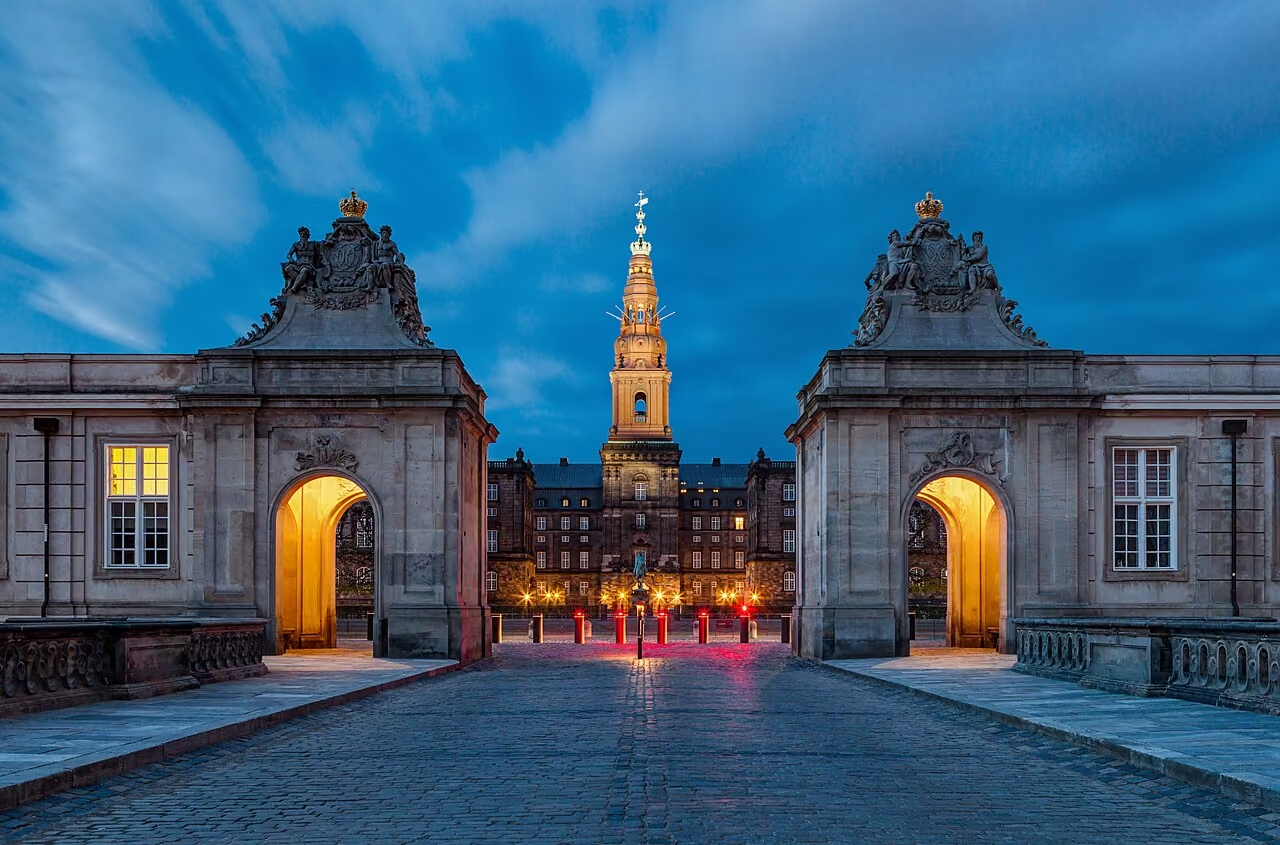 Guide live
Copenhagen
Palaces, Nordic design, canals, city saunas and cycling-first neighbourhoods.
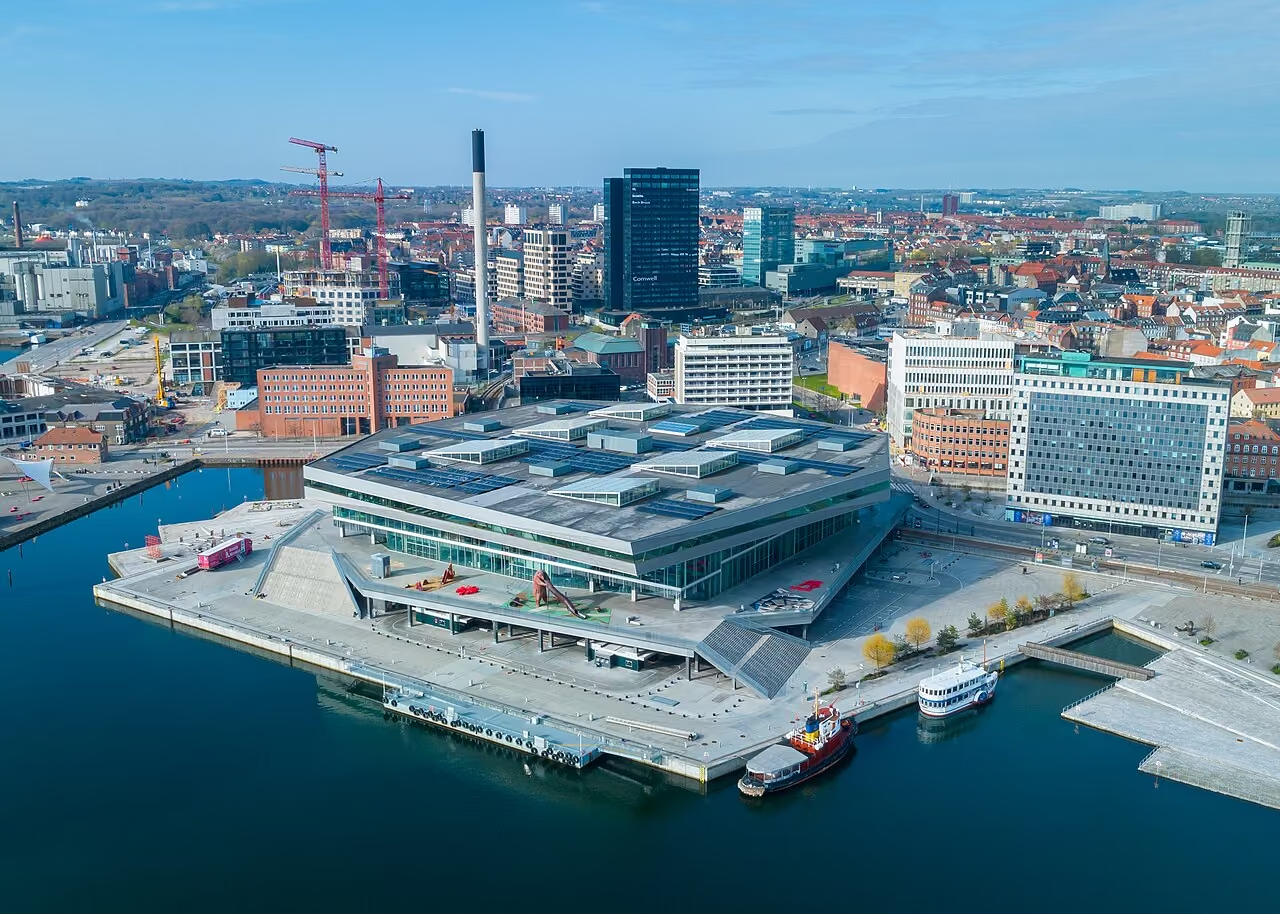 Guide live
Aarhus
The country's creative second city, with ARoS, Den Gamle By, Moesgaard and a young harbour culture.
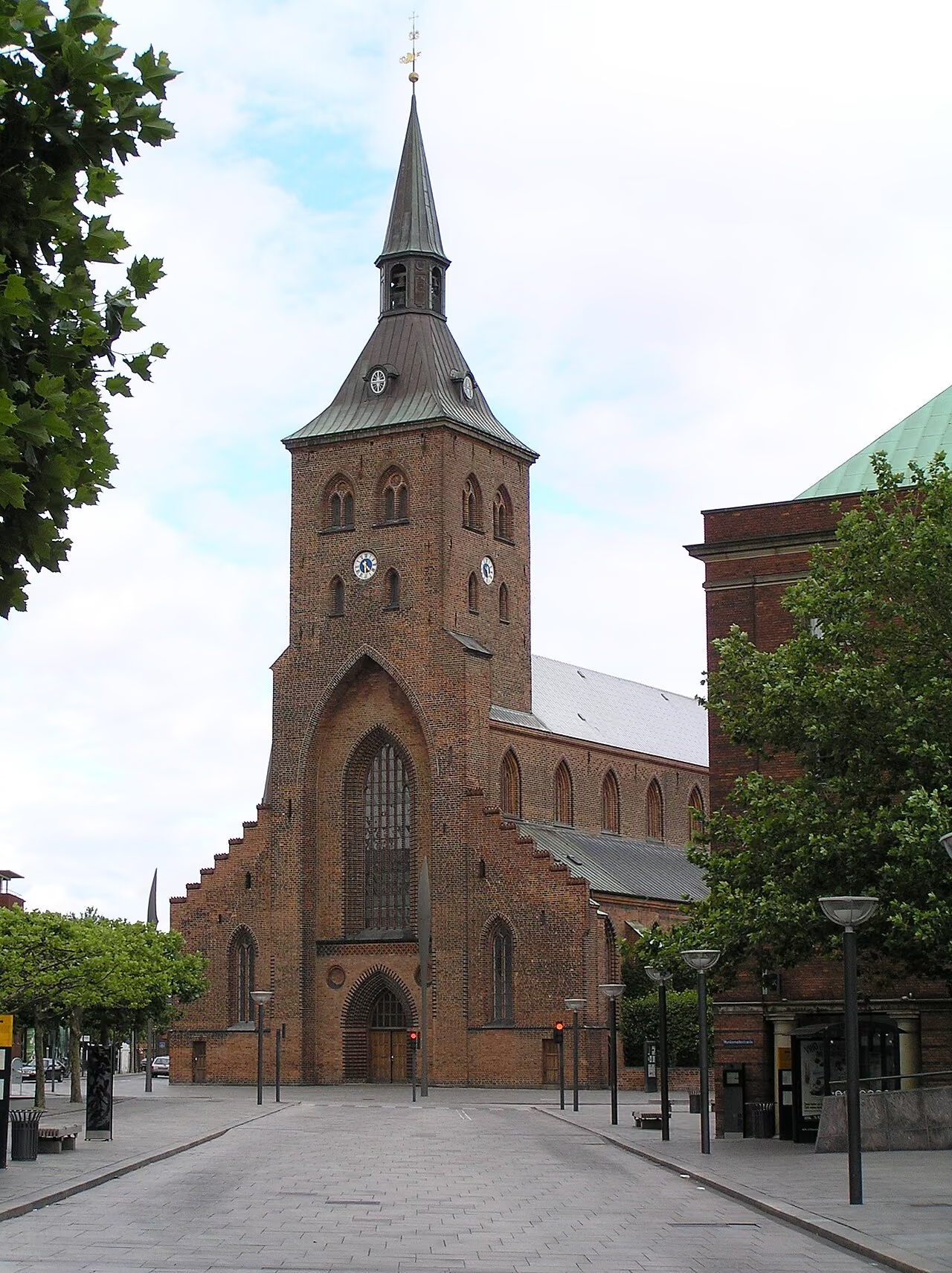 Guide live
Odense
A city beyond the fairy tale, with Hans Christian Andersen, the castles of Funen and a calm cycling network.
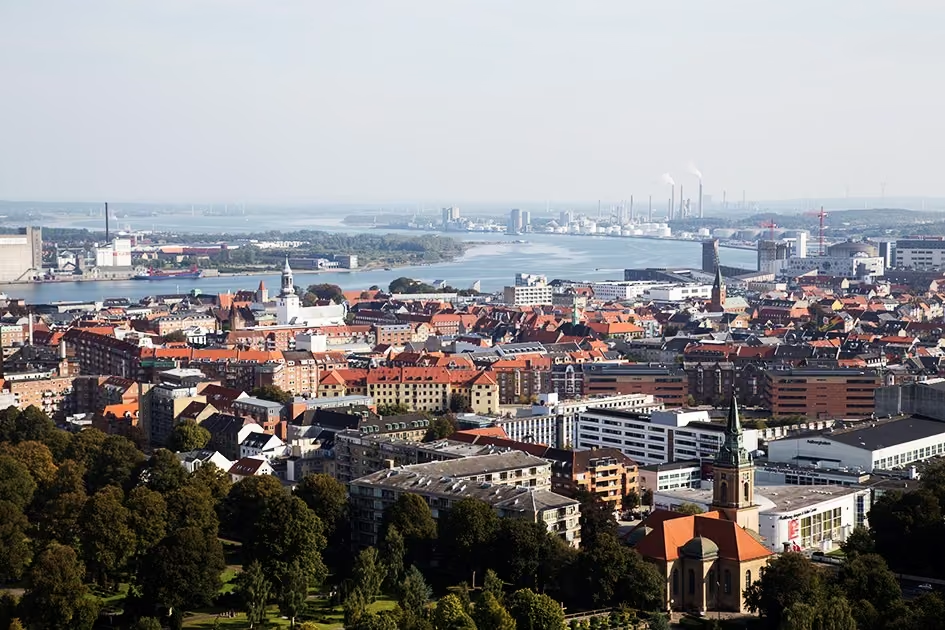 Guide live
Aalborg
Utzon design on the Limfjord, industrial transformation and the Viking heritage of Lindholm Høje.
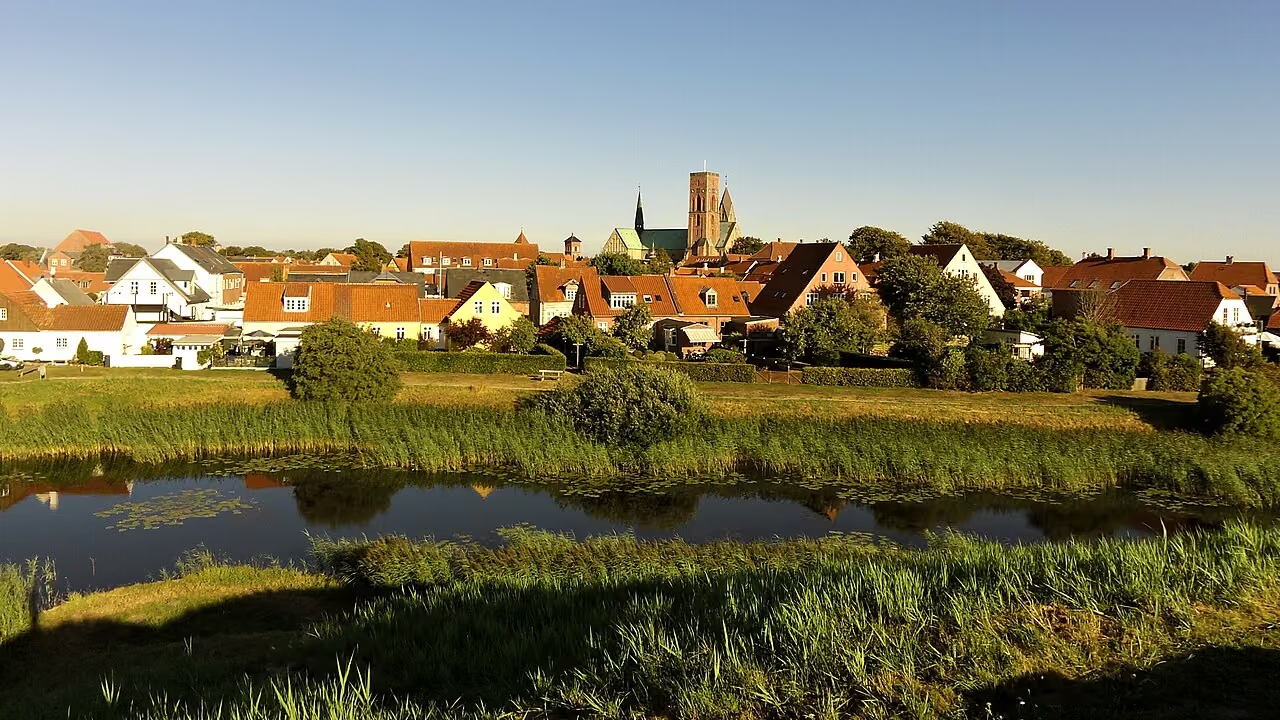 Guide live
Ribe
A small town of medieval streets, Viking history and the tidal nature of the Wadden Sea.
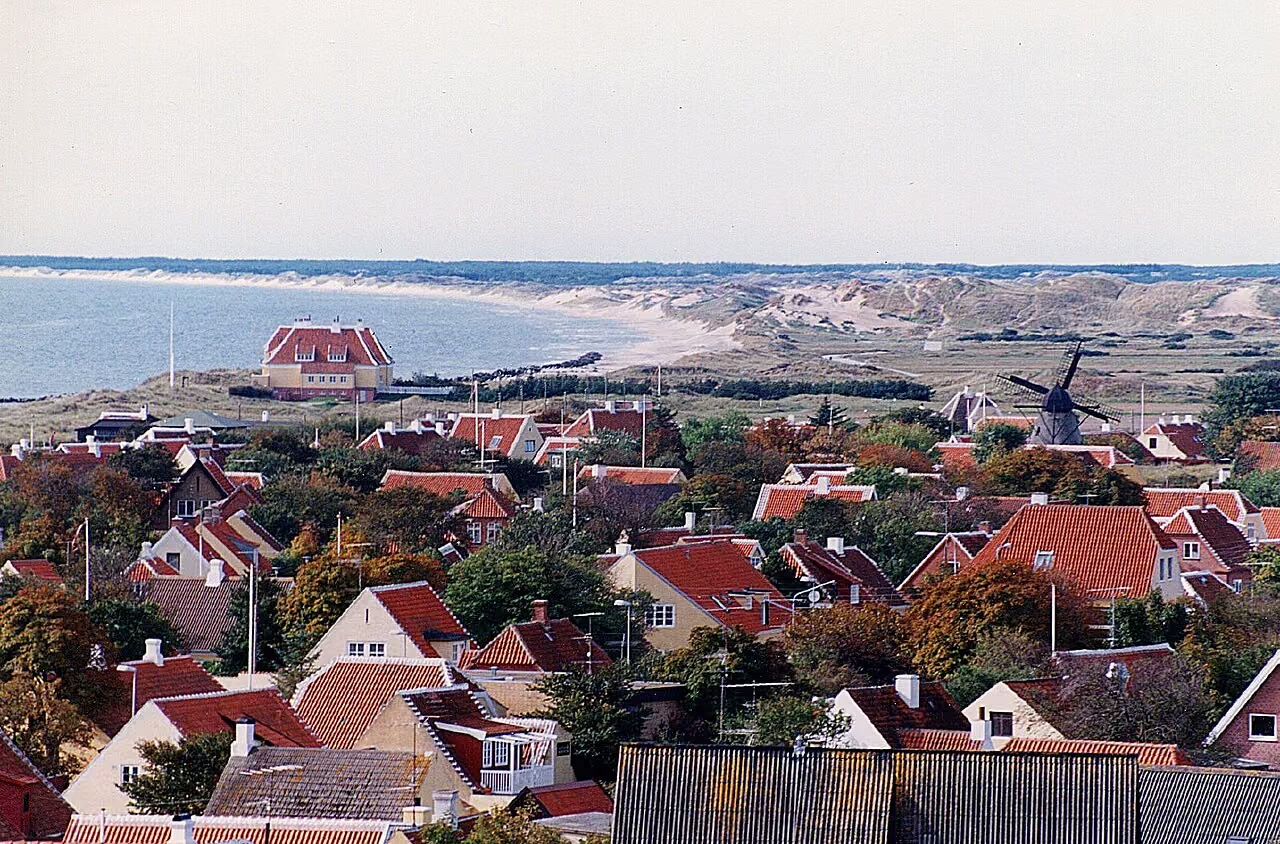 Guide live
Skagen
Grenen, where two seas meet, painters, yellow houses and a shifting dune landscape.
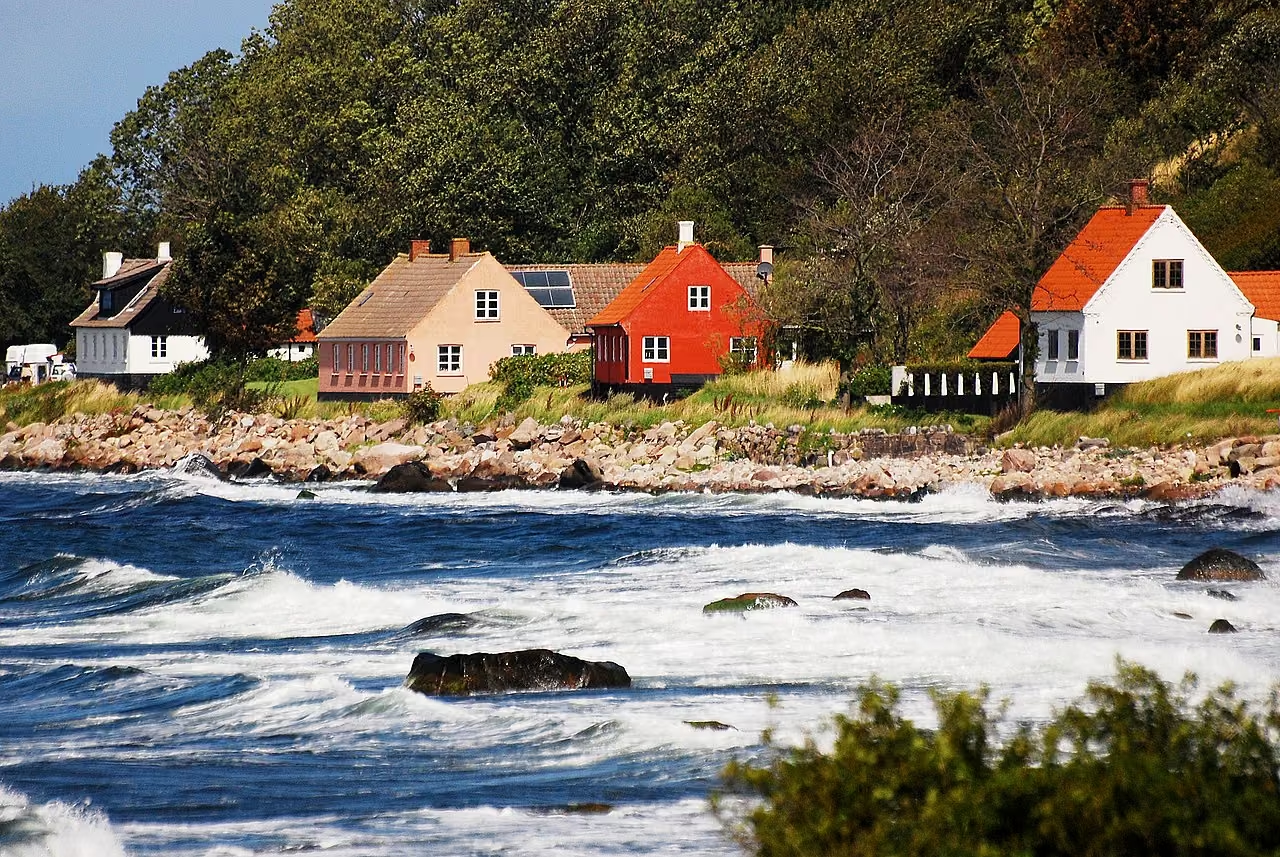 Guide live
Bornholm
A Baltic island of Hammershus, round churches, smokehouses and a strong cycling network.
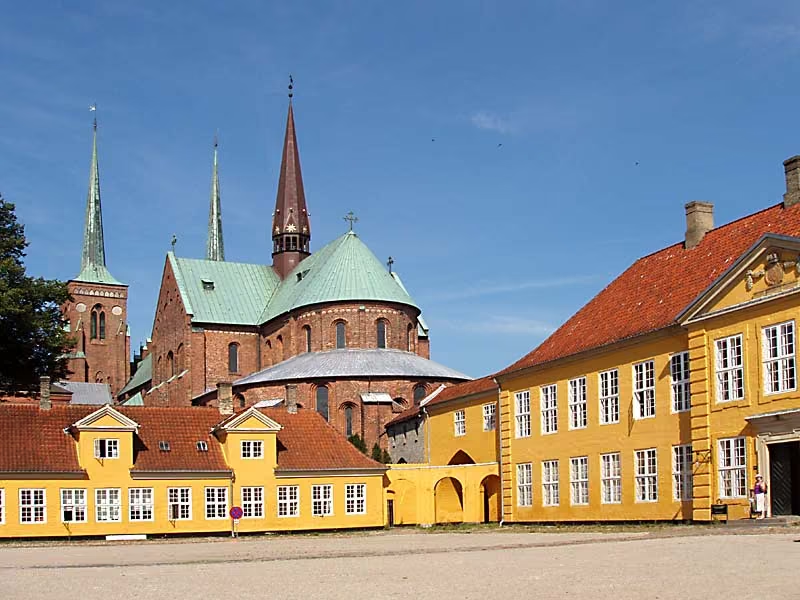 Guide live
Roskilde
The royal cathedral, original Viking ships, the fjord and a contemporary music culture.
Image credits
- Moahim · source · CC BY-SA 4.0
- Moahim · source · CC BY-SA 4.0
- ClausFalk · source · CC BY-SA 4.0
- Hjart · source · CC BY-SA 4.0
- John Nuttall from Hampshire, United Kingdom · source · CC BY 2.0
- Lilly M real name Małgorzata Miłaszewska · source · CC BY-SA 3.0
- Nico/ Nils Jepsen · source · CC BY-SA 3.0