Contents
How to plan a trip to Palma de Mallorca
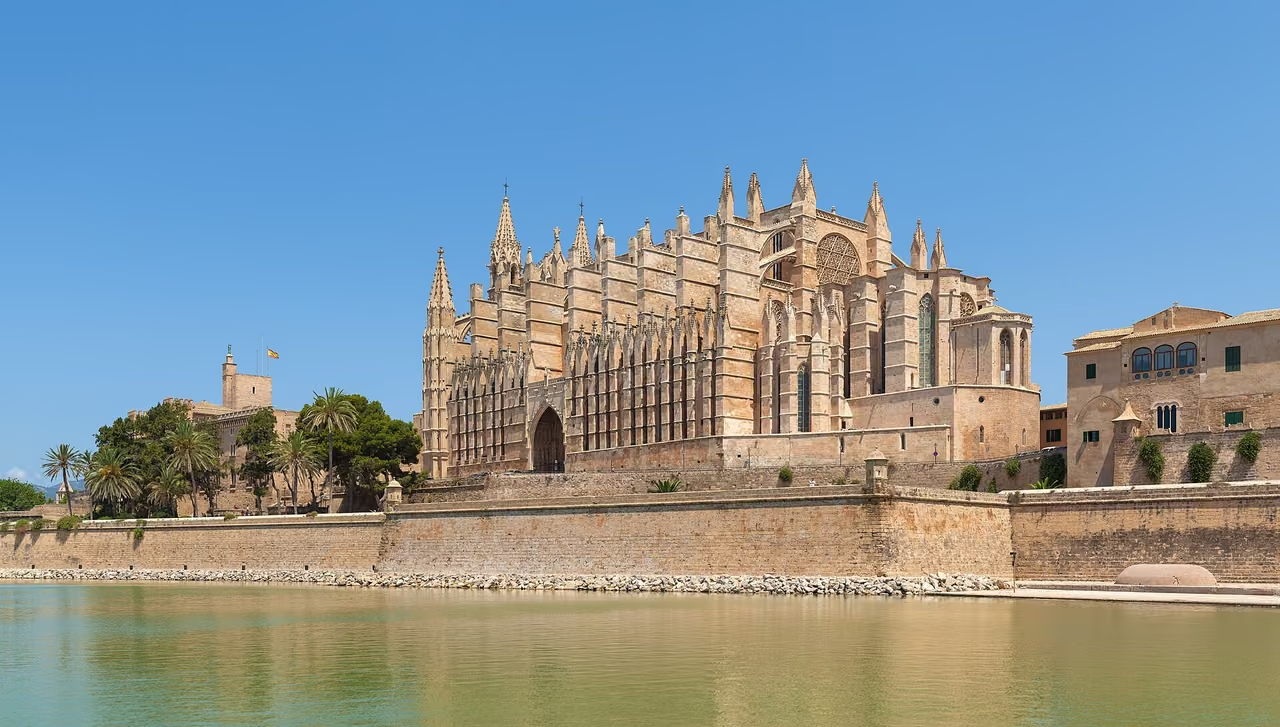
Palma isn't just Mallorca's gateway but a city break in its own right: La Seu, the Almudaina, the Jewish quarter, modernisme facades and a lively market fill more than a day.
In your island plan, rather than chasing a different cove every day, set up a city day, a Tramuntana day and a beach day. On mountain roads, distances are short but driving time and parking pressure are high.
Things to do in Palma de Mallorca
La Seu and the old centre
For the cathedral, check the official ticket and the season for terrace access. The Almudaina, the Parc de la Mar and the Banys Àrabs link up on the same walk.
Bellver, Santa Catalina and the markets
Take a bus/taxi up to the circular Bellver Castle and see the view. Use the Santa Catalina market at lunchtime and the neighbourhood bars in the evening.
Sóller, Deià and Valldemossa
The historic Sóller train is an experience, not a fast tour vehicle linking every village. On a car-free day, choosing Sóller–Port de Sóller, and Valldemossa/Deià on another day, is more realistic.
Area by area: where to go
The Old Town offers history and walking, Santa Catalina restaurants/nightlife, Portixol the sea and cycling, and Pere Garau a more local market–budget balance.
Where to stay in Palma de Mallorca
For a first visit, the edge of the old centre or Santa Catalina is ideal. If you have a rental car, check parking; in summer, air conditioning and inner-courtyard noise; and in Portixol, the night-time return to the centre.
What to eat in Palma de Mallorca
Ensaimada, sobrasada, tumbet, frito mallorquín, pa amb oli and almond sweets carry the island's cuisine. Sobrasada isn't raw meat but a cured product; still, check flight/customs rules for carrying it.
The Mercat de l'Olivar is for produce and fish, Santa Catalina for contemporary eating, and historic pastry shops for ensaimada — all different stops. Count an ensaimada box towards your cabin-baggage allowance on the flight.
Getting to and around Palma de Mallorca
From PMI airport, EMT A1 goes to central Palma and A2 to the seaside hotel areas. The island's TIB buses and Palma's city buses have different ticket systems; check the current contactless payment conditions.
Central Palma is walkable, and a bike is handy along the seafront. The Sóller train is a separate historic operation; Tramuntana villages and distant coves require a TIB service or a car.
Cafés, nightlife and shopping
Santa Catalina and La Lonja suit evening bars, the Passeig del Born shopping, and Portixol a quiet seaside meal. For local ikat fabric, ceramics, glass and island olive oil, ask about the producer's workshop.
Day trips from Palma de Mallorca
The Tramuntana villages, Cap de Formentor, Alcúdia and Mondragó lie in different directions. On a five-day route, choose at most two regions. Boats and mountain roads are weather-sensitive.
Best time to visit Palma de Mallorca
May–June and September balance the sea + hiking. July–August is very crowded and expensive; Tramuntana car parks fill early. Winter is quiet for a Palma culture trip, but many seaside businesses may be closed.
How to budget for your trip
Island accommodation, a car and cove parking push up costs. In Palma, walking, the municipal beach and the markets balance the budget. When hiring a car, count fuel, insurance, the deposit and city parking as part of the total price.
Safety and common mistakes
In the Tramuntana, don't stop haphazardly on narrow roads for the view. Don't use beach umbrellas/sunbeds without asking the price. For a horse-carriage tour in front of the cathedral, weigh up the price and animal welfare.
Where to eat: selected places
These aren't places to tick off one by one — they're the stops that best capture how the city eats. Opening hours and prices change, so check before you go.
Ca'n Joan de S'Aigo
BudgetOld Town · Ensaimada and almond ice cream
For trying island sweets in the atmosphere of a centuries-old pastry shop.
Bar España
Mid-rangeOld Town · Pintxos and tapas
A lively, accessible evening in the centre.
Mercat de l'Olivar
Mid-rangeCentro · Fish and market
For seeing island produce in the morning and having a short lunch.
Marc Fosh
UpscaleOld Town · Mediterranean fine dining
For experiencing local produce in a contemporary, long meal.
Book ahead.
Fornet de la Soca
Mid-rangeOld Town · Traditional bakery products
For taking away local recipes made with good ingredients.
La Rosa Vermutería
Mid-rangeCentro · Vermouth and sharing plates
For ending a market–centre walk with a relaxed aperitif.
Dietary preferences
Vegan and halal restaurants in Palma de Mallorca
For Palma de Mallorca we picked one plant-based place and one aimed at Muslim travellers. Halal labels don't all mean the same thing: certification, the restaurant's own declaration and "some halal options" are shown separately on each card.
Vegan Pick
Fully veganCa n'Ela Vegan
Old Town · Vegan Mallorcan and Mediterranean
A family business preparing fully vegan daily menus with seasonal island produce.
Why we picked it: For experiencing the local produce of Mallorcan cooking with homely warmth.
Verification note
The venue's plant-based coverage was checked in the directory; reconfirm the menu and opening days before booking.
Source: HappyCow's current vegan restaurant directory ↗Halal Pick
Re-check recommendedLayla Restaurant
Santa Catalina · Lebanese
A restaurant that states it uses halal meat in its mezze and grills.
Why we picked it: For a wide mezze selection and a group table that suits different diets in central Palma.
Verification note
As no current independent certificate record was found, reconfirm meat sourcing, the shared kitchen and alcohol policy with the business.
Source: Turespaña Guide for Muslim Travellers 2026 ↗Menus, suppliers and certifications change. If you keep strict halal, confirm the current certificate, alcohol, sauce ingredients and shared-kitchen risk directly with the restaurant.
Day-by-day itinerary
- 01
Day 1 — Central Palma
- Morning
- La Seu and the Almudaina
- Afternoon
- The Old Town and the market
- Evening
- La Lonja/Santa Catalina
- 02
Day 2 — The city and the sea
- Morning
- Bellver
- Afternoon
- Portixol by bike and the beach
- Evening
- Dinner in Santa Catalina
- 03
Day 3 — Sóller
- Morning
- The historic train
- Afternoon
- Sóller and the port
- Evening
- Back to Palma
- 04
Day 4 — Valldemossa/Deià
- Morning
- An early bus/car
- Afternoon
- The village and a short walk
- Evening
- A quiet evening in Palma
- 05
Day 5 — A cove
- Morning
- A single chosen coastal area
- Afternoon
- Swimming and lunch
- Evening
- Return at sunset
Before you go
Palma de Mallorca travel tips: what to know before you go
Two transport networks
Don't mix up EMT Palma and the TIB island lines.
Parking
Popular coves can fill up early in the morning.
The Sóller train
A tourist experience; not the fastest transport.
Ensaimada
Check your flight's cabin-baggage allowance before buying.
Continue your Spain route
This city works well on its own; if you have time, the stops below add a different region and city to the same trip.
Mallorca or Ibiza?
A switch from a culture-and-mountains focus to coves and nightlife.
Read the guide →The Palma–Barcelona city-and-island route
The modernisme leg by ferry/plane.
Read the guide →From the Balearics to Valencia
Rice, the Turia and contemporary architecture.
Read the guide →Balearics or Canaries?
A comparison of seasons and volcanic nature.
Read the guide →Frequently asked questions
How many days do you need for Palma de Mallorca?+
2 days for the city; 4–5 days with the Tramuntana and the coves.
Is a car essential in Mallorca?+
Not for Palma, Sóller and some main villages; useful for linking distant coves.
Where to stay in Palma?+
The Old Town for history, Santa Catalina for food/nightlife, Portixol for the sea.
When should you go to Mallorca?+
May–June and September; summer is for swimming but crowded and expensive.
Note: Museum and business hours, event calendars, transport fares and entry fees change periodically. Re-check places that require reservations only through official channels, close to your visit date. Last updated: .
Official sources and latest check
Visa, transport, entry and visiting rules change — re-check them with these official sources before you travel.