🇨🇳 Country guide
China Travel Guide
A continent-sized route from imperial capitals to megacities, from karst valleys to Silk Road cuisines.
Gateway
Beijing · PEK
Capital
Beijing
Best time
April–May · September–October
Budget
Moderate
Don't miss
A morning walk on the Great Wall at Jinshanling, an evening on the Bund in Shanghai
How to plan a route through China
China is a continent-sized country. The classic first Beijing–Xi'an–Shanghai route needs 10–12 days; with Chengdu/Chongqing two weeks, and with Yunnan or Guilin–Zhangjiajie three weeks is more realistic. High-speed trains are very efficient between city centres, but cities such as Beijing, Shanghai, Shenzhen and Kunming have several large stations. Check separately the station name on the ticket, the order of names in your passport and the last connection within the city.
Before you travel, set up three digital essentials: payment that works with your passport, offline Chinese addresses and translation, and official train tickets. Take into account that Google, WhatsApp and some global services may not work normally in mainland China; discuss a connection that complies with local regulations with your operator. Download your hotel, station, dietary restrictions and emergency contacts in Chinese characters.
What to know before travelling to China
Sort out your visa or exemption before booking the trip
Visa rules for mainland China depend on your passport: some nationalities can enter visa-free for short stays or use the 240-hour visa-free transit, while others need a visa in advance. Check the official lists that apply on your travel dates and don't assume an exemption. Hong Kong and Macau have entry rules separate from the mainland; check the number of entries on your visa if you leave and re-enter.
Name–passport matching is critical on a 12306 train account
Use official China Railway 12306 tickets. The Latin-script name in your passport, the document number and the passenger type must be correct. Tickets are mostly tied to the document; still, carry your passport, booking screen and train number. Go to city stations as early as you would to an airport, because of station security, very large terminals and platform gate closures.
Set up mobile payment, but keep a physical backup
Alipay and WeChat Pay can be linked to a foreign card; identity checks, bank security approvals, limits and acceptance by small businesses vary. Set up and test two different payment methods before you leave home. An international card is more likely to work in a big hotel, a mobile wallet in a small business; carry a small amount of renminbi cash and a backup physical card.
You need your passport not only at the border but for everyday tickets
Real-name/passport verification is used at museums, palaces, high-speed trains, parks and some accommodation. The Forbidden City, the panda base, national parks and big museums may require a booking for a specific day and time. Carry your passport every day; don't leave your document exposed in screenshots.
Without a Chinese address, taxis and the last mile get hard
Don't save your hotel and station names only in English. Download the Chinese characters, phone number, map pin and the right entrance for offline use. Station exits in Beijing and Shanghai, building floors in Chongqing and park gates in Zhangjiajie can be separated by kilometres or by tens of metres in height.
Don't treat national holiday weeks as normal crowds
During Spring Festival, around 1 May and the Golden Week of 1 October, hundreds of millions of domestic trips can fill trains, parks and hotels. In these periods you need to change popular routes, buy tickets through the official system as soon as they are released and set up a backup plan. Crowds affect not only prices but also museum access.
Separate high-altitude and nature routes from city sightseeing
Lijiang–Shangri-La, Jade Dragon Snow Mountain and the mountain parks carry altitude risks; Zhangjiajie and Guilin slippery stairs and floods; Harbin extreme cold. Respect official closures, don't go beyond barriers and take out insurance that covers the activity. Tibet and some border areas may require additional permits; in this guide we don't use areas that require permits as default routes.
11–14 days
A first trip to China
Five nights in Beijing, three in Xi'an, four in Shanghai. Link them by high-speed train; remember that the Great Wall and the Terracotta Army are each a full day outside the city.
7–9 days
Sichuan and a three-dimensional megacity
Pandas, teahouses and Leshan in Chengdu; the river, hotpot and layered neighbourhoods in Chongqing. Use the high-speed train between the two cities.
8–10 days
The canals of Jiangnan
Four cities are linked by short high-speed trains; instead of changing hotel every day, set up two or three bases, in Shanghai and Hangzhou/Suzhou.
10–14 days
Yunnan's high plateaus
Acclimatisation and the Stone Forest in Kunming, Erhai and Bai villages in Dali, Naxi culture in Lijiang. Increase altitude gradually; if you add Tiger Leaping Gorge, allow two more days.
8–11 days
A southern China nature route
At least three nights in Yangshuo and at least three in Wulingyuan. Count the flight or train and the station transfer between the two parks as a separate travel day.
Practical information for China
Entry requirements
Visa rules for mainland China depend on your passport: some nationalities can enter visa-free for short stays or use the 240-hour visa-free transit, while others need a visa in advance. Check the current official lists and the application method for your nationality before buying flights or tours, and don't assume an exemption applies to you.
Money and payments
Alipay and WeChat Pay dominate everyday payments; linking foreign cards is supported, but bank approval, identity verification, transaction limits and acceptance by small businesses may vary. Visa/Mastercard are more likely at large hotels and limited at street level. Carry a backup mobile wallet, a physical card and a moderate amount of renminbi cash; test each system with a small transaction before you leave home.
Languages
Standard Mandarin is the common language; Cantonese and many regional languages are strong in daily life. English may be limited outside tourist centres. Save hotel names, stations, dietary restrictions and your return address offline in Chinese characters; don't rely on place names in Latin letters alone.
Phones, internet and apps
Google, WhatsApp and some global services may not work normally in mainland China. Find out from your operator in advance about connectivity options that comply with local regulations; download an offline map, a translation pack, train tickets and your hotel address. Use the official Railway 12306 for trains, the local metro app within cities and a map service that works in China; real-name verification with your passport may be required.
Budget
On a budget plan, the metro, an affordable class of high-speed train, local eateries and hotels outside the centre; on a mid-range budget, central accommodation, selected high-speed trains/flights and a few ticketed shows; and on a comfortable plan, private transfers, the top class on high-speed trains and international hotels. National holiday and festival weeks raise transport and room prices sharply; budget separately for intercity tickets, entries and accommodation rather than relying on a single daily figure.
Cities and nature routes to visit in China
The cities to visit in China range from Beijing's imperial axis to Shanghai's port modernism, from Xi'an's Silk Road memory to the Sichuan cuisine of Chengdu–Chongqing. Hangzhou, Suzhou and Nanjing open up Jiangnan history; Guilin and Zhangjiajie the landscapes of the south; Kunming, Dali and Lijiang Yunnan's mountain-and-culture line. Guangzhou and Shenzhen show the contemporary south, Harbin a harsh winter geography. On a first trip, choose three or four regional bases and calculate high-speed train distances with the real station transfers.
Original guides are live for all 16 cities
 Guide live
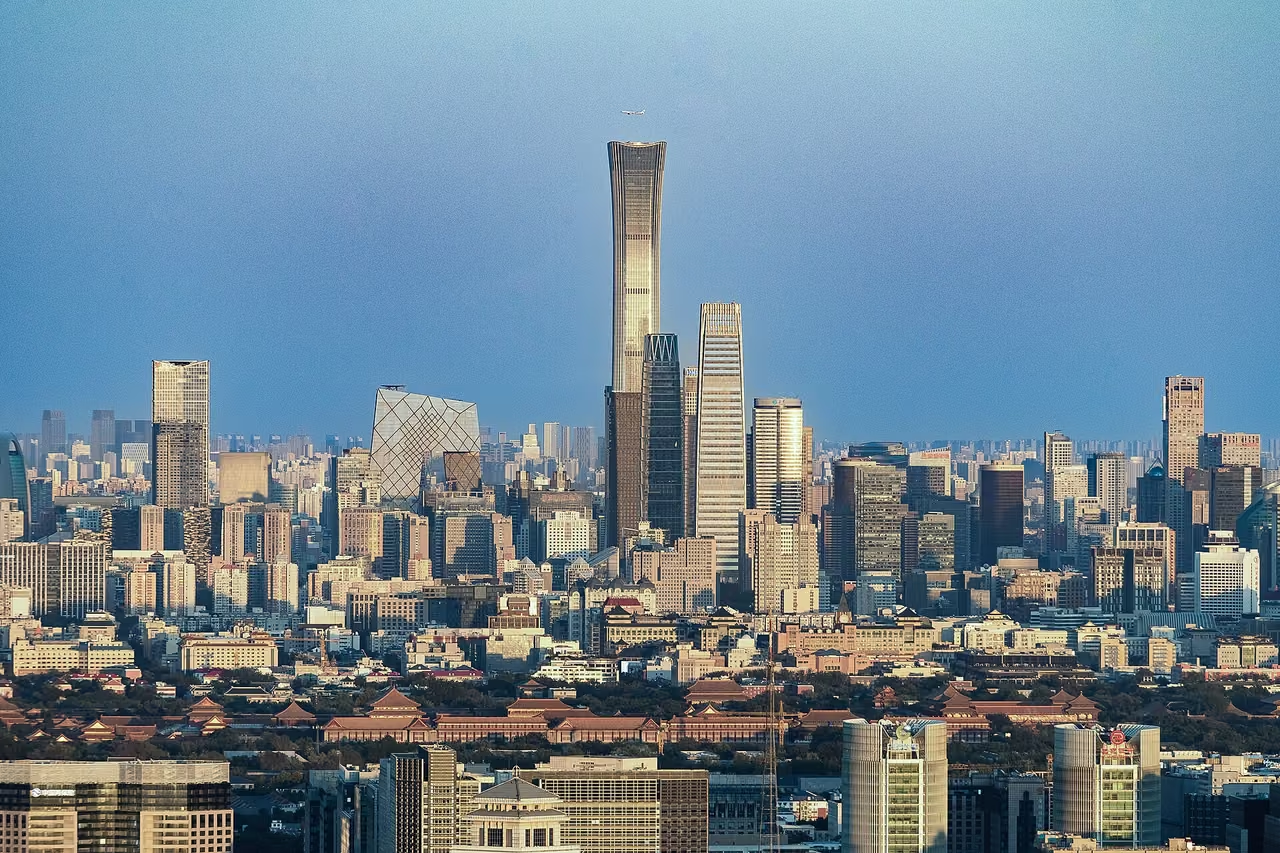
Beijing
The imperial capital of the Forbidden City, hutong life, contemporary art and Great Wall routes.
 Guide live
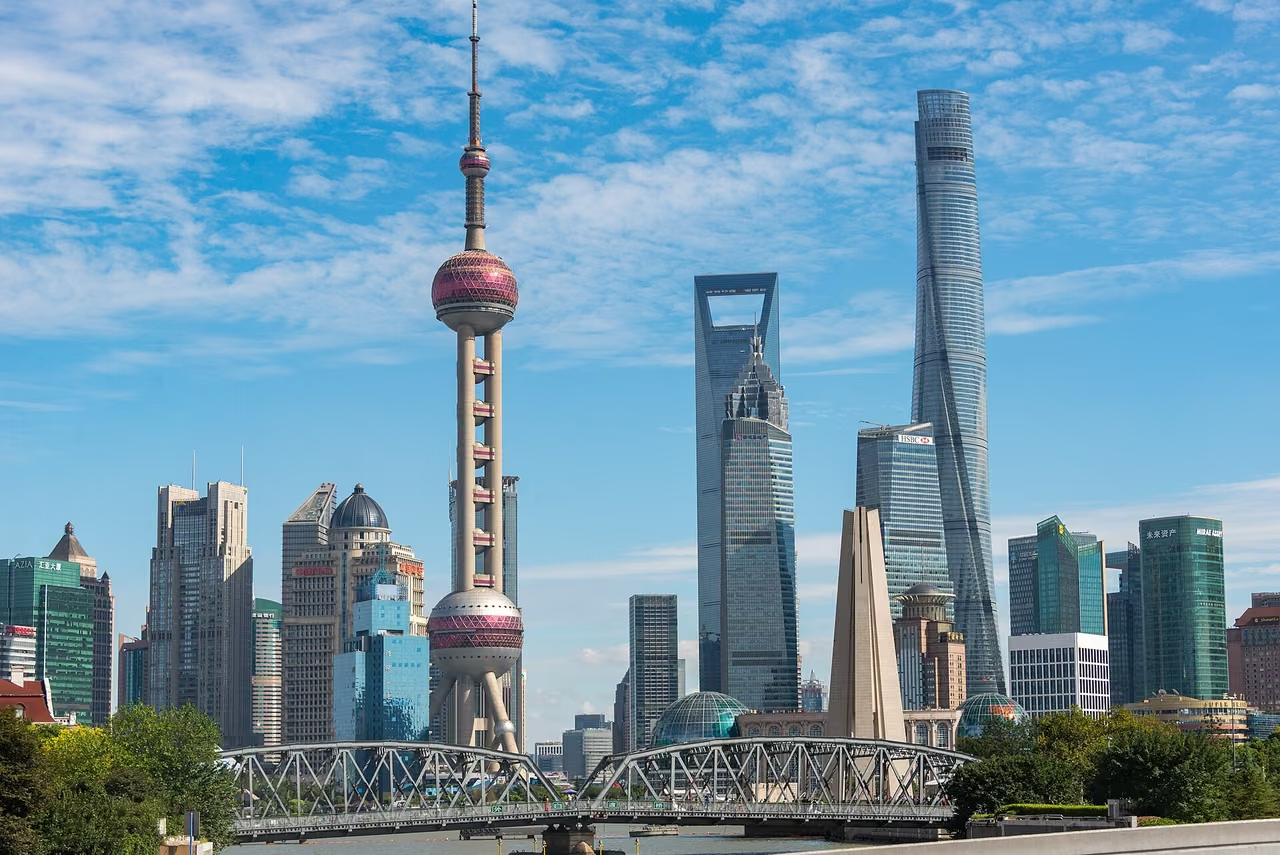
Shanghai
The façades of the Bund, lilong lanes, contemporary skyscrapers and China's cosmopolitan port rhythm.
 Guide live
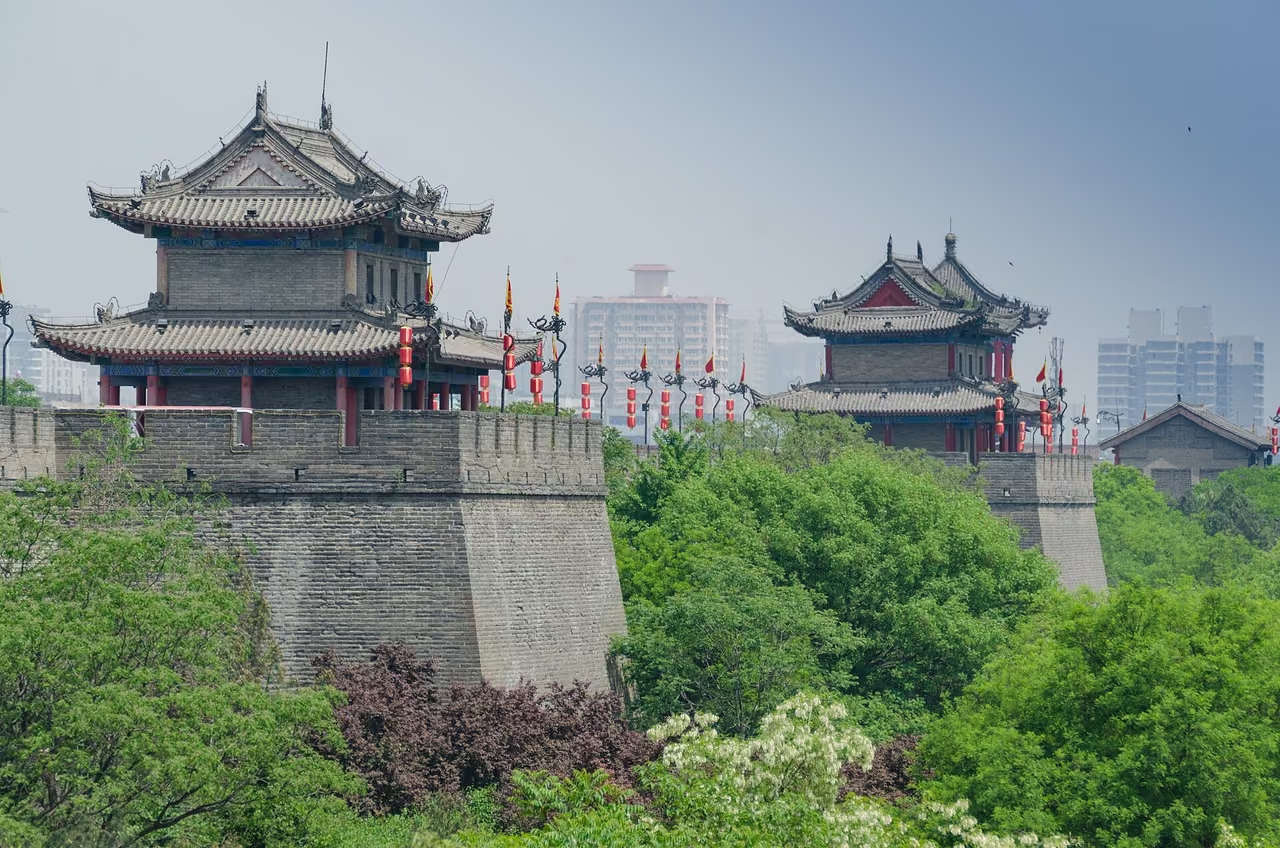
Xi'an
The Terracotta Army, complete city walls and the history-and-food line of the Muslim Quarter.
 Guide live
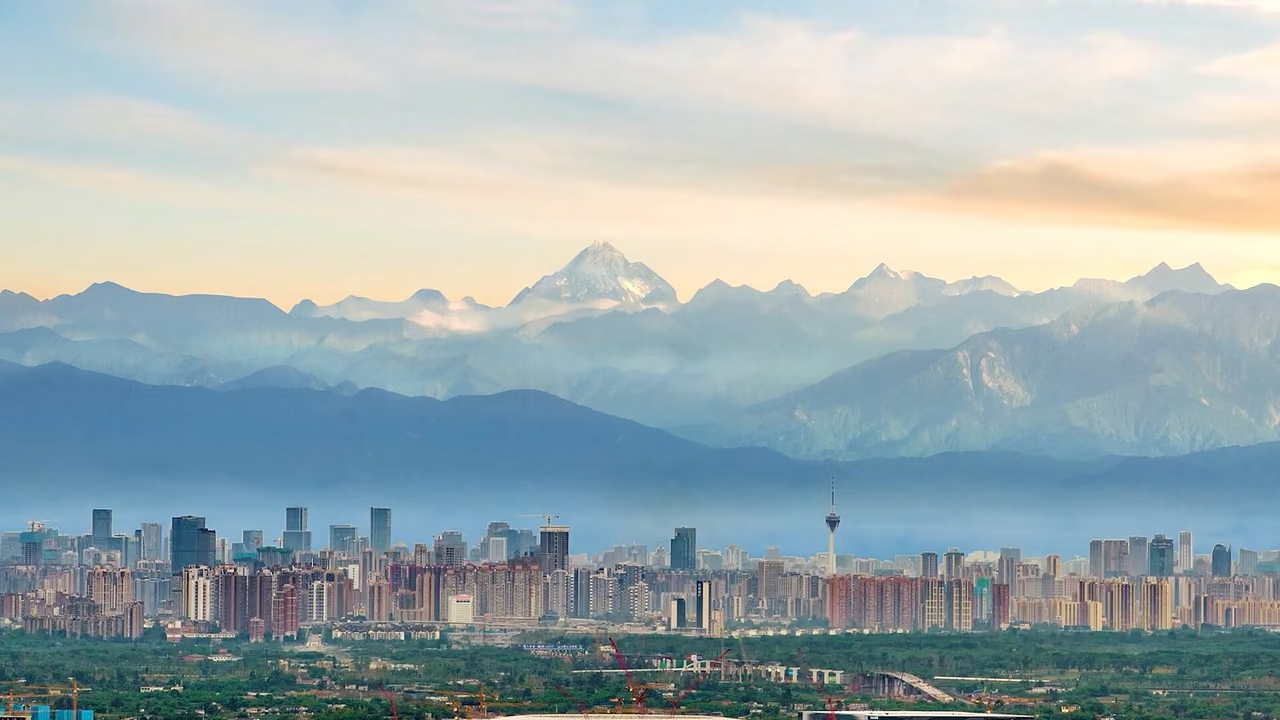
Chengdu
A big, slow-paced city of giant pandas, teahouses and layered Sichuan cuisine.
 Guide live
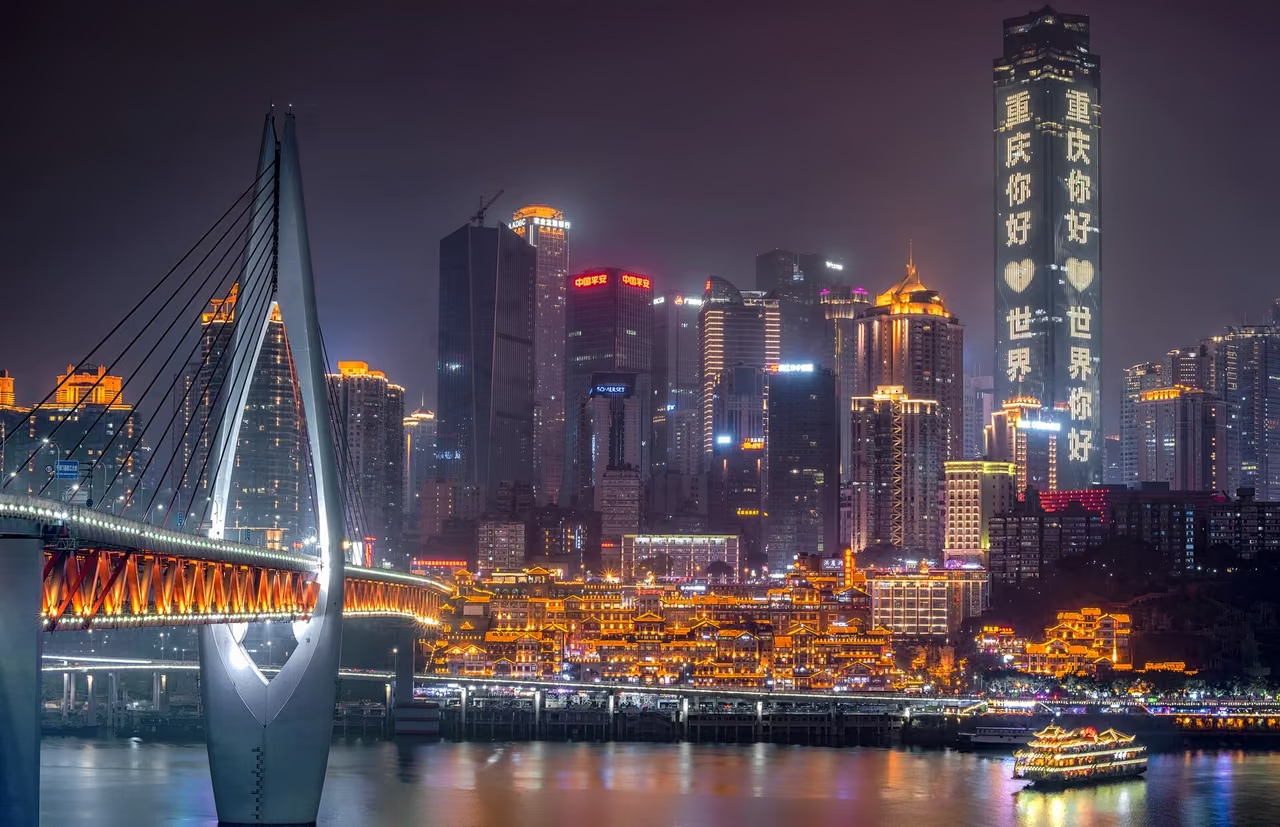
Chongqing
A multi-level metro city built on mountainsides, with hotpot and neon Yangtze nights.
 Guide live
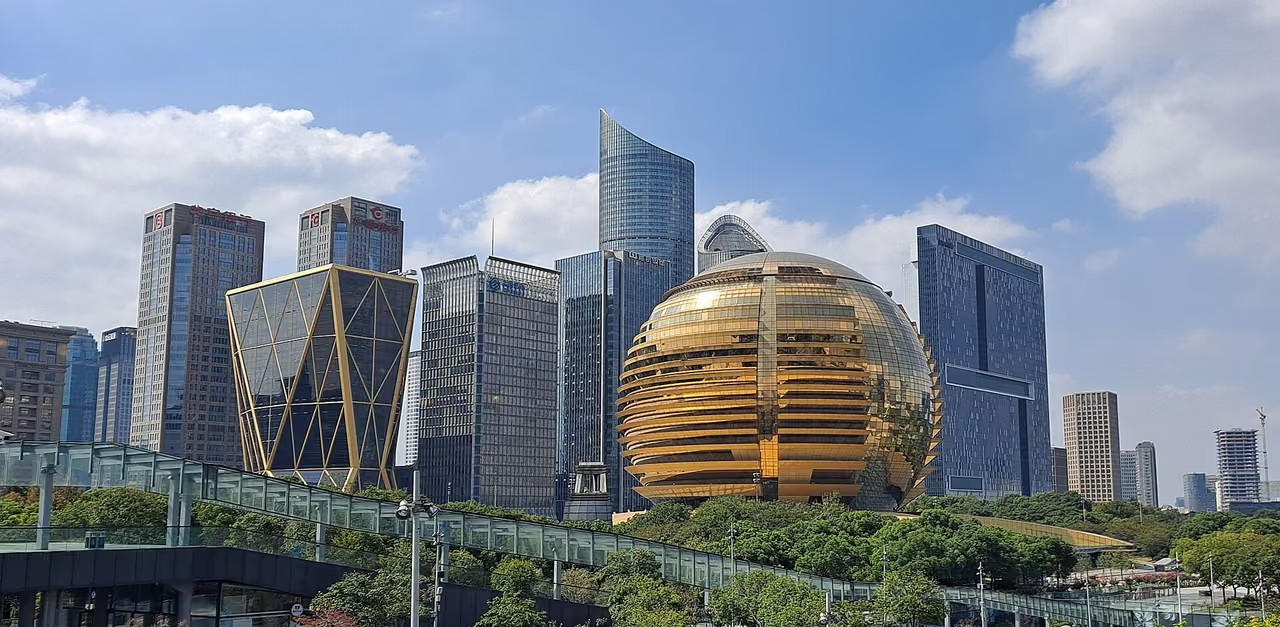
Hangzhou
Where a classical landscape meets a tech city around West Lake, Longjing tea and canals.
 Guide live
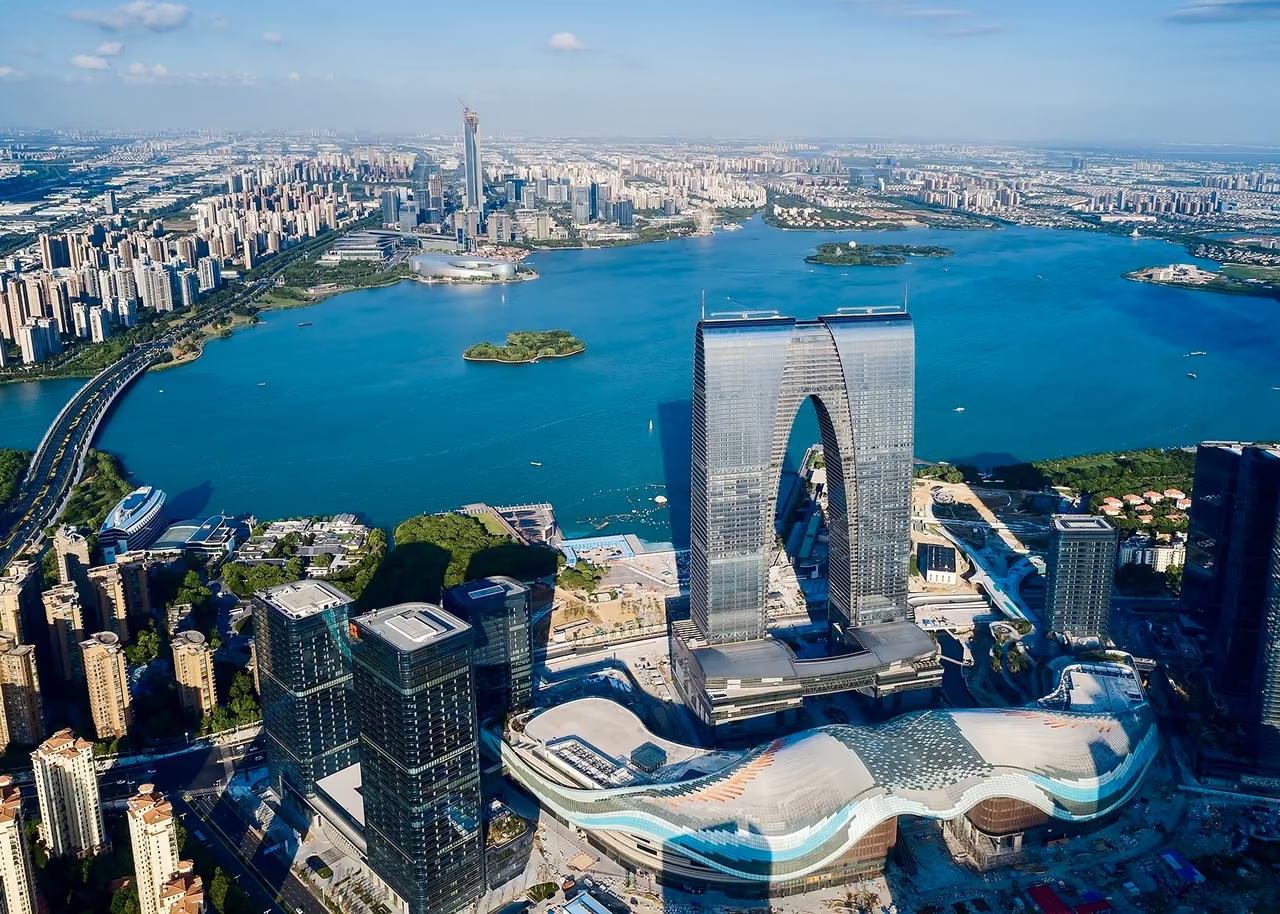
Suzhou
UNESCO gardens, water towns, silk heritage and the elegant Jiangnan rhythm along the canals.
 Guide live
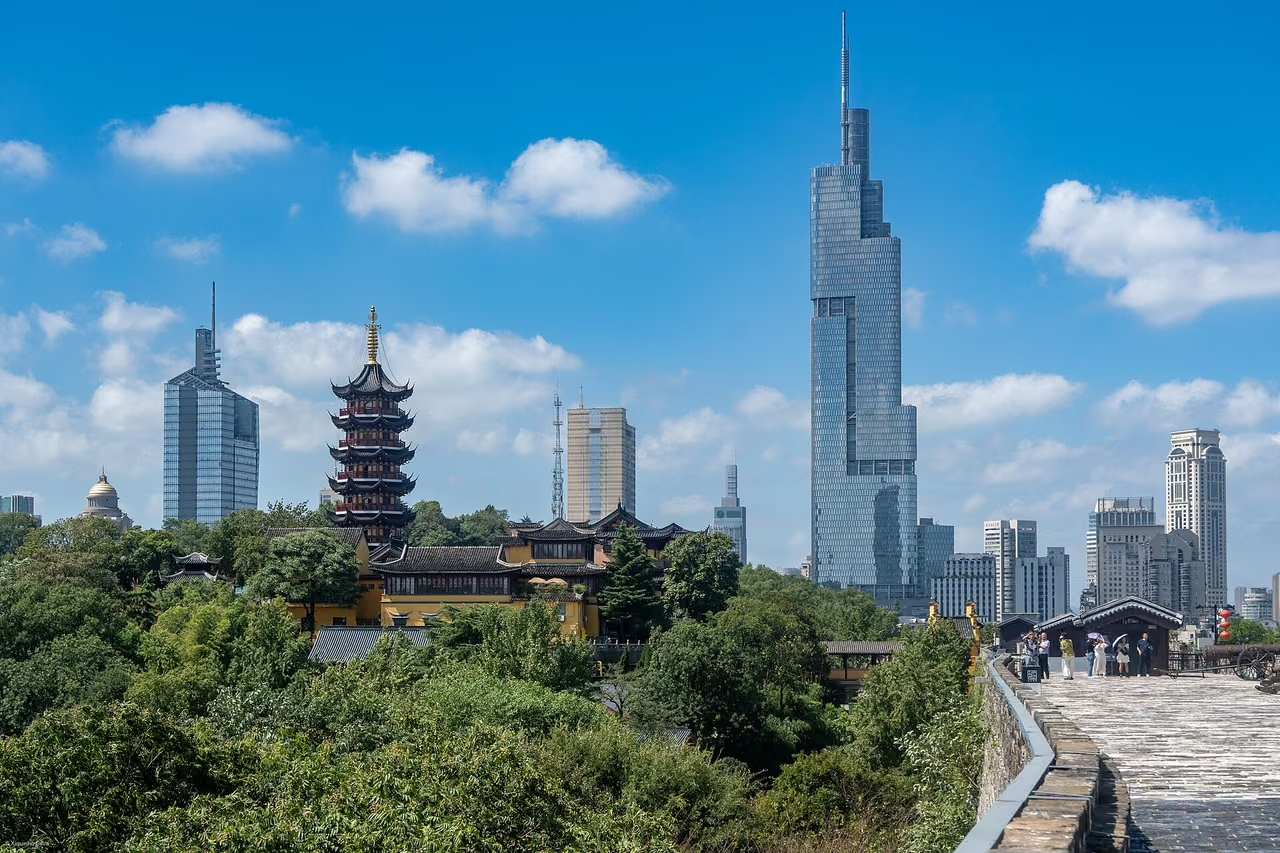
Nanjing
Ming walls, Republican-era history and a strong museum route around Purple Mountain.
 Guide live
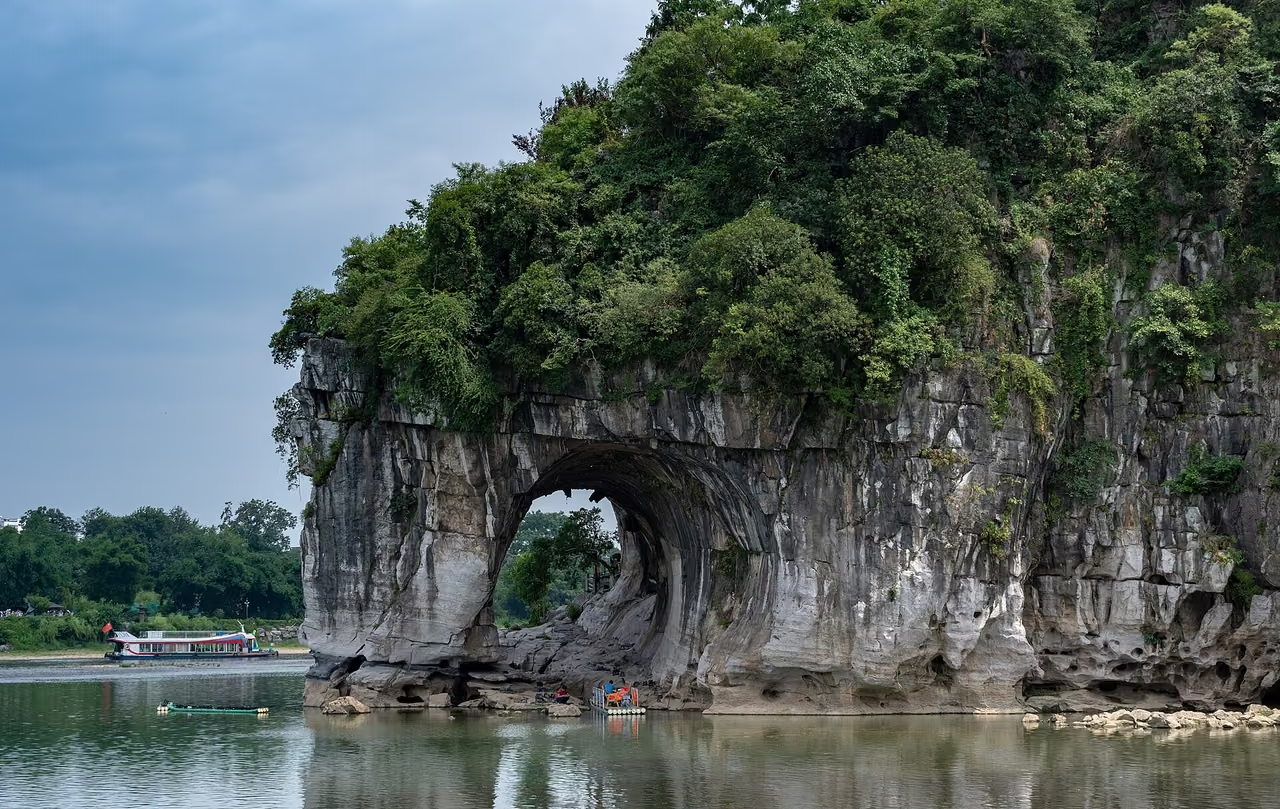
Guilin and Yangshuo
A scenic route among the karst towers of the Li River, rural cycling paths and river towns.
 Guide live
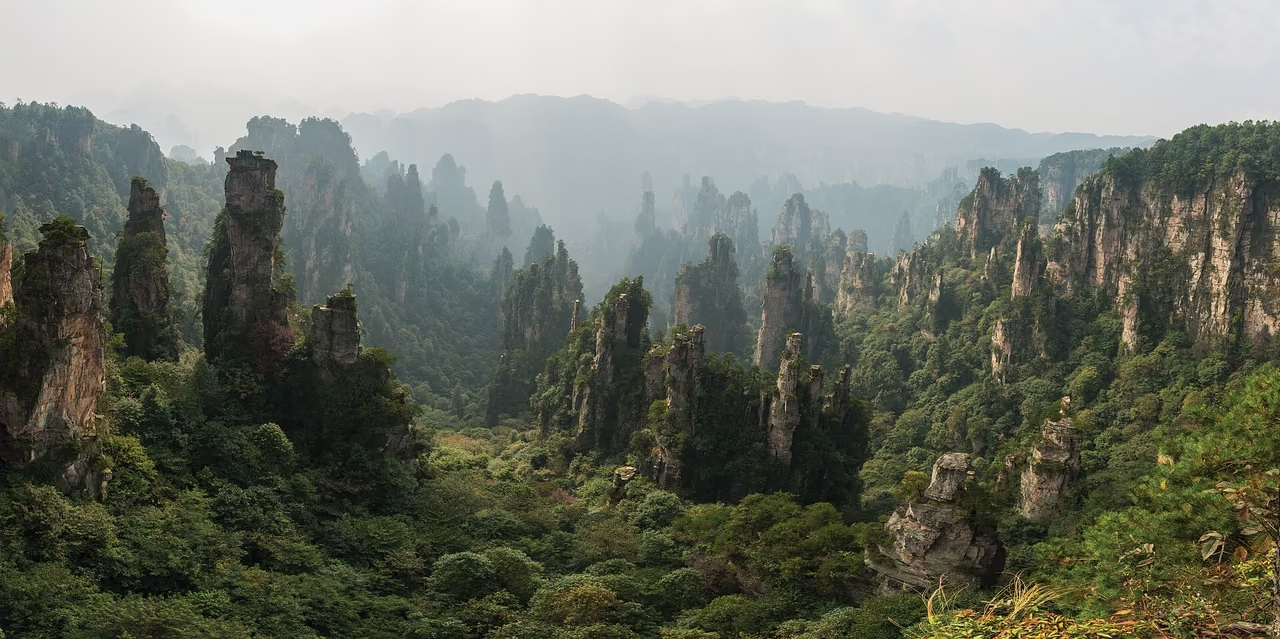
Zhangjiajie
The quartz pillars of Wulingyuan, glass bridges and mountain walks transformed by mist.
 Guide live
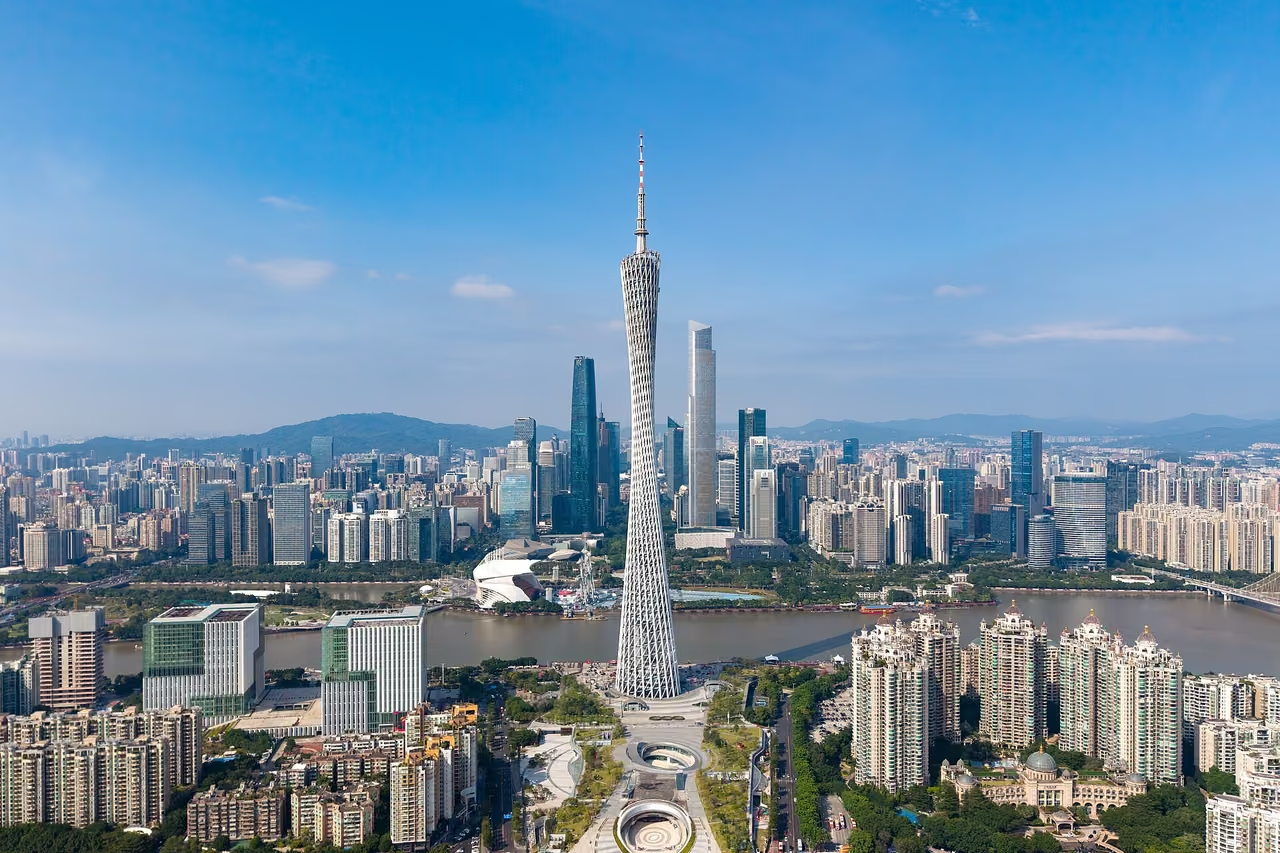
Guangzhou
Cantonese cuisine, old trading quarters and a contemporary southern metropolis along the Pearl River.
 Guide live
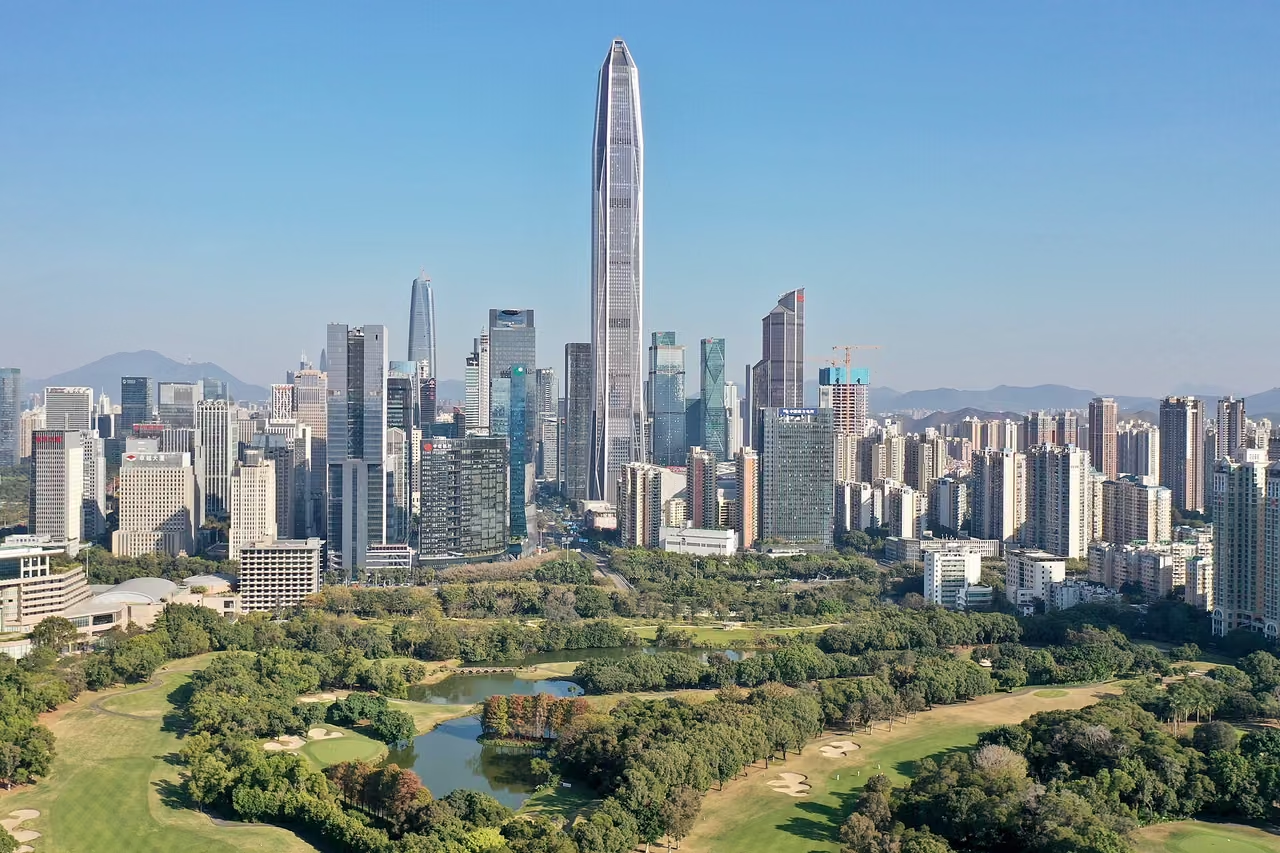
Shenzhen
A young megacity on the Hong Kong border with design museums, tech districts and theme parks.
 Guide live
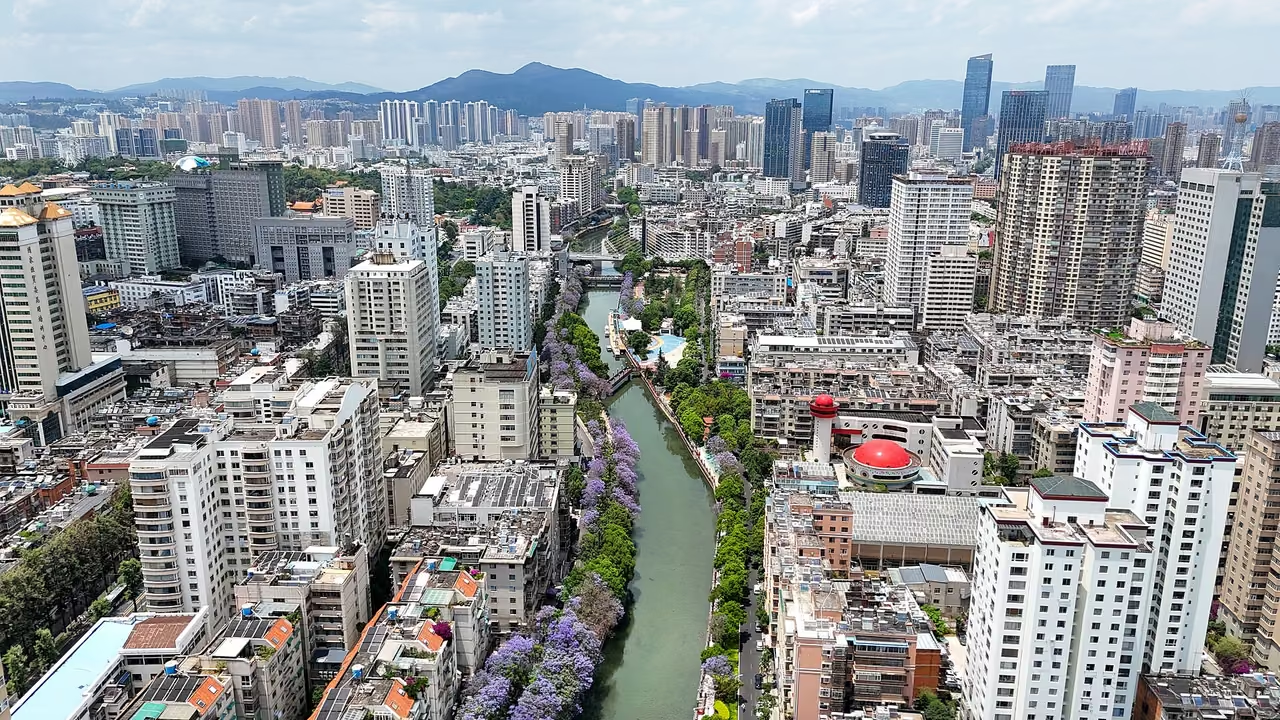
Kunming
A mild climate, Yunnan cuisine and an easy start to the Stone Forest and the Dali–Lijiang line.
 Guide live
Dali
A Yunnan base among the Cangshan mountains, the shores of Erhai and Bai villages that deserves a few days.
 Guide live
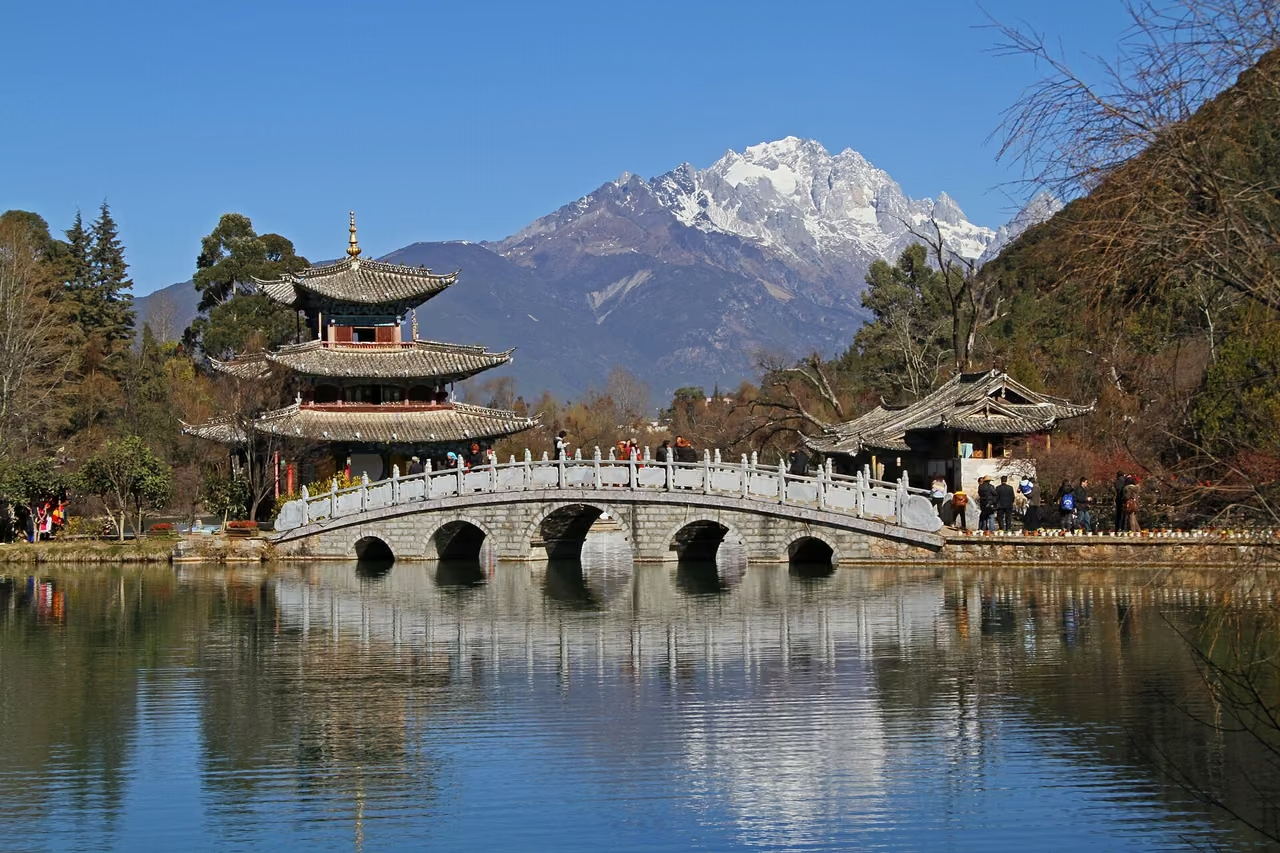
Lijiang
A high-altitude route of Naxi culture, a canal-lined old town and Jade Dragon Snow Mountain.
 Guide live
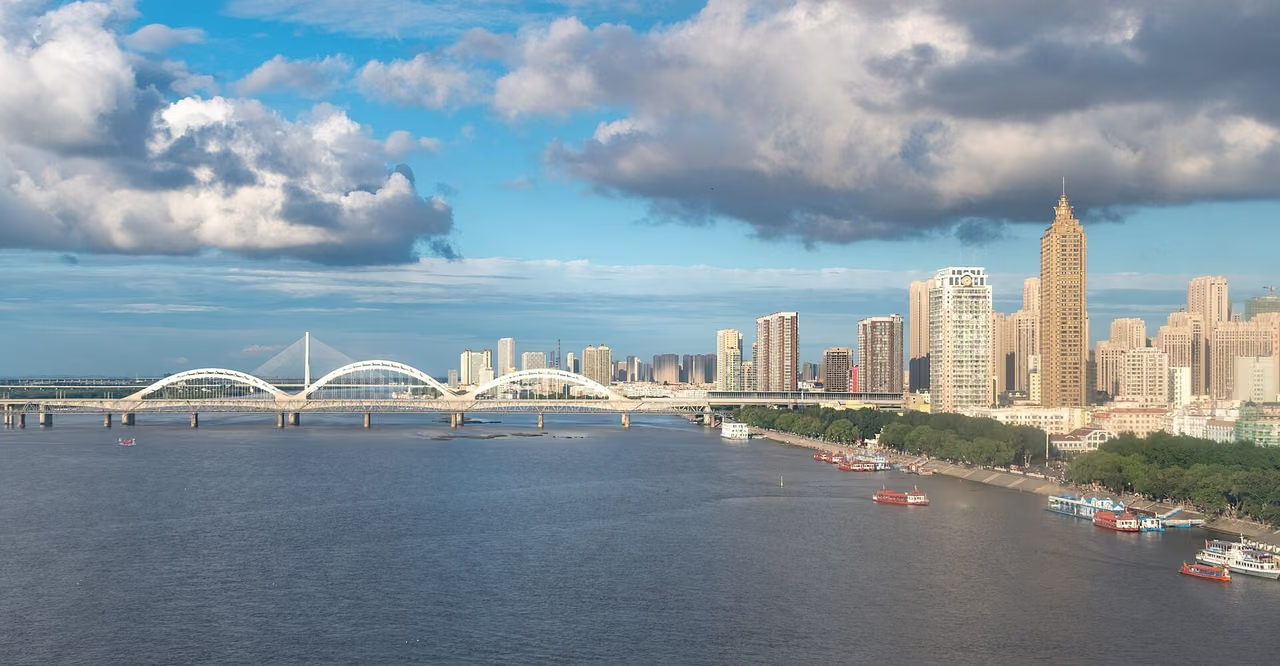
Harbin
A winter city of the Ice and Snow Festival and Russian-influenced façades, planned around extreme cold.
Image credits
- Severin.stalder · source · CC BY-SA 3.0
- N509FZ · source · CC BY 4.0
- xiquinhosilva · source · CC BY 2.0
- xiquinhosilva · source · CC BY 2.0
- FISU · source · CC BY 3.0
- Jay Huang · source · CC BY 2.0
- EditQ · source · CC BY-SA 4.0
- 铁头娃蛤蛤 · source · CC BY-SA 4.0
- xiquinhosilva · source · CC BY 2.0
- xiquinhosilva · source · CC BY 2.0
- chensiyuan · source · CC BY-SA 4.0
- Tim Wu · source · CC BY-SA 4.0
- Charlie fong · source · CC BY-SA 4.0
- 瑞丽江的河水 · source · CC BY-SA 4.0
- Andrew and Annemarie · source · CC BY-SA 2.0
- Miltos Gikas from Lutsa, Attiki, Greece · source · CC BY 2.0
- xiquinhosilva · source · CC BY 2.0