🇻🇳 Country guide
Vietnam Travel Guide
Lakeside mornings, lingering lunches and slower Mekong evenings: discover Vietnam through everyday life.
Gateway
Hanoi · HAN
Capital
Hanoi
Best time
Varies by region
Budget
Budget
Don't miss
Letting a coffee break change the pace of the journey
Build a Vietnam route with fewer moves and more city time
A Vietnam journey can open with a first bowl of noodles or a table found while sheltering from rain. Hanoi offers short lakeside walks; Hue lets lunch linger over small dishes. Da Nang brings coast and city into one day, while Hoi An invites a return to the old streets and river at different hours. In the south, an overnight stay in Can Tho can slow the pace after Ho Chi Minh City. These six stops offer different experiences, not six versions of the same photograph.
A first visit does not need to include every place with an appealing photograph. The neat north-to-south line on a map breaks into airports, hotels, trains and luggage in practice. A third morning in one city may be worth more than another flight day. Start with what you enjoy: neighbourhood time, historical visits, the coast or long meals. Choose the number of stops afterwards, allowing the journey to grow from your interests rather than a checklist.
Treat Hanoi and Ho Chi Minh City as major gateways, Hue–Da Nang–Hoi An as a central chapter with distinct overnight needs, and Can Tho as a separate delta continuation. For a shorter holiday, one or two regions may work better than all three. Sunshine in the north says little about the central coast that day; looking for one universally best month oversimplifies a long country with regional weather differences.
Before travelling: entry, payments and everyday connections
Passport and entry requirements
Entry requirements depend on passport, stay and border arrangements. Check Vietnam’s official portal for whether you need an e-visa and read the approved details alongside your ticket. Another traveller’s social-media experience is not a substitute for checking the rules applicable to your passport.
Dong, cards and smaller payments
The currency is the Vietnamese dong (VND). Large hotel or transport payments and small-stall purchases may use different payment arrangements. Carry suitable small notes and read amount and currency together in prices with many zeros. Check ATM fees and conversion options rather than treating every withdrawal as identical.
Phone connection and meeting points
Check device compatibility, coverage and activation before buying a SIM or eSIM. Keep boat, vehicle and hotel entrance locations available offline. A waterfront name does not mean every tour uses the same pier; a clear address and saved map screenshot make meeting arrangements easier.
Regional weather and Tet travel
Plan weather separately for the north, central coast and south. Flexible bookings and an indoor alternative help during heavy rain or storms. Around Tet, transport demand and business schedules may change; check services and openings for the dates you will actually travel.
9–11 days
A first trip centred on central Vietnam
Allow three days each for Hue, Da Nang and Hoi An with transfer time between. On a shorter holiday, choose either Da Nang or Hoi An as the main base. Keep palace, city, countryside and coast days distinct.
18–21 days
From the north to the delta without rushing
Treat the six cities as three regional chapters: three Hanoi days, eight or nine in the centre, three in Ho Chi Minh City and two in Can Tho, with the remainder for flights and road journeys. Shorten the route by removing a region, not every rest interval.
Six Vietnamese cities to explore
Choose lakes and neighbourhoods in Hanoi, history and food in Hue, city and sea in Da Nang, old port streets in Hoi An, southern urban life in Ho Chi Minh City and an overnight delta chapter in Can Tho. Combine the guides around how you like to travel.
Original guides are live for all 6 cities
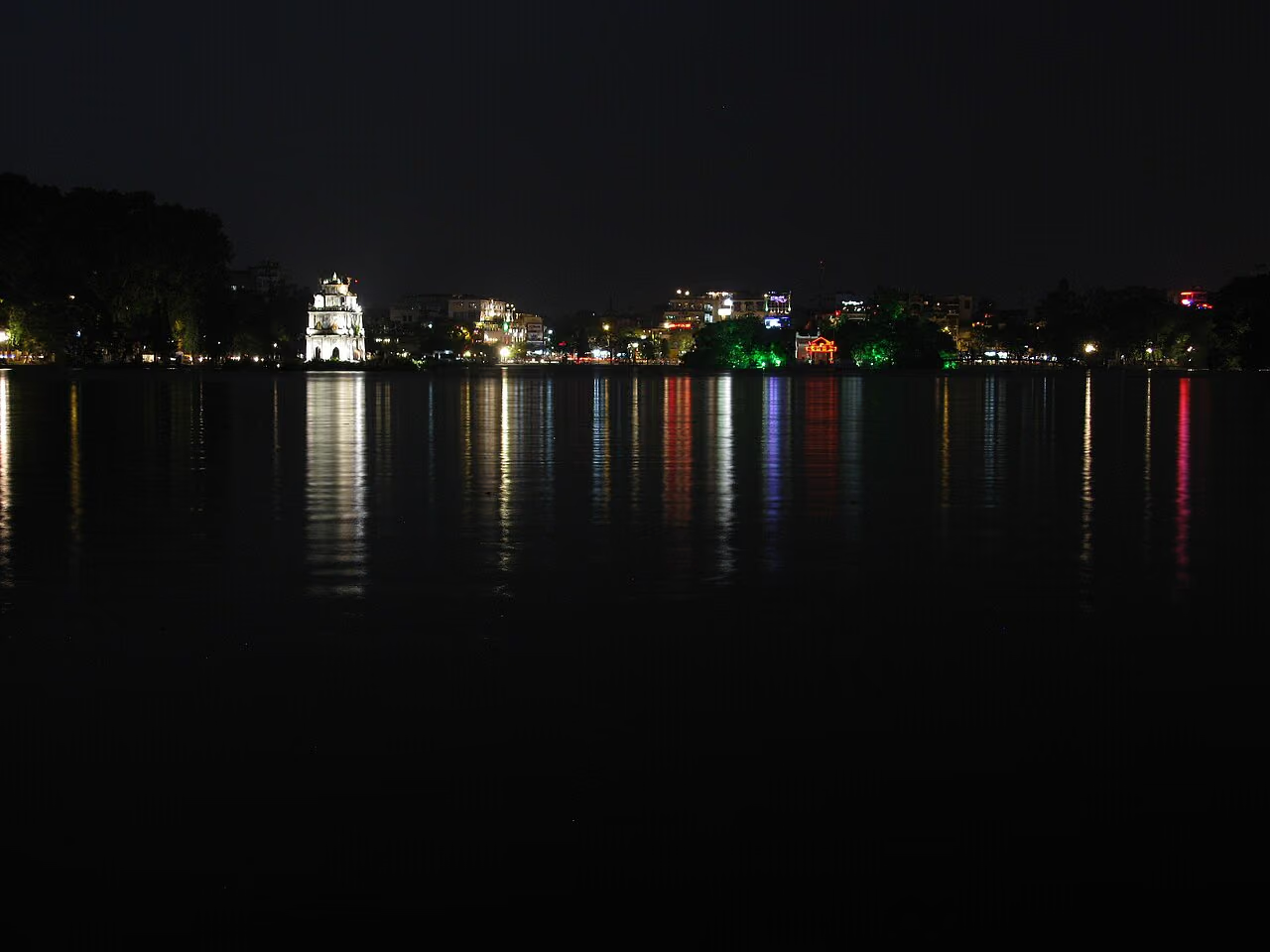 Guide live
Hanoi
Northern Vietnam’s capital through lakeside mornings, narrow streets, courtyards and leisurely coffee breaks.
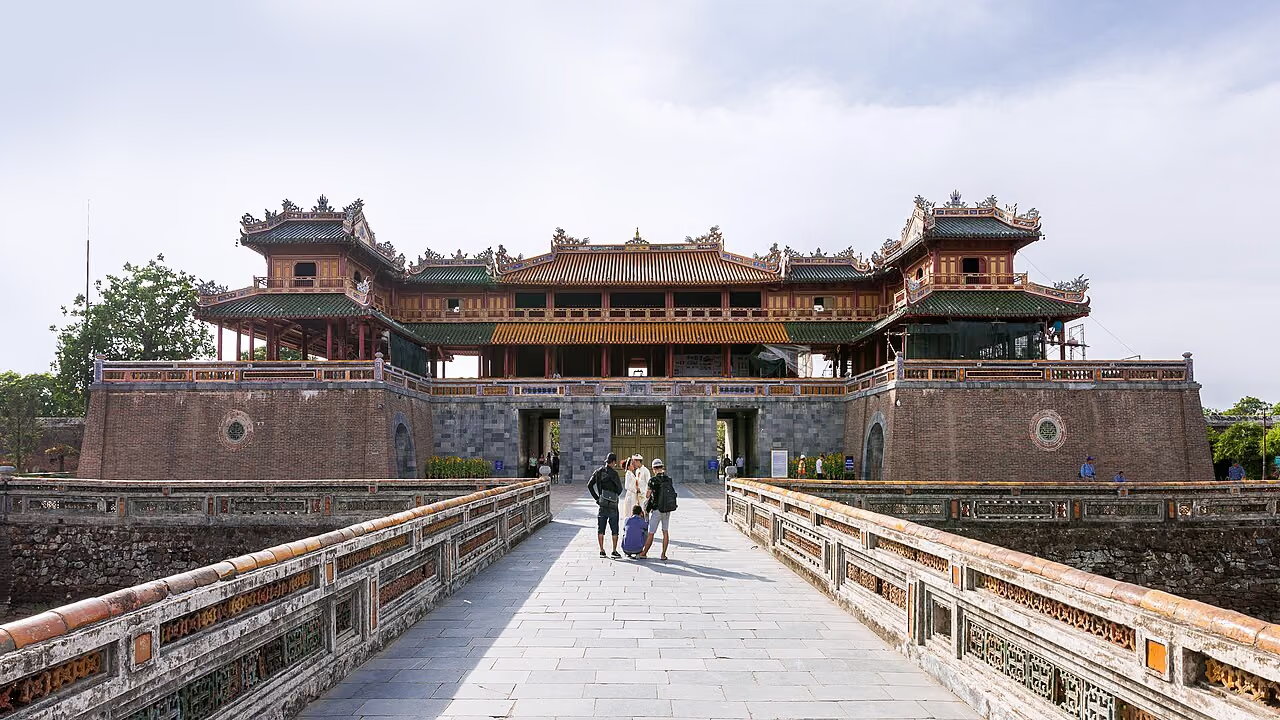 Guide live
Hue
Palace courtyards, the Perfume River and meals built from small dishes make a slower Vietnamese chapter.
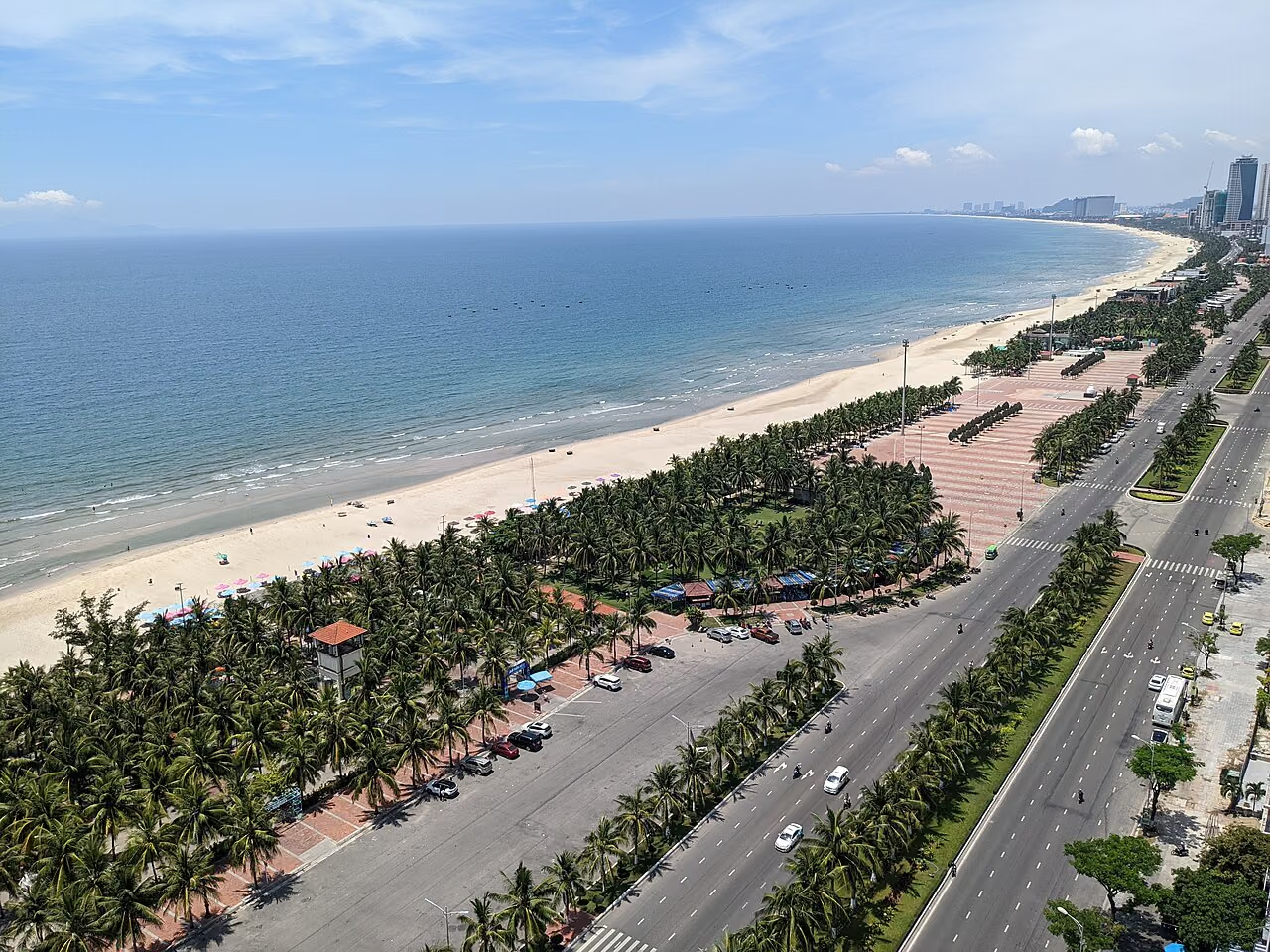 Guide live
Da Nang
Beach mornings, Cham art and riverside evenings connect city life with the central Vietnamese coast.
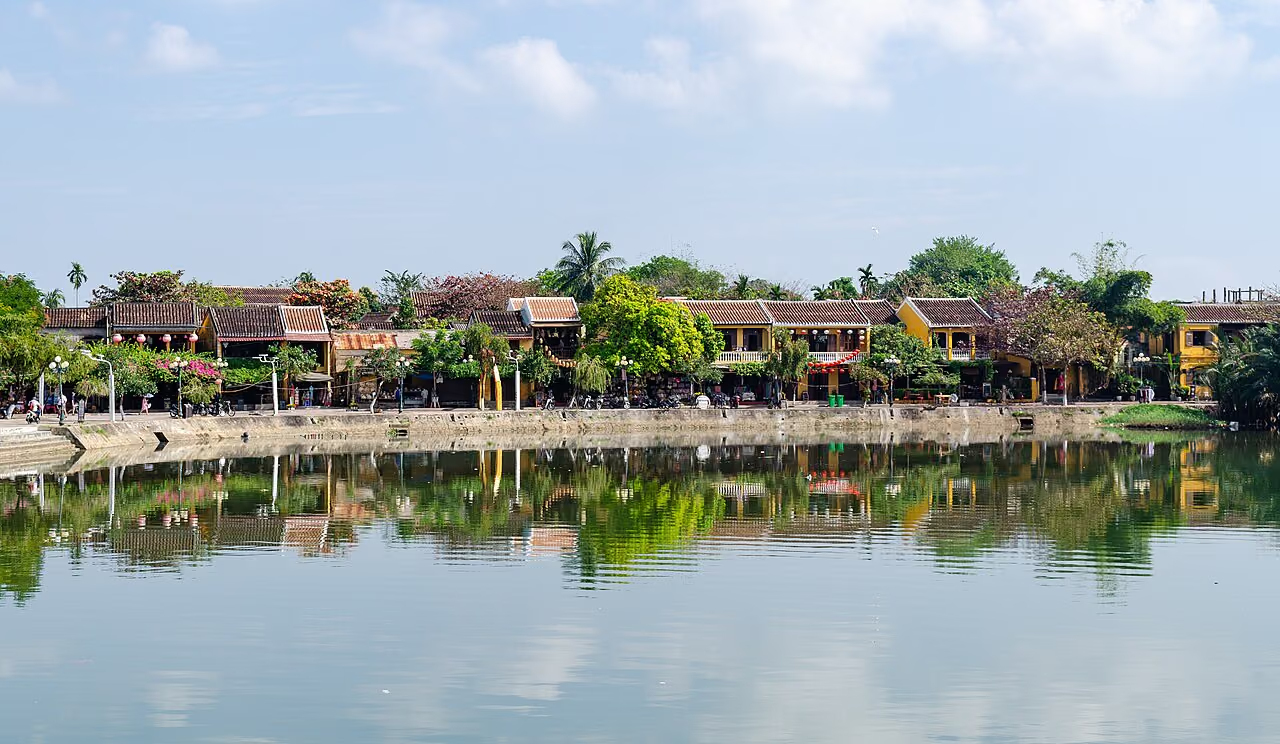 Guide live
Hoi An
Quiet morning streets, gardens, tailoring visits and coastal breaks before the lantern-lit evening.
 Guide live
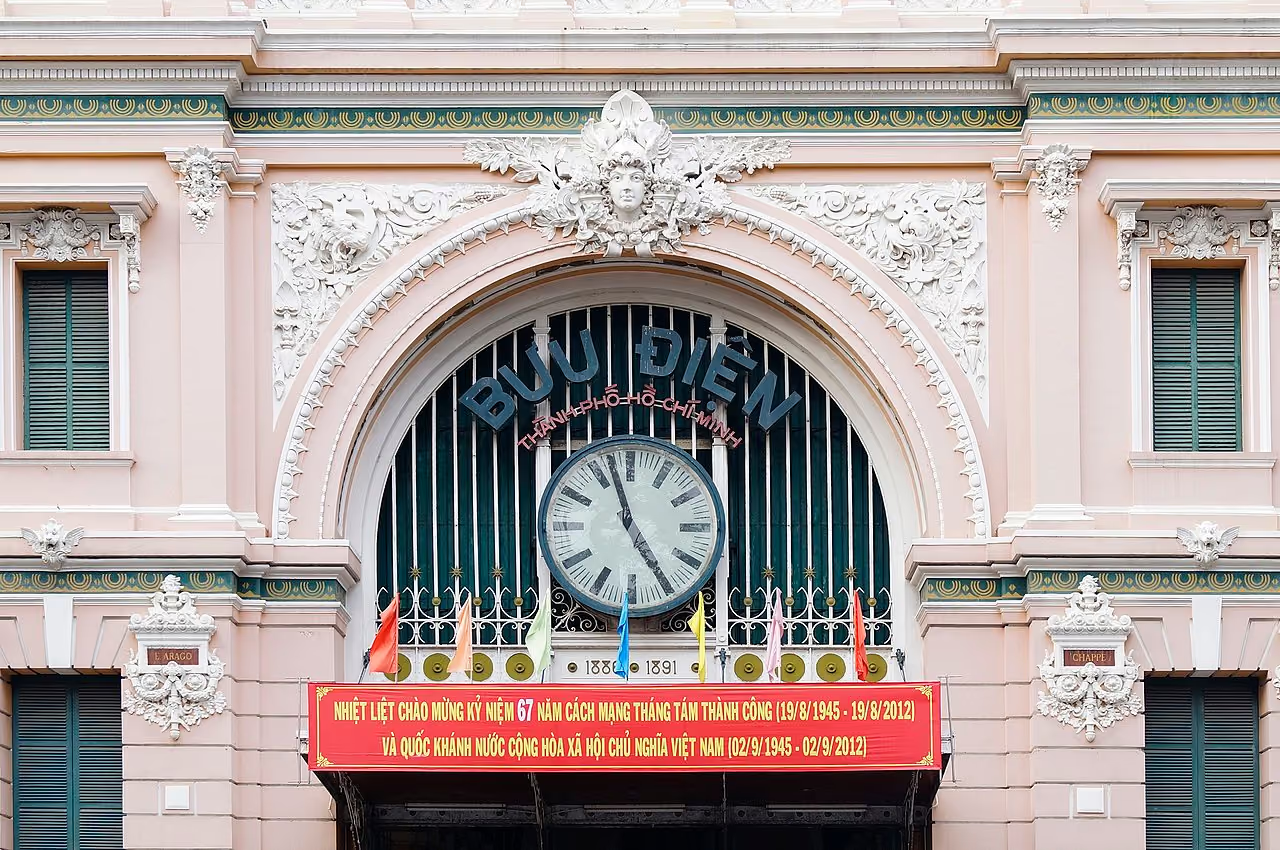
Ho Chi Minh City
From Saigon’s broad streets to small lanes: museums, Cholon and apartment cafes reveal southern city life.
 Guide live
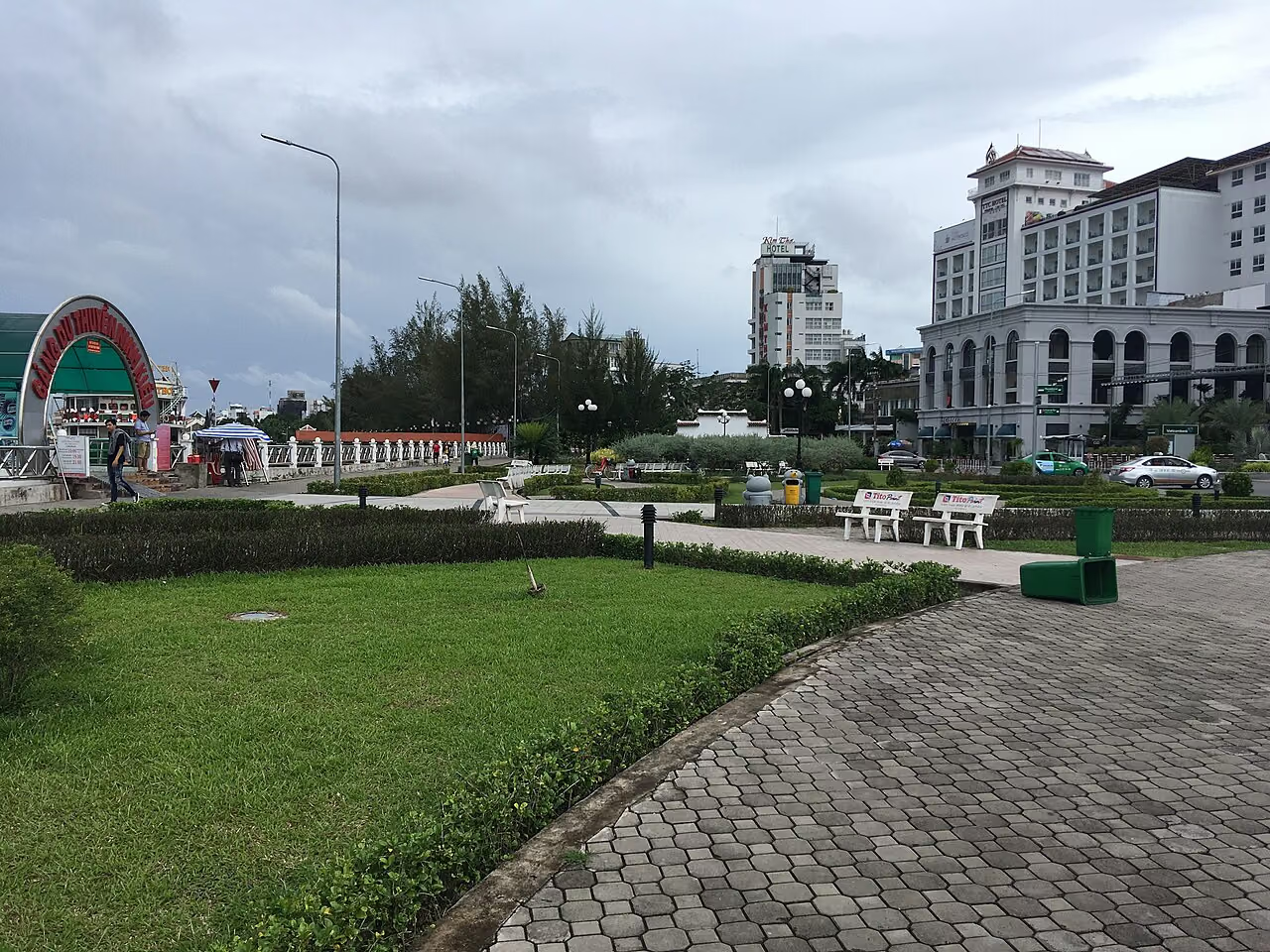
Can Tho
From early Cai Rang visits to Ninh Kieu evenings: two delta days that extend beyond the floating market.
Image credits
- Caitriana Nicholson from 北京 ~ Beijing, 中国 ~ China · source · CC BY-SA 2.0
- Supanut Arunoprayote · source · CC BY 4.0
- Jpatokal · source · CC BY-SA 4.0
- Steffen Schmitz (more photos) · source · CC BY-SA 4.0
- Prenn · source · CC BY-SA 3.0
- Christophe95 · source · CC BY-SA 4.0