Contents
How to plan a Kobe trip? A short corridor from sea to mountain
Central Kobe is walkable from north to south, but it's layered: Shin-Kobe/Nunobiki; Kitano; Sannomiya; the Former Foreign Settlement–Motomachi–Nankinmachi; and Meriken Park–Harborland. On the first day, build this axis downhill. Give the second day to the Nada sake district and the third to Arima Onsen or Rokko.
Kobe can be done as a day trip from Osaka, but just Harborland and a beef meal leave the city incomplete. One night combines the harbour lights with a morning walk at Nunobiki. If you want a ryokan/onsen experience in Arima, think of it as a separate night from your city hotel.
Kobe bears the marks of the 1995 Great Hanshin-Awaji Earthquake and its reconstruction. The Disaster Reduction and Human Renovation Institution, or the preserved section at Meriken Park, puts the city's skyline in historical context; don't reduce the memorials to a photo backdrop.
Getting to Kobe: Sannomiya, Shin-Kobe and the airport
Sannomiya is the real city centre, where JR, Hankyu, Hanshin, the metro and the Port Liner meet. Shin-Kobe is the Shinkansen station; it has a short metro connection to Sannomiya but isn't the same place. Even if your ticket says Kobe, check which station you're getting off at.
Between Osaka and Kobe, JR, Hankyu and Hanshin run from different Osaka terminals. Rather than the "fastest" label, choose the line with the fewest transfers to where you're staying. From Kyoto, the JR Special Rapid can be practical; if you take the bullet train, you'll have to get down to the centre separately from Shin-Kobe.
From Kobe Airport, the Port Liner offers a rail connection of about 18 minutes to Sannomiya. Confirm the international/domestic terminal, walking and last service on the official airport page. Although there are bus/sea connections to Kansai Airport, factor weather, luggage and terminal time into the overall comparison.
Kitano, Nunobiki and the harbour walk
A short but stepped path climbs to Nunobiki Falls behind Shin-Kobe; in city shoes it can be slippery after rain. The Nunobiki Ropeway reaches the Herb Gardens upper station in about ten minutes; the ropeway and garden have separate hours and weather closures. Plan the walk as ropeway up and path down, or the other way round.
Kitano Ijinkan is the residential area of the foreign communities that came with the opening of the port. Rather than entering all the paid houses, choose two buildings according to your architectural interests. The slopes are steep; the City Loop bus from Sannomiya can reduce the walking, but it may be slower on busy days.
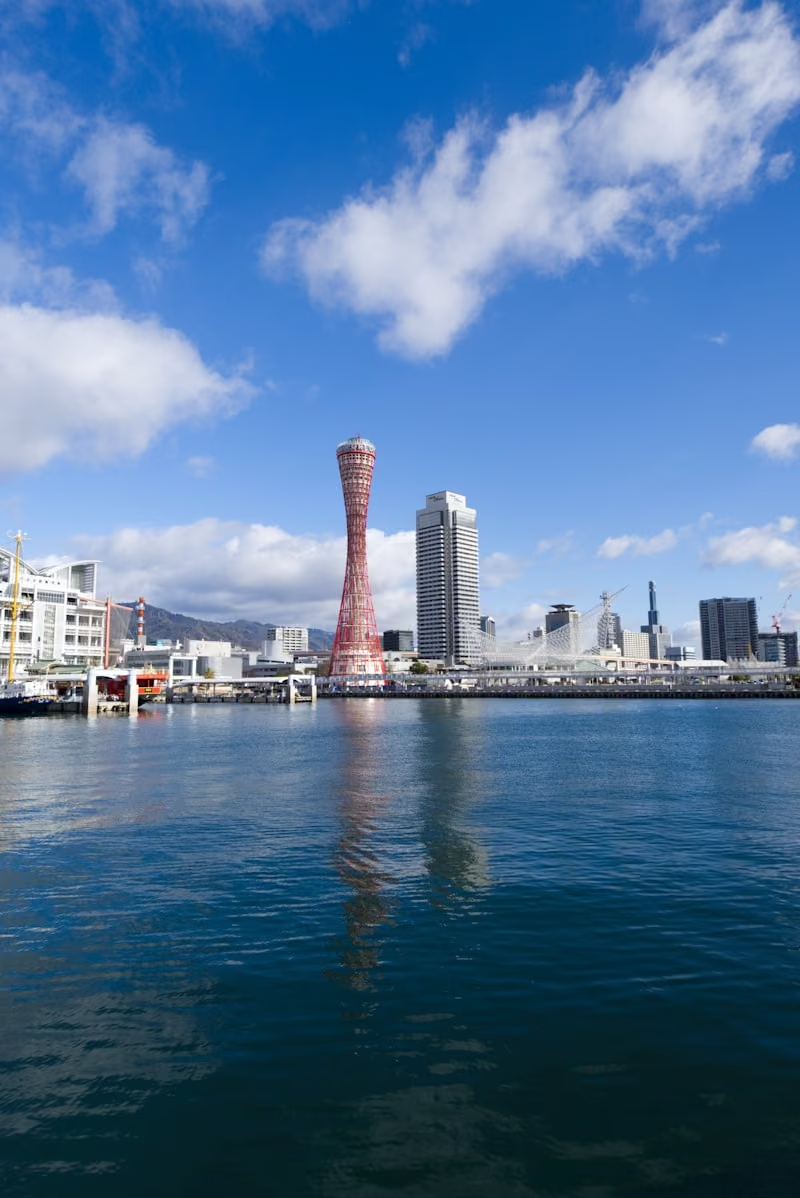
Walk from Motomachi to Nankinmachi, then via the Former Foreign Settlement to Meriken Park and Harborland. Check current tickets/hours for Kobe Port Tower and the museums. The Ferris wheel and harbour lights are lovely in the evening; while waiting for the last train, don't forget the distance back to Sannomiya.
How to verify Kobe beef? It isn't the same as wagyu
Kobe beef isn't any Japanese wagyu. It's a protected mark for meat from cattle of the Tajima line raised in Hyogo that meet production and quality criteria. Check on the official site whether the restaurant is on the registered member/premises list of the Kobe Beef Marketing & Distribution Promotion Association.
At an authorised business you may see a bronze statue/plaque and an individual meat certificate; a logo-like sticker alone isn't enough. It isn't rude to ask the chef or server for the certificate. "Kobe-style", just "A5 wagyu", or a cheap Kobe burger abroad don't provide the same verification.
You don't need a huge portion for a tasting. Sirloin can be fattier and richer, fillet more delicate; when comparing prices, read the weight, cut, cooking and side dishes together. A lunch set may be affordable, but confirm the current menu and service charge before booking.
The Nada sake district and Arima Onsen
Nada Gogo is made up of five sake-producing areas; museums/facilities such as Hakutsuru and Kiku-Masamune are scattered around the Hanshin line. Rather than collecting them all, choose two producers. A private brewery tour may need a reservation; don't wear strong perfume, and follow photography rules in production areas.
If you're tasting, don't use a car, bicycle or scooter. Share small servings, drink water, and when buying, check your flight's luggage/alcohol limits. A sake museum visit may be free, but not every tasting/workshop is included.
Arima Onsen is known for its iron-rich golden springs called Kinsen and clearer springs called Ginsen. Day-use bathhouses, foot baths and ryokan don't offer the same access. Ask the facility in advance about tattoos, towels, swimwear and private baths; don't put your towel in the onsen water.
Where to stay in Kobe?
Sannomiya is by far the most balanced first base for trains, food and evenings. Motomachi is calmer, within walking distance of Nankinmachi and the port; it needs a short transfer to the airport Port Liner. Harborland is good for views and families, but evening restaurant options may quieten down earlier than in the centre.
Shin-Kobe is practical for early Shinkansen trains and Nunobiki; everyday evening life is in Sannomiya. Arima Onsen isn't a city hotel but a hot-spring night. Check whether dinner/breakfast, private baths and tax are included in the ryokan price.
As Kobe is compact, don't base your room choice only on a sea view. On a two-day trip, the station exit, slopes, latest check-in and luggage storage save you more time than the window.
What to eat in Kobe? Port cuisine beyond the beef
Kobe beef may be the one big meal in your travel budget. For the rest, miso-dare gyoza, sobameshi, egg-batter dishes close to Akashiyaki, Nankinmachi snacks and long-established bakeries show the city's port character.
Miso-dare gyoza uses a sweet-savoury miso sauce instead of soy, vinegar and chilli oil. Sobameshi is yakisoba noodles and rice chopped together on a griddle; it's associated with the Nagata area. In Chinatown, rather than one huge portion, eat hot items outside the shop without blocking the walkway.
Don't turn a Nada sake tasting plus a Kobe beef dinner into an excessive drinking plan. Tipping isn't expected in Japan; at a teppanyaki restaurant, the reservation time and clothes that will hold the smell matter. Communicate allergies/restrictions in writing when booking.
Where to eat: selected places
These aren't places to tick off one by one — they're the stops that best capture how the city eats. Opening hours and prices change, so check before you go.
Mouriya Honten
UpscaleSannomiya · Teppanyaki Kobe beef
For watching the difference in cut and cooking at the chef's counter of a registered business.
Reconfirm the official association registration and the current menu before booking.
Wakkoqu Shin-Kobe
UpscaleShin-Kobe · Kobe beef teppanyaki
For an explained, focused beef experience that ties in with a Shinkansen or Nunobiki day.
Cuts, weights and lunch/dinner menus aren't the same; make a reservation.
Steakland Kobe-kan
Mid-rangeSannomiya · More affordable teppanyaki sets
For anyone looking for a counter experience while keeping the budget under control.
Confirm on the menu that your order really is certified Kobe beef.
Gyoza Daigaku
BudgetNankinmachi · Miso-dare gyoza
For trying Kobe's distinctive sauce habit on a simple, quick plate.
The small shop may have a queue and need cash; check its closing day.
Hakutsuru Sake Brewery Museum
BudgetNada · The history of sake production, and tasting
For understanding Nada's advantages of water, rice and climate through the visual process.
Don't drive or cycle after tasting; book a private tour in advance.
Nankinmachi stalls
BudgetMotomachi · Steamed buns, and Chinese, Korean and Japanese snacks
For tasting Kobe's multicultural food memory, which developed with the open port.
Don't eat while walking; finish at the spot the shop indicates and hand back your rubbish.
Dietary preferences
Vegan and halal restaurants in Kobe
For Kobe we picked one plant-based place and one aimed at Muslim travellers. Halal labels don't all mean the same thing: certification, the restaurant's own declaration and "some halal options" are shown separately on each card.
Vegan Pick
Vegan optionsModernark Pharm Cafe
Sannomiya · Natural and macrobiotic
A long-running café with a vegetarian-based menu that has clearly marked vegan mains and desserts.
Why we picked it: It offers a relaxed courtyard atmosphere and strong vegan options on the route between the port and Kitano.
Verification note
The venue's plant-based coverage was checked in the directory; reconfirm the menu and opening days before booking.
Source: HappyCow's current vegan restaurant directory ↗Halal Pick
Certified halalHalal Kobe Beef Nagomi
Sannomiya · Kobe beef teppanyaki
A teppanyaki restaurant, by reservation, focused on a halal Kobe beef experience.
Why we picked it: For a special experience of Kobe's signature product, with sourcing and preparation in a clearly halal framework.
Verification note
Listed as a certified option in the halal programme; re-check the certificate's validity, the drinks list and the booking requirement.
Source: Kyoto Muslim Friendly Council ↗Menus, suppliers and certifications change. If you keep strict halal, confirm the current certificate, alcohol, sauce ingredients and shared-kitchen risk directly with the restaurant.
Day-by-day itinerary
- 01
Day 1 — From Nunobiki to the port
- Morning
- From Shin-Kobe, Nunobiki Falls or the Ropeway–Herb Gardens; check the weather.
- Afternoon
- Two chosen ijinkan in Kitano, Sannomiya and the Former Foreign Settlement.
- Evening
- Sunset at Meriken Park–Harborland and dinner in Motomachi/Sannomiya.
- 02
Day 2 — Nada and the memory of the earthquake
- Morning
- Two sake museums in Nada via the Hanshin line; small tastings and plenty of water.
- Afternoon
- The Disaster Reduction and Human Renovation Institution or the Hyogo Museum of Art.
- Evening
- Reserved Kobe beef, or miso-dare gyoza and bars in the centre.
- 03
Day 3 — Arima Onsen and Rokko
- Morning
- Arima by public transport; current bathhouse access and a walk around the town.
- Afternoon
- If it's clear, the Rokko connection/view; if not, a long onsen and a café.
- Evening
- Back to Sannomiya, or a ryokan night with meals included.
Before you go
Tell apart things with similar names in Kobe
Don't confuse Sannomiya with Shin-Kobe
The Shinkansen arrives at Shin-Kobe and most city lines at Sannomiya; there's a metro connection between them.
Check the Kobe beef registration
Not every wagyu is Kobe. Look for the restaurant on the official association's list of designated registered stores.
Go to sake tastings by train
The Nada facilities are close to the Hanshin line; don't drive or cycle after tasting.
Ask the facility about its onsen rules
Tattoo, towel, swimwear, children and private-bath arrangements aren't the same at every facility.
Build the slope from the top down
The Nunobiki–Kitano–Sannomiya–port order spares your knees and your time; wear comfortable soles.
Weigh up the City Loop against traffic
The tourist bus cuts out the slope, but at weekends it can be slower than walking; check the current arrival times.
Continue your Japan route
This city works well on its own; if you have time, the stops below add a different region and city to the same trip.
From Kobe to Osaka: big food by a short train ride
Choose the right line from Sannomiya and explore Namba, Umeda and Shinsekai on neighbourhood days.
Read the guide →From Kobe to Kyoto: from the port to the temples
Go by direct train and allow at least three full days, without squeezing Kyoto into a day trip.
Read the guide →From Kobe to Nara: Kansai's old capital
Via the Hanshin–Kintetsu connection, combine Todai-ji, the park and Naramachi in one walk.
Read the guide →From Kobe to Hiroshima: towards the Seto Inland Sea
Build a two-day route to the Peace Park and Miyajima by bullet train from Shin-Kobe.
Read the guide →From Kobe to Okinawa: from the port to the Ryukyu Islands
After the flight, separate Naha from the main island and put car and sea safety at the centre.
Read the guide →Frequently asked questions
How many days do you need for Kobe?+
The centre and port can be done in 1 day; to understand Kobe together with Nada and Arima Onsen, 2–3 days is ideal.
Can you visit Kobe as a day trip from Osaka?+
Yes. It's easy with JR, Hankyu or Hanshin. Choose the line according to your departure point in Osaka and your destination station in Kobe.
How can you tell real Kobe beef?+
Verify the restaurant on the registered business list of the Kobe Beef Marketing & Distribution Promotion Association; ask about the certificate/plaque. Not every A5 wagyu is Kobe.
Where to stay in Kobe?+
For a first visit, Sannomiya is the most balanced; Motomachi is within walking distance of the port; Shin-Kobe is practical for an early bullet train. Arima is a separate hot-spring night.
How do you get from Kobe Airport to the centre?+
The Port Liner connects the airport to Sannomiya in about 18 minutes. Check the terminal and last service on the official page.
Can you visit Arima Onsen as a day trip from Kobe?+
Yes. It can be planned as a half or full day around transport and bathing hours; a night is richer for a ryokan dinner and a quiet morning.
Note: Kobe beef business registration, restaurant menus, the ropeway, sake tours, onsen access and airport services can change. Verify official sources on the day you book. Last updated: .
Official sources and latest check
Visa, transport, entry and visiting rules change — re-check them with these official sources before you travel.