Contents
How to plan a trip to Yogyakarta
Yogyakarta brings together the kraton's living palace tradition and the universities' contemporary output on the same street. Using the city only as a hotel stop for the two big temples misses batik, shadow puppetry and kampung life.
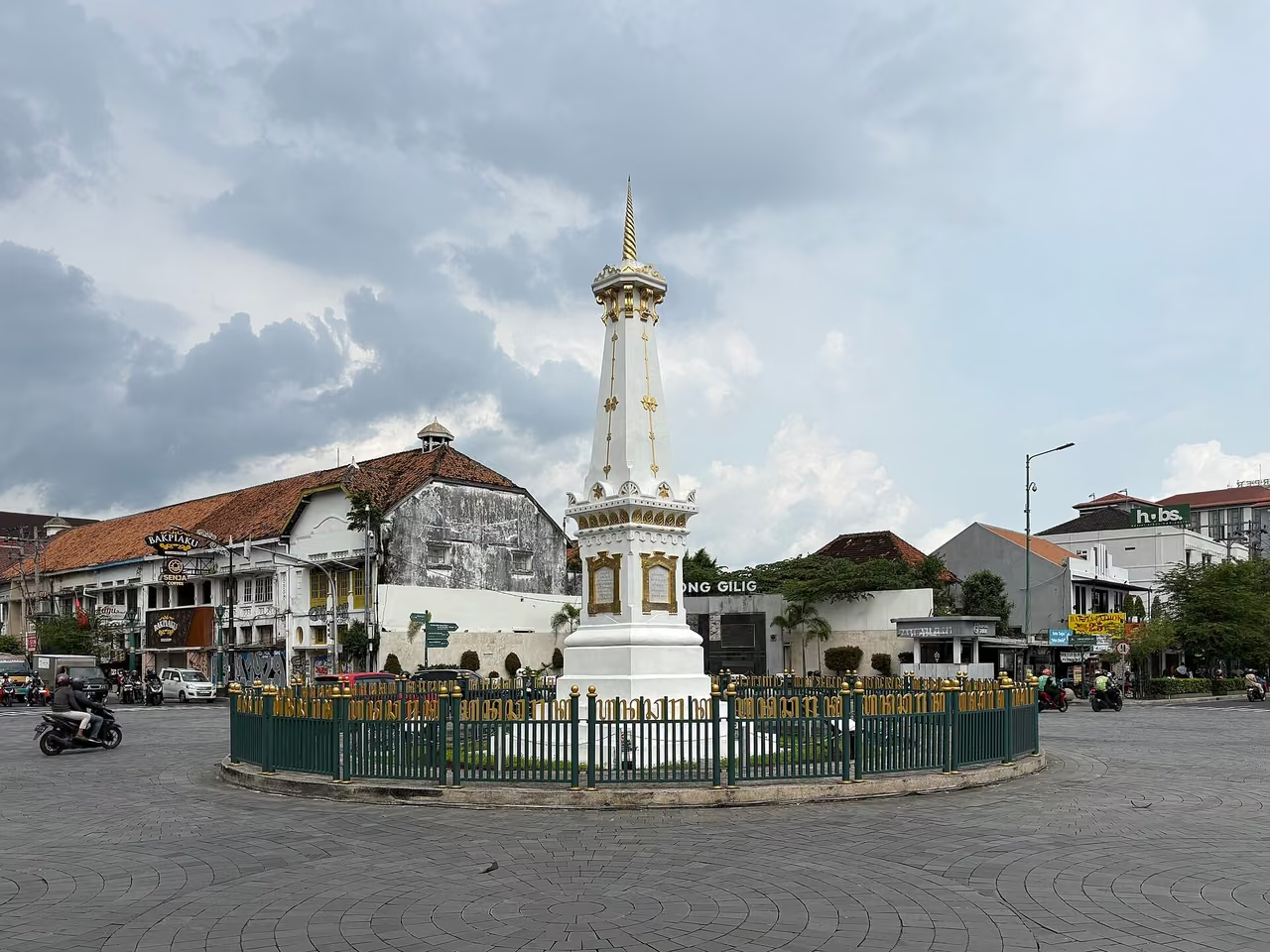
The main spine along Tugu–Malioboro–the Kraton is walkable; but you need separate transport clusters for Kotagede, the art spaces and the temples.
Things to do in Yogyakarta
Borobudur
Options and times for entering the monument grounds and climbing to the upper platform may differ. Read the official ticket type, and follow the rules on clothing covering shoulders and knees and the protective sandals handed out.
Prambanan and Ratu Boko
Explore the Prambanan reliefs before the heat sets in; for sunset add Ratu Boko or, if scheduled, the Ramayana performance, and fix your return transport in advance.
The Kraton, Taman Sari and Kotagede
The palace's open sections, the water palace and Kotagede, known for silverwork, offer three different layers of history. With guiding offers, ask for official ID and the total fee.
Area by area: where to go
Malioboro and Tugu are close to the station, food and night-time bustle for first-timers; rooms facing the main street may be noisy.
Prawirotaman is comfortable with cafés, small hotels and tour services; Kotagede offers traditional fabric but adds transfers to the centre and temples.
Where to stay in Yogyakarta
For a short trip, the line between Tugu station and the Kraton is logistically strong. Those wanting a calmer, more social atmosphere can stay in Prawirotaman, set back from the main road.
What to eat in Yogyakarta
Gudeg, krecek and chicken sets show Yogyakarta's sweet-savoury balance. Well-known chains such as Gudeg Yu Djum are an easy start; at more local warungs, ask what's in the portion.
Bakpia is a common souvenir; in the lesehan style, nasi kucing, sate klathak and wedang ronde can be added to an evening route. At street tables, see the price before ordering.
Getting to and around Yogyakarta
YIA airport is far from the city; the Airport Railink to Tugu/Yogyakarta station is often more predictable than the road. Don't assume a transfer to Borobudur or a rural hotel is the same ticket as your arrival in the city.
In the centre, Trans Jogja, becaks and ride-hailing work; for the temples, a private driver or tour is more practical. As Borobudur and Prambanan lie in opposite directions, if you put them on the same day, accept a pace stretching from sunrise into the night.
Cafés, nightlife and shopping
An evening walk along Malioboro is crowded but characterful; Prawirotaman offers calmer live music and food. For a Ramayana or wayang kulit performance, find out in advance about language support, duration and transport back.
Day trips from Yogyakarta
Depending on Merapi's safety status, you can visit Kaliurang or do a lava tour; volcano warnings should be checked with the official agency.
Jomblang Cave and the Gunungkidul beaches make a long, physical, weather-dependent day; confirm a licensed operator, equipment and return time.
Best time to visit Yogyakarta
The dry season is more balanced for temple and countryside days; in the rainy season there can be short but heavy downpours and slippery ground. A Borobudur sunrise is no guarantee of visibility.
How to budget for your trip
The city itself is low-cost; foreign-visitor temple tickets, private drivers and cave tours inflate the budget. Only buy a combined ticket if you'll really visit both monuments.
Safety and common mistakes
Around Malioboro, steering such as 'special batik exhibition, last day today' can turn into sales pressure. Visit workshops through a known institution or a shop you've chosen yourself.
When buying Borobudur and Prambanan tickets from third parties, read the difference between the upper platform and the grounds. Don't trust 'guaranteed sunrise' claims outside the official site.
Top stops
The stops that best capture the city. Timed entry, tickets and opening hours change, so check official channels before you go.
Borobudur
Main sightseeing line · The city's signature experience
Options and times for entering the monument grounds and climbing to the upper platform may differ. Read the official ticket type, and follow the rules on clothing covering shoulders and knees and the protective sandals handed out.
Prambanan and Ratu Boko
Second route cluster · Local character and culture
Explore the Prambanan reliefs before the heat sets in; for sunset add Ratu Boko or, if scheduled, the Ramayana performance, and fix your return transport in advance.
The Kraton, Taman Sari and Kotagede
The surrounding route · A change of scenery and pace
The palace's open sections, the water palace and Kotagede, known for silverwork, offer three different layers of history. With guiding offers, ask for official ID and the total fee.
Dietary preferences
Vegan and halal restaurants in Yogyakarta
For Yogyakarta we picked one plant-based place and one aimed at Muslim travellers. Halal labels don't all mean the same thing: certification, the restaurant's own declaration and "some halal options" are shown separately on each card.
Vegan Pick
Fully veganLoving Hut Yogyakarta
Mergangsan · Vegan Indonesian and Asian
A vegan restaurant serving noodles, nasi campur and plant-based home cooking.
Why we picked it: For a wide vegan menu close to local flavours on the Kraton–Prawirotaman route.
Verification note
The venue's plant-based coverage was checked in the directory; reconfirm the menu and opening days before booking.
Source: HappyCow's current vegan restaurant directory ↗Halal Pick
Re-check recommendedJejamuran
Sleman · Mushroom-focused Indonesian
A restaurant with a large garden serving mushroom-based satay, curries and traditional dishes.
Why we picked it: For planning a group meal without the weight of meat; confirm the halal certificate and sauce ingredients in advance.
Verification note
As no current independent certificate record was found, reconfirm meat sourcing, the shared kitchen and alcohol policy with the business.
Source: Indonesia's BPJPH, the official halal product and certification agency ↗Menus, suppliers and certifications change. If you keep strict halal, confirm the current certificate, alcohol, sauce ingredients and shared-kitchen risk directly with the restaurant.
Day-by-day itinerary
- 01
Day 1 — Borobudur and getting to know the city
- Morning
- Start early with Borobudur; sort out any entry or transport uncertainty at the beginning of the day.
- Afternoon
- Take in Malioboro and Tugu on foot and leave room for an unplanned coffee break.
- Evening
- Round off the evening with a relaxed meal of local dishes.
- 02
Day 2 — Prambanan and Ratu Boko and the neighbourhoods
- Morning
- Cover the main route around Prambanan and Ratu Boko before the crowds build.
- Afternoon
- Add the small streets, markets and local daily life around Prawirotaman to the plan.
- Evening
- An evening walk along Malioboro is crowded but characterful; Prawirotaman offers calmer live music and food. For a Ramayana or wayang kulit performance, find out in advance about language support, duration and transport back.
- 03
Day 3 — The Kraton, Taman Sari and Kotagede and a flexible finish
- Morning
- Confirm the weather, tickets or transfers for The Kraton, Taman Sari and Kotagede the night before.
- Afternoon
- Depending on Merapi's safety status, you can visit Kaliurang or do a lava tour; volcano warnings should be checked with the official agency.
- Evening
- Before heading back, prepare the next day's connection, luggage time and offline tickets; if the programme is tight, don't leave shopping to this slot.
Continue your Indonesia route
This city works well on its own; if you have time, the stops below add a different region and city to the same trip.
Ubud travel guide
Rice terraces, temples, dance evenings and the creative heart of inland Bali.
Read the guide →Canggu travel guide
Surf beaches, café culture, Tanah Lot days and Bali's fast-changing west coast.
Read the guide →Uluwatu travel guide
A cliff-top temple, powerful surf breaks and the dramatic sunsets of the Bukit Peninsula.
Read the guide →Frequently asked questions
How many days do you need in Yogyakarta?+
A stay of 3–4 full days makes for a balanced first visit. Rather than ticking off the main sights, leave room for neighbourhoods, food and possible weather or transport delays and the city opens up in a more meaningful way.
Where should you stay in Yogyakarta?+
For a short trip, the line between Tugu station and the Kraton is logistically strong. Those wanting a calmer, more social atmosphere can stay in Prawirotaman, set back from the main road.
When is the best time to visit Yogyakarta?+
The most balanced period is generally May–September. The dry season is more balanced for temple and countryside days; in the rainy season there can be short but heavy downpours and slippery ground. A Borobudur sunrise is no guarantee of visibility.
Should you rent a car in Yogyakarta?+
Getting around: In the centre, Trans Jogja, becaks and ride-hailing work; for the temples, a private driver or tour is more practical. As Borobudur and Prambanan lie in opposite directions, if you put them on the same day, accept a pace stretching from sunrise into the night.. Before deciding on a car, weigh up parking, licence, insurance and getting back at night together.
What can you combine with Yogyakarta on the same trip?+
Ubud, Canggu, Uluwatu are the natural next stops in this guide. Look not only at the distance on the map but at the real door-to-door travel time.
Note: Museum and business hours, event calendars, transport fares and entry fees change periodically. Re-check places that require reservations only through official channels, close to your visit date. Last updated: .
Official sources and latest check
Visa, transport, entry and visiting rules change — re-check them with these official sources before you travel.