Contents
How to plan a trip to Tana Toraja
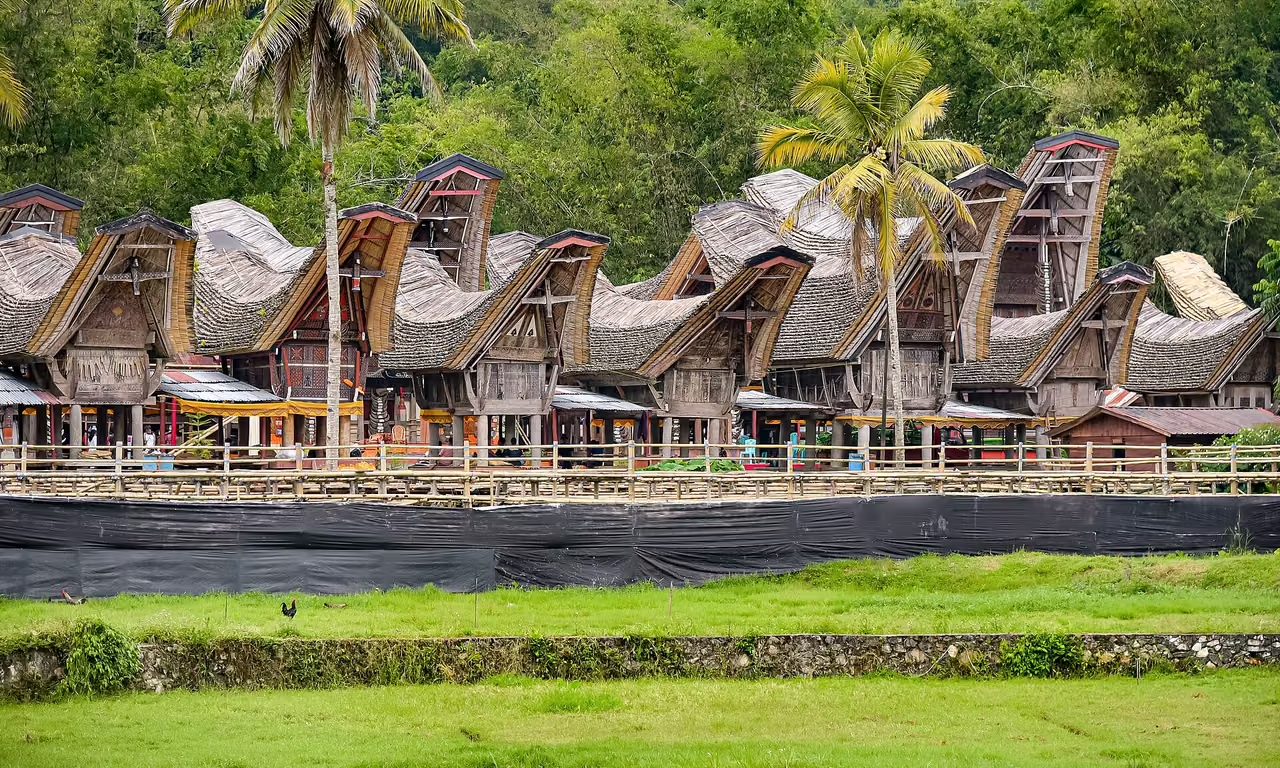
Tana Toraja isn't an open-air museum of dramatic tongkonan roofs and rock tombs; it's a mountainous cultural region where relationships with ancestors, farming and community continue in living form.
Ceremony dates aren't a fixed tourist show. Attending a funeral ceremony is only meaningful with the family's/community's permission, a local guide and appropriate gifts and etiquette.
Things to do in Tana Toraja
Ke'te Kesu and Londa
See the row of tongkonan and the cave/rock tombs on the same southern route. Don't touch bones and coffins; ask permission for flash and close-up photos of people.
Bori Kalimbuang and the northern villages
The megalith site and the Pallawa and Sa'dan weaving villages form a cultural route in the north. When buying, ask about the handwork, materials and the producer's direct share.
Batutumonga and Lolai
Choose a clear morning for rice terraces and mountain views; fog can change the plan. Don't take shortcuts on paths and village roads without a guide.
Area by area: where to go
Rantepao is the main base for hotels, guides, the market and buses; evening options are limited but practical.
Batutumonga and rural stays offer views and silence; meals and transfers should be arranged in advance.
Where to stay in Tana Toraja
For a first visit, choose a hotel in central Rantepao where your guide can easily pick you up. If you're adding a rural night, confirm hot water, food and phone coverage.
What to eat in Tana Toraja
Pa'piong is a technique of cooking meat/vegetables in bamboo; it may contain pork, chicken or fish. Try pantollo and Toraja coffee, and ask about the ingredients and preparation.
See local produce at the Rantepao market; be aware that the live-animal section can be sensitive and upsetting. Give your guide clear instructions in advance for vegan/halal preferences.
Getting to and around Tana Toraja
The night/day bus from Makassar to Rantepao can take about 8–10 hours on the mountain road. Flights to Palopo or Toraja airport are limited and changeable; confirm the final land transfer separately.
Central Rantepao is short to walk; villages are scattered and signage limited. A car or motorbike with a local licensed guide is the right choice for both the route and ceremony etiquette.
Cafés, nightlife and shopping
Evenings are calm; coffee, local music and discussing the next day's route stand out. If you'll stay late in a village during the ceremony season, fix your transport back in advance.
Day trips from Tana Toraja
Makale and the Tilanga natural pool can be added to the southern village route; don't rush the cultural sites.
The coastal and highland crossing towards Palopo extends a Sulawesi route without returning to Makassar; set aside a travel day.
Best time to visit Tana Toraja
June–September is drier and a period when ceremonies may be more frequent; this also raises occupancy and prices. Mountain rain is possible all year.
How to budget for your trip
Accommodation is affordable; a car with a guide, village donations/entries and long bus journeys are the main costs. Decide on the traditional gift brought to a ceremony with your guide, according to the family's expectations.
Safety and common mistakes
Don't use tombs and funeral ceremonies as a photo backdrop. Don't join crowds without a guide; ask about dress, seating and gift rules.
Riding a motorbike at night on mountain roads is risky. Carry an offline route and emergency contacts for rain, fog and weak coverage.
Top stops
The stops that best capture the city. Timed entry, tickets and opening hours change, so check official channels before you go.
Ke'te Kesu and Londa
Main sightseeing line · The city's signature experience
See the row of tongkonan and the cave/rock tombs on the same southern route. Don't touch bones and coffins; ask permission for flash and close-up photos of people.
Bori Kalimbuang and the northern villages
Second route cluster · Local character and culture
The megalith site and the Pallawa and Sa'dan weaving villages form a cultural route in the north. When buying, ask about the handwork, materials and the producer's direct share.
Batutumonga and Lolai
The surrounding route · A change of scenery and pace
Choose a clear morning for rice terraces and mountain views; fog can change the plan. Don't take shortcuts on paths and village roads without a guide.
Dietary preferences
Vegan and halal restaurants in Tana Toraja
For Tana Toraja we picked one plant-based place and one aimed at Muslim travellers. Halal labels don't all mean the same thing: certification, the restaurant's own declaration and "some halal options" are shown separately on each card.
Vegan Pick
Vegan optionsKaana Toraya Coffee
Rantepao · Café and vegan options
A local café serving coffee, rice, vegetables and simple dishes that can be made vegan.
Why we picked it: On Rantepao's limited vegan scene, it's a candidate where you can communicate clearly.
Verification note
The venue's plant-based coverage was checked in the directory; reconfirm the menu and opening days before booking.
Source: HappyCow's current vegan restaurant directory ↗Halal Pick
Re-check recommendedRimiko Restaurant
Rantepao · Indonesian and Torajan
A central restaurant serving local and Indonesian dishes.
Why we picked it: A planning candidate for a plain fish/vegetable order; it is not definitely halal, because of pork, alcohol and the shared kitchen.
Verification note
As no current independent certificate record was found, reconfirm meat sourcing, the shared kitchen and alcohol policy with the business.
Source: Indonesia's BPJPH, the official halal product and certification agency ↗Research note: Pork and ceremonial meat dishes are common in Tana Toraja; as verified halal restaurants are limited, packaged food and written kitchen confirmation in advance are recommended.
Menus, suppliers and certifications change. If you keep strict halal, confirm the current certificate, alcohol, sauce ingredients and shared-kitchen risk directly with the restaurant.
Day-by-day itinerary
- 01
Day 1 — Ke'te Kesu and Londa and getting to know the city
- Morning
- Start early with Ke'te Kesu and Londa; sort out any entry or transport uncertainty at the beginning of the day.
- Afternoon
- Take in Rantepao on foot and leave room for an unplanned coffee break.
- Evening
- Round off the evening with a relaxed meal of local dishes.
- 02
Day 2 — Bori Kalimbuang and the northern villages and the neighbourhoods
- Morning
- Cover the main route around Bori Kalimbuang and the northern villages before the crowds build.
- Afternoon
- Add the small streets, markets and local daily life around Batutumonga and rural stays to the plan.
- Evening
- Evenings are calm; coffee, local music and discussing the next day's route stand out. If you'll stay late in a village during the ceremony season, fix your transport back in advance.
- 03
Day 3 — Batutumonga and Lolai and a flexible finish
- Morning
- Confirm the weather, tickets or transfers for Batutumonga and Lolai the night before.
- Afternoon
- Makale and the Tilanga natural pool can be added to the southern village route; don't rush the cultural sites.
- Evening
- Before heading back, prepare the next day's connection, luggage time and offline tickets; if the programme is tight, don't leave shopping to this slot.
Continue your Indonesia route
This city works well on its own; if you have time, the stops below add a different region and city to the same trip.
Jakarta travel guide
Colonial heritage, contemporary art, street food and a huge transport hub opening onto the archipelago.
Read the guide →Yogyakarta travel guide
A living Javanese centre of palace, batik and a strong art scene, opening onto Borobudur and Prambanan.
Read the guide →Ubud travel guide
Rice terraces, temples, dance evenings and the creative heart of inland Bali.
Read the guide →Frequently asked questions
How many days do you need in Tana Toraja?+
A stay of 3–5 full days makes for a balanced first visit. Rather than ticking off the main sights, leave room for neighbourhoods, food and possible weather or transport delays and the city opens up in a more meaningful way.
Where should you stay in Tana Toraja?+
For a first visit, choose a hotel in central Rantepao where your guide can easily pick you up. If you're adding a rural night, confirm hot water, food and phone coverage.
When is the best time to visit Tana Toraja?+
The most balanced period is generally June–September. June–September is drier and a period when ceremonies may be more frequent; this also raises occupancy and prices. Mountain rain is possible all year.
Should you rent a car in Tana Toraja?+
Getting around: Central Rantepao is short to walk; villages are scattered and signage limited. A car or motorbike with a local licensed guide is the right choice for both the route and ceremony etiquette.. Before deciding on a car, weigh up parking, licence, insurance and getting back at night together.
What can you combine with Tana Toraja on the same trip?+
Jakarta, Yogyakarta, Ubud are the natural next stops in this guide. Look not only at the distance on the map but at the real door-to-door travel time.
Note: Museum and business hours, event calendars, transport fares and entry fees change periodically. Re-check places that require reservations only through official channels, close to your visit date. Last updated: .
Official sources and latest check
Visa, transport, entry and visiting rules change — re-check them with these official sources before you travel.