Contents
How to plan a trip to Jakarta
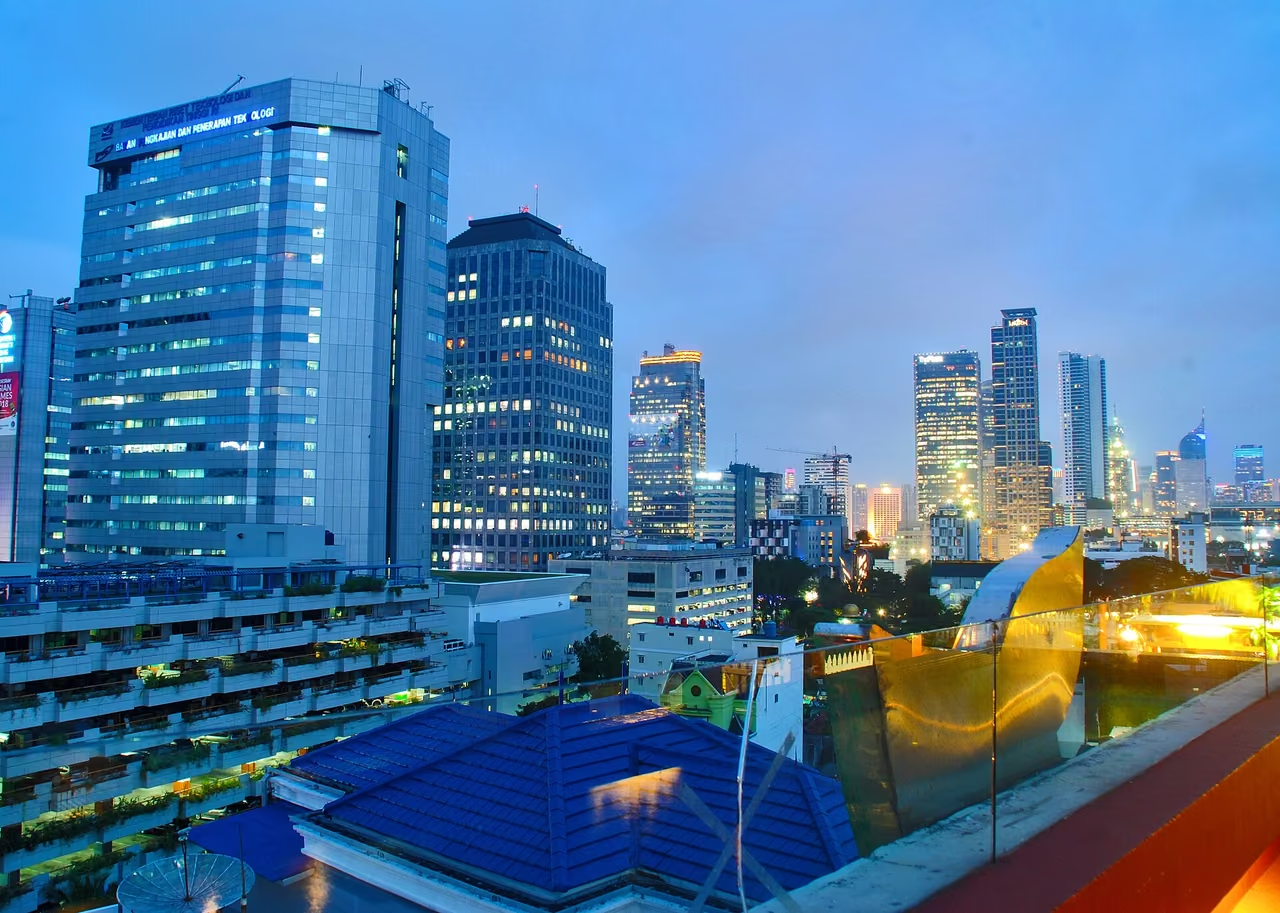
Jakarta is a city without a single centre that has grown from a colonial port on the coast of Java into a metropolitan region of over 30 million. A good route builds history in the north, institutions and museums in the centre, and food, drink and art clusters in the south.
The city may seem noisy and sprawling at first glance; but between the pinisi boats of Sunda Kelapa, the temples of Glodok and the modern layer of Menteng, you can read Indonesia's economic and cultural scale.
Things to do in Jakarta
Kota Tua and Fatahillah Square
Combine the Jakarta History Museum, the old Dutch facades, Glodok and Sunda Kelapa on the same northern route; start before the midday heat and traffic build up.
Monas and the National Museum
Monas, the Istiqlal Mosque, Jakarta Cathedral and the National Museum around Merdeka Square together tell the country's story of independence and diversity; confirm opening days separately.
MACAN and the southern neighbourhoods
Pair Museum MACAN's contemporary art programme with the cafés and dinner of Kemang or Blok M; check exhibition tickets and the closing day in advance.
Area by area: where to go
Menteng and Thamrin offer balanced access to the MRT, shopping and central monuments for a first visit; choosing a room set back from the main road reduces noise.
Kota Tua–Glodok is strong by day for history and street food; Kemang and Blok M are more comfortable for evenings, design and restaurants, but the airport transfer is longer.
Where to stay in Jakarta
On a first visit, the Bundaran HI–Menteng–Thamrin line is the most balanced base for the MRT and the airport train. Staying far out just for the price can cost hours of traffic every day.
What to eat in Jakarta
Nasi uduk, soto Betawi, kerak telor and gado-gado show the city's Betawi streak. At street stalls, choose ones that are busy, with fast turnover and a visible cooking area.
Padang eateries, Chinese-Indonesian cuisine and regional restaurants from across the archipelago are Jakarta's real advantage. Before ordering, ask whether all the small dishes brought to the table are charged.
Getting to and around Jakarta
From Soekarno–Hatta Airport, Airport Railink trains go to stops in the centre; plan the transfer from the terminal to the station and the final city connection separately. In a taxi or ride-hailing car, check the number plate, fare type and toll surcharge before getting in.
Use the MRT, TransJakarta, commuter trains and, for short distances, ride-hailing cars together. Two points that look close on the map can get far apart in heavy traffic; don't squeeze Kota Tua in the north and Kemang in the south into the same half day.
Cafés, nightlife and shopping
Blok M and Senopati offer a density of restaurants and bars; Cikini a quieter art–coffee line. For getting back at night, use an official taxi or a verified ride-hailing car, and check the number plate matches.
Day trips from Jakarta
The Bogor Botanical Gardens can be done by commuter train; factor in rain and weekend crowds.
For a Thousand Islands boat day, confirm the pier, boat safety and return time in writing with a licensed operator.
Best time to visit Jakarta
Although walking is more comfortable in the dry season, sudden tropical downpours still happen. In the rainy months there can be flooding in low-lying areas and serious traffic delays; leave plenty of time on your airport day.
How to budget for your trip
The MRT and TransJakarta are low-cost; central hotels, ride-hailing and museums/rooftop venues inflate the budget. Add the daily transfer time to the price difference of cheap accommodation.
Safety and common mistakes
Don't assume pedestrian priority at busy junctions; use footbridges and controlled crossings. Don't carry your phone exposed to motorbike traffic; keep your bag in front in crowds.
Don't drink tap water. With street food, decide on ice and raw ingredients according to your personal health; keep travel insurance and your basic medication list ready.
Top stops
The stops that best capture the city. Timed entry, tickets and opening hours change, so check official channels before you go.
Kota Tua and Fatahillah Square
Main sightseeing line · The city's signature experience
Combine the Jakarta History Museum, the old Dutch facades, Glodok and Sunda Kelapa on the same northern route; start before the midday heat and traffic build up.
Monas and the National Museum
Second route cluster · Local character and culture
Monas, the Istiqlal Mosque, Jakarta Cathedral and the National Museum around Merdeka Square together tell the country's story of independence and diversity; confirm opening days separately.
MACAN and the southern neighbourhoods
The surrounding route · A change of scenery and pace
Pair Museum MACAN's contemporary art programme with the cafés and dinner of Kemang or Blok M; check exhibition tickets and the closing day in advance.
Dietary preferences
Vegan and halal restaurants in Jakarta
For Jakarta we picked one plant-based place and one aimed at Muslim travellers. Halal labels don't all mean the same thing: certification, the restaurant's own declaration and "some halal options" are shown separately on each card.
Vegan Pick
Vegan-focusedBurgreens
Menteng · Vegan and plant-based Indonesian
A local restaurant chain reinterpreting Indonesian flavours, bowls and burgers plant-based.
Why we picked it: With its central location and clear plant-based menu, it's an easy, reliable choice for a first day in Jakarta.
Verification note
The venue's plant-based coverage was checked in the directory; reconfirm the menu and opening days before booking.
Source: HappyCow's current vegan restaurant directory ↗Halal Pick
Re-check recommendedSederhana Masakan Padang
Central Jakarta · Padang
A widespread local restaurant chain serving nasi Padang and Sumatran dishes.
Why we picked it: For trying Muslim-majority local cooking in a practical way; the branch certificate should still be checked.
Verification note
As no current independent certificate record was found, reconfirm meat sourcing, the shared kitchen and alcohol policy with the business.
Source: Indonesia's BPJPH, the official halal product and certification agency ↗Menus, suppliers and certifications change. If you keep strict halal, confirm the current certificate, alcohol, sauce ingredients and shared-kitchen risk directly with the restaurant.
Day-by-day itinerary
- 01
Day 1 — Kota Tua and Fatahillah Square and getting to know the city
- Morning
- Start early with Kota Tua and Fatahillah Square; sort out any entry or transport uncertainty at the beginning of the day.
- Afternoon
- Take in Menteng and Thamrin on foot and leave room for an unplanned coffee break.
- Evening
- Round off the evening with a relaxed meal of local dishes.
- 02
Day 2 — Monas and the National Museum and the neighbourhoods
- Morning
- Cover the main route around Monas and the National Museum before the crowds build.
- Afternoon
- Add the small streets, markets and local daily life around Kota Tua–Glodok to the plan.
- Evening
- Blok M and Senopati offer a density of restaurants and bars; Cikini a quieter art–coffee line. For getting back at night, use an official taxi or a verified ride-hailing car, and check the number plate matches.
- 03
Day 3 — MACAN and the southern neighbourhoods and a flexible finish
- Morning
- Confirm the weather, tickets or transfers for MACAN and the southern neighbourhoods the night before.
- Afternoon
- The Bogor Botanical Gardens can be done by commuter train; factor in rain and weekend crowds.
- Evening
- Before heading back, prepare the next day's connection, luggage time and offline tickets; if the programme is tight, don't leave shopping to this slot.
Continue your Indonesia route
This city works well on its own; if you have time, the stops below add a different region and city to the same trip.
Yogyakarta travel guide
A living Javanese centre of palace, batik and a strong art scene, opening onto Borobudur and Prambanan.
Read the guide →Ubud travel guide
Rice terraces, temples, dance evenings and the creative heart of inland Bali.
Read the guide →Canggu travel guide
Surf beaches, café culture, Tanah Lot days and Bali's fast-changing west coast.
Read the guide →Frequently asked questions
How many days do you need in Jakarta?+
A stay of 2–3 full days makes for a balanced first visit. Rather than ticking off the main sights, leave room for neighbourhoods, food and possible weather or transport delays and the city opens up in a more meaningful way.
Where should you stay in Jakarta?+
On a first visit, the Bundaran HI–Menteng–Thamrin line is the most balanced base for the MRT and the airport train. Staying far out just for the price can cost hours of traffic every day.
When is the best time to visit Jakarta?+
The most balanced period is generally May–September. Although walking is more comfortable in the dry season, sudden tropical downpours still happen. In the rainy months there can be flooding in low-lying areas and serious traffic delays; leave plenty of time on your airport day.
Should you rent a car in Jakarta?+
Getting around: Use the MRT, TransJakarta, commuter trains and, for short distances, ride-hailing cars together. Two points that look close on the map can get far apart in heavy traffic; don't squeeze Kota Tua in the north and Kemang in the south into the same half day.. Before deciding on a car, weigh up parking, licence, insurance and getting back at night together.
What can you combine with Jakarta on the same trip?+
Yogyakarta, Ubud, Canggu are the natural next stops in this guide. Look not only at the distance on the map but at the real door-to-door travel time.
How do you get to Jakarta?+
From Soekarno–Hatta Airport, Airport Railink trains go to stops in the centre; plan the transfer from the terminal to the station and the final city connection separately. In a taxi or ride-hailing car, check the number plate, fare type and toll surcharge before getting in.
Note: Museum and business hours, event calendars, transport fares and entry fees change periodically. Re-check places that require reservations only through official channels, close to your visit date. Last updated: .
Official sources and latest check
Visa, transport, entry and visiting rules change — re-check them with these official sources before you travel.