Contents
How many days do you need for Florence, and how should you explore it?
Florence's historic centre is walkable, but doing two major museums every day is not a good plan. Three full days let you build the Duomo–Accademia, Uffizi–Piazza della Signoria and Oltrarno–Pitti axes. A fourth day gives breathing room for Santa Croce/Sant'Ambrogio, smaller museums or a nearby escape such as Fiesole.
Putting the Uffizi and the Accademia back to back on the same morning turns into racing to make entry times rather than seeing the art. The rule of one major collection per day, alongside an open-air neighbourhood walk, works better. Because of the physical effort, the Duomo dome climb should also count as a major reservation in its own right.
Don't mistake Florence for all of Tuscany. Siena, Lucca, Pisa, Chianti and the Val d'Orcia are separate routes with different transport logic. If you only have two nights in the city, know that a countryside tour means sacrificing the Uffizi or the Oltrarno; turning the Tuscany leg into separate accommodation is often more balanced.
Arriving in Florence: the FLR tram, Pisa and SMN station
Amerigo Vespucci Airport (FLR) is about 5 km from the centre. The T2 tram connects the airport with the Santa Maria Novella area and the San Marco direction. According to Feel Florence's current information, the journey to the centre takes about 20 minutes; check the tram notices on the day you travel for maintenance and line changes.
Validate a paper ticket bought from the machine at the airport stop once you board. At the on-board contactless reader, each passenger must use their own card; don't assume two people can pay one after the other with the same card. Don't mix a physical card and a phone wallet during the journey.
Pisa Airport (PSA) is not in Florence. Add the total time of a train via Pisa Centrale or a direct road transfer to the flight price. On a late arrival, the last train/bus and the walk from SMN to your hotel can wipe out the advantage of a cheap ticket.
Firenze Santa Maria Novella station is on the edge of the centre; you can walk to the Duomo. However, if your high-speed train goes to Firenze Campo di Marte or another station, don't expect the same convenience. Check the full name of the station on your ticket and the validation rule for regional connections.
Uffizi tickets and a Piazza della Signoria day
The official source for the Uffizi is uffizi.it and the sales channel it directs you to, tickets.uffizi.it. Don't mistake sponsored intermediary results for official tickets. Allow two and a half to three hours to really see the Botticelli, Leonardo, Michelangelo, Raphael and Caravaggio rooms; rushing only to the masterpiece rooms breaks the museum's Renaissance narrative.
Security and collection queues may be added to your ticket time. Read the large-bag rules, choose an audio guide in advance and don't book a slot just before the museum closes. Special routes such as the Vasari Corridor may have separate, named and timed conditions; don't assume they are automatically included in the standard Uffizi ticket.
After the museum, Piazza della Signoria, the Loggia dei Lanzi and the Palazzo Vecchio are in the same area. Access to the Palazzo Vecchio's tower/special areas may require a separate ticket and depend on the weather. After the Uffizi, a walk along the Arno and over the Ponte Vecchio rests the mind better than another big collection.
The Ponte Vecchio is at its most congested in the middle of the day. Cross the bridge in the morning and see the view from the Ponte Santa Trinita in the afternoon. Don't stop in the middle of the pedestrian flow to look at the jewellers' windows.
The Duomo complex: dome tickets, names and the reality of the stairs
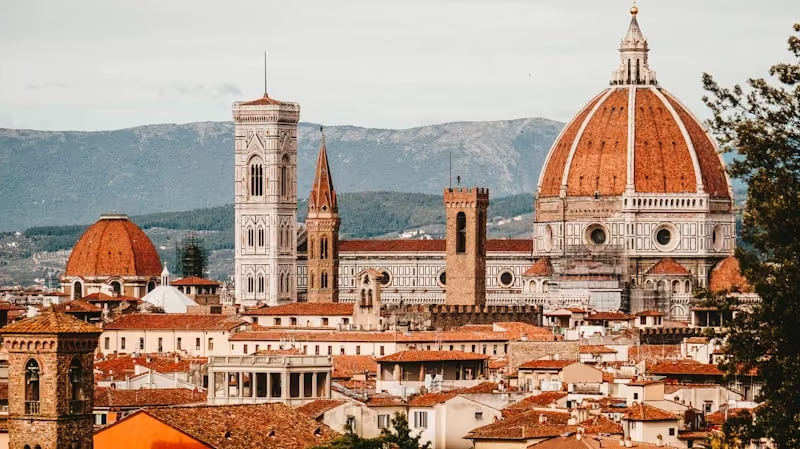
The main nave of Santa Maria del Fiore Cathedral is free and normally requires no reservation; however, Brunelleschi's Dome, Giotto's Bell Tower, the Baptistery, Santa Reparata and the Opera del Duomo Museum are accessed according to the pass products. The official ticket site is tickets.duomo.firenze.it.
When choosing the Brunelleschi Pass, you enter a name and an exact time for the dome; the dome reservation may not be changeable. The dome climb involves narrow, steep, two-way stairs and about 463 steps; there is no lift. If you have claustrophobia, heart/breathing problems or limited mobility, don't push yourself for the view. Giotto's Tower is also separate and has a lot of steps.
Duomo passes may be valid for three calendar days, but access to each monument and the timed-reservation logic are not the same. Don't leave first activation to the last day; read the start date, name and slot on your ticket. Clothing that covers shoulders/knees and the security rules apply in places of worship.
The Opera del Duomo Museum, with its original sculptures and the story of the cathedral's construction, is not just a rainy-day backup. Seeing the museum before the dome climb makes Brunelleschi's engineering and the history of the facade easier to understand.
The Accademia, David and smaller museums
Michelangelo's David is the main draw at the Galleria dell'Accademia; however, the Prisoners, the Giambologna model, early paintings and the musical instrument collection provide the context for the visit. As of 2026, the official website states that B-Ticket is the authorised online channel and that booking is strongly recommended in busy periods.
Rather than buying a named/timed ticket and leaving after 15 minutes, set aside about 75–90 minutes. The museum's current access rules state that it does not offer a left-luggage service for large suitcases; don't go straight there with your luggage after leaving the station. On free-entry days the reservation arrangements may be different.
The Bargello is the natural complement to the Accademia for Donatello and Renaissance sculpture. The Medici Chapels for dynastic politics, the San Marco Museum for Fra Angelico and its monastic atmosphere, and Santa Maria Novella for the relationship between church and art are strong but quieter options. In 2026 some institutions offer new combined tickets; check validity and coverage on the official website.
Don't assume every church is a 'free quick stop'. Complexes such as Santa Croce have ticket/access arrangements for their museum, chapels and restoration areas. Respect restrictions on sightseeing during religious services.
The Oltrarno, the Pitti and Michelangelo's hill
South of the Arno is not a single neighbourhood. Santo Spirito means crafts, a market and an evening piazza; San Frediano has more local restaurants/bars; and San Niccolò is close to Piazzale Michelangelo and the hill walk. Crossing the Ponte Vecchio and only seeing the Pitti Palace before heading back means missing the Oltrarno.
The collections inside the Pitti Palace and the Boboli Gardens need several hours. Doing the full Pitti on the same day as the Uffizi causes museum fatigue. The gardens are sloping and sunny, and water points can be far apart; don't schedule them for midday in midsummer. Check which areas a ticket combination covers through the official Uffizi system.
Piazzale Michelangelo gets crowded at sunset. If you are walking up, there are ramps/steps from San Niccolò; taking the bus up and walking down is easier. Respect the hours of worship at San Miniato al Monte, a little further up; the cemetery and church are not just a viewing platform.
In the Oltrarno, an 'artisan shop' label doesn't mean every product is handmade and local. Ask about evidence of production in the workshop, the materials and the origin; don't pay a premium for mass-produced leather goods just because of a Florence label.
Where to stay in Florence?
Duomo–Signoria is the most central option for a first trip, but crowded, expensive and noisy at night. Santa Maria Novella is practical for early trains and the tram; street quality around the station varies from block to block. Santa Croce is close to restaurants/nightlife and can be loud around the piazza.
Oltrarno/Santo Spirito offers a more neighbourly balance in the evenings; you cross a bridge to the Duomo side every day, but the distance is short. San Niccolò brings views and calm, with the downside of the hill. Sant'Ambrogio is strong for the market and local food, and a little further from the main station.
In historic buildings without lifts, the 'second floor' can mean more stairs than expected. Ask about air conditioning, luggage storage, reception hours and the taxi drop-off point within the ZTL. If you are renting a car, don't choose a central hotel just because it says there is parking; confirm in writing how the garage registers your plate for the ZTL.
A municipal tourist tax may be added to the booking total depending on the property's category and the number of nights. Find out from the property whether cash is required and which age/night exemptions apply; don't rely on old fixed amounts.
What to eat in Florence? Bistecca, lampredotto and markets
Bistecca alla fiorentina is a thick, bone-in cut of meat for sharing, usually served rare. Menus may list a price per kilo; ask the approximate weight of the cut and whether there is any flexibility on cooking before ordering. If you're on your own, go for other Tuscan main dishes rather than expecting a small portion.
Ribollita, pappa al pomodoro, panzanella and bean dishes belong to the cucina povera tradition; lampredotto is a street sandwich made from the fourth stomach. At a tripperia stall you choose salsa verde and chilli sauce, and you can ask for the bread to be dipped in the broth, 'bagnato'. If you don't eat offal, don't order something just because it's local without asking what's in it.
A social-media queue at a schiacciata shop is no guarantee of quality. Around Sant'Ambrogio and the Mercato Centrale, compare cheese, charcuterie and ready meals by price/seating arrangements. The hours of the Mercato Centrale's upstairs food hall and the traditional market downstairs may not be the same.
Cantucci with vin santo make a sweet finish; for gelato, covered metal tubs, seasonal flavours and a short ingredient list are better signs than bright colours piled up like mountains. Read the coperto/servizio line on the menu, and don't confuse the price of sitting on a piazza terrace with a coffee standing up.
The ZTL, cars and a Tuscany day
Florence's historic centre is a camera-controlled ZTL. The official Feel Florence map shows the entrances and zones; hours can change with the season/special arrangements. With a rental car, before following the signs, confirm that your hotel or an authorised garage will report your plate to the system. Navigation may take you past an enforcement camera as the 'shortest route'.
A car is unnecessary in the city. If you are renting one for Chianti or the Val d'Orcia, picking it up from the airport/an outer office on the day you leave the centre reduces the parking and ZTL risk. If your licence was issued outside Italy, check the international driving permit requirement in official Italian information.
Siena and Lucca can be done independently by train/bus; Chianti villages and vineyards may be poorly served by public transport. Don't drive on a day you'll be wine tasting. When choosing a tour, look not just at the 'three towns' count but at the actual time at each stop.
Validate a paper regional train ticket before boarding; digital ticket instructions vary according to the current Trenitalia system. When going to Pisa, Pisa Centrale and Pisa San Rossore are different distances from the Duomo area; don't mix up your return station.
Where to eat: selected places
These aren't places to tick off one by one — they're the stops that best capture how the city eats. Opening hours and prices change, so check before you go.
Trattoria Cammillo
Mid-rangeOltrarno / San Frediano · Classic Tuscan trattoria
Shows the breadth of Florentine cooking with fried dishes, seasonal vegetables and traditional home cooking as much as bistecca.
Book, especially for the evening; ask the weight and price of the bistecca before ordering.
Trattoria Sostanza
Mid-rangeSanta Maria Novella · Butter chicken and artichoke omelette
In a small, historic dining room with shared tables, you go not just for bistecca but to try Florentine dishes that have stayed the same for several generations.
Capacity is small and the service style is distinctive; confirm the opening days/hours and book.
Da Nerbone
BudgetMercato Centrale, ground floor · Lampredotto and bollito sandwiches
A key stop for trying the quick, affordable, classic offal sandwich with your choice of bagnato/sauces amid the rhythm of the market.
It may close early depending on market hours; the filling is offal, so decide on your choice before your turn comes.
Tripperia Pollini
BudgetSant'Ambrogio · Lampredotto from a street stall
On a Sant'Ambrogio market day, amid a flow of local customers, it serves Florence's most characterful fast food far from the packaged tours.
You eat standing up and service is during the day; check holidays/opening days on its social channel.
I'Brindellone
Mid-rangeSan Frediano · Tuscan classics in large portions
In the Oltrarno, it brings together ribollita, pasta and meats for sharing in an unpretentious neighbourhood trattoria atmosphere.
Share portions; book ahead on busy football/weekend evenings.
Il Santo Bevitore
UpscaleSanto Spirito · Seasonal contemporary Tuscan cooking
Seeing classic ingredients in more modern dishes offers a good contrast, so you don't repeat the traditional trattoria meal in the same area.
Don't confuse the address with the bakery/wine bar of the same name; reserve a table through the official channel.
Dietary preferences
Vegan and halal restaurants in Florence
For Florence we picked one plant-based place and one aimed at Muslim travellers. Halal labels don't all mean the same thing: certification, the restaurant's own declaration and "some halal options" are shown separately on each card.
Vegan Pick
Fully veganTripperia Vegana TAN8
Santa Croce · Vegan Tuscan street food
A small counter serving Florence's lampredotto tradition as plant-based sandwiches and 'vegan tripe'.
Why we picked it: For experiencing the city's local street-food character through a vegan idea, quickly and authentically.
Verification note
The venue's plant-based coverage was checked in the directory; reconfirm the menu and opening days before booking.
Source: HappyCow's current vegan restaurant directory ↗Halal Pick
Restaurant-declaredCrown of India
Santa Maria Novella · Indian
A central restaurant serving curries, tandoor dishes and biryani that states it uses halal meat.
Why we picked it: For anyone looking for a wide menu to share as a group between the railway station and the historic centre.
Verification note
The business/directory statement points to halal meat; ask about the scope of certification, lamb and chicken sourcing and alcohol service.
Source: HalalSpy Italy 2026 field guide ↗Menus, suppliers and certifications change. If you keep strict halal, confirm the current certificate, alcohol, sauce ingredients and shared-kitchen risk directly with the restaurant.
Day-by-day itinerary
- 01
Day 1 — The Duomo and the Accademia
- Morning
- Head to the Duomo square early; take in the complex with a timed dome climb or the Opera del Duomo Museum.
- Afternoon
- The Accademia with a reservation; then a quieter walk around San Marco and Santissima Annunziata.
- Evening
- Aperitivo/dinner in Sant'Ambrogio or Santa Croce; check your Uffizi ticket for the next day.
- 02
Day 2 — The Uffizi and the Signoria
- Morning
- Enter the Uffizi with a timed official ticket; slow down in selected rooms rather than chasing a list of masterpieces.
- Afternoon
- Piazza della Signoria, a section of the Palazzo Vecchio of your choice and the view from the Ponte Santa Trinita.
- Evening
- Cross the Ponte Vecchio into the Oltrarno and have dinner in Santo Spirito or San Frediano.
- 03
Day 3 — The Pitti, Boboli and San Miniato
- Morning
- Focus on a single collection at the Pitti Palace; the Boboli Gardens if the weather is cool.
- Afternoon
- Oltrarno workshops and San Niccolò; up to Piazzale Michelangelo by bus or on foot.
- Evening
- Sunset with respect for the visiting/worship arrangements at San Miniato al Monte; a light dinner in the centre.
- 04
Day 4 — Santa Croce and a living market
- Morning
- Sant'Ambrogio Market, the Santa Croce complex and craft stops in the narrow streets.
- Afternoon
- The Bargello, the Medici Chapels or Santa Maria Novella depending on your interests; choose just one.
- Evening
- A final passeggiata along the Arno; check the Firenze station for your next train and paper-ticket validation.
Before you go
Notes to avoid ticket and transport mistakes in Florence
The Duomo is free; the dome is a separate reservation
Don't confuse the cathedral's main nave with the dome/bell tower/museum passes. The dome ticket is named and for an exact time; there is no lift.
Use the Uffizi's official domain
Go to the tickets.uffizi.it channel via uffizi.it. Don't mistake ad results and expensive packages sold under similar names for official tickets.
Don't go to the Accademia with a suitcase
Under the current museum rules there is no cloakroom for large items. Leave your luggage at the hotel or a licensed storage facility before your timed entry.
At FLR, the T2 offers a direct solution
On the airport–centre tram, validate a paper ticket or use a separate contactless card per person.
Ask the weight when ordering bistecca
The price is often per kilo and the cut is for sharing. Agree the approximate total and how it will be cooked before the cut is weighed.
Confirm ZTL registration in writing
Your plate isn't registered automatically just because the hotel/garage is in the centre. Before the camera entrance, ask who will notify the authorities and when.
Continue your Italy route
This city works well on its own; if you have time, the stops below add a different region and city to the same trip.
Florence to Rome: from the Renaissance to the ancient layers
Take the high-speed train from SMN down to Rome; allow four to five days for the Colosseum, the centre and the Vatican.
Read the guide →Florence to Venice: the train route to Santa Lucia
Stay at least two nights without confusing Mestre with the island station; check the 2026 access QR in advance.
Read the guide →Florence to Milan: art and design continued
Take the high-speed train to Centrale and split the Last Supper, Brera and the Duomo terraces across different times.
Read the guide →Florence to Naples: from the north to Campania
After the high-speed train, add Pompeii as a separate full day to your historic centre, MANN and pizza day.
Read the guide →Florence to the Amalfi Coast: the sea via Salerno
Plan the high-speed train connection to Salerno and the last ferry together; don't turn the coast into a day-trip photo tour.
Read the guide →Frequently asked questions
How many days do you need for Florence?+
For a first trip, 3 full days is the minimum and 4 days is more balanced. If you want to add a Tuscany day, set aside an extra day.
Can you visit the Uffizi and the Accademia on the same day?+
It is possible but not recommended. Pairing the two dense collections with neighbourhood walks on separate days reduces art fatigue.
Is entry to Florence's Duomo free?+
The cathedral's main nave is generally free; a pass/ticket is required for the dome, bell tower, baptistery, Santa Reparata and the museum.
How do you get from Florence Airport to the centre?+
The T2 tram connects FLR with SMN and the centre. Check the current route/service; when paying contactless on board, each person uses a separate card.
Do you need a car in Florence?+
Not in the city. The historic centre is walkable and has ZTL cameras. For rural Tuscany, pick up the car on the day you leave the centre.
Which neighbourhood should you stay in in Florence?+
Duomo/Signoria suits being central, SMN the train, the Oltrarno evening and local atmosphere, and Sant'Ambrogio markets/food.
Note: Uffizi, Accademia and Duomo ticket coverage/hours; tram services, the ZTL, church access, and market and restaurant opening days can change. Confirm with the official channel before your visit. Last updated: .
Official sources and latest check
Visa, transport, entry and visiting rules change — re-check them with these official sources before you travel.