🇨🇦 Country guide
Canada Travel Guide
Continent-scale discovery from multicultural cities to the Rockies, from the Atlantic coast to the wild north of the Yukon.
Gateway
Toronto · YYZ
Capital
Ottawa
Best time
Varies by region · May–October
Budget
High
Don't miss
A quiet morning on a Rockies lake before the first shuttle arrives
How to plan a route through Canada
For a first eastern route, allow 12–15 days for Toronto–Niagara–Montreal–Québec City; Toronto–Montreal–Québec can be linked by train. Don't think of Vancouver as a "nearby extra stop" to the eastern cities; it needs a separate long flight.
In the Rockies, allow at least seven to ten days for Banff and Jasper from a Calgary/Edmonton connection. Lake Louise, Moraine Lake and popular campgrounds require official shuttles/reservations. Yukon is a separate flight and long-road budget.
What to know before travelling to Canada
Check whether you need a visa or an eTA
Depending on your passport, you need a visitor visa or an eTA for tourist visits or transit; US citizens need neither for most visits. Check applications, biometrics and processing times only via IRCC.
Don't underestimate distances within the country
VIA Rail is useful on the Toronto–Montreal–Québec corridor, but it's not high-speed rail everywhere. Vancouver–Toronto or Yukon–Rockies require flights. Use door-to-door travel times.
Tax and tips are added to the price tag
Sales tax may be added afterwards to shop and restaurant prices. For table service, 15–20 per cent before tax is common; if there's an automatic service charge, don't tip twice. Include hotel and car rental pre-authorisations in your card limit.
Parks Canada reservations and wildlife rules
Shuttles, campsites, parks and some roads depend on capacity. Don't approach bears, store food securely and respect barriers and closures. Check fire, smoke, avalanche and road notices on the day of your visit.
12–15 days
Eastern Canadian cities
Toronto four, Niagara one to two, Montreal four, Québec three nights; a strong line with trains and short transfers.
5–7 days
A Pacific city
Stanley Park, the neighbourhoods and the North Shore; three to four more days if you add Victoria or Whistler.
8–11 days
The Canadian Rockies
Banff four, Jasper three to four nights; road, wildfire and reservation buffers for the Icefields Parkway.
8–12 days
The wild north
Whitehorse is the main base; Kluane and Dawson shouldn't be squeezed into the same short route. Fuel, satellite communication and a weather plan are essential.
Practical information for Canada
Entry requirements
Depending on your passport, you need either a visitor visa or an eTA (Electronic Travel Authorization) to fly to Canada; US citizens need neither for most short visits. Check which applies to you, along with biometrics and processing times, only through IRCC.
Money and payments
The Canadian dollar is used; card and contactless payments are very common. Some terminals and hotels may place a temporary pre-authorisation hold. At restaurants, tax is added on top of the listed price, and a 15–20 per cent tip on the pre-tax amount is customary for table service; if an automatic service charge is included, don't tip twice.
Languages
English and French are the federal official languages. In Québec, French is at the heart of public life; English mostly works at tourist sites. Use the local spellings of Indigenous lands and community names, and learn visiting rules directly from community or park sources.
Phones, internet and apps
Distances between cities are large; VIA Rail works on its corridors, but the Rockies, Yukon and Atlantic Canada may require flights or a car. For national park bookings, road conditions, wildfire and wildlife notices, use Parks Canada and provincial sources; prepare offline maps and a fuel plan.
Budget
Add tax, tips, park entry, vehicle insurance and one-way drop-off fees to the displayed room/car price.
On a budget plan, think hostels, supermarkets, public transport and free city parks; mid-range brings central rooms, trains/domestic flights and a national park day; a comfortable plan features good hotels, a rental car and guided nature tours. Check accommodation and car prices very early for the summer, ski, autumn leaf and northern lights seasons.
Cities and national parks to visit in Canada
The places to visit in Canada are spread across two oceans and the north of the continent. Toronto opens up multicultural neighbourhoods, Montreal and Québec City French-speaking culture, and Vancouver the meeting of Pacific and mountains. Niagara is a falls route that deserves its own night; Banff and Jasper are a Rockies journey that needs reservations; and Yukon is the wild north, requiring fuel, communication and seasonal planning.
Original guides are live for all 8 cities
 Guide live
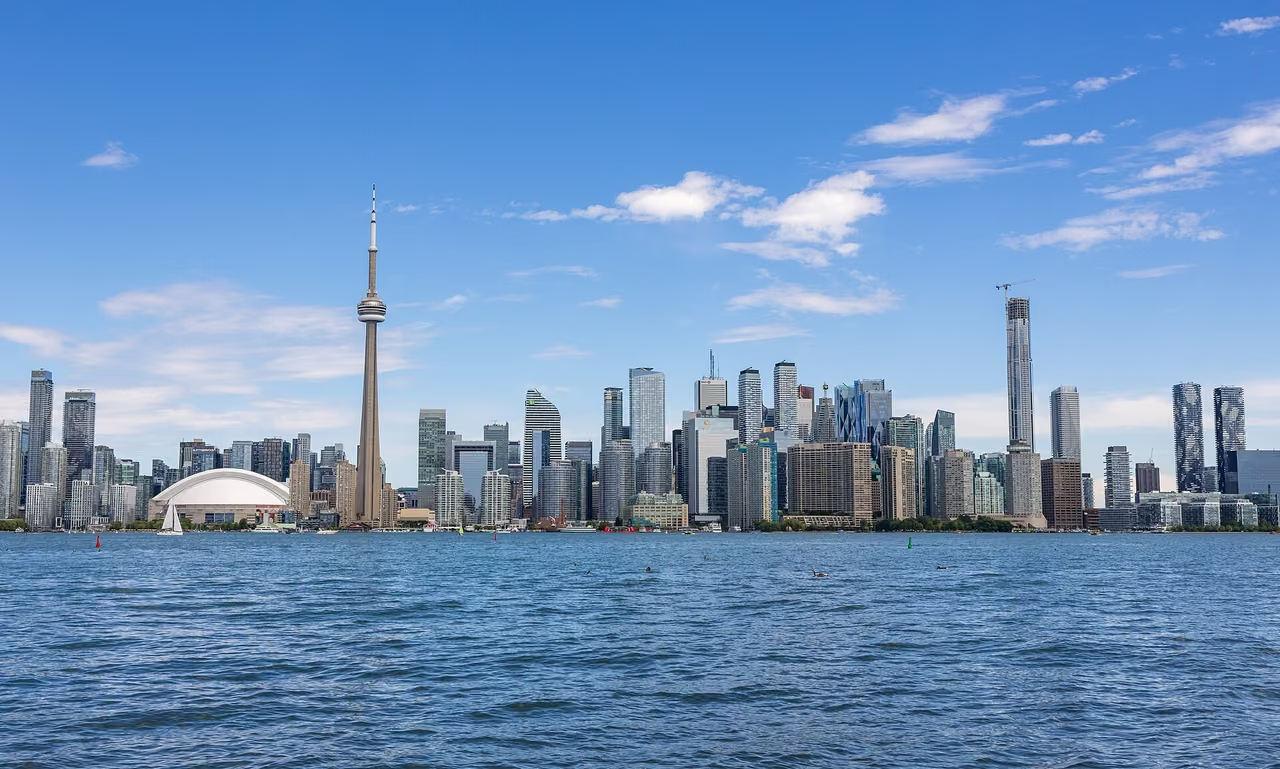
Toronto
Lake Ontario, great museums and neighbourhood cuisines from every corner of the world.
 Guide live
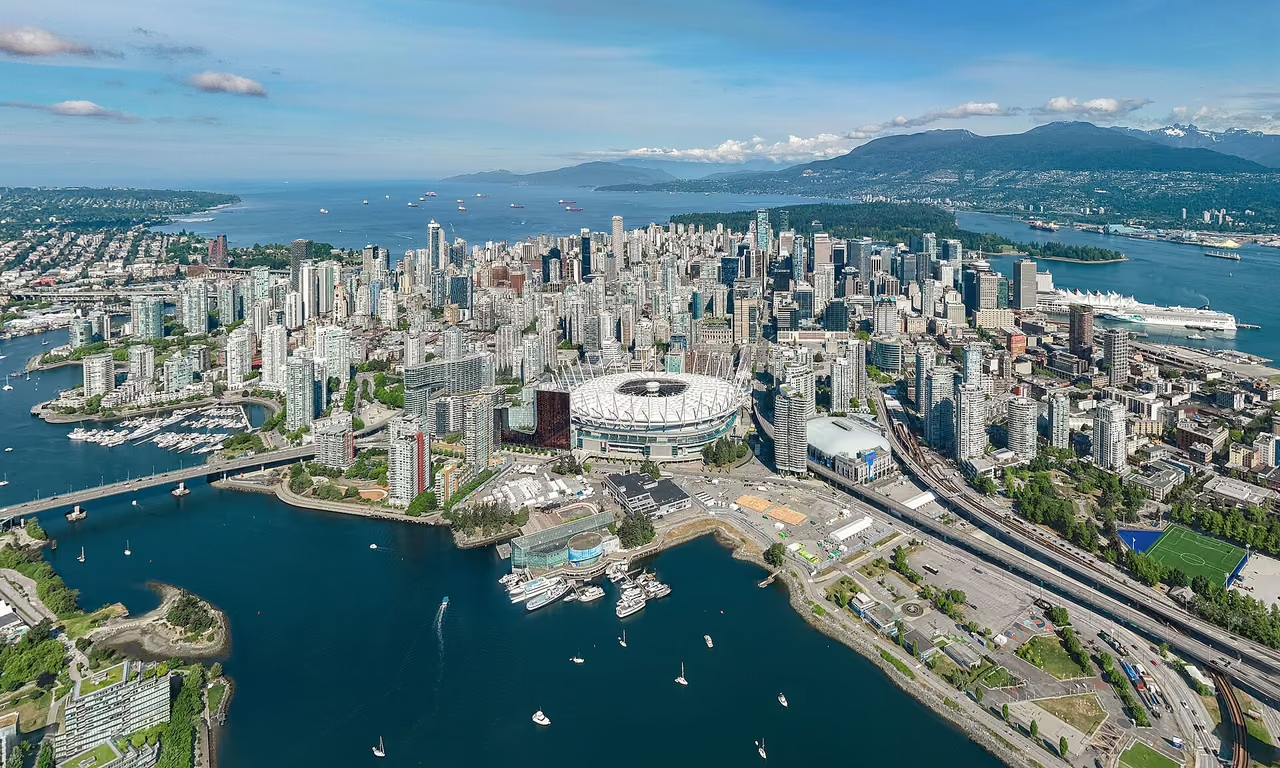
Vancouver
The Pacific coast, rainforest, mountains and Asia-Pacific neighbourhood cuisines.
 Guide live
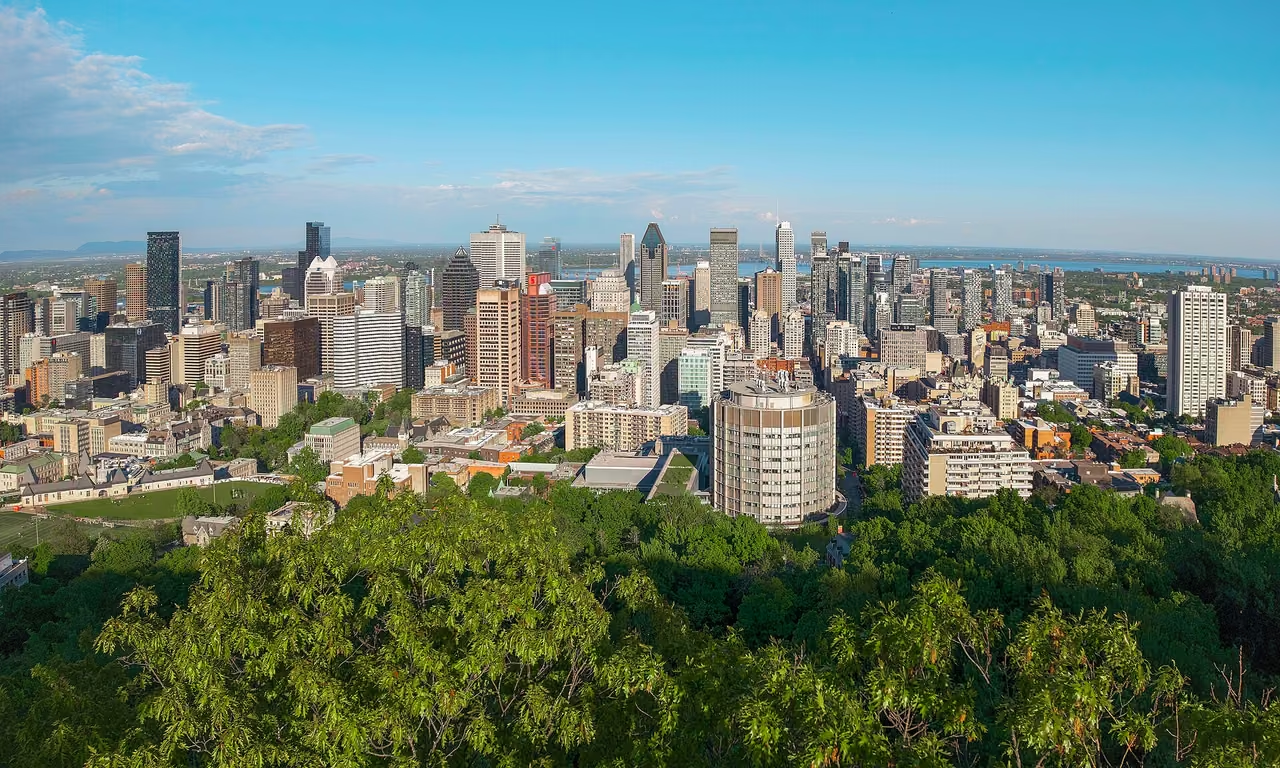
Montreal
French-speaking public life, festivals, design and a layered immigrant culture.
 Guide live
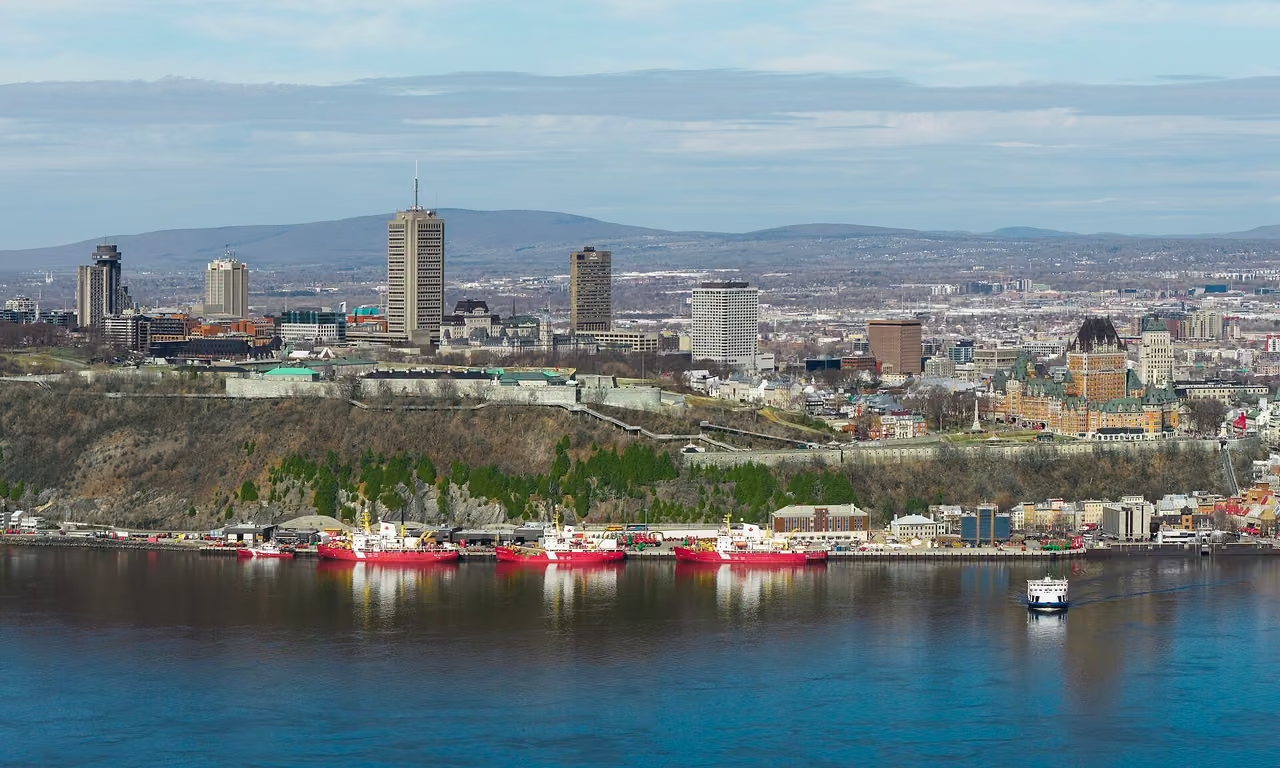
Quebec City
French heritage inside the walls, views over the St. Lawrence and a strong winter culture.
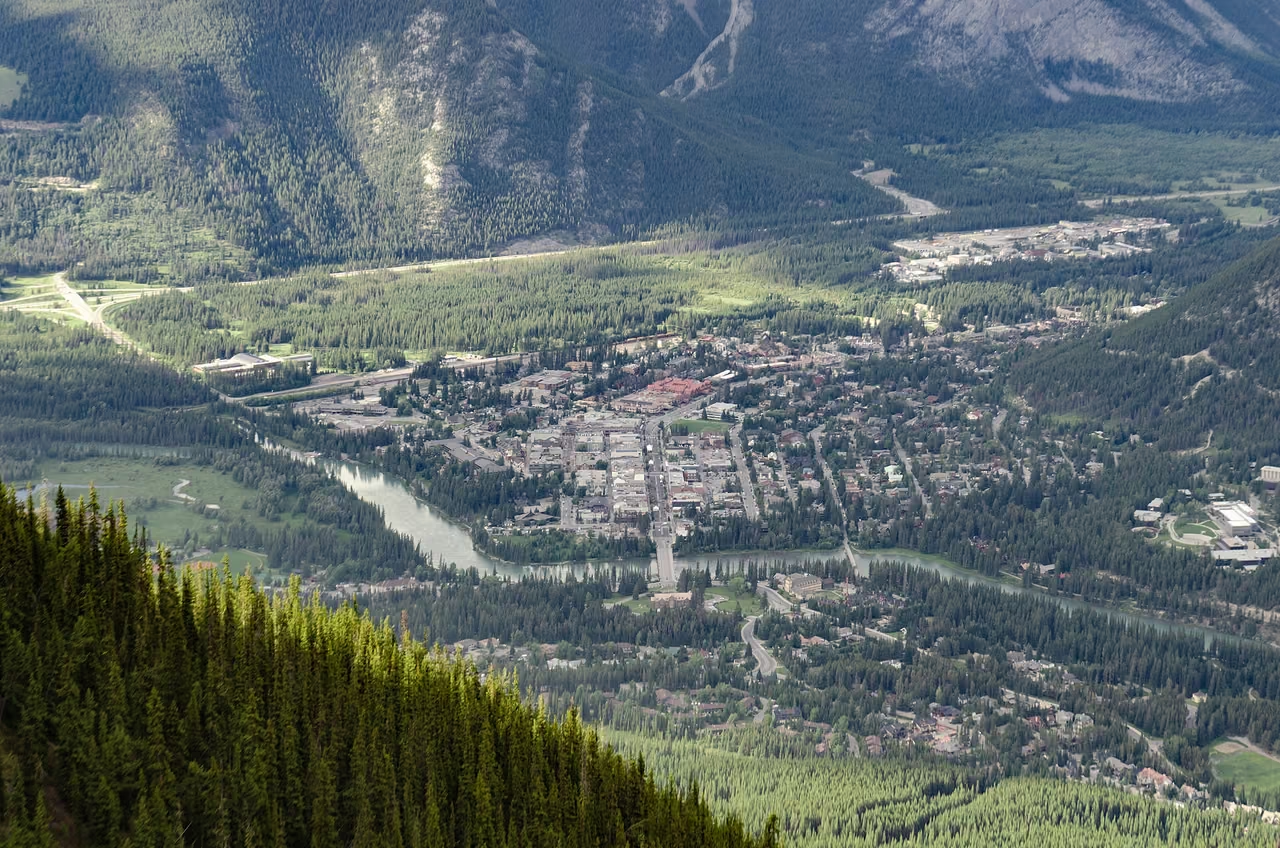 Guide live
Banff
A Canadian Rockies national park of turquoise lakes, wildlife and shuttle reservations.
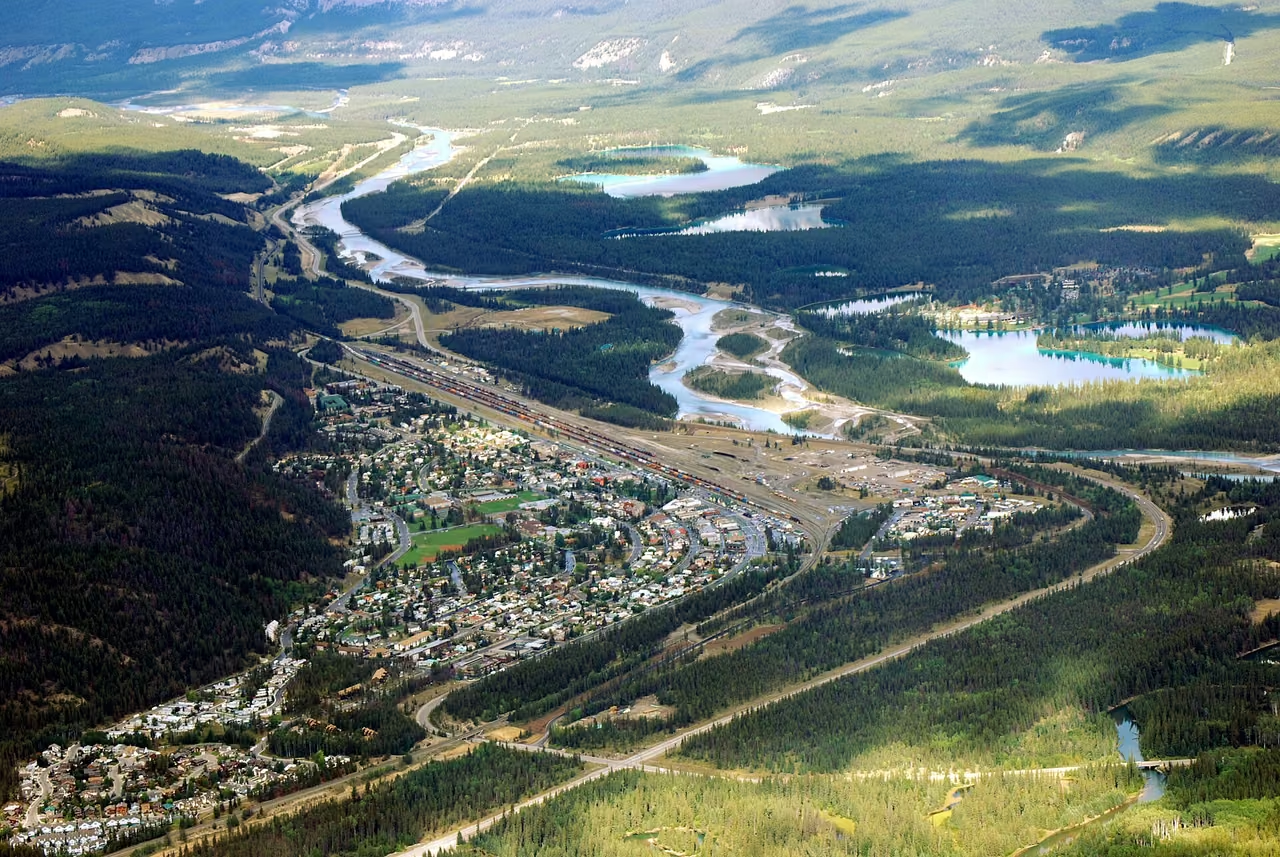 Guide live
Jasper
Wild valleys, Maligne Lake, dark skies and a base on the Icefields Parkway.
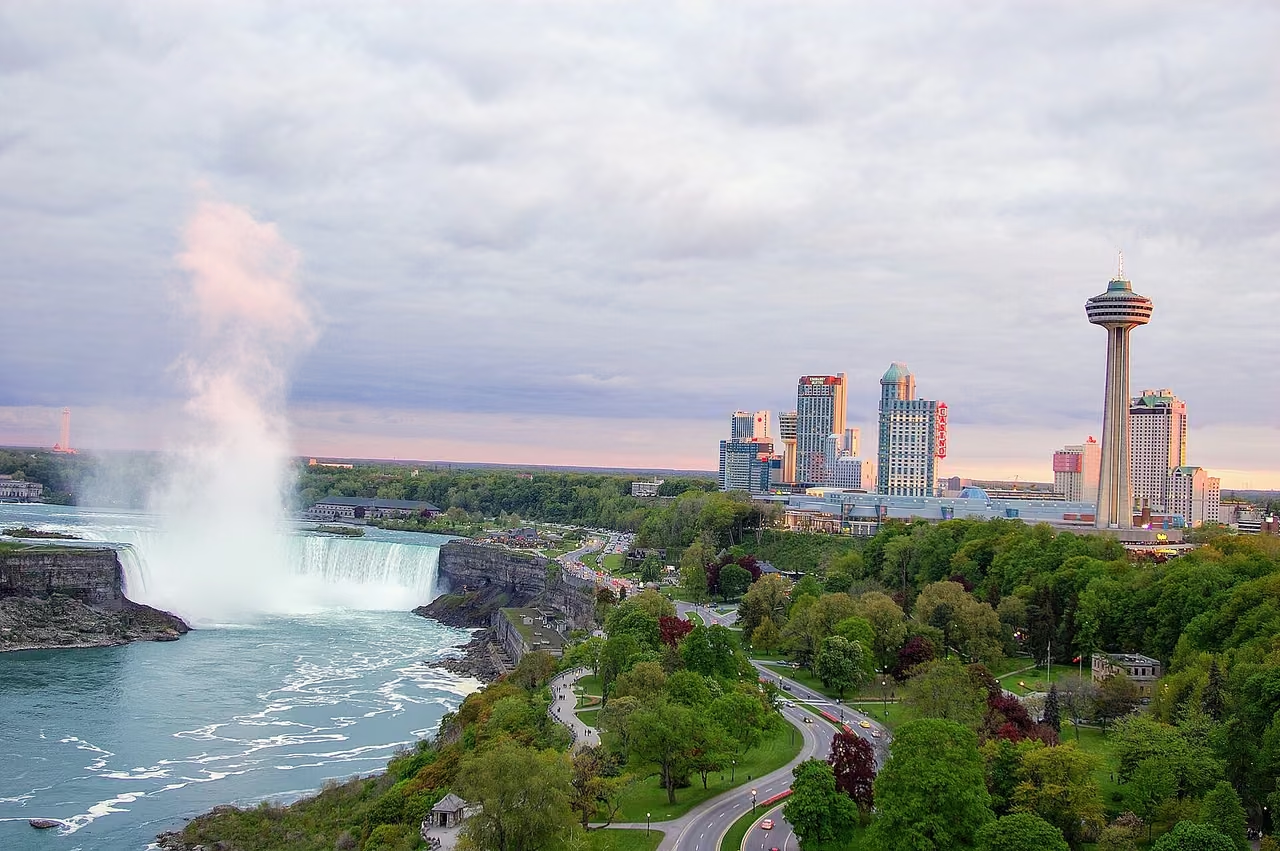 Guide live
Niagara Falls
Horseshoe Falls, the river gorge, hydroelectric history and the Niagara vineyards.
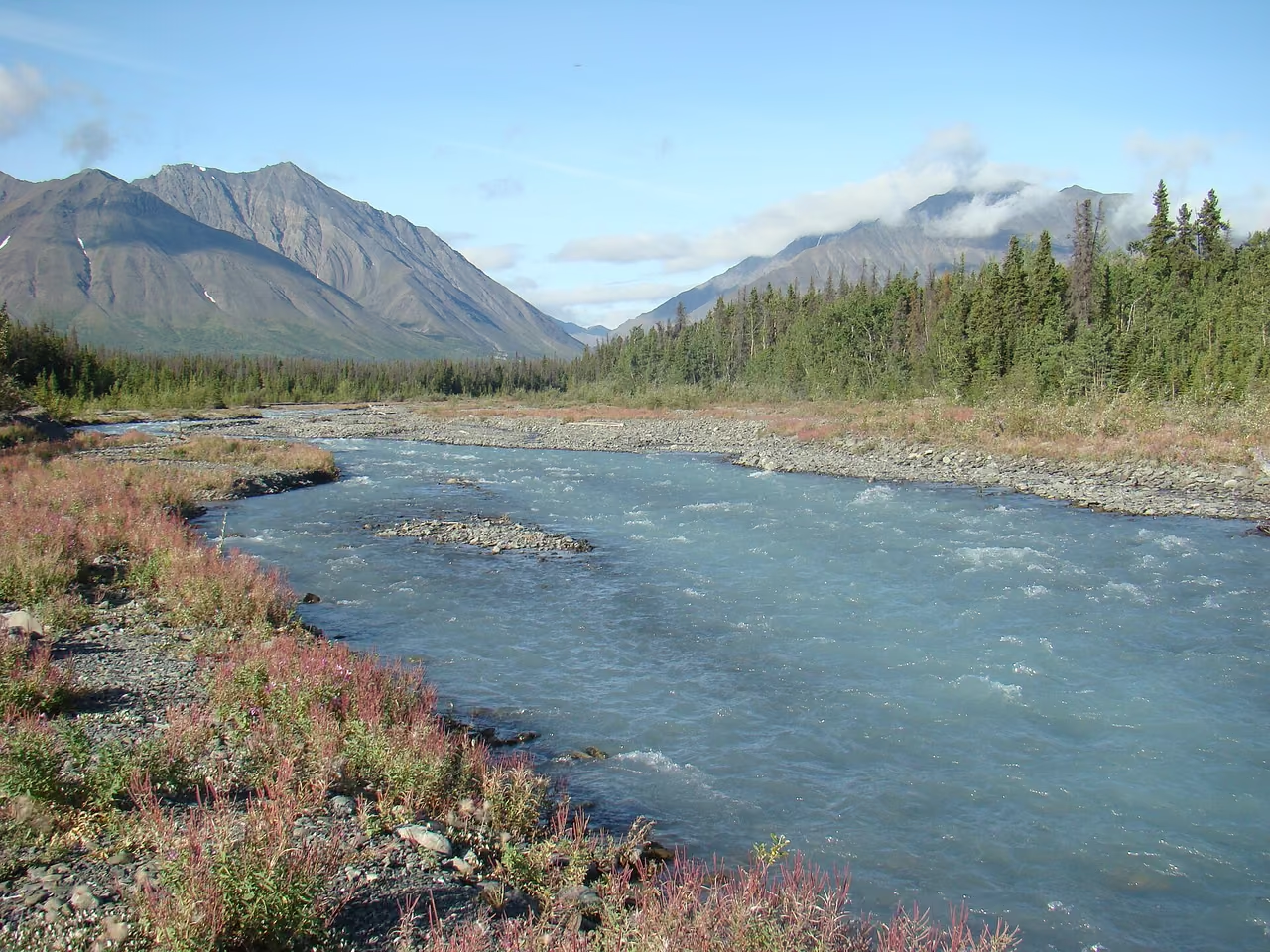 Guide live
Yukon
The Kluane mountains, Klondike history, the northern lights and long wilderness roads.
Image credits
- Quintin Soloviev · source · CC BY 4.0
- Dillan Payne · source · CC BY-SA 4.0
- Quintin Soloviev · source · CC BY 4.0
- Quintin Soloviev · source · CC BY 4.0
- Ethan Sahagun · source · CC BY-SA 4.0
- Harvey Barrison from Massapequa, NY, USA · source · CC BY-SA 2.0
- Wikibunt · source · CC BY-SA 3.0