🇦🇷 Country guide
Argentina Travel Guide
A grand route from the neighbourhoods of Buenos Aires to Andean vineyards, from tropical waterfalls to Patagonian glaciers.
Gateway
Buenos Aires · EZE
Capital
Buenos Aires
Best time
Varies by region · March–May · September–November
Budget
Moderate
Don't miss
Waiting for the first light on Fitz Roy in the Patagonian wind
How to plan a route through Argentina
On a first trip, give Buenos Aires five nights and choose a single regional flight: Mendoza for wine, Puerto Iguazú for the falls or Patagonia for hiking. El Calafate–El Chaltén is a natural pair by road; Ushuaia is a separate flight leg.
In the north-west, make Salta your main base and Tilcara/Purmamarca in the Quebrada your second. Plan days above 3,000 metres gradually; in Patagonia, leave a weather buffer.
What to know before travelling to Argentina
Many passports are exempt from a tourist visa
Many nationalities are exempt from a tourist visa; check your passport in the country table of Argentina's National Migration Directorate and confirm the permitted stay, passport and return/accommodation requirements with current official sources.
Because of the exchange rate, don't use old budget articles
The peso and prices can change quickly. Use legal payment and exchange channels; avoid street money changers. Price flights, rooms, meals and tours separately on the day you book.
SUBE is useful, but it's not a nationwide transport system
SUBE is used in Buenos Aires and many cities; coverage and points of sale vary. In Patagonia and the north, long-distance buses/flights and private park transfers are planned separately.
Take altitude and the Patagonian wind seriously
On a Salinas/Hornocal day, climb gradually; don't underestimate headaches and shortness of breath. In the south, use waymarked trails, layers, registration and a turnaround time; respecting park closures is mandatory.
9–12 days
A first city and wine route
Five nights in the capital and four to five in Mendoza; plan a driver for the tasting day.
10–14 days
Classic Patagonia
Calafate three, Chaltén four, Ushuaia four nights; a weather buffer and a separate flight.
6–8 days
Lakes and hiking
Split the Circuito Chico, a mountain route and a lake boat trip across separate days.
10–14 days
The north and the tropics
Link these two distant regions only by air; give each at least four to five nights.
Practical information for Argentina
Entry requirements
Many nationalities can visit Argentina as tourists without a visa; check your passport against the current country table of Argentina's National Directorate of Migration. Verify the permitted length of stay, passport and return/accommodation documents before buying tickets, and don't assume you'll be given a new period of stay after leaving for a neighbouring country and returning.
Money and payments
The Argentine peso is used; exchange rates and prices can change quickly. Although cards are increasingly common in cities, cash is needed for small businesses, taxis, remote parks and tips. Check the legal currency exchange and payment rules from a current source; avoid street money changers and unknown links.
Languages
Spanish is the main language; the Rioplatense accent and the use of vos are especially noticeable in Buenos Aires. In Patagonia and the north, save the last bus, park gates and tour meeting points in Spanish.
Phones, internet and apps
In Buenos Aires and many cities, the SUBE card is used for buses, the metro or trains; coverage and points of sale vary by city. Count long-distance flights/buses in Patagonia and the north-west as separate days. For parks, hikes and border crossings, download offline maps and official weather warnings.
Budget
Because of exchange rates and inflation, don't rely on old daily figures; price flights, rooms, meals and tours separately on the day you book.
On a budget plan, think hostels, menú del día, SUBE and free trails; mid-range brings central rooms, domestic flights and group tours; a comfortable plan features estancias/lodges, private transfers and tastings. Because of inflation, don't use the peso or dollar daily budgets from old blogs; price flights, rooms, meals and activities separately on the day you book.
Cities and nature routes to visit in Argentina
The places to visit in Argentina range from the neighbourhoods of Buenos Aires to the vineyards of Mendoza, from the high Andean valleys of Salta–Jujuy to the tropical forest of Iguazú. In the south, Bariloche is the lake district, while El Calafate, El Chaltén and Ushuaia are different Patagonian bases. Because of the distances, combining north and south in one short trip is not realistic.
Original guides are live for all 8 cities
 Guide live
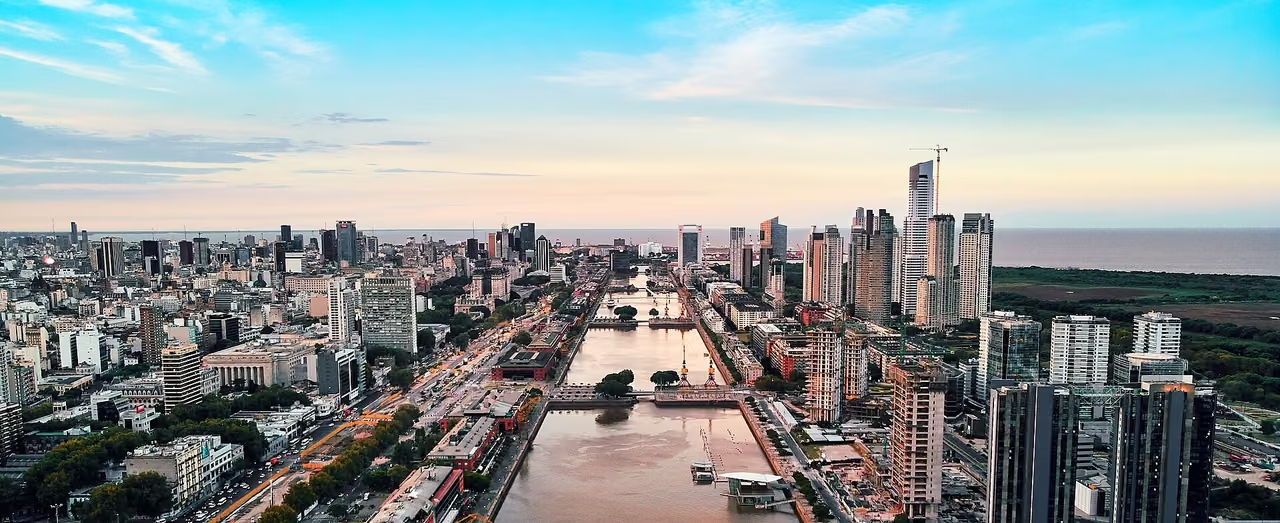
Buenos Aires
A Rioplatense capital that lives by tango, bookshops, football, architecture and late dinners.
 Guide live
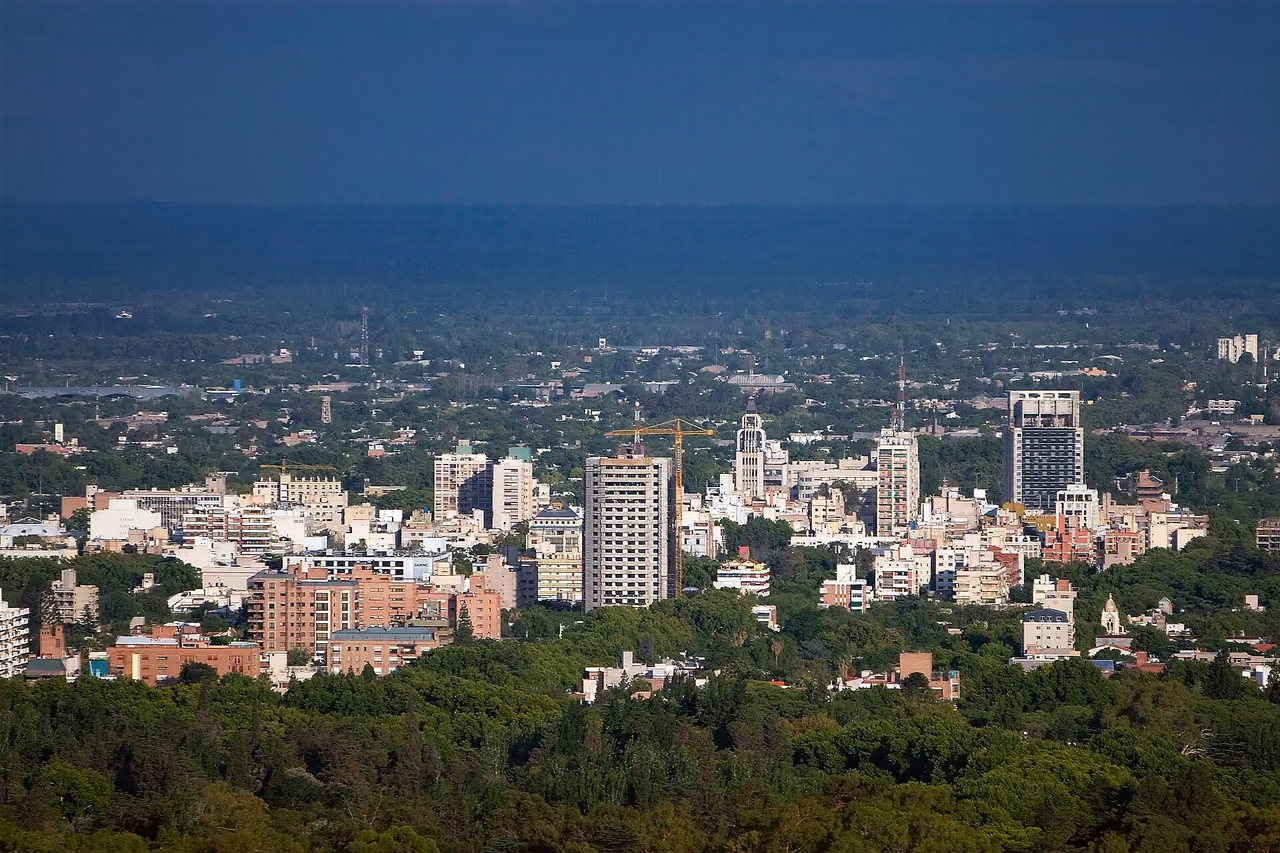
Mendoza
An oasis of Malbec vineyards and green avenues with irrigation channels, opening onto the Andes.
 Guide live
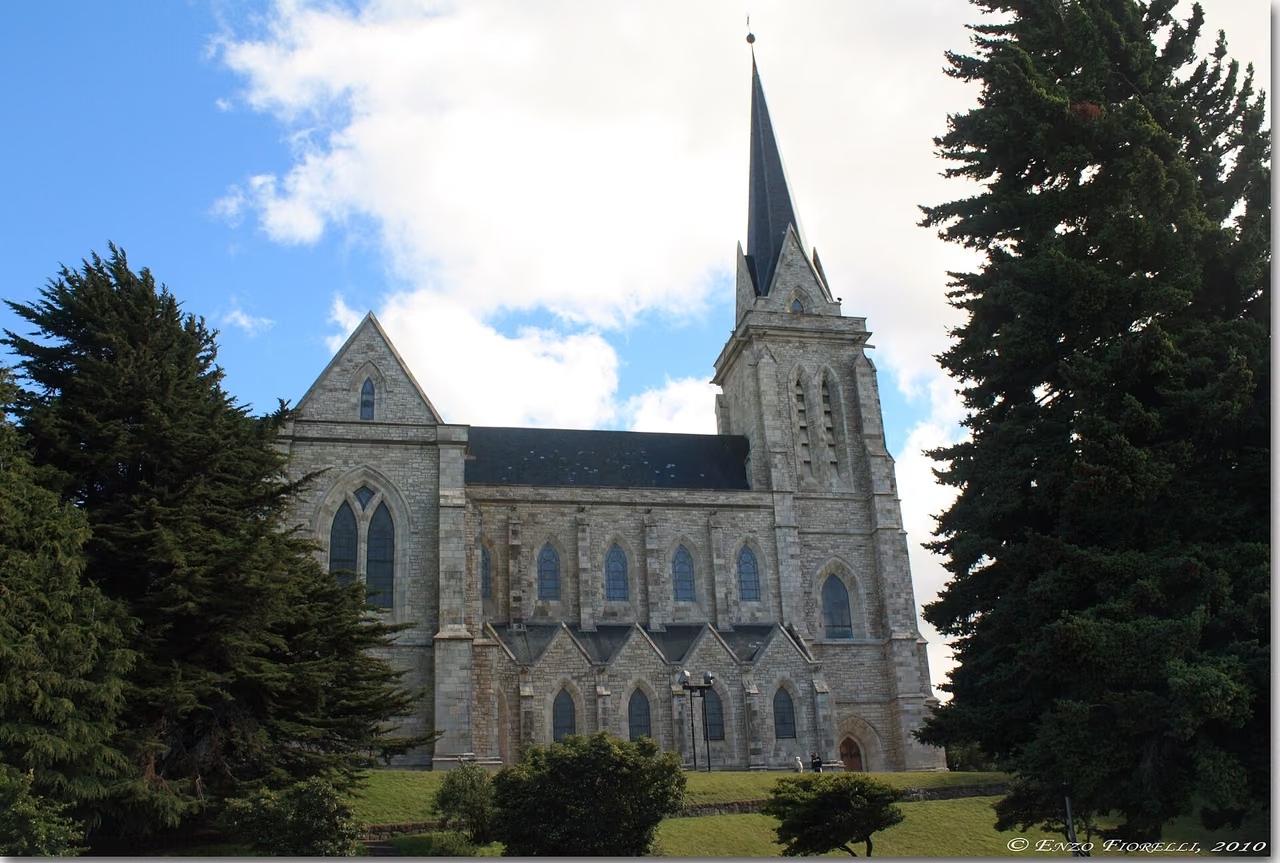
Bariloche
The Nahuel Huapi lakes, forest trails, mountain huts and Patagonia in all four seasons.
 Guide live
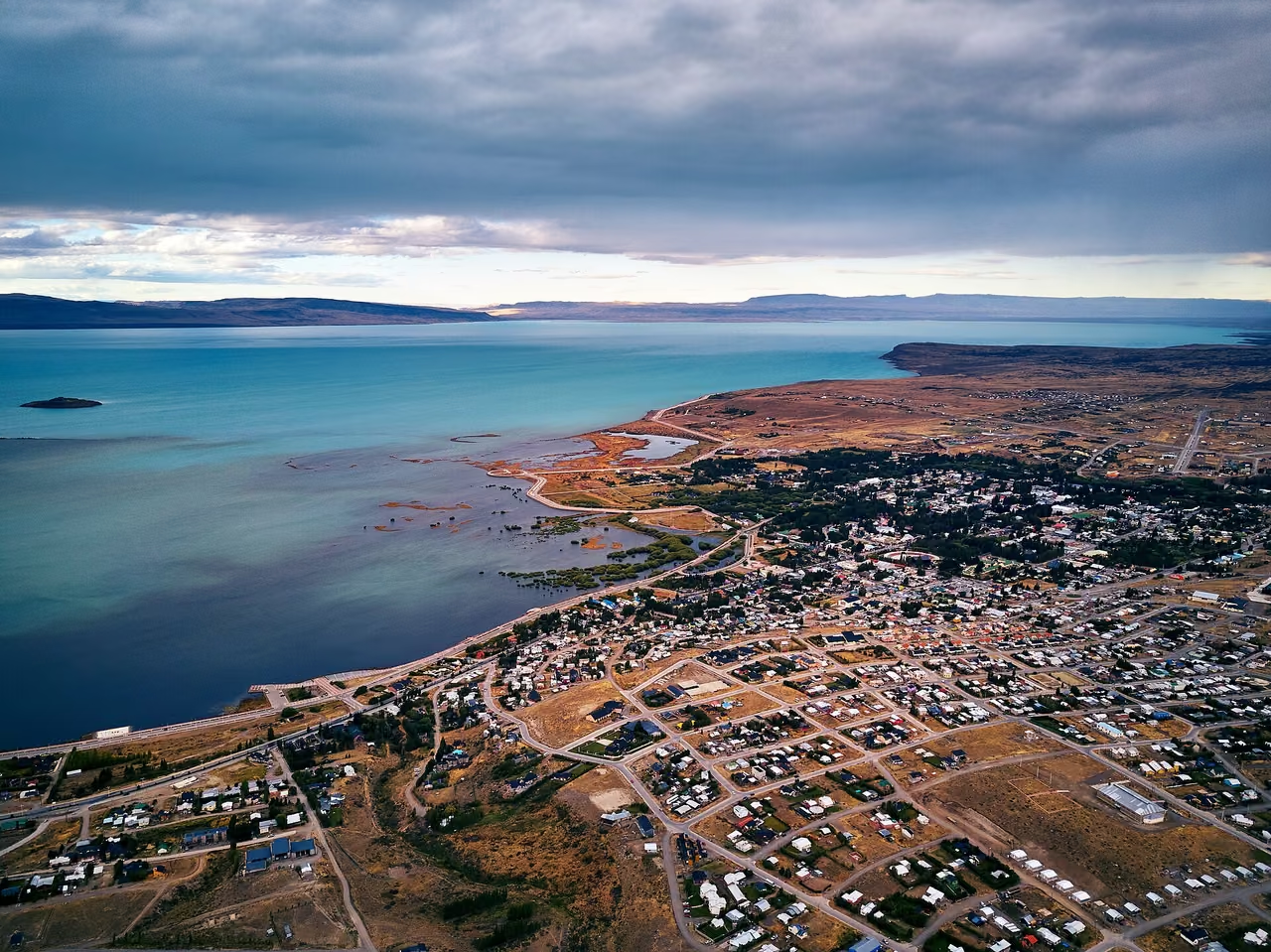
El Calafate
A small base for the ice front of Perito Moreno, lake boats and national park logistics.
 Guide live
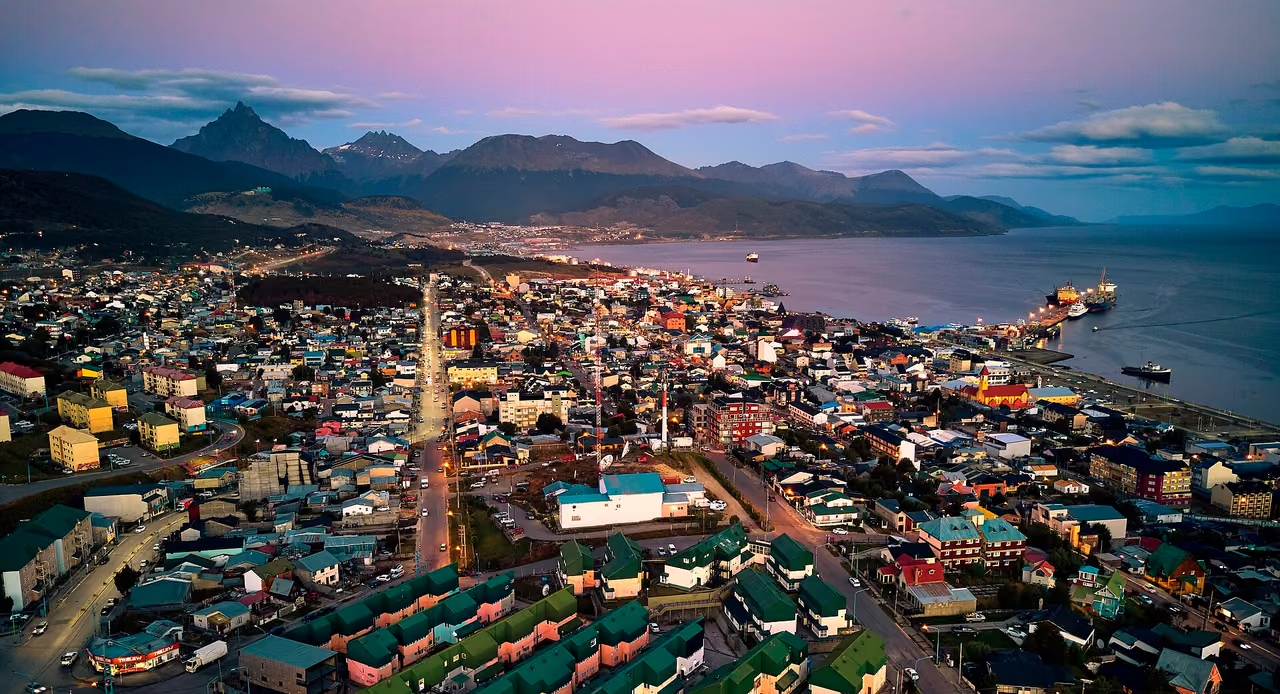
Ushuaia
The Beagle Channel, subantarctic forest and the end-of-the-world feeling of Tierra del Fuego.
 Guide live
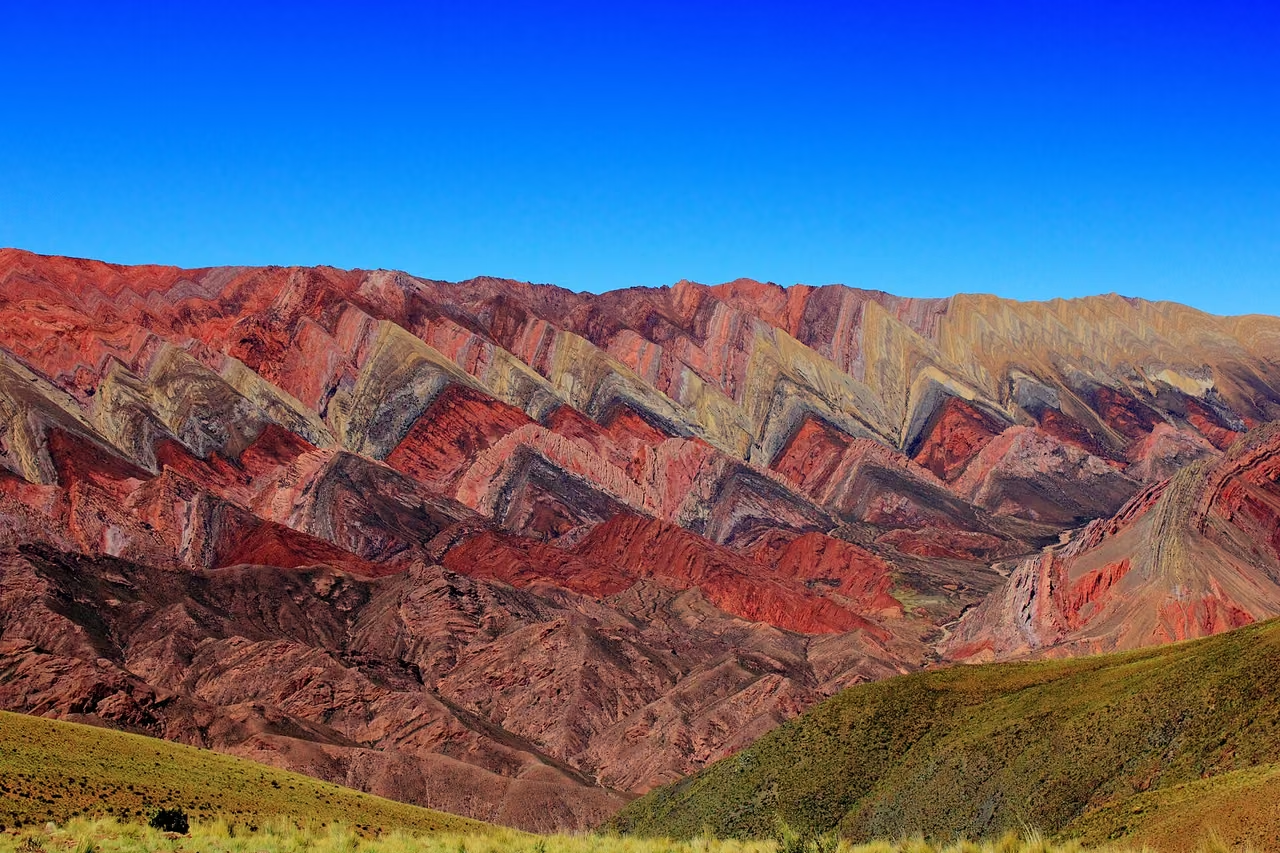
Salta and Jujuy
Colonial squares, the colourful Quebrada, high Andean villages and north-western cuisine.
 Guide live
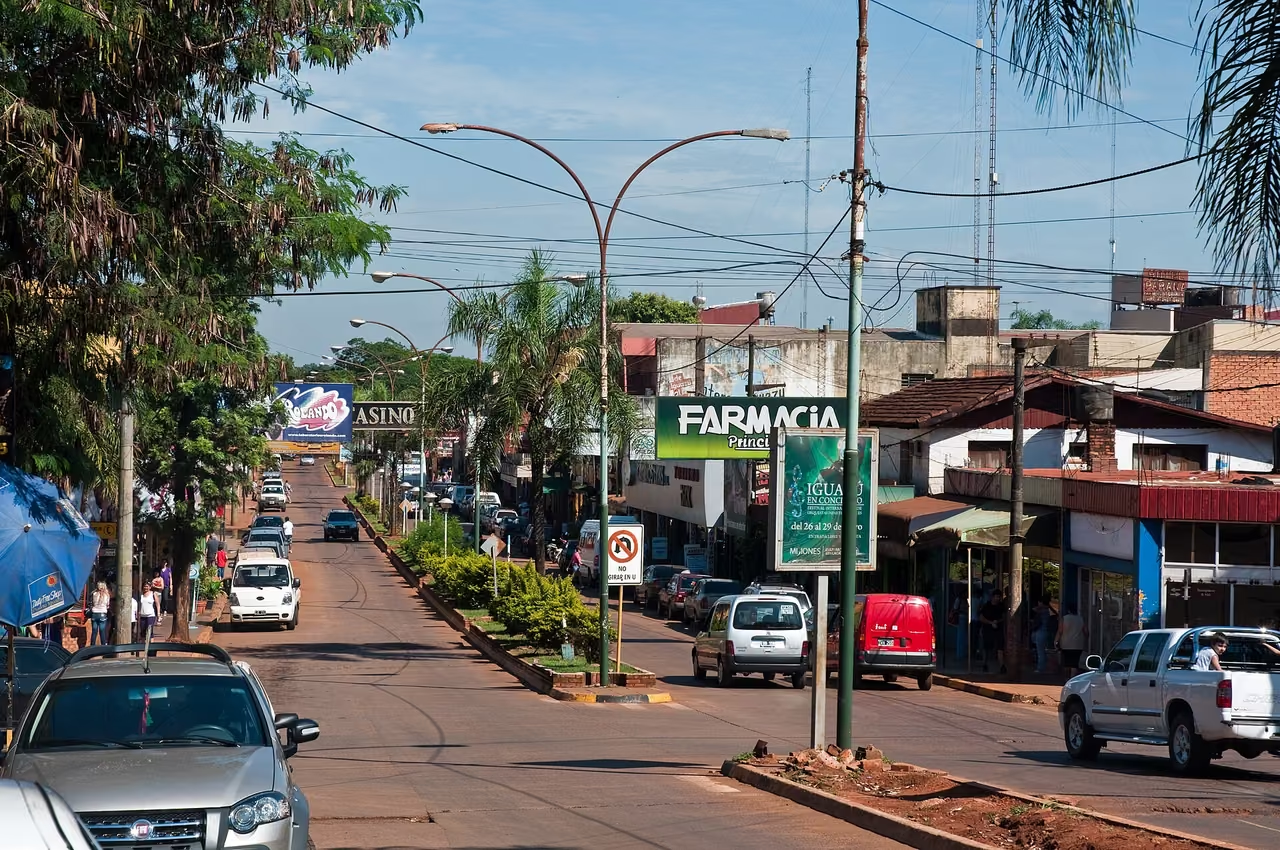
Puerto Iguazú
The Argentine waterfall trails, the Misiones forest and the three-country border route.
 Guide live
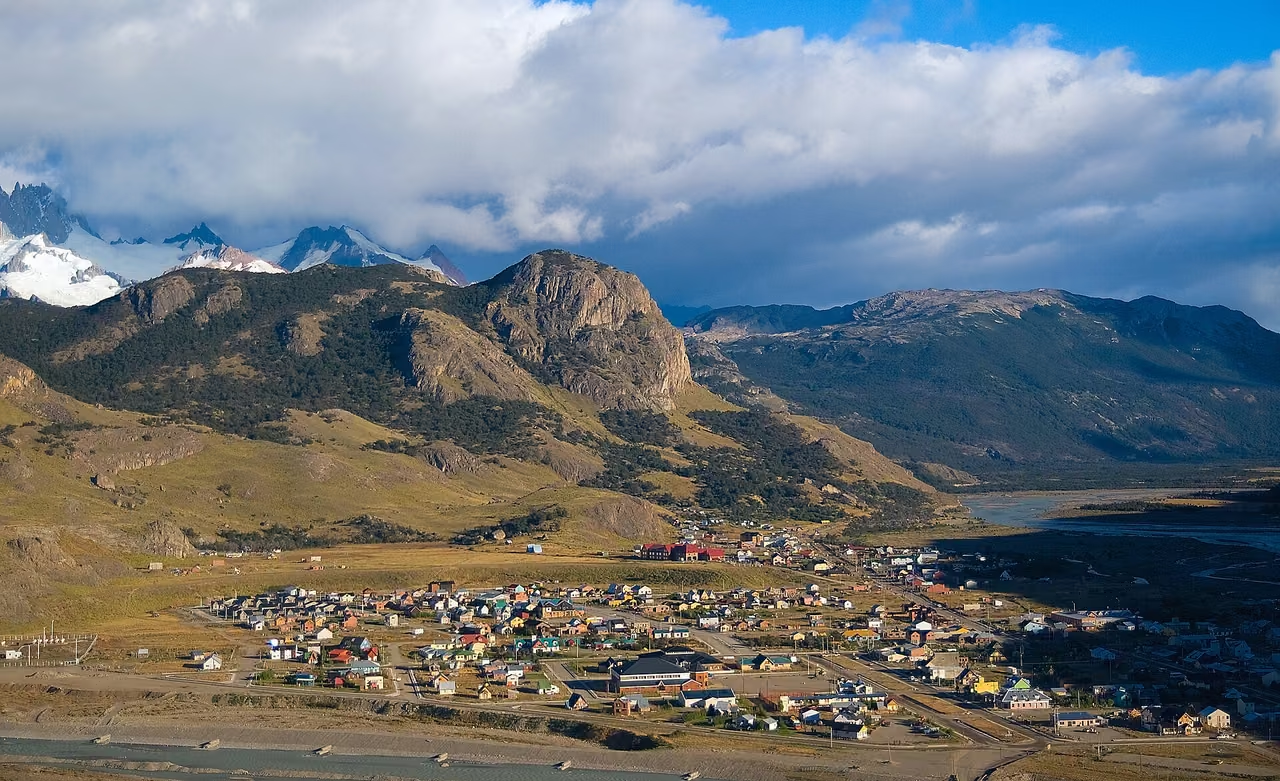
El Chaltén
World-class hiking routes starting from town at the foot of Fitz Roy and Cerro Torre.