🇧🇷 Country guide
Brazil Travel Guide
A continent-sized journey from Atlantic cities to the Amazon, from Afro-Brazilian culture to vast national parks.
Gateway
São Paulo · GRU
Capital
Brasília
Best time
Varies by region · May–October in general
Budget
Moderate
Don't miss
A sunset in Rio that comes down between mountain and sea to the sound of samba
How to plan a route through Brazil
On a first city route, give Rio and São Paulo four to five nights each and add Foz do Iguaçu by domestic flight. Salvador and Recife–Olinda form the north-east culture axis and are linked to each other by air.
Don't treat the Amazon and Lençóis as extensions of a short city trip. They need at least five days and a separate budget for the season, licensed guides, health, the last-mile boat/4x4 and communication blackouts.
What to know before travelling to Brazil
Check Brazil's visa rules for your passport
Whether you need a visa for Brazil depends on your passport; re-check the permitted stay, passport, return ticket and health requirements with official Brazilian sources. An exemption is not an automatic guarantee of entry at the border.
Domestic flights are essential on most routes
Don't think of the country's distances on a European scale. For flights, check baggage, second airports and transfers; for buses, ANTT-authorised operators, official terminals and night safety.
Cards are strong; keep a little cash in reserve
Card and contactless payments are common in cities; markets, beaches and remote nature need cash. Use ATMs inside banks and choose reais. A 10 per cent service charge is usually added to restaurant bills.
Check ethics and health on nature tours
Turn down tours that offer holding or feeding wild animals. For the Amazon, the Pantanal and the north-east, consult a travel clinic in good time about vaccines, mosquitoes, heat, water and activity insurance; respect park closures.
10–13 days
A first trip to Brazil
Rio five nights, São Paulo four, Foz three; fly between the cities.
8–11 days
The Afro-Brazilian north-east
Music, faith, cuisine and coast in Bahia and Pernambuco; at least three to four nights in each city.
5–7 days
The Atlantic outdoors
Base yourself on one coast of the island; plan beaches, hikes and the Azorean villages around traffic times.
10–14 days
A great nature journey
Link the two remote regions only with a domestic flight and an overnight stop in between; confirm the season windows separately.
Practical information for Brazil
Entry requirements
Whether you need a visa for Brazil depends on your nationality; check the current list of Brazil's Ministry of Foreign Affairs before booking. Verify the permitted length of stay, passport validity, return ticket and any health requirements with an official consular source; a visa or an exemption is not an automatic guarantee of entry at the border.
Money and payments
The Brazilian real is used. Card and contactless payments are very common in cities; carry a little cash for markets, beach vendors, small boats and remote nature routes. Use ATMs inside banks or shopping centres; with dynamic currency conversion, choose reais. A 10 per cent service charge is often added to restaurant bills.
Languages
Portuguese is the key to everyday communication; Spanish is not the same language. In Rio and São Paulo, English works for some tourist services; in the Amazon and inland regions, keep addresses, health needs and tour details written down in Portuguese.
Phones, internet and apps
Because of the country's size, domestic flights are often needed; for intercity buses, verify the ANTT-authorised operator and the official terminal. Phone signal can drop on Amazon, Pantanal and Lençóis routes; have a licensed guide, a satellite/emergency plan and offline documents.
Budget
Domestic flights, nature guides and last-mile boat/4x4 costs push the total up; confirm in writing whether a price is per person or per vehicle.
On a budget plan, think pousadas/hostels, por-kilo restaurants, municipal transport and free beaches; mid-range brings well-located hotels, one domestic flight and a small-group nature tour; a comfortable plan features private transfers, lodges and guides. Lock in flight and room prices early for Carnival, New Year and school holidays.
Cities and nature regions to visit in Brazil
The places to visit in Brazil are spread across a continent. Rio opens up geography and samba, São Paulo art and immigrant cuisines, and Salvador and Recife–Olinda Afro-Brazilian history. The island coast of Florianópolis, the giant falls of Foz do Iguaçu, the Amazon river at Manaus and the seasonal lagoons of Lençóis Maranhenses each need separate flights and guide planning.
Original guides are live for all 8 cities
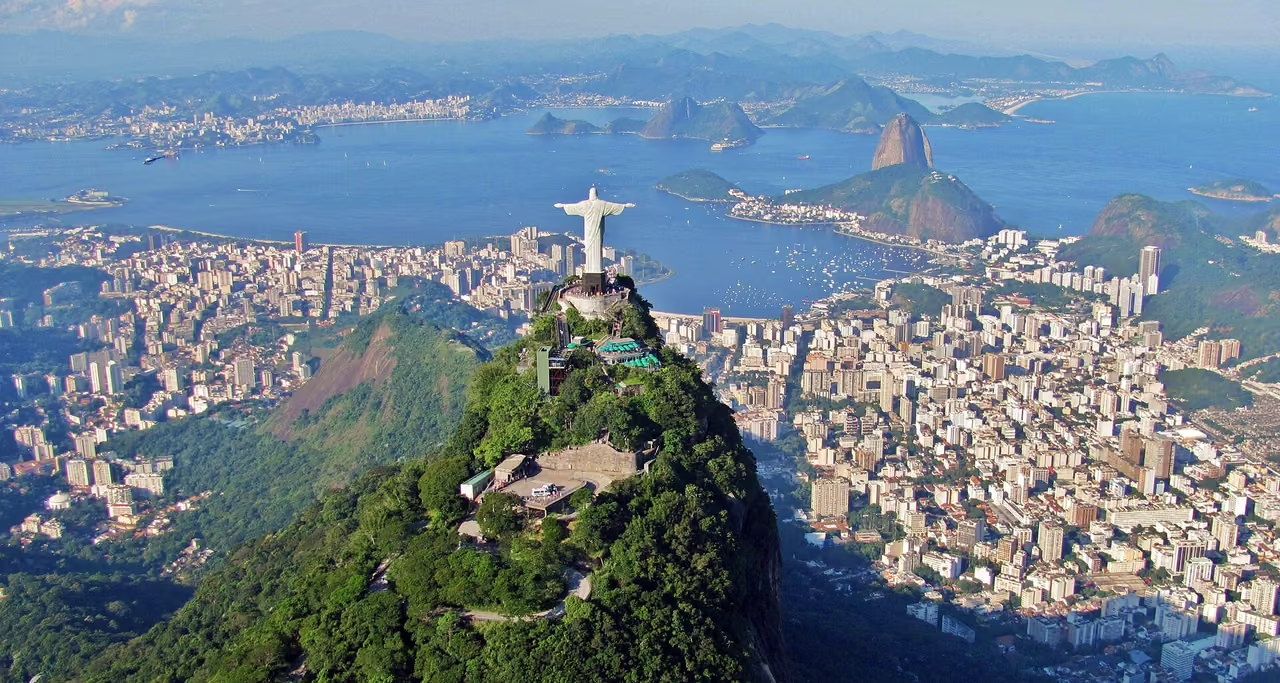 Guide live
Rio de Janeiro
Mountain views, Atlantic beaches, samba and neighbourhoods rich in history.
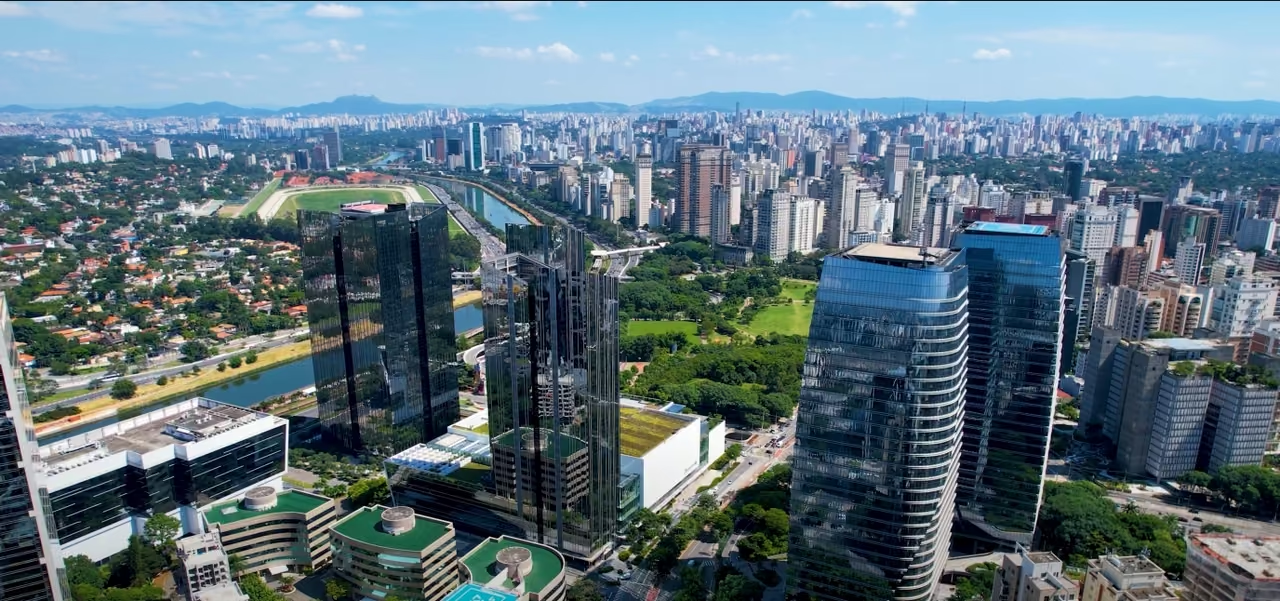 Guide live
São Paulo
A huge creative metropolis of world-class museums, modernist architecture and immigrant cuisines.
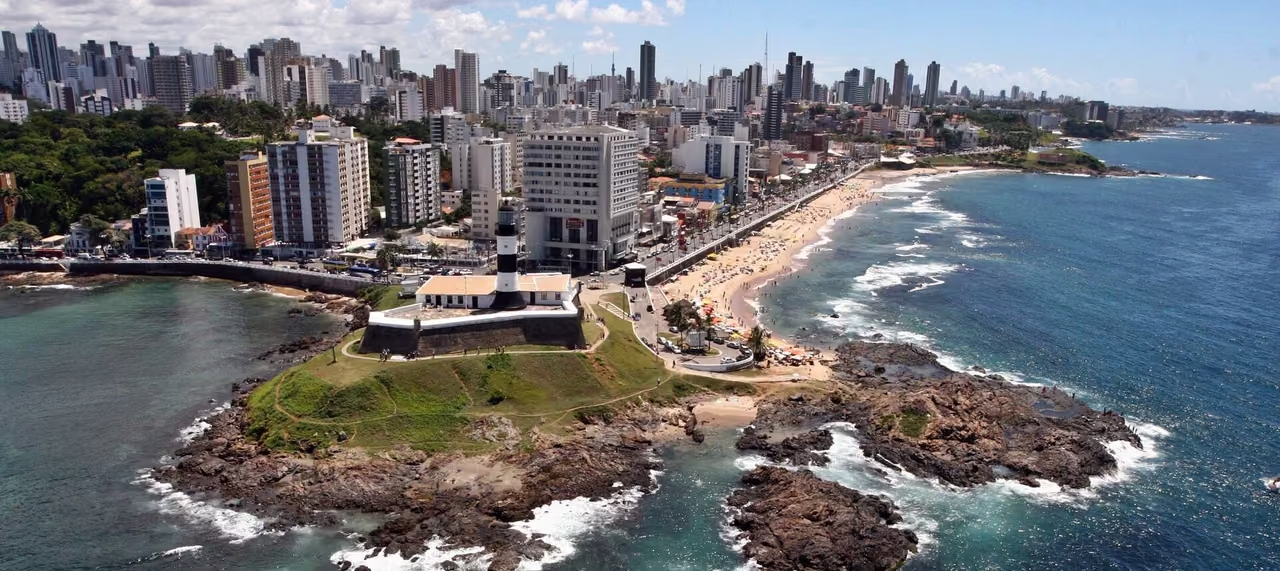 Guide live
Salvador
Afro-Brazilian heritage, the Pelourinho, Bahian cuisine and the Bay of All Saints.
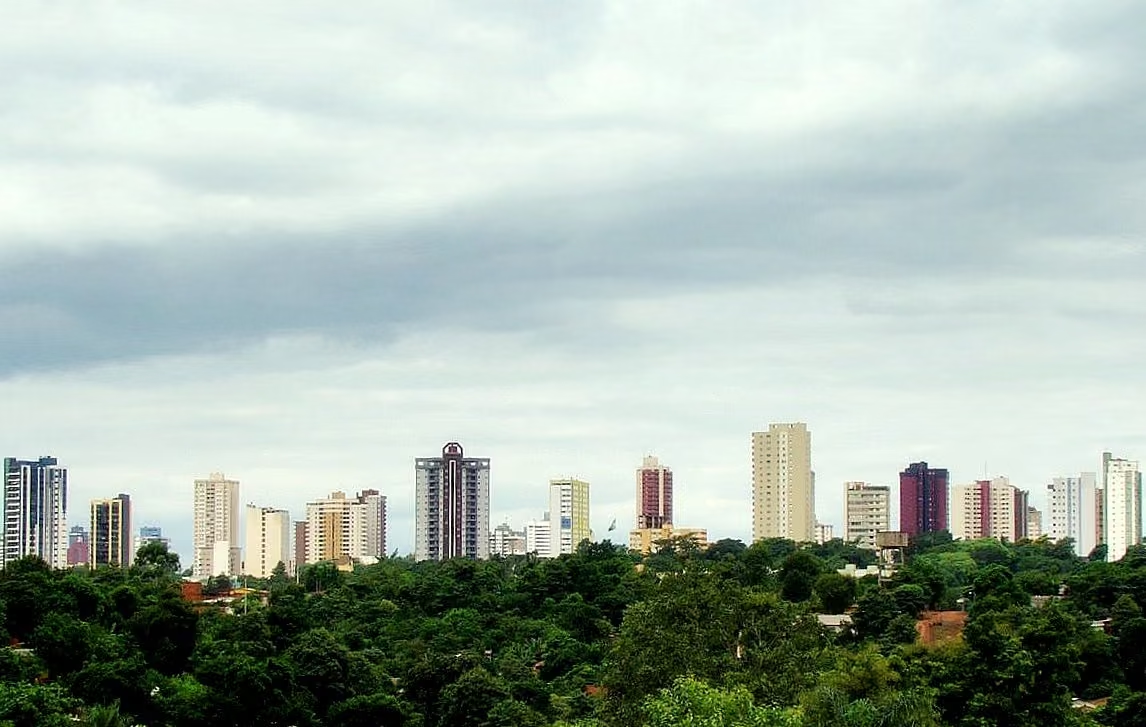 Guide live
Foz do Iguaçu
Iguaçu Falls, the Atlantic Forest and a base on the Brazil–Argentina–Paraguay border.
 Guide live
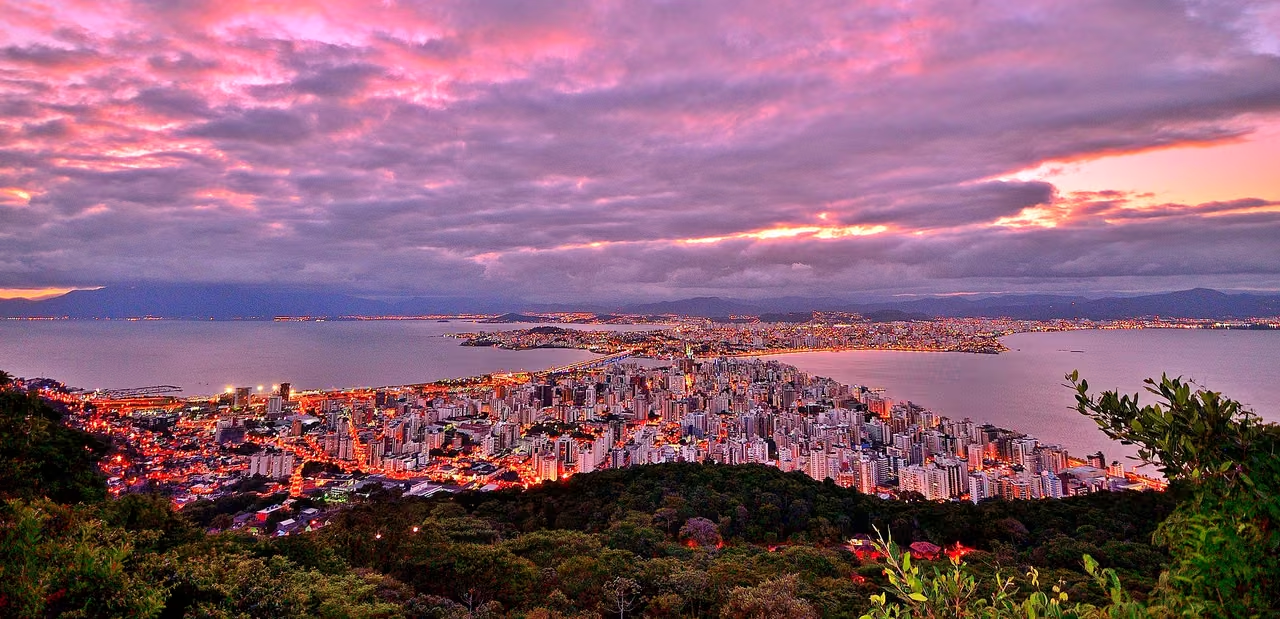
Florianópolis
Island beaches, lagoons, surfing, forest trails and Azorean village heritage.
 Guide live
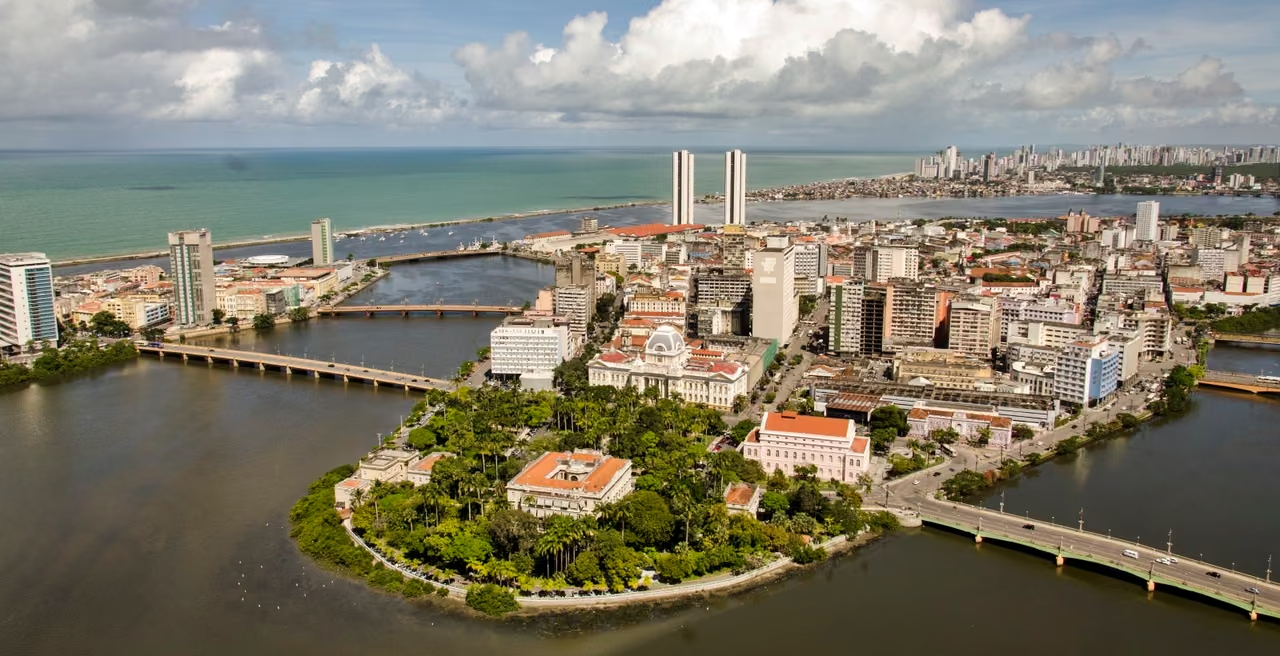
Recife and Olinda
A double route combining canals, colonial hillsides, frevo and Pernambuco culture.
 Guide live
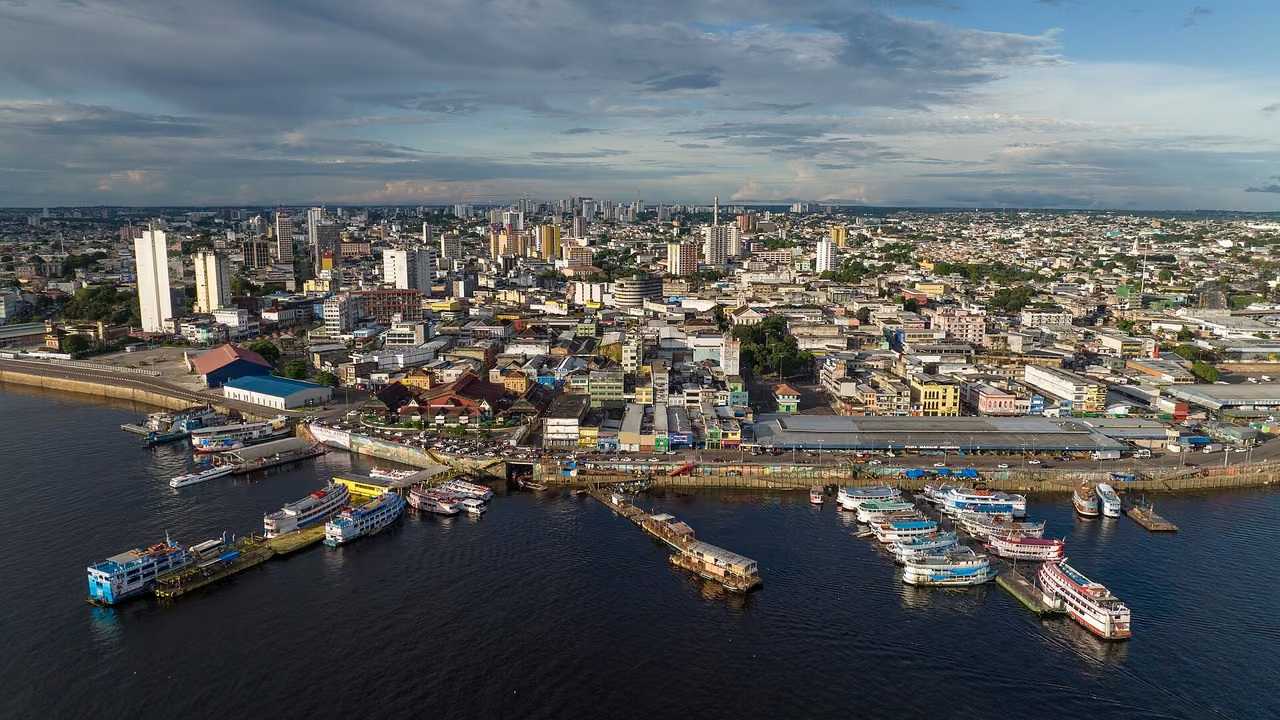
Manaus and the Amazon
The gateway to the Teatro Amazonas, giant rivers and responsible rainforest experiences.
 Guide live
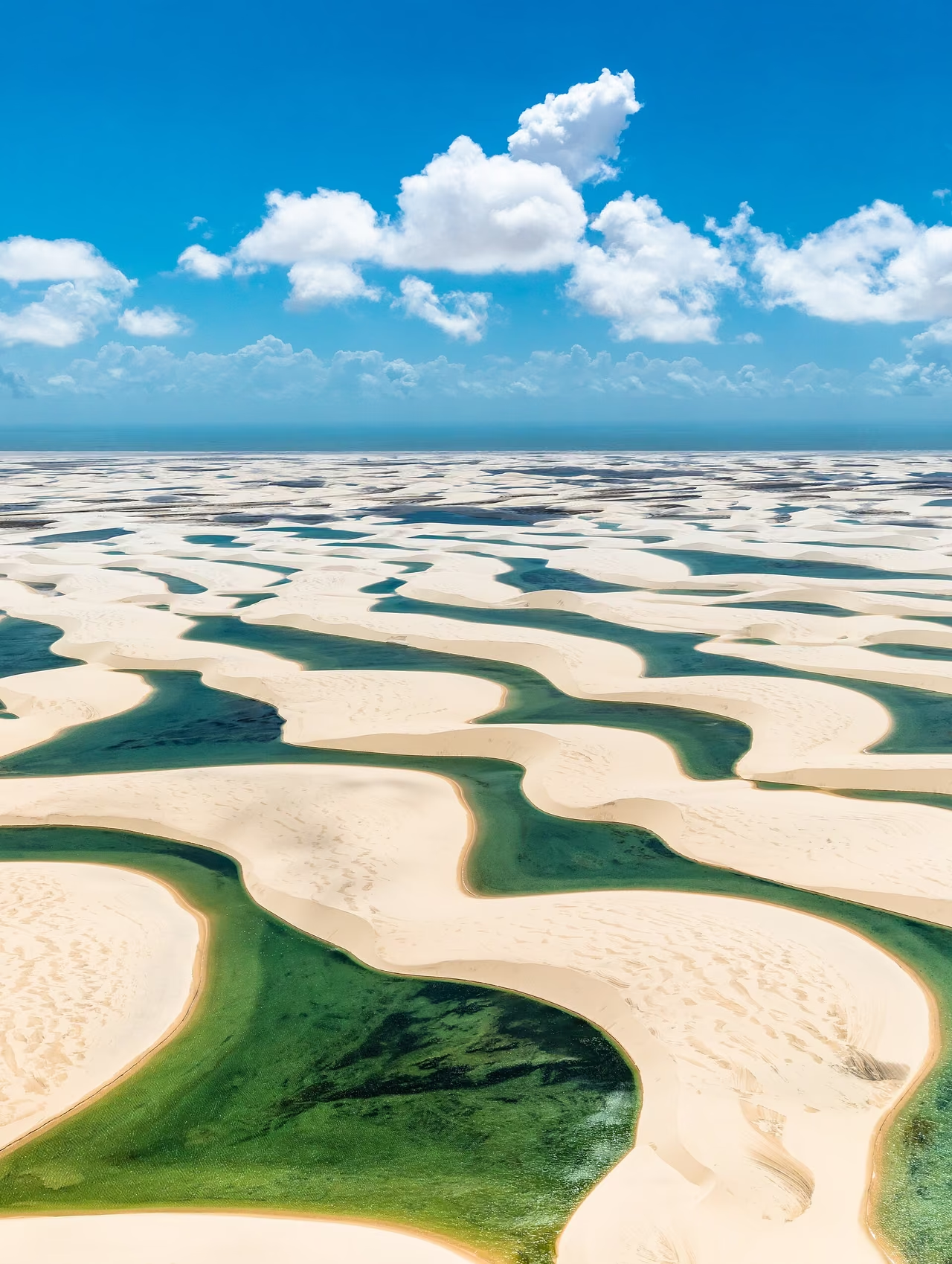
Lençóis Maranhenses
A national park of white dunes and seasonal freshwater lagoons, reached by 4x4 and boat.
Image credits
- Rafael Rabello de Barros · source · CC BY-SA 3.0
- Agent010 · source · CC BY-SA 4.0
- Fotos Gov/Ba · source · CC BY 2.0
- SamirNosteb · source · CC BY 3.0
- oscar fava · source · CC BY 3.0
- Portal da Copa/ME · source · CC BY 3.0 br
- Arne Müseler · source · CC BY-SA 3.0 de
- Julius Dadalti · source · CC BY-SA 4.0